
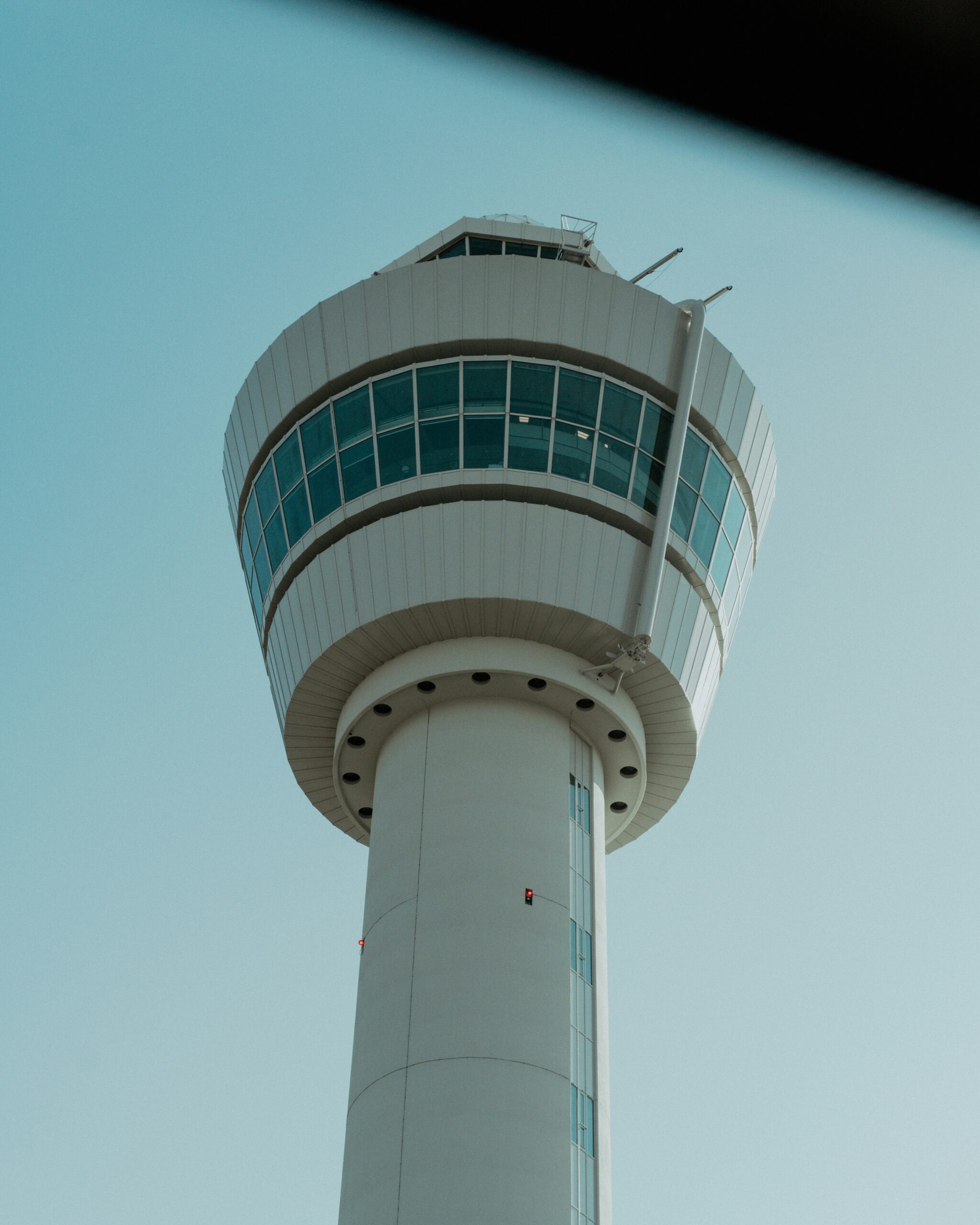
U.S. air traffic controllers are quitting FAA jobs and relocating to Australia amid burnout, understaffing, and global aviation labor competition. Explore the causes, risks, and long-term impact on airline safety and air travel.
🛫 Introduction: A Hidden Aviation Crisis Comes Into Focus
The modern aviation system is built on precision, discipline, and human expertise. At its center stands the air traffic controller—a profession responsible for the safe movement of millions of passengers every day. Yet behind the smooth choreography of takeoffs and landings, the United States is facing a deepening air traffic control staffing crisis.
An increasing number of U.S. air traffic controllers are resigning from their FAA positions and moving to Australia, lured by better work-life balance, more predictable schedules, and competitive international recruitment offers. This shift exposes structural weaknesses in the American aviation workforce and raises critical questions about the future of flight operations, airline reliability, and airspace safety.
This article delivers a deep, SEO-optimized analysis of why controllers are leaving, how Australia is capitalizing on the talent drain, and what it means for global aviation infrastructure.
🚦 Air Traffic Control: One of the Most Critical Jobs in Aviation
Air traffic controllers are the backbone of safe air travel. Their responsibilities include:
✈️ Managing aircraft separation in congested airspace
🛬 Sequencing arrivals and departures at busy airports
📡 Maintaining constant pilot communication
⏱️ Making split-second safety decisions
🌦️ Adapting to weather, emergencies, and equipment disruptions
This role demands extreme concentration, mental stamina, and flawless execution. Errors can carry catastrophic consequences, making fatigue and burnout especially dangerous in this profession.
🇺🇸 FAA Staffing Shortages: A Long-Brewing Problem
The FAA air traffic controller shortage is not new—but it has reached a tipping point.
🔻 Chronic Understaffing
Many U.S. air traffic facilities operate below recommended staffing levels, forcing remaining controllers to work overtime and extended shifts.
⏳ Lengthy Certification Process
Training a controller to full certification can take three to five years, depending on airspace complexity. Attrition during training remains high.
🧓 Aging Workforce and Retirements
Mandatory retirement rules combined with large retirement waves have accelerated staffing gaps.
🦠 Pandemic Disruptions
COVID-era hiring pauses, early retirements, and reduced training capacity created a backlog that persists today.
Together, these factors have made the U.S. system vulnerable to talent loss.
🔥 Burnout Is Driving Controllers Away
Burnout is now one of the most searched terms associated with air traffic control—and for good reason.
⚠️ Mandatory overtime
⚠️ Irregular schedules
⚠️ Sleep disruption
⚠️ High cognitive load
⚠️ Constant safety pressure
For many controllers, the profession has become unsustainable over decades-long careers. When international opportunities promise relief, the decision to leave becomes rational—not emotional.
🌏 Australia’s Strategic Recruitment of U.S. Controllers
Australia has emerged as a major destination for American controllers due to targeted international recruitment strategies.
🇦🇺 Why Australia Is Winning Aviation Talent
✔️ Competitive salaries aligned with experience
✔️ Strong labor protections and rest rules
✔️ Predictable rosters and reduced overtime
✔️ Lower traffic density in many regions
✔️ Visa sponsorship and relocation support
✔️ High quality of life for families
Australia’s aviation authorities understand that experienced controllers cannot be replaced quickly, making international hiring a strategic necessity.
💼 Global Competition for Aviation Talent
Air traffic control has become a globally competitive profession. As air travel demand rebounds and expands, countries are aggressively recruiting skilled personnel.
🌍 English as the universal aviation language
🌍 Procedural compatibility across systems
🌍 Growing Asia-Pacific air traffic demand
🌍 Limited supply of certified professionals
The result is a global labor market where controllers move toward better conditions.
🧠 Why Experienced Controllers Matter More Than Ever
The controllers leaving the FAA are often highly experienced professionals, not entry-level staff.
🔹 They manage complex traffic patterns efficiently
🔹 They reduce risk during emergencies
🔹 They mentor trainees and junior controllers
🔹 They stabilize operations during disruptions
Losing veteran controllers creates a knowledge vacuum that technology alone cannot fill.
✈️ Airline Operations: Delays, Disruptions, and Rising Costs
Controller shortages have immediate consequences for airlines and passengers.
⏱️ Flight Delays
Understaffed control centers struggle during peak hours, increasing delay frequency.
❌ Cancellations
Airlines cancel flights proactively when staffing constraints limit capacity.
📍 Hub Congestion
Major airports are especially vulnerable, where staffing shortfalls cascade rapidly.
💸 Financial Impact
Delays increase fuel burn, crew costs, and operational inefficiencies.
🛡️ Safety Margins Under Pressure
Aviation safety standards remain high—but thin staffing margins reduce system resilience.
Fatigue management becomes harder, recovery from disruptions slows, and remaining controllers face escalating pressure. Long-term sustainability requires more than compliance—it requires workforce health.
🇦🇺 Australia’s Perspective: Stability Through Experience
For Australia, recruiting U.S. controllers provides immediate operational benefits:
✔️ Faster onboarding
✔️ Reduced training costs
✔️ Operational continuity
✔️ Knowledge transfer from mature systems
This strategy allows Australia to stabilize its air traffic services while rebuilding domestic pipelines.
🌍 A Signal of Broader Aviation Workforce Shifts
The movement of controllers mirrors trends across aviation:
✈️ Pilot shortages
🛠️ Maintenance technician gaps
📊 Competition for engineers
🌐 Global labor mobility
Aviation is no longer constrained by national borders—it is shaped by global workforce economics.
🔧 Can the FAA Reverse the Exodus?
Retaining controllers requires structural reform, not temporary incentives.
🔑 Solutions Aviation Leaders Are Debating
🔹 Faster hiring and training pathways
🔹 Reduced mandatory overtime
🔹 Schedule predictability
🔹 Improved mental health support
🔹 Competitive compensation
🔹 Modernized air traffic technology
Without meaningful changes, international opportunities will continue to attract U.S. talent.
🚀 Technology Cannot Replace Human Judgment
Advanced automation improves efficiency—but air traffic control remains human-centered.
Controllers interpret complex situations, manage uncertainty, and respond to emergencies. Technology supports judgment—it does not replace it.
📉 Long-Term Risks If Staffing Issues Persist
Failure to address controller shortages could result in:
⚠️ Reduced airspace capacity
⚠️ Chronic delays
⚠️ Airline network instability
⚠️ Increased operational costs
⚠️ Loss of institutional knowledge
These risks affect not just airlines, but national competitiveness.
🧠 Lessons for Global Aviation Policy
✔️ Workforce resilience equals safety resilience
✔️ Burnout undermines performance
✔️ Talent mobility is permanent
✔️ Quality of life drives retention
Countries that invest in aviation professionals will lead the next era of global air travel.
✨ Conclusion: A Defining Moment for Aviation Leadership
The departure of U.S. air traffic controllers to Australia is a wake-up call. It signals that even the world’s most advanced aviation systems are vulnerable when workforce sustainability is ignored.
As global air travel accelerates, aviation leaders must prioritize people as much as infrastructure. The future of safe, reliable skies depends on it.
🔗 Direct Source (Only at the End)
Wall Street Journal
https://www.wsj.com/business/airlines/these-air-traffic-controllers-are-leaving-their-jobsand-heading-to-australia-13935de6




0 Comments