
Big Tech and State Power
How Florida Became a Testing Ground for Big Tech Regulation
From social media moderation to children's online safety, Florida is pressing legal boundaries that could reshape how technology companies operate nationwide.
Why Florida Has Moved to the Front of the Big Tech Debate
Florida has become a prominent arena for disputes over the power of major technology platforms. Under Gov. Ron DeSantis and the Republican-led Legislature, the state has advanced measures addressing social media moderation, children's access to online platforms and other questions about digital influence. These efforts reflect a broader conservative argument that private technology companies exercise consequential control over public debate while facing too little accountability.
The conflict reaches beyond Florida's borders because national platforms cannot easily separate one state's rules from the rest of their operations. Florida's initiatives also sit at the intersection of competing political priorities: protecting minors, checking corporate power and defending free expression. Courts, lawmakers and technology companies are now testing where state authority ends and federal law and constitutional protections begin.
Florida's Legal Playbook—and Its Constitutional Limits
Florida has pursued Big Tech through legislation, litigation and regulatory pressure. Its 2021 social media law sought to restrict how large platforms remove or deprioritize political speech; the resulting Supreme Court litigation highlighted unresolved First Amendment questions about platforms' editorial choices. A separate 2024 law targeting minors' social media access has raised disputes over age verification, privacy and parents' rights. Supporters say these approaches curb opaque corporate gatekeeping and reduce risks to children. Critics argue that mandates governing content decisions may violate platforms' speech rights, while broad age checks could burden lawful expression and require users to disclose sensitive information. The outcome will help determine how far states can go in regulating national digital services.
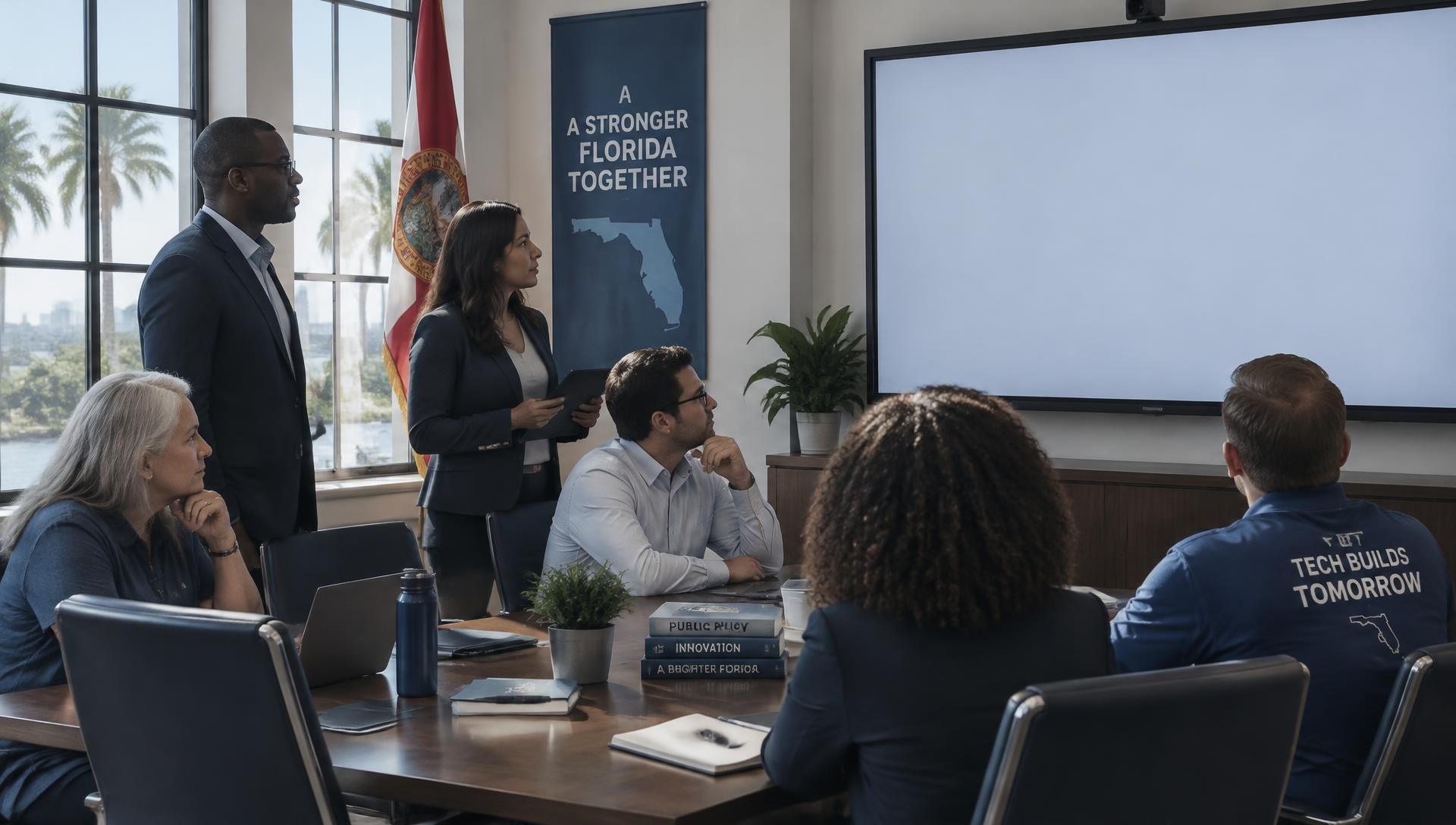
“Florida’s fight with Big Tech asks who should set the rules for online speech: elected lawmakers or the platforms that host it.”
Albert Report analysis
Florida and Washington: Two Approaches to Big Tech
Florida has pursued state-level limits on platform moderation, while federal efforts have focused more broadly on competition, privacy, and technology oversight. Their legal hurdles differ, too.
Florida’s state approach
Focus: limits on social-media content moderation
Key law: the 2021 social-media statute
Primary targets: large online platforms
Legal issue: platforms’ First Amendment rights
Court status: major provisions remain contested
Reach: state law with national implications
Federal policy efforts
Focus: competition, privacy, and online safety
Key tools: agency enforcement and proposed legislation
Primary targets: technology firms across sectors
Legal issue: statutory authority and constitutional limits
Court status: outcomes vary by case and proposal
Reach: potential nationwide rules
Frequently Asked Questions About Florida’s Big Tech Fight
What does Florida’s social-media law seek to change?
Florida’s 2021 law sought to restrict how large platforms remove users or moderate posts and to require greater transparency about those decisions. Its central provisions have faced constitutional challenges.
Why have technology companies challenged the law?
Industry groups argue that selecting, ranking, and removing content are protected editorial choices under the First Amendment. Florida argues that it can regulate certain platform practices to protect users.
What did the Supreme Court decide in 2024?
In Moody v. NetChoice, the Court sent challenges to Florida’s and Texas’s social-media laws back to lower courts. It did not issue a blanket ruling that either law was entirely valid or invalid.
Which platforms could be affected?
The Florida law primarily targets large social-media services that meet statutory size thresholds. Whether a particular service is covered can depend on the law’s definitions and the provision at issue.
How does Florida’s approach differ from Texas’s?
Both states have challenged major platforms’ moderation practices, but their laws use different requirements and definitions. Those differences matter when courts assess each provision’s effect on speech.
Can states require platforms to carry lawful posts?
That question depends on the requirement and how it operates. Courts must weigh states’ regulatory interests against platforms’ First Amendment protections for editorial judgment.
Could the litigation change what users see online?
Potentially. If moderation restrictions take effect, platforms may have to change how they remove, label, or rank some content. The practical impact would depend on the final rulings and implementation.
How do federal efforts compare with Florida’s law?
Federal policymakers have examined antitrust, privacy, online safety, and platform accountability. Unlike Florida’s moderation-focused law, those efforts span several policy areas and face distinct legislative and legal obstacles.
What should readers watch next?
Watch how lower courts apply the Supreme Court’s guidance to specific provisions, whether states revise their laws, and how any resulting rules affect both platform governance and users’ speech.




0 Comments