
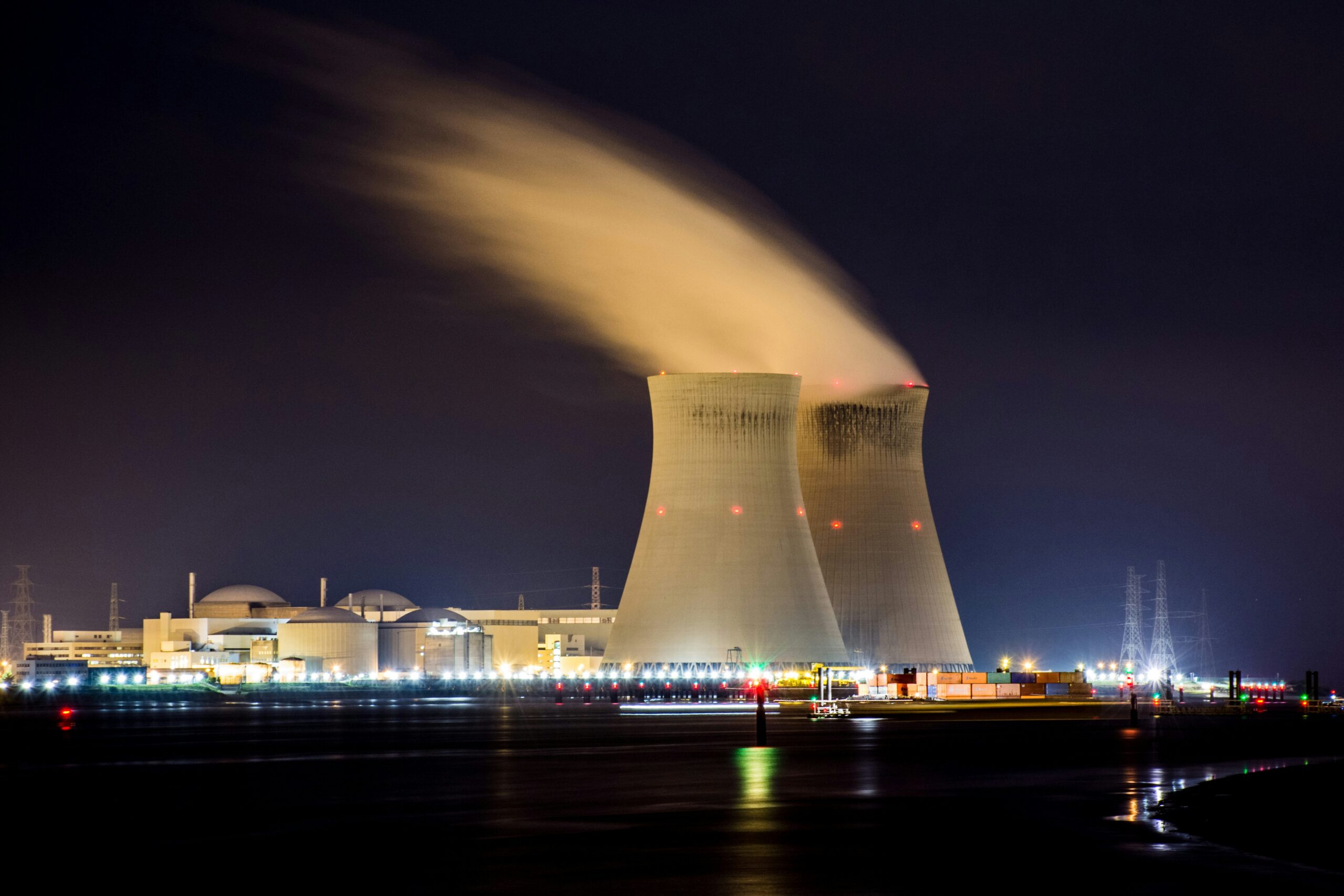
The revival of Three Mile Island nuclear plant sparks debate between safety concerns and economic opportunity. Explore the history, modern upgrades, community perspectives, and implications for the U.S. energy future.
Three Mile Island’s Nuclear Revival: Balancing History, Safety, and Economic Opportunity
Introduction
The Three Mile Island (TMI) nuclear facility, infamous for the 1979 partial meltdown, is preparing for a revival that has divided the local community. Once a symbol of nuclear disaster, the plant now stands at the crossroads of energy innovation, clean power demands, and local economic opportunity.
This article provides an in-depth look at TMI’s history, the decision to restart operations, community perspectives, safety upgrades, and broader implications for U.S. energy policy. Designed for educated readers, this analysis emphasizes facts, expert insights, and long-term trends shaping the nuclear energy debate.
1. The History of Three Mile Island
1.1 The 1979 Partial Meltdown
On March 28, 1979, Unit 2 at Three Mile Island experienced a partial meltdown caused by a combination of equipment failure and operator error. While the reactor was eventually stabilized, the event prompted the evacuation of nearly 140,000 residents and became the worst nuclear accident in U.S. commercial energy history.
The incident profoundly influenced public perception of nuclear power. Federal investigations revealed deficiencies in reactor design, emergency response protocols, and operator training, leading to sweeping regulatory changes across the nuclear industry.
1.2 The Impact on Local Communities
The local population experienced profound trauma and skepticism. Families were displaced, property values fell, and mistrust toward nuclear technology lingered for decades. For many, TMI became a symbol of what could go wrong when technology outpaces oversight.
1.3 Unit 1 Operations and Shutdown
While Unit 2 never resumed operation, Unit 1 continued producing electricity reliably for decades. In 2019, however, Unit 1 was shut down due to economic pressures, including low natural gas prices and competition from renewable energy sources. The closure marked the end of TMI’s active contribution to the region’s electricity supply — until recent revival plans emerged.
2. The Decision to Revive Three Mile Island
2.1 Ownership and Restart Plans
Constellation Energy, the current owner of TMI, announced plans to restart Unit 1 to supply stable, low-carbon electricity for the growing energy needs of the region. The restart timeline, initially projected for 2028, is now expected as early as 2027 due to increasing electricity demand.
2.2 Drivers of Revival
The primary driver for the plant’s revival is the surge in demand for reliable, large-scale electricity from tech infrastructure, particularly AI data centers. Nuclear power offers consistent baseload energy that intermittent sources like wind and solar cannot always provide.
2.3 Planned Upgrades
Unit 1 is undergoing extensive modernization, including advanced monitoring systems, upgraded emergency cooling protocols, and digital control systems. These improvements reflect lessons learned from the 1979 accident and current best practices in nuclear safety.
3. Economic Implications
3.1 Job Creation
The TMI restart is expected to create thousands of direct jobs in construction, operations, and security, as well as indirect positions in local businesses and services. Economists predict that the plant’s revival could inject millions of dollars into the regional economy annually.
3.2 Community Investment
Increased tax revenue from the operating plant is projected to support schools, public infrastructure, and local services. For a community still recovering from past economic challenges, TMI’s revival represents a potential long-term boon.
3.3 Regional and National Impact
Beyond local benefits, TMI’s revival signals a broader economic opportunity: demonstrating that older nuclear facilities, when properly upgraded, can meet modern energy needs while creating employment and stimulating regional development.
4. Community Perspectives
4.1 Fear and Distrust
For older residents and former evacuees, reopening TMI evokes memories of the 1979 disaster. Safety concerns remain, with many questioning whether modern safeguards are sufficient to prevent accidents. Public meetings reveal a persistent divide: one segment views TMI as a liability rather than an asset.
4.2 Optimism and Opportunity
Conversely, younger residents and business owners see TMI as an economic lifeline. They emphasize the plant’s potential to generate jobs, stabilize electricity costs, and provide a source of clean energy. Modern safety systems and regulatory oversight are cited as reasons for cautious optimism.
5. Safety and Technological Upgrades
5.1 Modern Reactor Safety
Unit 1 now incorporates advanced instrumentation, redundant cooling systems, and digital control rooms that enable precise monitoring of reactor operations. These improvements minimize the likelihood of human error and system failure.
5.2 Regulatory Oversight
The Nuclear Regulatory Commission (NRC) enforces strict oversight, including regular inspections, safety drills, and emergency preparedness exercises. Restarting a facility with a troubled history requires extensive documentation and community engagement to satisfy regulatory requirements.
5.3 Lessons from 1979
The 1979 incident continues to shape nuclear policy and technology. Operator training, communication protocols, and automated safety systems have been fundamentally improved, creating a framework for safer nuclear energy production today.
6. Nuclear Energy and Climate Goals
6.1 Low-Carbon Energy
Nuclear energy remains one of the most significant sources of carbon-free electricity, producing large amounts of energy without greenhouse gas emissions. This positions nuclear power as a critical component of national climate strategies.
6.2 Energy Reliability
Unlike wind or solar power, which are weather-dependent, nuclear plants provide consistent baseload electricity. For energy-intensive industries like AI and cloud computing, reliability is crucial.
6.3 Policy Incentives
Federal and state policies increasingly support nuclear energy, including subsidies, tax incentives, and public-private partnerships. These incentives recognize nuclear’s potential to meet energy demand while achieving environmental goals.
7. Broader Implications for U.S. Energy Policy
7.1 Reviving Older Plants
The TMI project demonstrates that older nuclear facilities can be revived safely and economically with modern upgrades. Other regions are monitoring the restart as a potential template for sustainable energy development.
7.2 Public Trust and Engagement
Successful nuclear revival requires transparent communication with the public. Community engagement initiatives, safety briefings, and public reporting are essential to rebuild trust.
7.3 Balancing Safety, Economy, and Environment
Policymakers must balance public safety, economic opportunity, and environmental sustainability. TMI’s revival provides a case study in integrating these factors into practical energy policy.
8. Case Studies: Lessons from Other Nuclear Facilities
8.1 Successful Restarts
Other U.S. and European nuclear plants have successfully restarted older reactors after upgrades, demonstrating that TMI’s model is feasible and potentially replicable.
8.2 Community Engagement
Communities involved in successful restarts often had early engagement programs, open communication about safety protocols, and local economic incentives, which reduced opposition.
8.3 Economic and Environmental Outcomes
These case studies show that nuclear plant restarts can revitalize local economies while contributing to carbon reduction goals, providing a blueprint for balancing risk and reward.
9. Challenges Ahead
9.1 Safety Perceptions
Public perception remains a challenge. Convincing residents of safety improvements is essential to secure social license for operations.
9.2 Regulatory Complexity
Navigating modern regulatory requirements involves significant investment in planning, documentation, and ongoing oversight.
9.3 Integration with Renewable Energy
As renewable energy sources expand, integrating nuclear power into a mixed-energy grid requires careful planning to maintain grid stability and efficiency.
10. Conclusion
Three Mile Island’s revival is emblematic of the tensions and opportunities facing the U.S. energy sector. For some, the reopening represents a painful reminder of past failures. For others, it is a path toward economic growth, energy reliability, and environmental responsibility.
As AI data centers and other energy-intensive industries continue to expand, the plant’s story underscores the broader debate: how can America safely, efficiently, and sustainably meet its energy needs while addressing public concerns and historical lessons? The outcome at Three Mile Island may offer critical insights for the future of nuclear energy nationwide.
References



0 Comments