
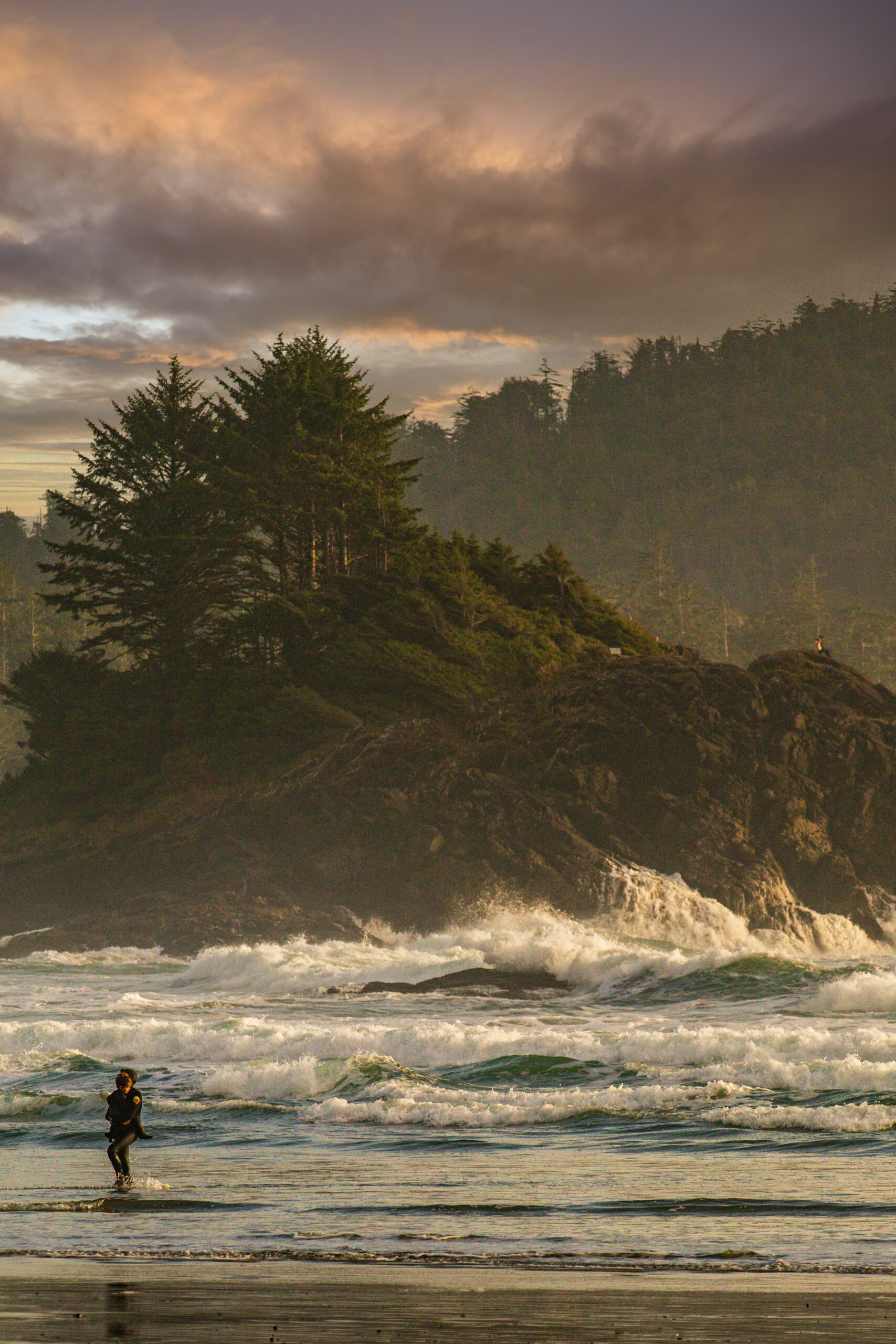
Introduction: Paradise with a Hidden Risk
Nestled on the western tip of Vancouver Island, Tofino is Canada’s crown jewel for eco-tourism. Its pristine beaches, towering old-growth forests, and world-class surf draw thousands of visitors annually. Yet beneath this idyllic scenery lies a stark geological reality: the Cascadia Subduction Zone, capable of triggering a megathrust earthquake and subsequent tsunami, places the town at extreme risk.
According to The Guardian, in a worst-case scenario, waves could reach Tofino in as little as 15 minutes — a warning window so short that evacuation planning becomes a matter of life or death. (theguardian.com)
For travellers and residents alike, understanding the tectonic, historical, and practical context is critical. This article provides an in-depth exploration.
1. The Geological Reality: Tofino on a Tectonic Fault Line
1.1 Cascadia Subduction Zone Explained
Tofino sits near the boundary where the Juan de Fuca Plate dives beneath the North American Plate. This type of plate boundary, called a subduction zone, can store enormous energy over centuries. When released, it triggers magnitude 9+ earthquakes capable of generating massive tsunamis.
Historically, the last major rupture occurred in 1700, producing waves that reached the coast of Japan and reshaped local coastlines in North America. Geologists warn that a similar event could happen today. (en.wikipedia.org/wiki/1700_Cascadia_earthquake)
1.2 A Window of Just Minutes
Because Tofino lies so close to the fault, the tsunami could reach the town within 15 minutes, leaving almost no time for conventional evacuation measures. Residents and visitors must therefore rely on rapid response plans and immediate access to high ground.
1.3 Vulnerable Infrastructure
Tofino’s low-lying beaches, single main access road, and seasonal tourist influx make evacuation complex. Additional hazards such as coastal erosion, landslides, and extreme weather events further exacerbate vulnerability.
2. Tourism Meets Disaster: Challenges for Visitors
2.1 The Surf Town Draw
Tofino’s beaches, renowned for world-class waves, attract surfers, adventure travelers, and eco-tourists from across North America and beyond. Its remote charm and natural beauty are key drivers of the local economy.
2.2 Evacuation Complexities for Tourists
Tourists face unique challenges in an emergency. Many are unfamiliar with local routes, rely on rental cars, and may not have immediate access to emergency alerts. False alarms have caused confusion in the past, highlighting the need for clear communication and signage.
2.3 Balancing Tourism and Safety
Local authorities and businesses must navigate the delicate balance between promoting tourism and preparing for catastrophic events. Awareness campaigns, evacuation drills, and tourist education are essential to minimize risk.
3. Preparedness Measures in Tofino
3.1 Early Warning Systems
Tofino has implemented sirens, mobile alerts, and community signage to direct people to high ground. Evacuation routes are marked, and regular drills aim to keep residents and visitors alert.
3.2 Vertical Evacuation Solutions
Vertical evacuation towers have been proposed for low-lying areas, allowing residents and visitors to move upward rather than outward in the event of a tsunami. Site selection is critical to avoid areas prone to liquefaction during an earthquake.
3.3 Data and Research Needs
While modeling has improved, gaps remain in predicting precise tsunami impacts at specific Tofino locations. Investment in high-resolution hazard mapping, simulations, and infrastructure resilience is ongoing but critical.
4. Practical Advice for Travelers
Educated travelers can take proactive steps to stay safe:
-
Learn evacuation routes in advance — familiarize yourself with high ground locations and emergency signage.
-
Check local alerts daily during your stay using official apps or government notifications.
-
Travel light and flexible — quick movement may be required, and heavy luggage can impede evacuation.
-
Plan off-peak travel if possible, as congestion complicates rapid evacuation.
-
Consider travel insurance that covers natural disasters.
-
Respect local guidance — hotel staff and park rangers provide the most reliable, updated advice.
5. Community, Economy, and Policy Implications
5.1 Local Resilience
Tofino’s residents, known for their rugged, resourceful approach, rely on community cohesion to manage emergencies. Volunteer networks and local knowledge are critical for preparedness.
5.2 Tourism and Economic Risks
A major event could disrupt tourism, property values, and infrastructure, impacting the local economy for years. Insurance and emergency funding are vital to support recovery.
5.3 Broader Policy Lessons
Tofino’s situation exemplifies global coastal vulnerability, especially for tourist destinations near subduction zones. Investments in infrastructure resilience, early warning systems, and visitor education are necessary worldwide.
6. Historical Context: Learning from Past Events
-
The 1700 Cascadia earthquake demonstrates the potential scale of damage.
-
International comparisons (Japan, Indonesia) show that preparedness, education, and vertical evacuation structures save lives.
-
Lessons from past tsunamis emphasize that minutes matter — proactive planning and awareness are life-saving.
7. Conclusion: A Call for Awareness and Prepared Travel
Tofino is a paradise with a geological ticking clock. Travelers and residents alike must respect nature’s power, stay informed, and embrace precautionary measures. By combining science, infrastructure, and public awareness, the town can continue to thrive safely despite its location on one of the planet’s most dangerous fault lines.
For visitors, Tofino is more than just waves and wilderness — it’s a reminder that adventure and safety coexist when knowledge guides action.
Sources: The Guardian




0 Comments