
Introduction
The Netherlands American Cemetery in Margraten stands as one of Europe’s most poignant sites of World War II memory. Home to over 8,300 American soldiers, it commemorates the sacrifice of those who fought in the liberation of Europe. Among them are 174 African‑American soldiers whose service was distinct — confronting not only the Axis powers abroad but systemic racism at home.
Recently, the American Battle Monuments Commission (ABMC) quietly removed panels in the Margraten visitor center that highlighted the contributions of these African‑American soldiers. The decision, which drew concern from relatives, historians, and local authorities, raises questions about historical memory, representation, and the politics of commemoration.
This article explores the Margraten controversy, situating it in its historical context, examining the implications for memorialization, and considering why it matters today.
African‑American Soldiers in World War II: Fighting on Two Fronts
Over one million African‑Americans enlisted during World War II, contributing to the Allied victory in Europe and the Pacific. Despite their service, these soldiers faced segregation, discrimination, and limited recognition in the United States military.
The Margraten cemetery, where they are interred, symbolizes both their valor and the injustices they endured. Panels installed in 2023 at the Margraten visitor center sought to highlight this narrative, emphasizing the dual struggle against fascism abroad and racism at home. These panels offered visitors a fuller understanding of the African‑American experience in WWII — an aspect too often overlooked in mainstream historical accounts.
The Controversy: Removal of the Panels
According to reports, one panel was removed from display entirely, while the other was “rotated out,” leaving the commemorative effort incomplete. The ABMC stated the removal was part of a review of interpretive materials, but relatives of the soldiers and local Dutch authorities voiced concern that the decision diminishes recognition of African‑American service members.
Dutch historian Kees Ribbens remarked that these panels were an important step toward inclusivity in war commemoration. The sudden removal, he noted, risks marginalizing a group that has historically been underrepresented in memorial narratives.
Historical Significance of the Margraten Cemetery
A Unique American Memorial Abroad
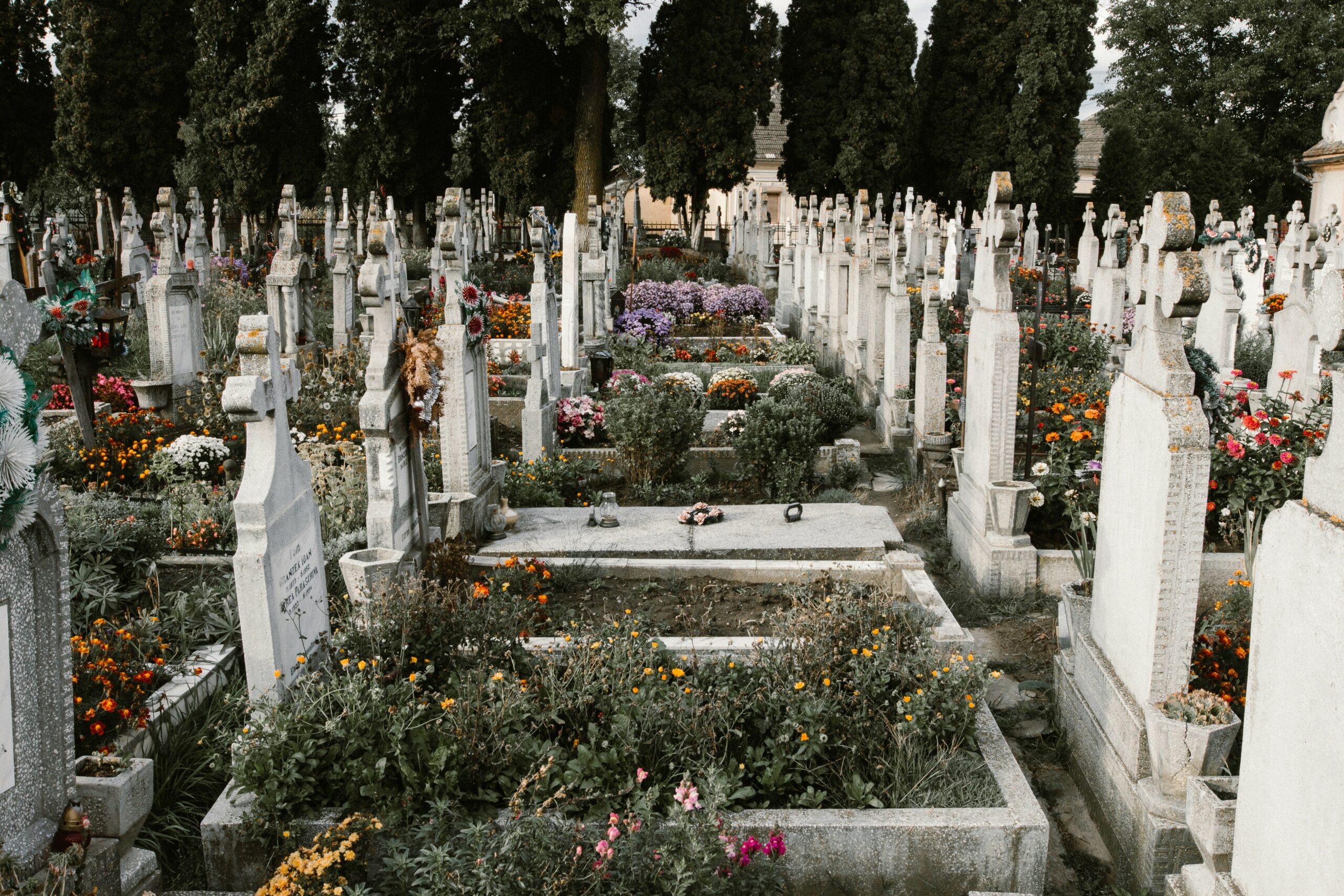
Unlike domestic cemeteries in the United States, Margraten represents a transnational commemoration of sacrifice. Each white cross tells a story of courage and loss. Local Dutch families, in a tradition known as “adopting graves,” maintain these sites, ensuring that the memory of each soldier endures.
The African‑American Narrative at Risk
The absence of visible recognition for African‑American soldiers is not a minor oversight. It perpetuates historical invisibility and undermines the educational purpose of the cemetery. Visitors may remain unaware of the systemic challenges faced by these soldiers, or of their critical role in the liberation of Europe.
Broader Implications: Memory, Representation, and Equity
Representation in Memorials
Memorials are not neutral spaces; they reflect societal choices about which histories to honor. When panels commemorating African‑American soldiers are removed, it signals a troubling prioritization of certain narratives over others.
Cultural and Political Context
The decision coincides with ongoing debates about diversity, equity, and inclusion both in the United States and abroad. Some critics suggest that the removal reflects discomfort with addressing the intersections of race and military history. The Dutch provincial government has formally petitioned the ABMC to restore the panels, emphasizing the importance of a complete historical narrative.
International Dimensions
As an American cemetery in the Netherlands, Margraten embodies a partnership between nations. Decisions about what stories to highlight have diplomatic and cultural implications. Inclusive representation reinforces mutual respect and shared commitment to honoring all who fought for freedom.
Human Stories: Remembering the Individuals
Beyond statistics and panels, the human dimension is compelling. Julius W. Morris, Private First Class, US Army, rests among the white crosses at Margraten. Each grave represents a life interrupted, a family affected, and a history to remember.
Local adoption programs demonstrate that memory is not only institutional but also personal. Families caring for graves of African‑American soldiers find the removal of panels deeply disheartening, as if the soldiers’ sacrifices are being quietly erased.
Lessons for Heritage Sites and Educators
The Margraten case highlights several lessons:
-
Audit Representation: Ensure that interpretive materials reflect the diversity of those commemorated.
-
Engage Stakeholders: Families, local communities, historians, and governments should be involved in decisions about memorial displays.
-
Educate Visitors: Panels and exhibits provide crucial historical context. Removing them risks presenting an incomplete narrative.
-
Document Decisions: Transparency in why exhibits are removed or altered maintains public trust and historical integrity.
What Can Be Done?
-
Restoration: Urgent efforts should be made to restore panels honoring African‑American soldiers.
-
Digital Exhibits: Consider online resources highlighting underrepresented soldiers.
-
Educational Programs: Develop guided tours or curriculum materials to contextualize African‑American contributions to WWII.
The debate at Margraten offers an opportunity to reinforce the importance of inclusive commemoration — to ensure that all who served are remembered equally.
Conclusion
The quiet removal of panels at Margraten is more than a local issue; it reflects global challenges in remembering history accurately and equitably. African‑American soldiers fought bravely abroad and endured discrimination at home. Honoring them in cemeteries, museums, and public memory is not just about panels or plaques — it’s about justice, education, and historical truth.
By recognizing and promoting these narratives, heritage institutions, educators, and the public can help ensure that the legacies of African‑American soldiers remain visible for generations to come.
Sources: The Guardian




0 Comments