
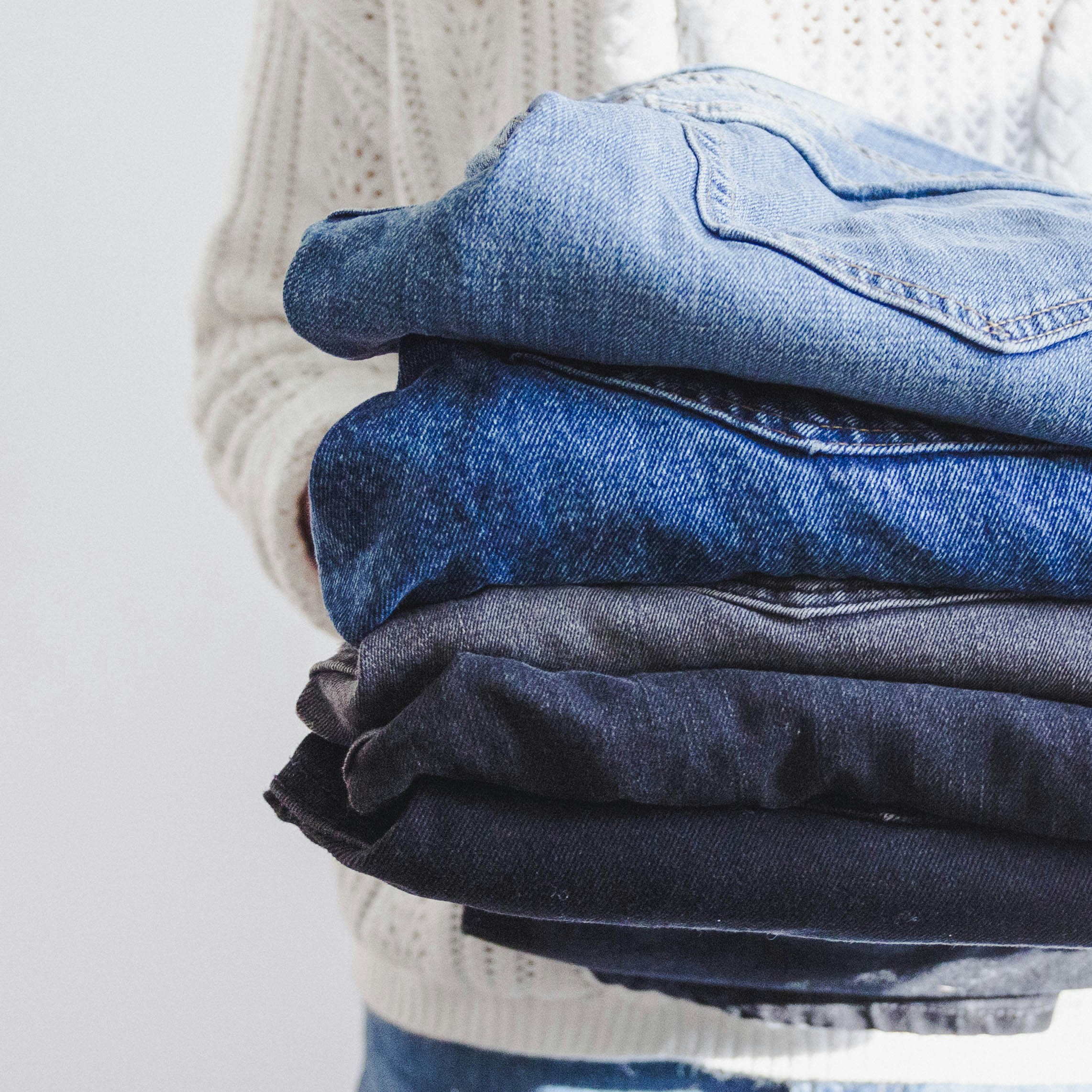
More Americans are selling used clothes, shoes and personal items to raise money for holiday spending, highlighting the growing resale economy and pressure on household budgets.
Focus Keyword: selling Americans clothes to pay for holidays
Secondary Keywords: secondhand clothing market, holiday spending, online resale platforms, used clothing sales, consumer spending trends, household budgets, sustainable fashion.
Introduction: Turning Old Clothes Into Holiday Spending Money
As the holiday shopping season approaches, some Americans are looking inside their closets rather than reaching immediately for their credit cards. Unwanted clothing, shoes, handbags and other personal belongings are increasingly becoming potential sources of extra cash for consumers looking to finance holiday purchases.
The trend highlights an interesting shift in American consumer behavior. Instead of relying exclusively on wages, savings or credit, households can turn items they no longer use into money through online resale marketplaces, consignment stores and secondhand retailers.
For consumers facing higher living costs and competing financial priorities, selling unused possessions offers an alternative way to manage seasonal expenses. At the same time, the growing popularity of resale platforms reflects a broader transformation in the fashion industry, where secondhand shopping is becoming a mainstream commercial activity.
1. A Growing Number of Americans Are Turning Their Closets Into Cash
The shift toward selling personal belongings illustrates how households are adapting to the financial demands of the holiday season.
According to ThredUp, an online secondhand clothing marketplace, approximately 53% of Americans have already sold or expect to sell items they own to help pay for holiday expenses in 2026 .
The proportion is even higher among younger generations:
-
Gen Z: 66% or more.
-
Millennials: 66% or more, with ThredUp's separate survey breakdown putting the figure at 69%.
-
Overall population: 53%.
These figures suggest that reselling unwanted possessions is becoming an increasingly familiar financial strategy, particularly among younger consumers who are comfortable using digital marketplaces.
For many households, the objective is straightforward: generate additional income without taking on more credit card debt or relying entirely on existing savings.
The trend also demonstrates how consumers increasingly view their possessions as financial assets rather than simply items they no longer need.
2. Rising Living Costs Are Changing Holiday Shopping Clothes
The holiday season traditionally represents one of the busiest periods for American retailers. However, higher household expenses are making it increasingly important for consumers to manage their spending.
Housing costs, mortgage payments, groceries, transportation and utility bills compete with discretionary purchases during November and December.
For families already facing financial pressure, buying Christmas presents, organizing celebrations and paying for holiday travel can become challenging.
Selling unwanted possessions provides another source of money.
The Wall Street Journal highlighted several examples of Americans using resale platforms and local marketplaces to finance seasonal expenses.
One example involved Maria Yepez, a Texas teacher who generated approximately $800 by selling clothing and shoes she no longer wore. Her objective was to raise $1,300 for Christmas presents and a holiday breakfast for more than two dozen guests.
Other consumers are selling children's toys, household decorations, jewelry and furniture to finance travel and family celebrations.
These examples demonstrate how the resale economy is becoming connected to everyday household financial decisions rather than being limited to fashion enthusiasts or professional resellers.
3. The Secondhand Clothing Market Is Becoming a Major Industry
A $61.2 billion American resale opportunity
The growing popularity of secondhand shopping is creating opportunities for established retailers, online marketplaces and specialized resale companies.
According to market research firm GlobalData, the US secondhand apparel market is expected to reach approximately $61.2 billion in 2026 , representing an increase of 10.3% compared with 2025.
The Wall Street Journal +1
This expansion reflects several developments:
-
Consumers are increasingly interested in affordable clothing.
-
Online marketplaces make selling and purchasing used products easier.
-
Younger shoppers are more comfortable purchasing secondhand fashion.
-
Luxury resale offers access to premium brands at potentially lower prices.
-
Environmental concerns encourage consumers to extend the lifespan of clothing.
Platforms such as ThredUp , Poshmark , Depop , Vinted and eBay are participating in this expanding market.
Their business models differ, but they share an important characteristic: they allow previously purchased products to find new buyers.
For the retail industry, this represents a significant change in how consumers purchase fashion and how companies compete for their spending.
4. Millennials and Gen Z Are Driving the Resale Trend
Younger consumers are particularly important to the development of the secondhand economy.
For many millennials and Gen Z shoppers, online resale is not necessarily associated with financial hardship. It can also represent a convenient way to discover distinctive fashion, purchase recognizable brands and reduce unnecessary consumption.
ThredUp's 2026 Holiday Resale Report found that 62% of Americans planned to purchase secondhand products during the holiday season. The figure was particularly strong among younger consumers.
The report also found that 55% of Americans would prefer receiving a unique, vintage or hard-to-find secondhand gift in excellent condition rather than a mass-produced new alternative.
ThredUp Inc. +1
This suggests that resale is evolving beyond its traditional reputation as a budget shopping option.
Vintage clothing, designer handbags, collectible accessories and unusual fashion pieces can offer something that conventional retail products do not always provide: individuality.
For younger generations, the combination of affordability, convenience and personal style is helping normalize secondhand shopping.
5. Online Resale Platforms Are Making It Easier to Earn Extra Money
The development of digital marketplaces has significantly changed the way Americans sell unwanted possessions.
Previously, consumers often needed to organize garage sales, visit consignment stores or advertise products locally.
Today, online platforms offer different ways to reach potential buyers.
Some services allow sellers to photograph and list products themselves, while others manage parts of the selling process, including pricing, processing and distribution.
However, the amount sellers ultimately receive can vary considerably.
The Wall Street Journal highlighted examples illustrating the differences between selling directly and using managed resale services.
One seller received just $7 from a pair of Timberland loafers that sold for $43 through a managed resale arrangement. Another item sold for $51, generating $9 for the seller.
These examples illustrate why consumers should examine platform fees, commissions, shipping expenses and payment conditions before choosing where to sell.
A product's advertised selling price is not necessarily the amount that ends up in the seller's bank account.
For consumers hoping to finance holiday expenses, understanding these costs is particularly important.
6. Jewelry, Toys and Household Products Are Also Finding New Buyers
Although clothing and footwear remain central to the resale economy, Americans are increasingly selling other categories of personal belongings.
Jewelry, children's toys, furniture, electronics, collectibles and decorative objects can also generate additional income.
One example highlighted by the Wall Street Journal involved a New York resident who sold inherited jewelry through Unvault, an online jewelry-selling platform, generating approximately $6,000.
Meanwhile, families with young children are finding opportunities to sell toys and household products that are no longer needed.
This broader development suggests that the resale economy is not exclusively a fashion-industry phenomenon.
Instead, it is becoming a more comprehensive marketplace for previously owned consumer products.
For households with limited budgets, items sitting unused in garages, closets and storage spaces may represent an overlooked source of additional cash.
7. Weight-Loss Trends Are Also Influencing Clothing Resale
Another interesting development involves consumers selling clothing that no longer fits.
The growing use of weight-loss medications is contributing to this trend, as some people find themselves with wardrobes that no longer match their current sizes.
The Wall Street Journal reported the example of Kami Rowan, a Minnesota resident who lost approximately 85 pounds while using Zepbound.
As a result, she began selling clothing that no longer fit and raised money toward her Christmas expenses.
This illustrates how developments outside the traditional fashion industry can influence the resale marketplace.
Changes in personal lifestyles, health-related purchasing decisions and household circumstances can all contribute to the supply of secondhand clothing.
For resale companies, these developments may create additional opportunities to attract sellers and expand product inventories.
8. What the Trend Means for American Retailers
The growing popularity of resale presents both opportunities and challenges for traditional retailers.
On one hand, consumers who sell unwanted possessions may generate additional purchasing power that they can spend elsewhere.
On the other hand, secondhand purchases can replace some transactions that would otherwise have occurred at conventional clothing stores.
Retailers are responding by experimenting with resale, clothing repair and circular-fashion programs.
Brands including Burberry and Zara have introduced or expanded initiatives designed to extend the lifespan of garments.
These programs reflect a broader recognition that the future of fashion retail may involve more than selling newly manufactured products.
Retailers increasingly have to consider what happens to clothing after its original purchase.
The development of resale programs can also strengthen customer relationships by creating additional opportunities for consumers to interact with brands.
Nevertheless, traditional retailers face a commercial challenge: secondhand platforms can offer competitive prices for products that consumers might otherwise purchase new.
As resale expands, competition within the fashion industry could become increasingly complex.
9. A Holiday Shopping Season Defined by Financial Trade-Offs
Despite the growing interest in resale, Americans are still expected to spend substantial amounts during the holiday season.
The National Retail Federation projected that US holiday retail sales would increase 4.2% to approximately $1.01 trillion during November and December 2026.
However, the Wall Street Journal reported that approximately half of the projected growth was expected to come from higher prices rather than increased purchasing volumes.
This distinction is important.
Higher nominal retail sales do not necessarily mean households are purchasing significantly more products.
Instead, consumers may be spending more simply because goods and services cost more.
This environment helps explain why selling unwanted possessions has become an attractive strategy for some families.
Consumers still want to celebrate Christmas, purchase gifts and organize memorable experiences. However, they are increasingly looking for ways to accomplish these objectives without putting additional pressure on their finances.
Secondhand selling offers one possible solution, although the income generated varies considerably depending on the products, their condition and the platform used.
10. The Future of the Resale Economy: A Structural Change in Consumer Behavior?
The growing popularity of secondhand shopping raises an important question for the future of American retail: Is resale becoming a permanent part of consumer spending habits?
There are reasons to believe the trend could continue beyond the holiday season.
Digital marketplaces have made selling personal items easier, while younger consumers are increasingly familiar with purchasing used products.
Environmental considerations may also encourage consumers to reconsider traditional purchasing habits.
However, affordability remains a major driver.
If household financial conditions improve, some consumers could return to more purchasing products directly from traditional retailers.
Nevertheless, the infrastructure supporting the resale economy is becoming increasingly established.
Online marketplaces, professional resale services and brand-operated secondhand programs are creating a more sophisticated commercial ecosystem.
For fashion companies, retailers and investors, this development deserves attention.
The secondhand economy is no longer simply about people selling unwanted clothes. It is becoming an increasingly important part of the broader consumer marketplace.
Conclusion: Americans Are Finding New Ways to Finance the Holidays
The growing number of selling Americans old clothes, shoes, jewelry and household belongings highlights the changing economics of holiday shopping.
As living costs remain an important consideration for households, consumers are exploring alternative ways to generate spending money without relying entirely on credit cards or traditional income.
The resale economy is benefiting from this shift, with online platforms making it easier to transform unused possessions into cash.
For retailers, the development represents both competition and opportunity. For consumers, it offers another way to balance financial responsibilities with the desire to enjoy the holiday season.
Ultimately, the growing popularity of secondhand selling reflects a broader transformation in American consumer behavior: what people already own is becoming an increasingly important part of how they finance what they want to buy next.
Frequently Asked Questions (FAQ)
1. Why are Americans selling old clothes to pay for the holidays?
Many households are selling unwanted clothing, shoes, jewelry and other possessions to generate additional money for Christmas gifts, holiday travel and seasonal celebrations.
2. What percentage of Americans are selling items to finance holiday spending?
ThredUp estimates that approximately 53% of Americans have sold or expect to sell possessions to help pay for holiday expenses in 2026.
3. Which generations are most likely to sell secondhand products?
Gen Z and millennials are particularly active in the trend, with ThredUp reporting participation or expected participation rates of approximately 66% and 69%, respectively.
4. How large is the US secondhand clothing market?
The US secondhand apparel market is projected to reach approximately $61.2 billion in 2026, according to GlobalData.
5. Which platforms allow Americans to sell used clothing?
Popular platforms include ThredUp, Poshmark, Depop, Vinted and eBay. Facebook Marketplace is another option for selling clothing and household products locally.
6. Is secondhand shopping becoming more popular during the holidays?
Yes. ThredUp's 2026 Holiday Resale Report found that 62% of Americans planned to purchase secondhand products during the holiday season.
7. Does selling used clothing guarantee significant income?
No. Earnings depend on product condition, brand, demand, selling prices, platform commissions and other expenses.




0 Comments