
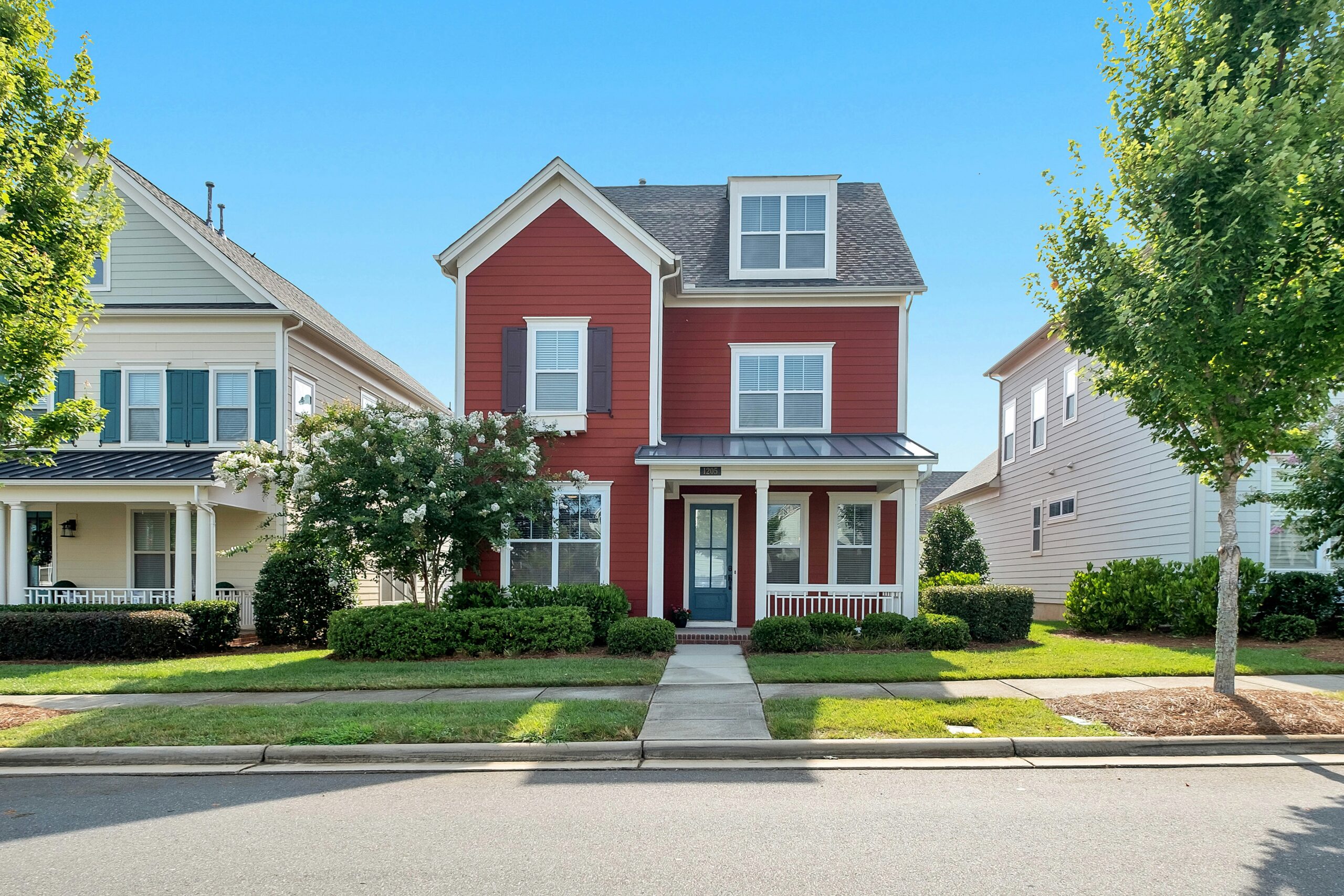
Spain's housing crisis is intensifying as rents and property prices surge, housing shortages worsen and tenant protections spark political debate ahead of elections.
Focus Keyword: Spain housing crisis
Secondary Keywords: Spain housing shortage, Spanish property market, Spain rental prices, housing affordability Europe, Barcelona housing crisis, Madrid real estate, European housing market.
Suggested Excerpt: Spain's housing crisis is becoming one of Europe's most pressing economic and political challenges. Rising property prices, limited rental supply, tourism pressures and controversial tenant protections are reshaping the country's housing market.
Spain's Housing Crisis Deepens as Housing Shortages and Rising Rents Put Pressure on Households
Spain's housing market is facing an increasingly difficult situation as rising property prices, expensive rents and insufficient construction make affordable accommodation harder to find. What was once primarily a problem for younger residents and lower-income households has developed into a nationwide economic and political challenge.
From Madrid and Barcelona to popular Mediterranean destinations, the gap between housing demand and available properties is putting pressure on households, landlords, businesses and policymakers.
The scale of the problem is becoming particularly concerning because housing costs are increasing faster than the incomes of many residents. According to figures highlighted in recent reporting by The Wall Street Journal, Spanish residential property prices increased approximately 80% between 2015 and 2025, while wages grew by around 30%.
The imbalance illustrates why housing affordability has become a major political issue in Spain.
The country's housing shortage also raises broader questions about the sustainability of its tourism industry, population growth, investment environment and long-term economic competitiveness.
1. Spain's Housing Market Faces a Growing Affordability Crisis
Spain has become an increasingly attractive destination for international residents, investors, remote workers and tourists. However, the popularity of its cities and coastal destinations has contributed to additional pressure on housing markets that are already struggling with limited supply.
For many Spanish households, purchasing a property has become increasingly difficult.
Renters face an equally challenging situation. In major cities, competition for available apartments can be extremely intense, with prospective tenants sometimes competing against hundreds of applicants for desirable properties.
According to the figures cited by The Wall Street Journal, households spend approximately half their income on rent on average, illustrating the financial pressure created by rising housing costs.
The situation is particularly difficult for younger generations entering the rental market, workers relocating for employment and families attempting to remain in economically attractive urban areas.
Housing affordability is no longer simply a question of individual financial decisions. It is increasingly connected to employment opportunities, social mobility and the ability of cities to retain their populations.
2. A Housing Shortage That Construction Has Struggled to Resolve
One of the central problems behind Spain's housing crisis is the limited expansion of residential supply.
The Bank of Spain has estimated that the country faces a housing shortfall of approximately 750,000 homes.
This shortage reflects several years of insufficient construction relative to population growth and the formation of new households.
The European construction sector has also faced difficulties associated with financing, land availability, planning procedures and construction costs.
In Spain, obtaining permits and completing development projects can take considerable time. These delays make it difficult for the housing market to respond quickly when demand increases.
The problem is especially significant in locations where employment opportunities and economic activity are concentrated.
Madrid, Barcelona and several coastal destinations attract domestic and international residents, but their housing supply has not expanded sufficiently to accommodate growing demand.
The consequences are predictable: increased competition for apartments, higher rents and greater pressure on property prices.
Importantly, Spain's housing shortage is not evenly distributed across the country. Some areas have weaker demand and available properties, while economically dynamic cities experience substantial accommodation shortages.
This geographical imbalance makes national housing policy particularly complicated.
3. Barcelona and Madrid Become Symbols of Europe's Housing Challenges
URBAN HOUSING PRESSURE
Barcelona has become one of the most visible examples of Spain's housing affordability problems.
The Catalan capital combines a strong international tourism industry, a growing population, a significant technology and services economy, and substantial international interest in residential property.
These factors create intense competition for accommodation.
For residents, finding an affordable apartment close to employment opportunities, universities and public transportation can be increasingly difficult.
Madrid faces similar pressures.
As Spain's political and economic center, the capital attracts professionals, international businesses, students and migrants. Population growth has increased the need for additional housing, while construction has struggled to keep pace.
The consequences extend beyond residential property prices.
When workers cannot afford to live near their workplaces, employers may experience recruitment difficulties. Businesses can also face higher wage expectations as employees attempt to compensate for rising accommodation expenses.
In the longer term, housing affordability could become a factor influencing where companies establish offices and where international professionals choose to live.
4. Tourism and Short-Term Rentals Add Another Layer of Pressure
Tourism is one of Spain's most important economic industries, attracting millions of international visitors through its beaches, cultural attractions, restaurants, cruise ports and historic cities.
However, the growth of short-term accommodation has created tensions between the tourism economy and the residential housing market.
In neighborhoods with strong visitor demand, apartments used for holiday rentals may compete with properties that could otherwise accommodate permanent residents.
This has generated growing public debate about the balance between tourism development and the housing needs of local communities.
Barcelona has become particularly prominent in this discussion.
Authorities have pursued restrictions on tourist accommodation, including plans to phase out existing tourist apartment licenses by 2028.
Supporters argue that limiting short-term rentals could return more housing to the residential market.
However, the economic implications are complicated.
Tourist accommodation supports property owners, hospitality businesses, cleaning companies, restaurants and other services connected to international travel.
Restrictions could affect parts of the tourism economy, particularly in destinations where visitor accommodation represents an important source of employment and investment.
The challenge for Spanish policymakers is to preserve tourism's economic contribution while ensuring that local residents are not priced out of their own communities.
5. Tenant Protections Create Tensions Between Renters and Landlords
Another controversial aspect of Spain's housing crisis concerns the relationship between tenant protections and property ownership.
The government has introduced measures intended to protect vulnerable renters and provide greater residential stability.
However, the debate has become increasingly complicated when landlords face difficulties recovering properties or dealing with tenants who cannot pay rent.
The Wall Street Journal highlighted a dispute involving a landlord who wanted to sell an apartment and a long-term tenant who refused to leave. The tenant benefited from legal protections designed to prevent vulnerable households from being evicted.
Meanwhile, the owners continued to face mortgage payments and financial pressure.
The situation illustrates an important policy dilemma.
Tenant protections are intended to prevent homelessness and protect households experiencing economic hardship. However, landlords also have financial obligations, property rights and expenses associated with maintaining their investments.
If property owners believe that renting out apartments carries excessive financial or legal risks, some may decide to sell their properties or withdraw them from the long-term rental market.
That could further reduce the number of available rental homes.
The challenge is therefore finding a regulatory framework that protects vulnerable tenants without discouraging investment in residential housing.
6. Foreign Investment and International Buyers Complicate the Debate
Spain's international popularity has also influenced its property market.
Foreign buyers are attracted by the country's climate, infrastructure, lifestyle, comparatively attractive locations and access to European markets.
International demand is particularly noticeable in coastal regions and the Balearic Islands.
According to Spain's property registry data cited by Euronews, foreign buyers represented approximately 16% of residential property transactions during the second quarter of 2026.
In the Balearic Islands, their share exceeded 32%.
These figures demonstrate the importance of international demand in certain local housing markets.
However, foreign investment should not be treated as the only explanation for Spain's housing crisis.
The shortage is also connected to domestic population growth, changing household structures, insufficient construction and the concentration of employment opportunities in major cities.
International buyers represent different economic groups, including people purchasing primary residences, retirees, second-home owners and investors.
Consequently, policymakers face the difficult task of distinguishing productive international investment from speculative activity that could intensify affordability pressures.
For Spain, maintaining its attractiveness to international capital while addressing domestic housing needs will remain an important economic balancing act.
7. Spain's Housing Crisis Becomes a Major Political Issue
Housing affordability has moved to the center of Spain's political debate.
The issue is particularly sensitive because it affects younger voters, working families, middle-income households and people living in major urban centers.
The government's response has included stronger tenant protections, measures targeting speculative purchases, rental-market interventions and incentives intended to encourage additional housing development.
In September 2026, the Spanish government approved new housing measures addressing evictions, speculation, rental-market practices and affordability.
However, disagreements over the effectiveness of regulation remain significant.
Critics argue that additional restrictions could discourage landlords and developers from participating in the market.
Supporters maintain that stronger protections are necessary to prevent housing from becoming inaccessible to ordinary households.
The debate also has implications for Spain's broader political landscape.
Housing is increasingly connected to questions about immigration, tourism, economic inequality and the distribution of wealth.
With national elections approaching, political parties are presenting different approaches to the problem.
Some emphasize stronger market regulation and tenant protection, while others prioritize construction, investment incentives and expanding the housing supply.
Ultimately, voters will judge these proposals based on whether they produce measurable improvements in housing affordability.
8. Why Spain's Housing Crisis Matters for the European Economy
Spain's housing problems are not isolated from wider European economic developments.
Several major European economies are experiencing similar affordability challenges, particularly in large metropolitan areas and popular tourism destinations.
High housing costs can influence labor mobility, household consumption, business investment and economic productivity.
When households spend a growing proportion of their income on accommodation, they have less money available for other expenses.
This can affect retail spending, restaurants, leisure activities, travel and other consumer industries.
Housing shortages can also prevent workers from moving to cities where employment opportunities are strongest.
For employers, this creates additional recruitment difficulties.
For governments, the consequences include increasing pressure to expand affordable housing, improve infrastructure and reconsider urban development policies.
Spain's experience offers a particularly important example because the country combines strong international tourism demand, population growth and significant regional differences in housing availability.
The situation could become a warning for other European destinations attempting to balance international investment, tourism development and residential affordability.
9. Can Spain Build Its Way Out of the Housing Crisis?
housing construction will be Increasing essential if Spain wants to address the underlying supply imbalance.
However, building additional homes requires more than political announcements.
Authorities must improve planning procedures, make suitable land available, encourage investment and ensure that infrastructure can support new residential developments.
Developers also need access to financing, construction workers and materials.
Affordable housing requires additional attention because simply increasing the number of expensive residential properties will not necessarily resolve the financial difficulties facing lower- and middle-income households.
Social housing could become an important part of the solution.
Spain has a comparatively limited stock of social rental accommodation. European Commission estimates place social housing at approximately 1.5% to 1.7% of the country's housing stock, compared with an EU average of approximately 6% to 7%.
Expanding this sector could help reduce the dependence of vulnerable households on increasingly expensive private rental markets.
Nevertheless, public housing programs require substantial funding and long-term planning.
The government must also consider how to encourage private developers to build additional homes without creating another unsustainable property boom.
A balanced approach involving public investment, private construction and targeted protections may offer a more sustainable solution.
Economic Outlook: Spain's Housing Market Faces a Long Road to Recovery
Spain's housing crisis represents more than a temporary increase in property prices. It reflects structural weaknesses involving residential construction, population growth, urban planning, rental regulation and the distribution of housing.
The country's tourism success and international attractiveness have created economic opportunities, but they have also increased pressure on residential markets in several popular destinations.
For households, the immediate concern is straightforward: finding an affordable place to live.
For landlords, the challenge involves navigating an increasingly complex regulatory environment while maintaining financially sustainable investments.
For businesses, expensive housing threatens to undermine labor mobility and the ability to attract employees.
For policymakers, the challenge is even greater: creating a housing market that supports economic growth without excluding large segments of the population.
Spain's next phase of housing policy will therefore be closely watched by investors, property developers, European policymakers and the international tourism industry.
The most important question is whether the country can significantly increase housing supply while maintaining a fair balance between tenant protections, property ownership and investment.
Without meaningful progress, housing affordability could remain one of Spain's defining economic and political challenges for years to come.
Frequently Asked Questions (FAQ)
1. Why is Spain experiencing a housing crisis in 2026?
Spain is experiencing a housing crisis because residential construction has struggled to keep pace with population growth and household formation. Rising demand, expensive property prices, tourism-related accommodation and regulatory challenges have contributed to the shortage.
2. Which Spanish cities are most affected by the housing crisis?
Madrid and Barcelona are among the most affected urban markets. Popular coastal destinations and the Balearic Islands are also experiencing significant housing affordability pressures.
3. How much has housing become more expensive in Spain?
Figures highlighted by The Wall Street Journal indicate that Spanish property prices increased approximately 80% between 2015 and 2025, compared with wage growth of approximately 30%.
4. Does tourism contribute to Spain's housing shortage?
Tourism can contribute to housing pressures when residential apartments are converted into short-term visitor accommodation, particularly in popular destinations. However, insufficient construction and population growth are also important factors.
5. What is Spain doing to address its housing crisis?
The government has pursued tenant protections, rental-market regulation, measures against speculation and incentives intended to improve affordability and increase housing availability.
6. Is Spain's housing crisis affecting the European economy?
Yes. Housing affordability can influence labor mobility, consumer spending, investment and productivity. Spain's experience is relevant to other European countries facing similar challenges.
7. Will housing prices in Spain decline?
There is no certainty that prices will decline. Future developments will depend on construction activity, interest rates, population growth, investment demand and government policies.
Sources and Further Reading
Editorial note: This article is an independently written news analysis based on the cited reporting and institutional information. Figures reflect the periods specified in their respective sources.
Financial and investment disclaimer: This article is for informational and educational purposes only. It does not constitute financial, legal or investment advice. Real estate markets involve risks, and readers should conduct independent research before making investment decisions.



0 Comments