
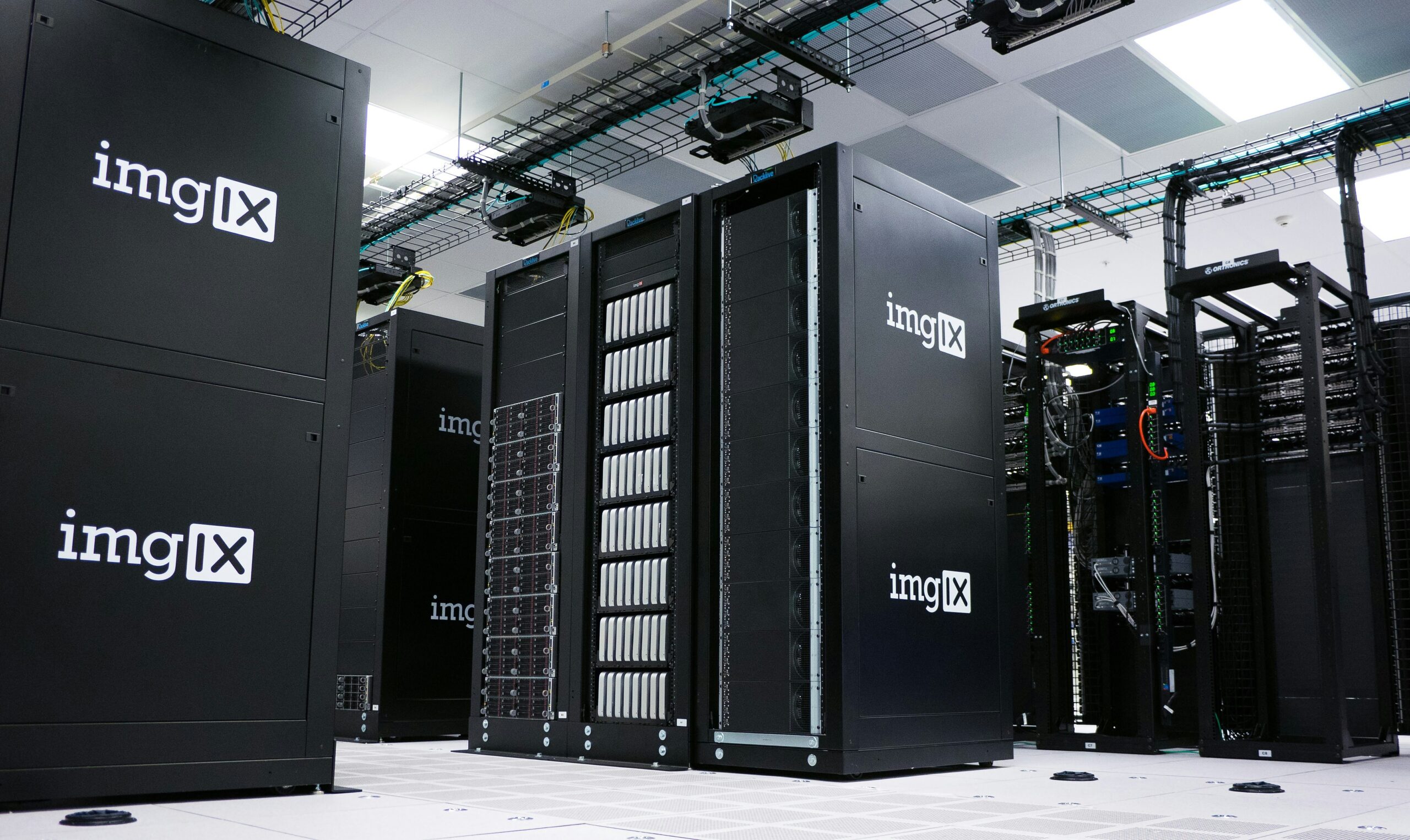
Semiconductor chips are becoming the new oil of the global economy. Discover why AI demand, Taiwan, China and the United States are reshaping global trade and geopolitical power.
Focus Keyphrase: Semiconductor chips are the new oil
Secondary Keywords: semiconductor industry, global chip supply chain, AI chip demand, Taiwan semiconductor industry, US-China technology competition, chip geopolitics, artificial intelligence economy.
🌍 The New Oil of the 21st Century Is Not Energy. It Is Semiconductors.
For decades, oil has been one of the most important strategic resources in the global economy. Access to petroleum has influenced international trade, military alliances, industrial development and diplomatic relationships. However, a major transformation is taking place in the world economy: semiconductor chips are increasingly becoming as strategically important as oil once was.
From smartphones and automobiles to artificial intelligence (AI), military equipment and telecommunications infrastructure, semiconductors are now essential to modern economic activity. Their importance extends far beyond the technology sector, influencing national security, international investment and the balance of economic power between major countries.
The growing importance of semiconductors is also changing the geography of global trade. Manufacturing capabilities are concentrated in a relatively small number of economies, while demand for advanced computing technology continues to accelerate.
As artificial intelligence investment expands, the competition for access to advanced chips is becoming one of the defining economic and geopolitical challenges of the decade.
According to recent financial and industry analysis, global semiconductor trade has even surpassed international oil and gas trade, highlighting how technological products are becoming central to the modern global economy.
Fortune +1
1. Why Semiconductor Chips Have Become Essential to the Global Economy
Semiconductors are the foundation of modern electronic devices. These small components process information, control electrical systems and enable increasingly sophisticated computing capabilities.
Their applications extend across practically every major industry.
For example:
-
Artificial intelligence: Advanced processors power AI models, data centers and cloud computing infrastructure.
-
Automotive industry: Modern vehicles depend on semiconductors for navigation, safety systems, battery management and electronic controls.
-
Telecommunications: Smartphones, wireless networks and communications infrastructure require increasingly sophisticated chips.
-
Healthcare: Medical imaging equipment, diagnostic technologies and monitoring systems depend on semiconductor components.
-
Defence: Modern military systems rely on advanced computing, radar, communications and electronic technologies.
-
Consumer electronics: Computers, televisions, gaming consoles and household appliances require semiconductor components.
This broad economic dependence explains why semiconductor shortages can affect industries that appear completely unrelated to technology.
The COVID-19 pandemic demonstrated the vulnerability of global supply chains when automobile manufacturers and electronics companies struggled to obtain sufficient semiconductor components.
Today, the challenge is becoming more complicated because the expansion of artificial intelligence is creating additional demand for increasingly powerful processors and memory chips.
The result is a growing competition for manufacturing capacity, technological expertise and access to essential materials.
2. Artificial Intelligence Is Accelerating the Global Chip Race
AI investment is transforming semiconductor demand.
Artificial intelligence has become one of the most important drivers of semiconductor industry growth.
Companies developing advanced AI systems require enormous computing capacity. This infrastructure depends on specialised processors, high-performance memory and sophisticated networking equipment.
Major technology companies are investing billions of dollars in data centres designed to support AI applications, cloud services and increasingly complex computing workloads.
Companies such as Nvidia, AMD and other chip designers have become central players in this transformation.
Meanwhile, cloud computing providers and technology giants are competing to secure access to advanced semiconductor products.
The investment cycle creates opportunities throughout the semiconductor ecosystem, including chip design, manufacturing equipment, memory production and advanced packaging.
However, it also creates potential risks.
If AI infrastructure investment grows faster than actual commercial demand, technology companies could face financial pressure. A slowdown in data-centre spending could affect semiconductor manufacturers, equipment suppliers and investors exposed to the technology sector.
The relationship between AI investment and semiconductor demand is therefore becoming an increasingly important indicator of global economic conditions.
3. Taiwan: The Strategic Centre of Global Semiconductor Manufacturing
One of the biggest geopolitical challenges surrounding semiconductor production is its geographical concentration.
Taiwan occupies an exceptionally important position in the global semiconductor supply chain.
The island is home to Taiwan Semiconductor Manufacturing Company (TSMC), one of the world's most important manufacturers of advanced semiconductor chips.
Its manufacturing capabilities are critical to numerous international technology companies, including businesses developing processors for artificial intelligence, smartphones and high-performance computing.
This concentration creates a significant strategic vulnerability.
Any major disruption affecting Taiwan's semiconductor manufacturing industry could have consequences far beyond East Asia.
Potential disruptions could include:
-
Military tensions or a regional security crisis.
-
Trade restrictions and international sanctions.
-
Natural disasters affecting manufacturing facilities.
-
Electricity or water supply interruptions.
-
Shipping disruptions and logistical constraints.
The implications would extend to technology companies, automobile manufacturers, telecommunications providers and other industries worldwide.
The Center for Strategic and International Studies and other policy institutions have repeatedly examined the strategic importance of Taiwan's semiconductor industry and its implications for international security.
The comparison with oil is particularly relevant: just as disruptions to major energy-producing regions can affect international markets, interruptions to critical semiconductor production could threaten the functioning of the digital economy.
Christian Science Monitor+1
4. United States and China: Technology Competition Is Becoming a National Security Priority
The semiconductor industry is also at the centre of the strategic competition between the United States and China.
Washington considers access to advanced semiconductor technology essential to maintaining its leadership in artificial intelligence, defence and high-performance computing.
Consequently, the United States has increasingly used export controls and technology restrictions to limit China's access to certain advanced chips and semiconductor manufacturing technologies.
China, meanwhile, is investing heavily in developing its domestic semiconductor industry.
Its long-term objective is to reduce dependence on foreign technology while strengthening domestic capabilities in chip design, manufacturing equipment and advanced production.
This competition has implications for international businesses.
Companies operating across the semiconductor supply chain must increasingly navigate export restrictions, investment screening, technology licensing requirements and geopolitical uncertainty.
Japan, South Korea, Taiwan and the Netherlands also occupy important positions in this international ecosystem through semiconductor manufacturing, memory production and specialised equipment.
The result is an increasingly complex global industry in which commercial decisions are closely connected to national security considerations.
Technology leadership is no longer simply a question of corporate profitability. It has become a major component of national economic strategy.
S&P Global+1
5. The Economic Consequences: Higher Costs and Supply Chain Vulnerabilities
The growing importance of semiconductors also creates economic risks for consumers and businesses.
When demand increases faster than manufacturing capacity, semiconductor prices can rise. These higher costs may eventually be passed on to manufacturers and consumers.
The current AI investment boom is particularly significant for the memory chip market.
High-performance memory products are essential to AI data centres, creating competition between technology companies and traditional electronics manufacturers for limited manufacturing capacity.
This could affect the prices and availability of:
-
Smartphones and computers.
-
Gaming consoles and electronic equipment.
-
Automotive components.
-
Cloud computing services.
-
Industrial machinery and automation systems.
Smaller manufacturers could face additional difficulties because they generally have less purchasing power than major technology companies.
The Wall Street Journal has also reported that the AI data-centre boom is contributing to a severe memory chip shortage, creating additional pressure on electronics manufacturers and consumers.
The Wall Street Journal
For businesses, semiconductor availability is increasingly becoming a strategic procurement issue rather than simply a technical consideration.
Companies may need to diversify suppliers, establish long-term purchasing agreements and maintain larger inventories to protect themselves against unexpected disruptions.
6. Why Governments Are Investing Billions in Domestic Chip Production
The strategic importance of semiconductors has encouraged governments to reconsider their dependence on international manufacturing networks.
The United States, European Union, Japan, South Korea and other economies are supporting domestic semiconductor investment through financial incentives, industrial policies and research programmes.
The objective is not necessarily to produce every semiconductor component domestically. Instead, governments want to reduce exposure to concentrated supply chains and strengthen their technological independence.
The United States has supported domestic manufacturing through its CHIPS and Science Act, while the European Union has introduced its European Chips Act to encourage investment in semiconductor production and research.
These initiatives reflect a broader transformation in economic policy.
For many years, international businesses prioritised production efficiency and lower manufacturing costs. Today, governments are increasingly considering supply chain resilience, national security and strategic autonomy.
However, building semiconductor manufacturing facilities is extremely expensive and technologically demanding.
Advanced fabrication plants require specialised equipment, highly trained workers, reliable electricity supplies and sophisticated industrial infrastructure.
According to McKinsey's 2026 semiconductor industry analysis, approximately $1 trillion in investment is expected across the industry through 2030.
McKinsey & Company
Even with substantial government support, establishing competitive domestic manufacturing capabilities can take years.
7. Semiconductor Chips Could Reshape Global Financial Power
The growing importance of semiconductors could also influence international financial markets and the distribution of global investment capital.
The traditional petrodollar system has historically been connected to international oil trading and the recycling of energy-export revenues into financial assets.
However, the expansion of semiconductor trade and artificial intelligence investment is creating new financial relationships between Asian technology-producing economies and American technology companies.
A recent Deutsche Bank analysis discussed the emergence of what it described as a potential "chip-dollar" system, in which semiconductor-related economic flows and Asian investment contribute to American technological and financial dominance.
Fortune+1
This development highlights an important structural change.
The global economy is increasingly influenced not only by access to natural resources but also by control over advanced technologies, intellectual property and computing infrastructure.
Nevertheless, this emerging financial relationship carries risks.
If AI investment expectations weaken, demand for advanced processors could decline. Technology company valuations and semiconductor-related investments could also become more vulnerable to market corrections.
Consequently, the growing economic influence of semiconductors does not guarantee permanent financial stability.
8. The Next Global Economic Competition Will Be About Technological Independence
The semiconductor industry is likely to remain one of the most strategically important sectors of the global economy over the coming decade.
Artificial intelligence, robotics, autonomous transportation, advanced telecommunications and defence technologies will require increasingly sophisticated computing capabilities.
This means that access to semiconductor manufacturing capacity will remain a critical competitive advantage.
For governments, the challenge will be balancing technological independence with the benefits of international cooperation.
For businesses, securing reliable access to chips could become just as important as managing energy costs, transportation networks and raw material supplies.
For investors, semiconductor companies offer exposure to long-term technological development, but they also carry significant risks associated with valuations, geopolitical tensions and cyclical demand.
The global economy is entering a period in which technological infrastructure is becoming an increasingly important source of national power.
Oil shaped international relations throughout much of the 20th century. In the 21st century, semiconductor chips may play a comparable role.
🔎 Frequently Asked Questions (FAQ)
Why are semiconductor chips called the new oil?
Semiconductors are increasingly compared with oil because they are essential inputs for modern economic activity. Just as energy supports industrial production and transportation, chips power computers, artificial intelligence, automobiles, telecommunications and defence systems.
Which country produces the most advanced semiconductor chips?
Taiwan is a leading centre of advanced semiconductor manufacturing, particularly through TSMC. South Korea is also a major producer, especially in memory chips. The United States remains highly influential in semiconductor design and essential technologies.
Why are semiconductor chips important for artificial intelligence?
AI systems require powerful processors and high-performance memory to train models and perform complex computing tasks. Data centres therefore depend on advanced semiconductors to operate efficiently.
How could a Taiwan crisis affect the global economy?
A major disruption to Taiwan's semiconductor industry could interrupt supplies of advanced chips, affecting technology companies, automobile manufacturers, telecommunications infrastructure and other industries worldwide.
Are semiconductor stocks a good long-term investment?
The semiconductor industry benefits from structural demand drivers, including AI, cloud computing and automation. However, investors must consider valuation risks, geopolitical uncertainty, competition and the cyclical nature of the technology industry.
Conclusion: Semiconductors Are Becoming a Foundation of Global Economic Power
The comparison between oil and semiconductors reflects a fundamental transformation in the global economy.
While energy remains essential, advanced computing technology is becoming an increasingly important source of economic competitiveness, national security and geopolitical influence.
The countries and companies that secure access to semiconductor technology will have significant advantages in artificial intelligence, industrial development and future technological innovation.
However, concentrated manufacturing capabilities, international tensions and growing investment requirements create substantial vulnerabilities.
The semiconductor race is therefore about much more than producing smaller and faster chips. It is about determining who will control the infrastructure, technologies and economic opportunities that shape the next generation of global development.
For governments, investors and businesses, semiconductors are no longer simply electronic components. They are strategic assets at the heart of the 21st-century economy.



0 Comments