
🌍 Trump, Xi and Putin Hold Historic Summit: Is a New World Order Emerging?
The first-ever trilateral meeting between the leaders of the United States, China and Russia highlights changing global power dynamics, nuclear security concerns and growing questions about the future of international diplomacy.
The global geopolitical landscape entered a historic moment on November 19, 2026, as US President Donald Trump, Chinese President Xi Jinping and Russian President Vladimir Putin gathered in Shenzhen, China, for their first-ever trilateral summit.
The unprecedented meeting brought together the leaders of the world's three largest nuclear powers at a time of growing international instability, economic uncertainty and competition for geopolitical influence.
Held alongside the 2026 Asia-Pacific Economic Cooperation (APEC) meetings, the summit represented more than an opportunity for diplomatic discussions. It demonstrated how international power relationships are evolving and raised important questions about whether the traditional US-led global order is giving way to a more multipolar international system.
Although the three leaders have different political interests and strategic priorities, their willingness to meet together represents a significant development in international relations.
🇺🇸🇨🇳🇷🇺 A Historic Meeting Between Three Global Powers
For decades, relations between Washington, Beijing and Moscow have been shaped by strategic competition, military tensions, economic rivalries and disagreements over international security.
The November 19 summit brought these three powers together in an unprecedented diplomatic format.
Trump presented the gathering as an opportunity to establish dialogue and explore cooperation on major international challenges. Xi Jinping benefited from hosting the meeting on Chinese territory, reinforcing Beijing's position as an increasingly influential diplomatic center.
For Putin, the summit offered an opportunity to demonstrate that Russia remains an important international power despite Western efforts to isolate Moscow following its invasion of Ukraine.
The symbolism was particularly important.
Instead of approaching international challenges through separate bilateral relationships, the three leaders participated in discussions that placed Washington, Beijing and Moscow at the same diplomatic table.
However, the meeting did not mean that their strategic disagreements had disappeared.
The United States remains concerned about China's military expansion and Russia's war in Ukraine. Beijing continues to defend its territorial claims over Taiwan, while Moscow seeks greater freedom to pursue its geopolitical objectives.
The three countries may share certain interests, but they do not necessarily share the same vision of the future international system.
☢️ Nuclear Security Becomes a Central Priority
One of the most important subjects discussed during the summit was nuclear security.
The United States, Russia and China collectively possess the world's most consequential nuclear arsenals. Their decisions regarding nuclear weapons have direct implications for international stability.
The expiration of the New Strategic Arms Reduction Treaty (New START) earlier in 2026 has further increased concerns about the future of nuclear arms control.
The treaty previously established important limitations on the strategic nuclear arsenals of Washington and Moscow. Its expiration has created additional uncertainty about whether the world's largest nuclear powers can maintain effective mechanisms for managing their military competition.
China's growing nuclear capabilities introduce another complicated dimension.
Unlike previous bilateral arrangements between Washington and Moscow, any future three-country framework would need to address China's different military capabilities, strategic objectives and position on arms-control negotiations.
Following the summit, the three governments reaffirmed that a nuclear war cannot be won and must never be fought.
They also agreed to pursue dialogue on reducing nuclear risks and preventing the proliferation of nuclear weapons.
Nevertheless, significant questions remain about how these discussions will translate into practical agreements.
Without specific commitments, verification mechanisms or a clear timetable, diplomatic declarations alone cannot guarantee meaningful reductions in nuclear dangers.
For international security policymakers, the real test will be whether the summit creates a sustainable framework for cooperation.
🇨🇳 Xi Jinping Strengthens China's Diplomatic Position
Hosting Trump and Putin provides Xi Jinping with an important diplomatic opportunity.
China has spent years expanding its economic influence, strengthening international partnerships and positioning itself as an alternative center of global power.
The summit reinforces Beijing's ambition to play a central role in international diplomacy.
By bringing the American and Russian presidents together in Shenzhen, Xi demonstrated China's ability to convene influential international leaders and facilitate discussions about global security.
This is particularly important because Beijing's relationship with Washington remains complicated by competition over advanced technology, trade, semiconductors, military influence and Taiwan.
China also maintains a close strategic partnership with Russia.
However, Beijing must balance its relationship with Moscow against its extensive economic connections with the United States and other Western economies.
The Chinese leadership therefore has an incentive to maintain diplomatic flexibility.
The summit allows Xi to present China as a major international power capable of participating in discussions about nuclear security, energy supplies and the future of global institutions.
For investors and policymakers, this development reinforces the importance of understanding China's growing influence beyond trade and manufacturing.
🇷🇺 Putin's Diplomatic Return to the International Stage
For Vladimir Putin, the meeting represents an important diplomatic opportunity.
Russia has faced extensive international criticism and Western sanctions since launching its full-scale invasion of Ukraine in February 2022.
Nevertheless, Moscow continues to maintain significant military, energy and diplomatic influence.
Putin's participation alongside the American and Chinese presidents demonstrates that Russia remains relevant to discussions involving global security.
The summit also highlights the complicated relationship between Washington and Moscow under Trump's administration.
Trump has repeatedly expressed interest in negotiating an end to the war in Ukraine, while Putin continues to pursue Russia's strategic objectives.
According to reporting surrounding the meeting, Trump and Putin also discussed Ukraine during their bilateral discussions.
However, the available public information does not establish that the summit produced a concrete breakthrough toward ending the conflict.
For European governments and NATO members, Putin's participation in a high-profile diplomatic gathering raises important questions about the future of Western policy toward Russia.
Diplomatic engagement may create opportunities for negotiations, but it does not automatically resolve disagreements over territorial sovereignty, European security or the future of Ukraine.
🛢️ Energy Markets and International Economic Implications
Energy security was another important subject in the summit's reported outcome.
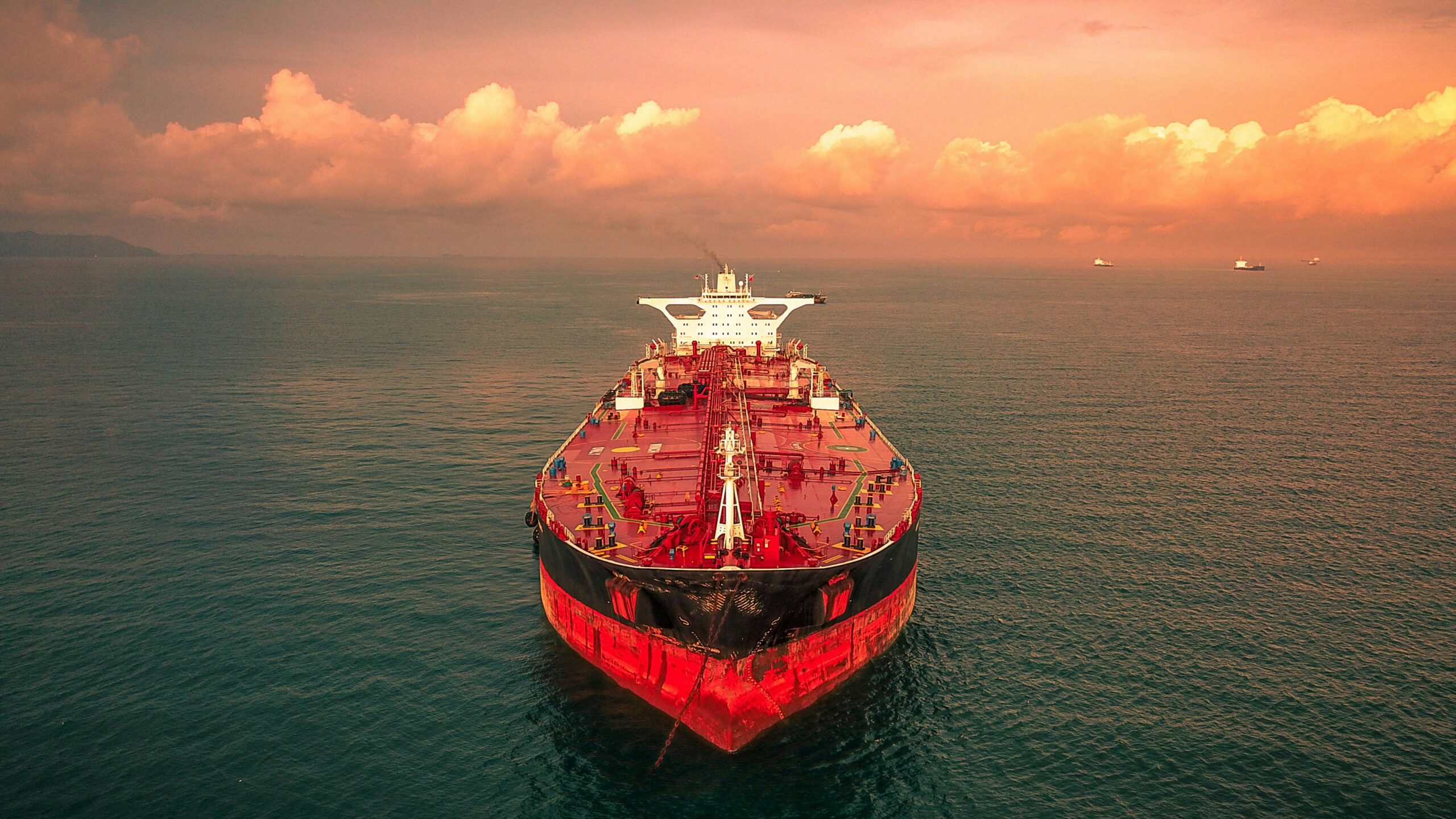
The three countries supported increasing the production and supply of refined petroleum products, emphasizing the importance of stable energy flows and international energy security.
This commitment deserves attention because the global energy market remains vulnerable to geopolitical tensions, military conflicts and disruptions to international trade routes.
The United States remains one of the world's most important energy producers. Russia is a major international energy exporter, while China is one of the largest energy consumers.
Their decisions can influence global petroleum markets, industrial production, transportation costs and inflation.
However, a declaration supporting greater refined-petroleum supplies does not automatically mean that the three governments will establish a coordinated energy policy.
Commercial competition, sanctions, export restrictions and national energy strategies will continue to influence their respective decisions.
For international investors, the summit reinforces the connection between geopolitics and energy prices.
Developments involving Washington, Beijing and Moscow could have consequences for oil markets, energy infrastructure, shipping and global manufacturing.
🌐The United Nations and the Future of International Institutions
The summit also addressed the future of international institutions.
The United States, China and Russia are all permanent members of the United Nations Security Council.
Their governments expressed support for reforming the United Nations so that it can respond more effectively to global challenges and fulfill its international peace and security responsibilities.
The three countries also emphasized the importance of state consent and immunity for government officials, expressing opposition to what they described as abuses of jurisdiction by the International Criminal Court and similar institutions.
These positions reveal another important dimension of the meeting.
The world's major powers are increasingly interested in determining how international institutions operate and how much authority they should exercise over national governments.
However, institutional reform remains complicated.
Different countries have competing interests regarding international law, national sovereignty, accountability and the enforcement of international decisions.
Whether the summit's declarations eventually produce meaningful institutional changes remains uncertain.
⚖️ A New Multipolar World or a Temporary Diplomatic Partnership?
Perhaps the most important question emerging from the Shenzhen summit concerns the future structure of international power.
For much of the period following the Cold War, the United States enjoyed an unusually influential position in global economic, military and diplomatic affairs.
Today, that environment is changing.
China has become a major economic and technological competitor to Washington. Russia continues to exercise military and geopolitical influence, particularly across Eurasia and energy markets.
Other major economies, including India, Japan and European countries, are also seeking to protect their strategic interests in an increasingly complicated international environment.
The Trump-Xi-Putin summit illustrates the possibility of a more multipolar world in which several major powers negotiate directly over international security and economic questions.
However, a multipolar system does not necessarily mean a more peaceful world.
Competition between powerful countries can create additional uncertainty, particularly when their territorial ambitions, military priorities and economic interests conflict.
The three leaders also maintain sharply different positions on important international issues.
Russia wants Washington to avoid interfering in its objectives in Ukraine. China expects the United States to respect its position on Taiwan. Meanwhile, Trump's administration has emphasized limiting Chinese and Russian influence in the Western Hemisphere through its own regional strategy.
These disagreements demonstrate why the summit should not be interpreted as the creation of a permanent alliance between the three countries.
Their cooperation may be selective, transactional and dependent on individual geopolitical circumstances.
📊 What the Summit Means for Global Investors and Businesses
The meeting also carries implications beyond international diplomacy.
Businesses and investors increasingly operate in an environment where geopolitical decisions can influence supply chains, energy costs, financial markets and international trade.
Three major areas deserve attention:
1. Energy and commodities
Any changes in relations between the United States, Russia and China could influence international energy policies, petroleum supplies and commodity markets.
2. Technology and industrial competition
Competition involving semiconductors, artificial intelligence, advanced manufacturing and strategic technologies remains an important source of tension between major powers.
3. International trade and investment
Diplomatic engagement could create opportunities for improved economic relations, but unresolved strategic disagreements may continue to influence investment decisions and international business confidence.
Investors should therefore distinguish between diplomatic announcements and concrete policy developments.
A historic summit may influence expectations, but long-term economic consequences depend on implementation, government decisions and broader market conditions.
🔎 Conclusion: A Historic Summit With Uncertain Consequences
The November 19, 2026, meeting between Donald Trump, Xi Jinping and Vladimir Putin represents an important moment in modern international diplomacy.
For the first time, the leaders of the United States, China and Russia agreed in a trilateral format to discuss issues affecting global security and the international political system.
Their declarations on nuclear security, energy supplies, United Nations reform and international sovereignty demonstrate that areas of cooperation remain possible despite substantial geopolitical disagreements.
However, the summit also highlights the limits of diplomatic symbolism.
The future of Ukraine, tensions surrounding Taiwan, nuclear competition and the rivalry between Washington and Beijing remain unresolved.
Ultimately, the significance of this meeting will depend on what happens after the leaders leave Shenzhen.
If their discussions lead to concrete agreements, the summit could become an important milestone in international diplomacy. If implementation fails to follow, it may be remembered primarily as a powerful diplomatic image rather than a turning point in global politics.
One thing is clear: the relationship between Washington, Beijing and Moscow will remain central to understanding the future of international security, economic stability and the evolving world order.


0 Comments