
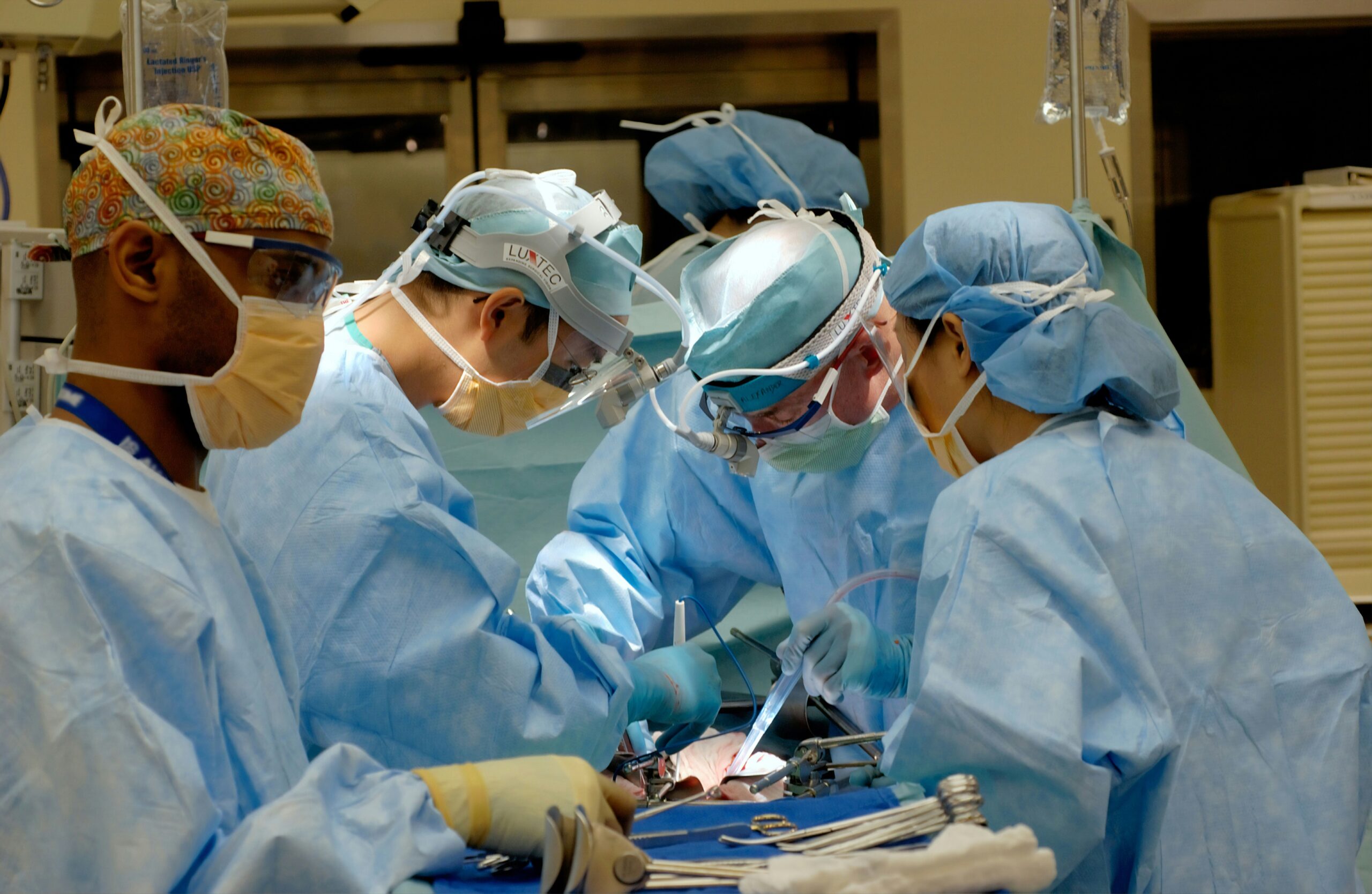
Vietnam's Tam Anh Hospital completes an exclusive Japanese stem cell and immune cell technology transfer, opening new opportunities in cancer treatment and regenerative medicine.
Focus Keyword: Vietnam cell therapy technology
Secondary Keywords: Japan-Vietnam healthcare cooperation, cancer treatment in Vietnam, stem cell therapy, natural killer cell therapy, regenerative medicine, Vietnamese healthcare innovation, medical tourism Vietnam.
🇻🇳 Vietnam Strengthens Its Healthcare Industry Through Japanese Biotechnology Transfer
Vietnam is taking another significant step toward modernizing its healthcare industry after Tam Anh General Hospital completed an exclusive technology transfer agreement with Japan's Grandsoul Medical Group covering advanced stem cell and immune cell technologies.
Announced on November 9, 2026, during a high-level Vietnamese delegation's visit to Japan, the agreement represents an important development in bilateral medical cooperation. It also supports Vietnam's broader ambition to strengthen its domestic capabilities in biotechnology, regenerative medicine, and advanced cancer treatment.
The technology transfer focuses on two areas: natural killer (NK) immune cell therapy and mesenchymal stem cell (MSC) technology. Both are increasingly important research fields in modern medicine, particularly in cancer immunotherapy, tissue repair, and the management of certain chronic conditions.
For Vietnam, the agreement represents more than the acquisition of specialized medical equipment or laboratory procedures. It involves transferring technical knowledge, cell-processing capabilities, quality-control systems, and professional expertise from Japan.
The announcement was witnessed by Vietnamese Party General Secretary and President To Lam and senior officials from both countries, highlighting the strategic importance of healthcare cooperation between the two Asian economies.
🧬 Two Advanced Technologies Could Expand Vietnam's Medical Capabilities
The agreement between Tam Anh General Hospital and Grandsoul Medical Group focuses on two major cell-based technologies.
1. Natural Killer Cells: A New Direction in Cancer Immunotherapy
Natural killer cells, commonly known as NK cells, are an important component of the human immune system.
These specialized immune cells help identify and eliminate abnormal cells, including certain cancer cells, as part of the body's natural defense mechanisms.
Under the transferred technology, immune cells are collected from a patient's blood, isolated, cultivated, expanded, and prepared under specialized laboratory conditions before being returned to the patient.
The objective is to develop cell-based treatment capabilities that could complement existing cancer therapies.
Potential research and treatment applications include several cancer types:
-
Breast cancer
-
Lung cancer
-
Stomach cancer
-
Colorectal cancer
-
Kidney cancer
-
Bladder cancer
NK cell therapy is attracting international scientific interest because it offers another approach to cancer immunotherapy.
However, its effectiveness varies depending on cancer type, treatment protocol, and clinical circumstances. It should not be considered a universal cancer cure or a replacement for established oncology treatments.
Instead, it may provide an additional component within multidisciplinary cancer care, alongside surgery, chemotherapy, radiotherapy, and targeted therapies.
2. Mesenchymal Stem Cells: Expanding Regenerative Medicine Research
The second technology involves mesenchymal stem cells, or MSCs, derived from adipose tissue.
These cells have attracted considerable attention from researchers because of their potential roles in regulating immune responses, supporting tissue repair, and influencing inflammatory processes.
The Japanese technology transfer covers procedures for processing adipose tissue, isolating stem cells, expanding cell populations, and evaluating their quality.
Researchers are investigating potential MSC applications in several medical fields, including:
-
Cardiovascular conditions
-
Neurological disorders
-
Stroke recovery
-
Dementia-related research
-
Diabetes
-
Chronic obstructive pulmonary disease (COPD)
-
Certain dermatological applications
The technology could help Vietnam strengthen its domestic research and clinical infrastructure for regenerative medicine.
Nevertheless, scientific interest should be distinguished from established clinical effectiveness. Many MSC applications remain under investigation, and their approval, safety, and effectiveness depend on the specific medical condition and regulatory framework.
🇯🇵 Why Japan Is an Important Partner in Vietnam's Healthcare Development
Japan has developed a strong international reputation in regenerative medicine, biotechnology, and advanced medical research.
Its scientific contributions to stem cell research and cancer immunotherapy have helped shape important developments in modern medicine.
For Vietnam, cooperation with Japanese medical institutions offers an opportunity to accelerate the development of specialized healthcare capabilities without relying exclusively on domestic research and development.
Grandsoul Medical Group selected Tam Anh as its exclusive Vietnamese partner for the comprehensive technology transfer following an assessment of medical infrastructure, professional expertise, and laboratory capabilities.
The cooperation also involves transferring practical knowledge and operational procedures.
According to the hospital, Japanese specialists assessed its laboratory facilities, equipment, cell-processing procedures, and quality-management systems before completing the transfer.
The project included training Vietnamese personnel in Japan and technical support from Japanese experts in Vietnam.
This approach is particularly important because cell-based medical technologies require sophisticated laboratory environments, strict contamination controls, and consistent quality assurance.
The agreement therefore represents a broader transfer of medical expertise rather than simply introducing a new treatment method.
🏥 Tam Anh Hospital's Investment in High-Tech Healthcare
Tam Anh General Hospital has been developing its capabilities in advanced medical treatment and specialized healthcare services.
The hospital established a tissue and umbilical cord blood bank, licensed by Vietnam's Ministry of Health in 2019, before expanding its Center for Regenerative Medicine and Cell Therapy.
Its wider medical infrastructure includes advanced diagnostic imaging, molecular diagnostics, robotic surgery, and multidisciplinary cancer treatment services.
The hospital also operates robotic surgical systems and offers different oncology treatment approaches, including chemotherapy, targeted therapy, and immunotherapy.
According to information provided by the hospital, the transferred cell technologies are intended for application across five facilities in Hanoi and Ho Chi Minh City.
Together, these facilities handle more than 10,000 patient visits daily.
This scale could provide an important foundation for expanding access to advanced healthcare services, although the timing and availability of individual cell-based treatments will depend on clinical implementation and regulatory requirements.
📊 Vietnam's Growing Cancer and Chronic Disease Burden
The technology transfer comes as Vietnam faces increasing pressure to strengthen its healthcare system.
According to figures cited in the announcement, Vietnam records approximately 180,000 new cancer cases and more than 120,000 cancer-related deaths annually.
The country also faces significant challenges involving cardiovascular disease, diabetes, neurological disorders, and other chronic conditions.
An aging population, changing lifestyles, and the increasing prevalence of noncommunicable diseases are creating additional demand for specialized healthcare services.
This situation makes investments in medical research, diagnostic technologies, and advanced treatment infrastructure increasingly important.
Vietnam's healthcare modernization strategy is therefore not simply about introducing sophisticated medical technologies. It also involves building a stronger domestic medical workforce, improving treatment capacity, and developing research partnerships with international institutions.
The transfer of Japanese cell technologies supports these broader objectives.
🌏 Medical Tourism Could Become Another Growth Opportunity for Vietnam
The agreement could also have implications beyond domestic healthcare.
Vietnam has been developing its medical tourism industry as part of a broader strategy to attract international visitors and generate higher-value services.
Countries across Asia are competing to attract patients seeking specialized medical treatment, advanced diagnostics, and more accessible healthcare services.
Vietnam has several potential advantages, including competitive operating costs, an expanding private hospital sector, and geographical proximity to major Asian markets.
If advanced cell-based medical services become available under appropriate regulatory and clinical standards, they could contribute to the country's attractiveness as a regional healthcare destination.
However, international patients will also evaluate treatment outcomes, physician qualifications, patient safety, regulatory oversight, and transparent pricing.
The successful development of medical tourism will therefore require more than advanced laboratory technology. It will depend on building international confidence in the quality and reliability of Vietnamese healthcare institutions.
For Tam Anh, cooperation with a Japanese medical technology partner could strengthen its position in this competitive market.
🔬 Clinical Evidence and Patient Safety Remain Essential
Despite the potential benefits of cell-based technologies, their clinical applications require careful evaluation.
Stem cell and immune cell treatments are complex medical interventions. Their effectiveness can vary significantly depending on the disease, cell characteristics, processing methods, and treatment protocols.
In particular, patients should distinguish between established medical applications, treatments supported by clinical evidence, and experimental approaches still being investigated.
The transfer of technology from Japan does not automatically mean that every potential application is approved for routine treatment in Vietnam.
Regulatory authorization, clinical evidence, appropriate patient selection, and long-term monitoring remain essential.
The introduction of these technologies should therefore be viewed as an opportunity to expand medical research and treatment capabilities rather than an immediate solution to every cancer or chronic disease.
For patients, consultation with qualified oncology or medical specialists remains essential before considering any cell-based intervention.
🇻🇳 Vietnam's Healthcare Industry Enters a New Phase of Technological Development
Vietnam's agreement with Japan's Grandsoul Medical Group highlights the growing importance of international cooperation in advanced healthcare.
The transfer of NK immune cell and MSC technologies provides Tam Anh General Hospital with additional capabilities in cell processing, regenerative medicine, and cancer-related research and treatment development.
More broadly, the initiative reflects Vietnam's ambition to move beyond conventional healthcare services toward a more technologically advanced medical industry.
The next challenge will be translating transferred expertise into safe, clinically appropriate, and accessible healthcare services.
As Vietnam continues investing in biotechnology, medical infrastructure, and international partnerships, developments such as this could help strengthen its position within Asia's expanding healthcare industry.
For international observers, the agreement offers another example of how Vietnam is seeking to transform its economy through higher-value industries, scientific cooperation, and advanced technology.
The long-term success of this initiative will ultimately depend on clinical outcomes, regulatory oversight, research progress, and the ability to make advanced medical services accessible to patients.
Frequently Asked Questions (FAQ)
1. What Japanese medical technology has Vietnam received?
Tam Anh General Hospital has completed an exclusive technology transfer from Japan's Grandsoul Medical Group covering natural killer (NK) immune cell technology and mesenchymal stem cell (MSC) technology.
2. How could NK cell therapy help cancer patients?
NK cells are part of the immune system and can recognize and attack certain abnormal cells. NK cell-based treatments are being investigated as an additional approach to cancer immunotherapy.
3. What are mesenchymal stem cells used for?
MSCs are being researched for their potential applications in tissue repair, immune regulation, and several chronic medical conditions. Their effectiveness varies by condition, and many applications remain under clinical investigation.
4. Which Vietnamese hospital received the technology?
Tam Anh General Hospital Group received the exclusive technology transfer from Japan's Grandsoul Medical Group.
5. Could this development strengthen medical tourism in Vietnam?
Potentially. Advanced healthcare capabilities could attract international patients, provided that clinical outcomes, safety standards, regulatory approval, and treatment accessibility meet international expectations.
Source References:
-
VnExpress International: https://e.vnexpress.net/news/news/vietnamese-hospital-receives-japanese-cell-therapy-technology-for-cancer-and-chronic-disease-treatment-5143056.html
-
Vietnam Government News: https://en.baochinhphu.vn/viet-nam-and-japan-complete-transfer-of-first-strategic-health-technology-111261110110020649.htm
Editorial Disclaimer: This article is intended for informational and educational purposes. It does not constitute medical advice, diagnosis, or treatment recommendations. Cell-based therapies have different levels of clinical evidence and regulatory approval depending on their applications. Patients should consult qualified healthcare professionals before considering treatment.



0 Comments