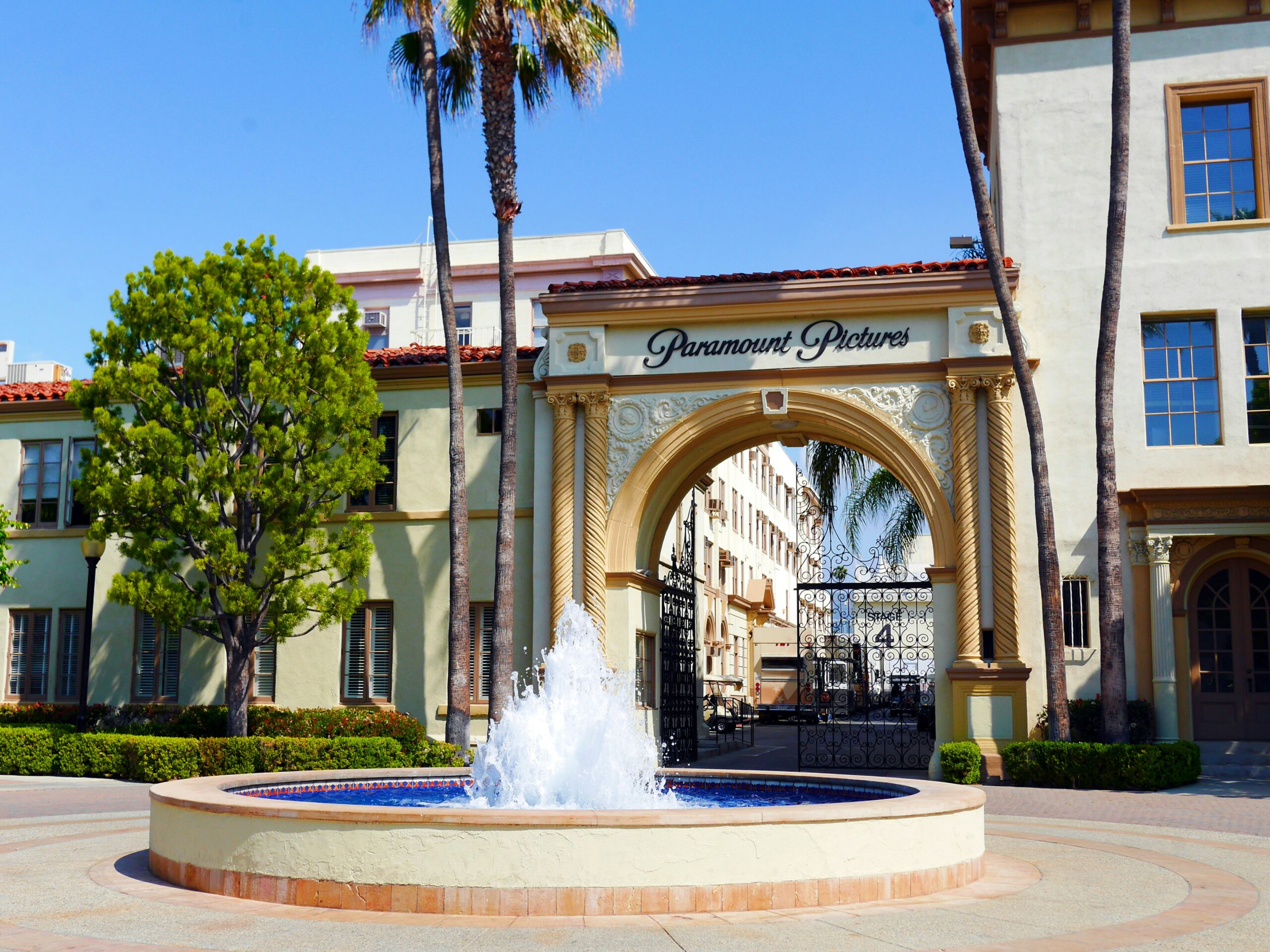
David Ellison Ends Paramount’s California Standoff as Warner Bros. Merger Moves Toward Closing
David Ellison has reached a major settlement with California and other states, removing a key legal obstacle to Paramount Skydance’s planned acquisition of Warner Bros. Discovery. The agreement could allow the roughly $81 billion transaction to close within weeks while keeping Paramount’s operations in Los Angeles.
The long-running standoff between Paramount Skydance Chief Executive David Ellison and California Attorney General Rob Bonta has ended with a settlement that clears an important path for one of Hollywood’s largest proposed mergers.
The agreement, announced Monday, September 21, resolves an antitrust lawsuit brought by California and 11 other states seeking to block Paramount’s acquisition of Warner Bros. Discovery. The settlement includes commitments involving domestic film production, entertainment workers, news operations and potential penalties if Paramount fails to meet certain obligations.
For Ellison, the agreement represents a critical breakthrough after months of legal uncertainty surrounding the proposed Warner Bros. Discovery transaction.
Paramount-Warner Bros. Deal Moves Closer to Completion
Paramount Skydance has been pursuing Warner Bros. Discovery in a transaction valued at approximately $81 billion. The proposed merger would bring together major Hollywood studios, streaming platforms and television networks under one corporate structure.
The deal had faced significant regulatory and legal challenges, particularly after California and other states filed an antitrust lawsuit seeking to prevent the transaction.
The settlement now removes that lawsuit as a major barrier to completing the merger.
Paramount expects the transaction to close in approximately two weeks, according to people familiar with the timing. That would help the company avoid significant additional costs associated with delays.
Why California Became So Important
California’s opposition created a particularly difficult problem for Paramount because the company has deep historical and economic ties to Los Angeles.
Paramount had indicated that it could consider moving operations outside California if the legal dispute prevented the merger from moving forward. The possibility of such a move generated concern among local officials, entertainment workers and other businesses connected to Hollywood.
California Governor Gavin Newsom was also involved in efforts surrounding the dispute, with people familiar with the discussions saying he expressed concerns about the potential economic consequences of Paramount leaving the state.
The settlement ultimately allows Paramount to remain based in Los Angeles.
Ellison said the company would remain in California, stating: “We aren’t going anywhere.”
$1.5 Billion Commitment to Domestic Production
One of the most important concessions from Paramount involves additional investment in U.S. entertainment production.
Ellison offered to spend at least $1.5 billion more on domestic production over five years, according to people familiar with the negotiations.
The commitment became a major part of the negotiations between Paramount and the states.
The agreement also includes provisions designed to protect entertainment-industry workers and support production activity in the United States.
The settlement is court-enforceable and extends for several years, giving the states mechanisms to monitor Paramount’s compliance.
Paramount Avoids Major Structural Changes
A significant feature of the settlement is what Paramount did not have to give up.
California and other states had previously pushed for substantial changes to the proposed combination. Negotiators discussed potential divestitures involving cable networks, including CNN.
Paramount ultimately resisted those demands.
Under the final agreement, the company does not have to immediately sell major cable assets. However, it could face asset divestitures in the future if it fails to meet certain commitments.
Potential assets that could be affected include some cable networks or Paramount’s stake in Miramax.
This structure gives Paramount greater flexibility while giving regulators additional enforcement mechanisms.
30 Movies a Year Commitment
Another important element of Ellison’s strategy has been a commitment to theatrical movie production.
Paramount has promised to release at least 30 films a year in theaters after the merger.
That commitment has attracted attention across Hollywood because the economics of theatrical film production have changed substantially in recent years.
Streaming competition, changing consumer behavior and increasing production costs have pressured traditional studios to reconsider how many movies they produce and how they distribute them.
The 30-film commitment has therefore become an important part of Paramount’s argument that the combined company will continue investing in traditional Hollywood production.
The Pressure Was Growing on Both Sides
The settlement came after months of increasingly intense negotiations.
Paramount faced a financial deadline because the company had agreed to pay Warner shareholders approximately $650 million per quarter, or about $7 million a day, beginning October 1 if the transaction remained incomplete.
At the same time, California faced the prospect of Paramount potentially moving some operations out of the state.
That created competing pressures for both sides.
Hollywood organizations, labor groups, local officials and other industry participants also became increasingly involved in the debate.
The entertainment industry has already experienced significant disruption from the COVID-19 pandemic, the 2023 Hollywood strikes and the relocation of production to other jurisdictions offering financial incentives.
What the Deal Means for Hollywood
If completed, the Paramount-Warner Bros. combination would create one of the most consequential media companies in the entertainment industry.
The combined company would bring together major film studios, television networks and streaming services including Paramount+ and HBO Max.
It would also give Ellison control of a much larger entertainment operation at a time when traditional media companies are trying to compete with technology companies such as Netflix and Amazon.
The merger therefore goes beyond a conventional corporate acquisition. It reflects the continuing consolidation of Hollywood as media companies attempt to build larger libraries, streaming platforms and global entertainment businesses.
What Comes Next for David Ellison
The settlement removes a major legal obstacle, but completing the merger will still require substantial work.
Paramount has indicated that the transaction could close in approximately two weeks. Once completed, Ellison will face the challenge of integrating two major entertainment businesses while managing the financial obligations created by the transaction.
The combined company is also expected to carry significant debt, making cash flow from television, streaming, film production and other businesses particularly important.
The settlement gives Ellison a clearer path toward completing the transaction, but the larger business challenge will begin after the merger closes.
A Major Turning Point for Paramount and Hollywood
David Ellison’s settlement with California represents a significant turning point in Paramount’s pursuit of Warner Bros. Discovery.
Instead of forcing major immediate structural changes, the agreement focuses on commitments involving U.S. production, entertainment workers, theatrical releases and corporate behavior.
For California, the agreement also reduces the immediate threat of Paramount leaving Los Angeles.
For Paramount, the settlement could finally allow Ellison to complete the acquisition he has spent months pursuing.
The next stage will be watching how the combined company operates after closing — and whether Ellison can deliver on the production, employment and entertainment commitments that helped bring the legal dispute to an end.
Key Takeaways
- Paramount Skydance: David Ellison reached a settlement with California and 11 other states.
- Warner Bros. Discovery: The agreement clears a major legal obstacle to the proposed merger.
- Deal value: The transaction has been reported at roughly $81 billion.
- U.S. production: Paramount committed at least $1.5 billion in additional domestic production investment over five years.
- Hollywood: Paramount will remain based in Los Angeles under the settlement.
- Movies: The company has committed to releasing at least 30 theatrical films annually.
- Regulatory enforcement: Paramount could face asset divestitures if it fails to meet certain commitments.
- Next step: Paramount expects the merger to close in approximately two weeks.
SEO Keywords: David Ellison, Paramount Skydance, Warner Bros Discovery merger, Paramount Warner Bros merger, Hollywood merger 2026, California Paramount settlement, Rob Bonta Paramount, Paramount acquisition, Warner Bros Discovery acquisition, David Ellison Warner Bros, Hollywood media industry, Paramount Los Angeles
Sources: The Wall Street Journal — How David Ellison Ended His Stalemate With California · The Wall Street Journal — Paramount Settles States’ Antitrust Suit · Los Angeles Times — Paramount, Attorneys General Settle Lawsuit




0 Comments