
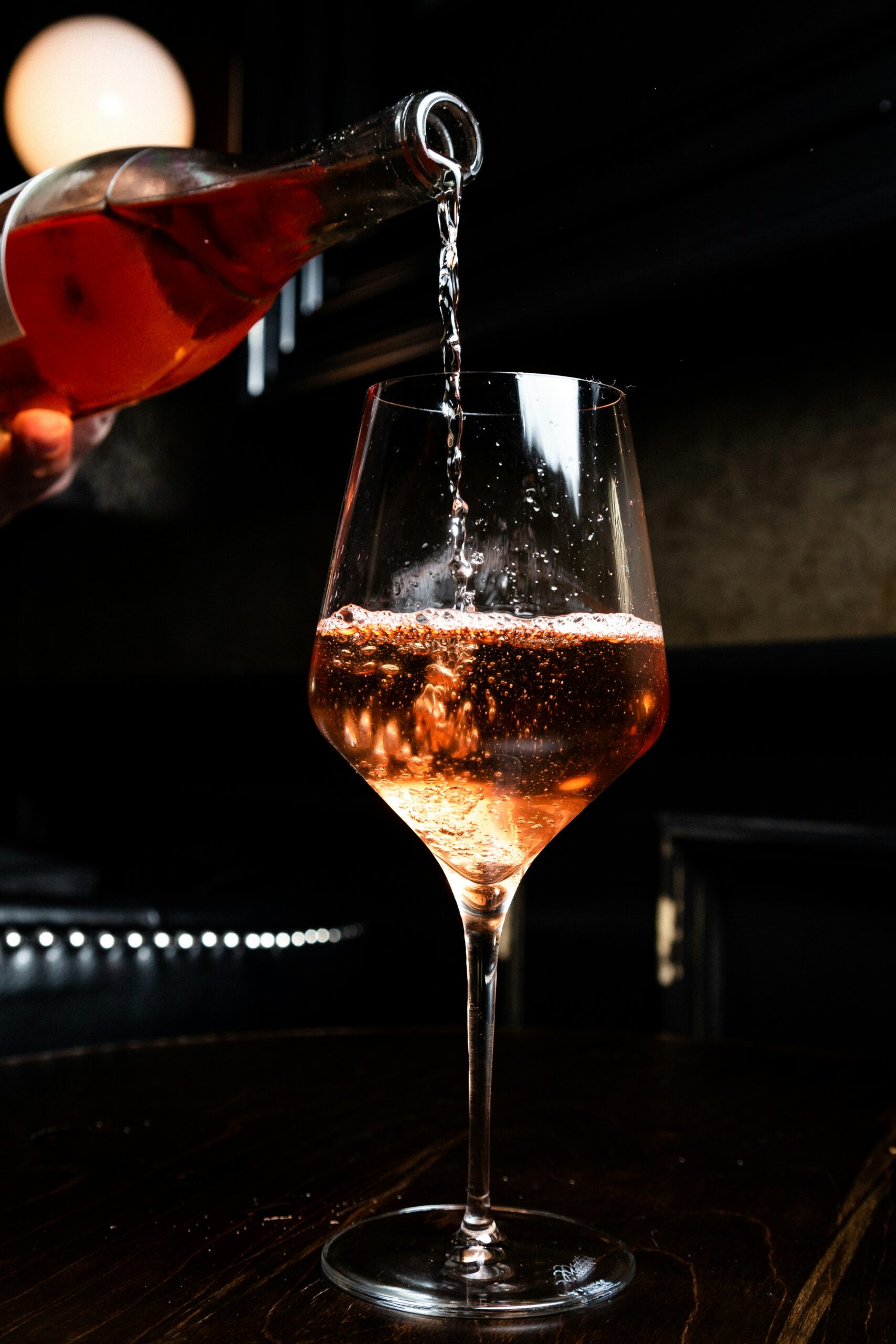
France’s Wine Production Nears a 70-Year Low as Heatwaves and Drought Reshape the Industry 🍷🇫🇷
France’s world-famous wine industry is facing one of its most difficult harvests in decades as extreme heat, drought and shrinking vineyard acreage push 2026 wine production toward a potential 70-year low.
France is confronting a major challenge for one of its most recognizable agricultural industries. A record-hot summer and severe drought have damaged vineyards across several major wine regions, forcing producers to deal with smaller harvests, earlier picking dates and rising costs.
The French Agriculture Ministry estimates that national wine production in 2026 will reach approximately 34 million hectolitres, down 6% from 2025 and 17% below the 2021–2025 average.
The situation is particularly significant because wine is not simply an agricultural commodity in France. It is closely connected to the country's tourism industry, exports, regional economies, gastronomy and cultural identity.
🍇 France Faces a Historically Small Wine Harvest
France's 2026 wine harvest is expected to be among the smallest in modern history.
Current estimates indicate production could fall to levels not seen since the late 1950s if the final figures confirm the early forecasts. The decline comes after several difficult harvests, making the latest downturn part of a broader period of pressure on French vineyards.
The French Agriculture Ministry says the decline reflects two major factors: a reduction in productive vineyard acreage and weather-related damage to yields, particularly from drought and summer heatwaves.
That combination is important. French wine producers are not only harvesting fewer grapes from existing vineyards; the overall area being cultivated has also declined.
☀️ Extreme Heat Is Changing the Wine Calendar
One of the most visible changes is the timing of the grape harvest.
France experienced exceptionally hot conditions during the summer, accelerating the development of grapevines and forcing many producers to begin harvesting unusually early.
Reporting from Le Monde found that vineyards across France were recording historically early harvests, with some estates beginning to pick grapes weeks earlier than in previous years.
Earlier harvesting can create opportunities for winemakers, but it also reflects a fundamental change in the growing environment.
High temperatures can accelerate ripening while drought reduces the amount of water available to vines. Grapes can become smaller and contain less juice, reducing total production even when the fruit reaches maturity quickly.
For wine producers, the challenge is therefore not simply when to harvest. It is whether vineyards can maintain sufficient yields and quality under increasingly stressful conditions.
🍾 Champagne and Burgundy Among the Hardest-Hit Regions
The impact varies significantly across France.
Some of the country's most famous wine-producing areas have experienced substantial declines.
Champagne has been particularly affected, with early estimates indicating that yields could be roughly half of the previous year's level. Burgundy and Beaujolais have also suffered significant reductions.
Yet lower production does not automatically mean lower wine quality.
In Champagne, industry representatives have indicated that the unusual growing conditions could potentially produce very high-quality wines despite the dramatically smaller harvest.
The unusually hot season resulted in grapes with high sugar concentrations, creating conditions that could produce wines with distinctive characteristics.
That illustrates one of the unusual realities of the 2026 French wine harvest: quantity and quality are not necessarily moving in the same direction.
🍷 Burgundy Producer Reports Half-Sized Harvest
The pressure is also evident in Burgundy.
Florent Latour, CEO of Maison Louis Latour, told CNBC that the Burgundy producer had hoped for additional rainfall during the summer. Instead, the company ultimately had to accept a harvest of approximately half its potential size while focusing on quality.
For major producers, lower yields can have significant financial consequences.
A vineyard still requires workers, equipment, land and maintenance regardless of whether it produces a normal harvest. When production falls sharply, many costs remain while the amount of wine available for sale decreases.
That creates an increasingly difficult economic equation for producers already facing changes in consumer demand and higher adaptation costs.
🌡️ Climate Change Is Creating New Challenges for French Vineyards
The 2026 harvest is also raising broader questions about the future of French wine.
Historically, France's major wine regions developed around relatively specific combinations of climate, soil, grape varieties and traditional production methods.
But rising temperatures are changing those conditions.
Heatwaves can arrive earlier and last longer. Drought can reduce water availability. Extreme storms and hail can damage vineyards. Wildfires can also create risks for vineyards located near affected areas.
French winemakers are consequently facing a difficult question: how much can traditional wine production adapt to a rapidly changing climate?
Some producers are already experimenting with different vineyard-management techniques, grape varieties and harvesting strategies.
Others are calling for greater flexibility in the rules governing protected wine appellations.
💶 Financial Pressure Is Growing on Wine Producers
Climate stress is arriving at a difficult time for parts of France's wine industry.
Some producers are already struggling with weaker demand, changing consumer habits and excess vineyard capacity.
The combination of lower demand and climate-related production problems can create a damaging cycle.
When consumers buy less wine, producers may need to reduce production. When extreme weather then reduces yields further, fixed costs become harder to spread across the smaller amount of wine produced.
The French government has also taken steps to provide support to farmers affected by drought and extreme weather, with more than €1 billion in assistance announced for drought-stricken agricultural producers.
For the wine industry, however, financial assistance can only address part of the problem.
The deeper issue is how vineyards should be managed over the coming decades.
🌍 France May Need to Look Beyond Traditional Wine Markets
French wine producers are also looking toward international markets for future growth.
Maison Louis Latour's Florent Latour told CNBC that markets including South America, Brazil and Africa could offer opportunities as producers look for younger consumers and new sources of demand.
That could become increasingly important as traditional European wine consumption patterns change.
For French producers, international diversification could help offset weaker demand in established markets while giving premium wine brands access to expanding consumer populations.
However, exporting more wine does not solve the fundamental agricultural problem.
France still needs enough grapes to produce the wine in the first place.
🏞️ What the Crisis Means for French Wine Tourism
The consequences extend beyond vineyards and wineries.
Wine tourism is an important part of France's broader travel economy, connecting visitors with destinations such as Bordeaux, Burgundy, Champagne, Provence and the Loire Valley.
Wine routes, vineyard tours, tasting experiences, restaurants and luxury hospitality all benefit from France's global wine reputation.
A prolonged reduction in production could therefore affect regional tourism businesses as well as agricultural producers.
At the same time, climate change could alter the tourism calendar. Earlier harvests could create new opportunities for visitors who want to experience grape harvesting, while extreme summer temperatures could make some outdoor tourism activities more challenging.
For international travelers, French wine regions may increasingly become destinations where agriculture, climate adaptation and tourism intersect.
🍇 Could French Wine Become More Expensive?
A smaller harvest does not automatically translate into higher retail prices, but reduced supply can create pricing pressure.
If production remains significantly below historical averages, producers may have less wine available to distribute domestically and internationally.
Premium producers may be particularly able to maintain prices if demand remains strong, while smaller producers could face a more complicated situation involving lower volumes and rising production costs.
Consumers should therefore expect the economic consequences of the 2026 harvest to vary considerably by region, producer, grape variety and wine category.
🔄 France's Wine Industry Is Entering a New Era
The 2026 harvest may ultimately prove to be more than another difficult year for French agriculture.
It highlights a structural challenge facing one of the world's most important wine-producing countries.
France must balance tradition, climate adaptation, consumer demand, international competition and economic sustainability.
The Agriculture Ministry's current estimate of roughly 34 million hectolitres underscores the scale of the problem. Production is expected to be 17% below the 2021–2025 average, while several major regions are reporting particularly severe losses.
Yet French winemakers are not simply abandoning the industry.
Many are adapting vineyard practices, exploring new markets and looking for ways to preserve quality under increasingly difficult environmental conditions.
The future of French wine may therefore depend on the industry's ability to change without losing the characteristics that made its wines globally recognized in the first place.
❓ FAQ: France Wine Production in 2026
Why is French wine production falling in 2026?
The main factors include severe drought, extreme summer heat, weather-related vineyard damage and a reduction in productive vineyard acreage. France's Agriculture Ministry estimates 2026 production at approximately 34 million hectolitres.
Is France's 2026 wine harvest the lowest in decades?
Current forecasts suggest that production could reach its lowest level in roughly seven decades if the estimates are confirmed. Other reporting has described the harvest as potentially the smallest since 1957.
Which French wine regions have been hit hardest?
Champagne, Burgundy and Beaujolais have experienced substantial declines, although the impact varies considerably between regions. Bordeaux and Languedoc-Roussillon have performed better than some other areas compared with 2025.
Does a smaller harvest mean lower-quality wine?
Not necessarily. Some producers and industry representatives believe the unusual 2026 conditions could produce high-quality wines in certain regions despite significantly lower yields.
Is climate change affecting French wine?
Heatwaves, drought and changing harvest dates are creating significant challenges for French vineyards. The unusually early 2026 harvest is one example of how changing weather conditions are affecting traditional wine-growing calendars.
📌 The Bottom Line
France's wine industry is approaching a critical moment.
A combination of extreme heat, drought, declining vineyard acreage and changing consumer demand is pushing 2026 wine production toward historically low levels.
For France, the challenge is larger than one harvest. The country must determine how its centuries-old wine industry can adapt to a warmer and more unpredictable climate while protecting the quality, regional identity and economic value associated with French wine.
The 2026 harvest could become an important marker in that transition — showing both the vulnerability of traditional agriculture and the ability of French winemakers to adapt.
SEO Keywords
France wine production 2026, French wine production, France wine crisis, French wine harvest 2026, France wine production 70 year low, French vineyards drought, France heatwave wine, climate change French wine, Burgundy wine harvest 2026, Champagne wine production, Bordeaux wine, French wine industry, wine shortage France, France agriculture, European wine industry
Source: https://www.cnbc.com/2026/09/20/france-wine-production-70-year-low-heatwaves-drought.html



0 Comments