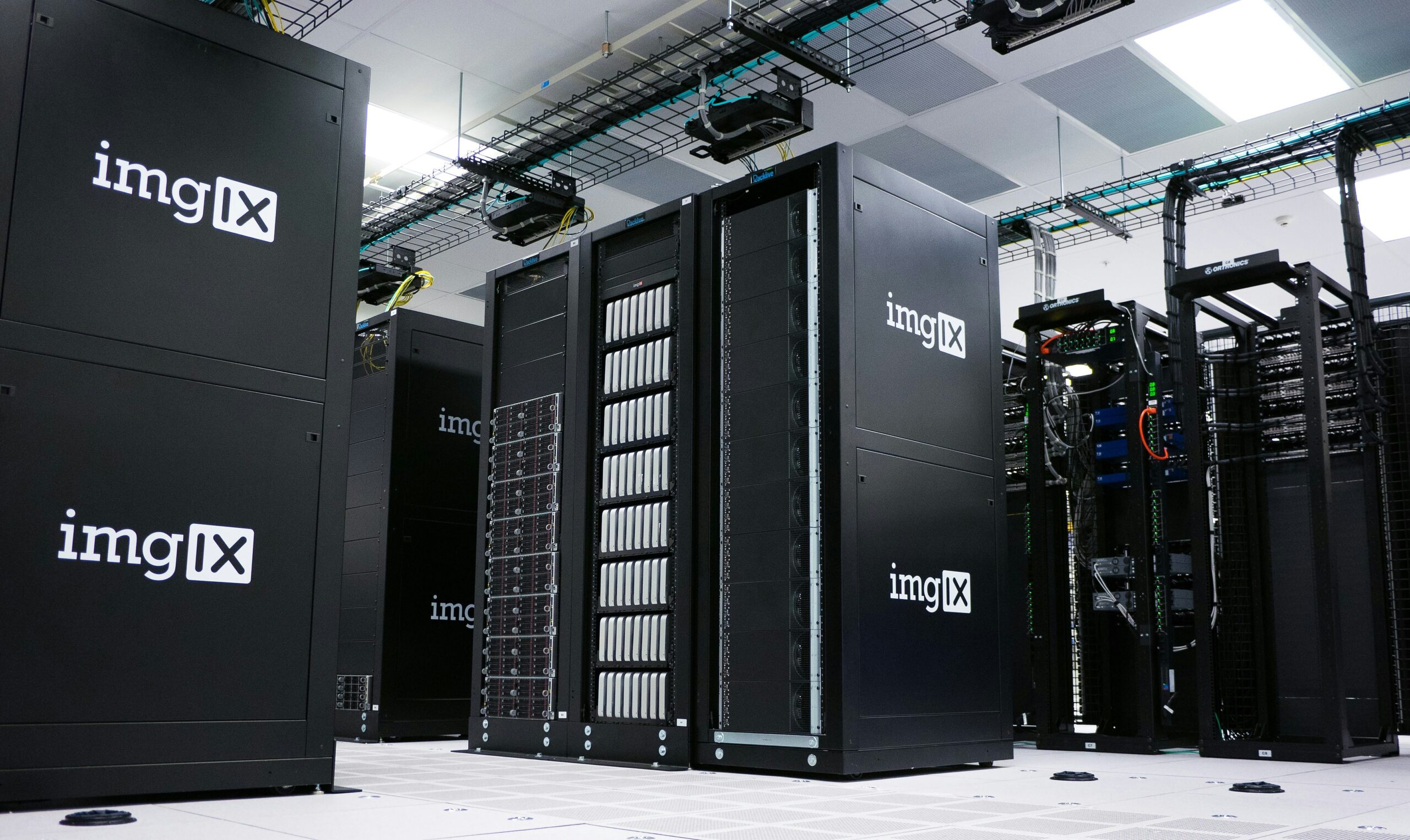
Intel and SK Hynix are exploring a potential U.S. memory chip manufacturing partnership, including possible use of Intel’s Ohio facility, as AI demand drives a global memory shortage.
Focus Keyphrase: Intel SK Hynix U.S. memory chips
Category: Technology / Business / Economy
Tags: Intel, SK Hynix, memory chips, semiconductor industry, AI, artificial intelligence, U.S. chip manufacturing, Ohio, HBM, technology
Intel and SK Hynix Consider Producing Memory Chips in the United States
Intel and South Korea’s SK Hynix are discussing a potential partnership that could bring SK Hynix memory-chip manufacturing to the United States for the first time, according to a Reuters report cited by CNBC.
The talks come at a critical moment for the global semiconductor industry. Artificial intelligence data centers are consuming enormous quantities of advanced memory, particularly high-bandwidth memory (HBM), while governments and technology companies are seeking more resilient semiconductor supply chains.
One possibility under discussion would involve SK Hynix leasing part of Intel’s planned semiconductor manufacturing complex in Ohio. Another option could involve a joint venture between Intel, SK Hynix and major cloud companies seeking to secure reliable supplies of memory chips.
However, no agreement has been finalized, and the discussions remain exploratory.
Why the Potential Deal Matters
The possible Intel-SK Hynix partnership highlights how quickly artificial intelligence is changing the economics and geography of semiconductor manufacturing.
HBM is particularly important because it allows AI processors to move large amounts of data at extremely high speeds. It is used alongside advanced AI accelerators, including chips produced for major data-center applications.
SK Hynix is one of the world’s leading suppliers of HBM, while Intel has been investing heavily in rebuilding its manufacturing capabilities and expanding its foundry business.
A partnership could therefore connect two major semiconductor strategies: SK Hynix’s need to expand production capacity and Intel’s effort to attract major customers to its U.S. manufacturing infrastructure.
Intel’s Ohio Project Could Gain a Major Customer
Intel has been developing a massive semiconductor complex in Ohio, but the project has faced delays.
The potential involvement of SK Hynix could give Intel an opportunity to put part of that infrastructure to work while attracting an important semiconductor customer.
Reuters reported that one scenario under consideration would have SK Hynix leasing part of Intel’s Ohio facility. Another possibility would involve Intel, SK Hynix and large cloud companies forming a joint venture designed to secure memory supplies.
For Intel, such an arrangement could be significant because its foundry strategy depends on convincing outside companies to manufacture chips through Intel’s facilities.
The company has been seeking major customers as it attempts to transform its manufacturing operations into a larger contract-chip business.
AI Is Driving the Memory Chip Race
The semiconductor industry’s focus has increasingly shifted from traditional processors toward the broader infrastructure required to run artificial intelligence.
AI data centers require enormous quantities of computing power, networking equipment and memory.
HBM has become particularly important because advanced AI processors depend on fast access to large volumes of data.
That demand has placed companies such as SK Hynix at the center of the AI hardware boom.
SK Hynix also manufactures DRAM and NAND flash memory, which are widely used in servers, computers, smartphones and storage products.
The potential U.S. manufacturing expansion therefore comes at a time when memory has become a strategic component of the AI economy.
South Korea Could Face a Difficult Policy Decision
A major complication could come from South Korea.
Advanced semiconductor technologies are considered strategically important in South Korea, and the country’s government may review any arrangement involving sensitive technologies.
Reuters reported that producing advanced memory such as HBM or even DRAM in the United States could potentially face scrutiny because of technology-protection rules.
South Korea’s trade ministry has indicated that decisions about U.S. production are ultimately a matter for SK Hynix, while certain technologies could be subject to review under the country’s Industrial Technology Protection Act.
That means a commercial agreement would potentially have broader implications for South Korea’s semiconductor industry and its technological competitiveness.
Higher U.S. Manufacturing Costs Remain a Challenge
Moving memory production to the United States would not necessarily be an easy or inexpensive process.
Manufacturing semiconductors in the U.S. generally involves higher labor and construction costs than production in South Korea. Much of the semiconductor supply chain is also concentrated in Asia, potentially adding further costs to American production.
For SK Hynix, the decision would therefore involve balancing higher manufacturing costs against the strategic advantages of having production closer to major U.S. customers.
Those customers increasingly include some of the world’s largest cloud and AI companies.
SK Hynix Is Already Expanding Its U.S. Footprint
The potential Intel agreement would not represent SK Hynix’s first major U.S. semiconductor investment.
The company is already developing an advanced packaging and research facility in Indiana. The project is expected to support production of HBM-related products, although the facility is focused on packaging rather than manufacturing memory wafers.
According to reports, the Indiana facility is expected to begin mass production in 2029.
Adding U.S. memory-chip manufacturing could eventually create a more complete domestic production chain for SK Hynix.
What Happens Next?
For now, the most important fact is that the Intel-SK Hynix deal is still under discussion.
SK Hynix said it is reviewing different options to strengthen the competitiveness of its memory business but emphasized that no specific arrangement has been finalized.
It is also unclear what specific memory products would ultimately be manufactured in Ohio if an agreement were reached.
The final structure could involve a lease, a joint venture or another arrangement.
The Bigger Story: America’s Semiconductor Supply Chain
The discussions between Intel and SK Hynix reflect a much larger transformation underway in the global technology industry.
For decades, semiconductor manufacturing has been heavily concentrated in Asia. The growth of artificial intelligence, geopolitical tensions and concerns about supply-chain resilience have encouraged companies and governments to seek more geographically diversified production.
Memory chips are increasingly becoming part of that strategic discussion.
If SK Hynix ultimately begins manufacturing memory in the United States, the move could strengthen America’s domestic semiconductor ecosystem while giving Intel a potentially important customer for its Ohio manufacturing ambitions.
But the economic, technological and political questions surrounding advanced memory production mean that a final agreement could take time.
For now, investors and the technology industry are watching to see whether exploratory discussions become a concrete manufacturing partnership.
Key Takeaways
- Intel and SK Hynix are discussing potential U.S. memory-chip manufacturing.
- One option could involve SK Hynix leasing part of Intel’s Ohio facility.
- A joint venture involving major cloud companies is another possibility.
- The talks are exploratory and no final agreement has been reached.
- AI data-center expansion is increasing demand for HBM and other advanced memory.
- South Korean authorities could scrutinize arrangements involving sensitive semiconductor technology.
- A U.S. manufacturing partnership could have important implications for Intel’s foundry strategy and America’s semiconductor supply chain.
Bottom line: The potential Intel-SK Hynix partnership shows how the AI boom is reshaping the global semiconductor map. Memory production, once largely concentrated in Asia, is increasingly becoming a strategic issue for the United States, major technology companies and semiconductor manufacturers worldwide.
Sources: https://www.cnbc.com/2026/09/16/intel-sk-hynix-us-memory-chips.html



0 Comments