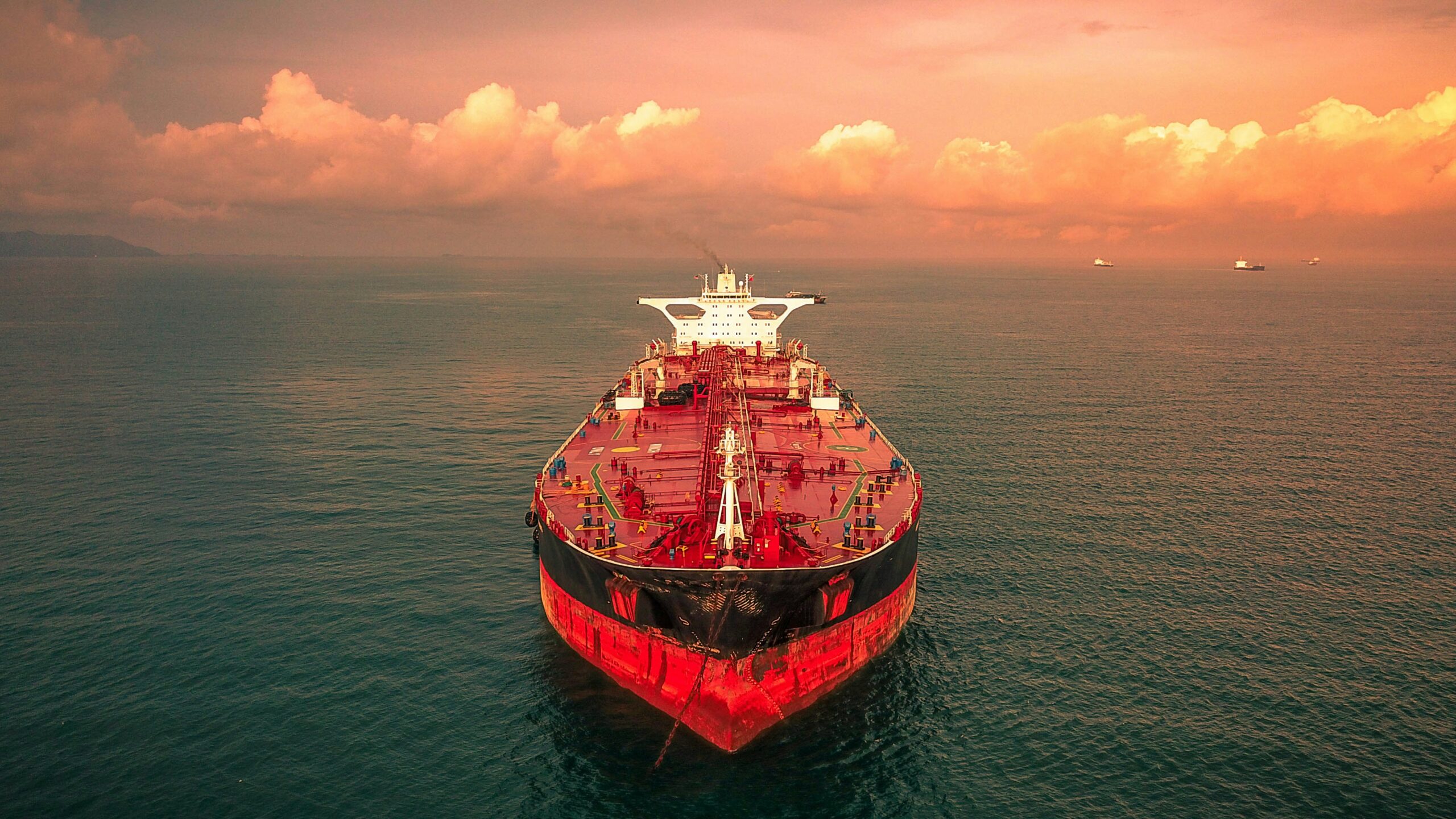
The USS Abraham Lincoln has arrived in Thailand after an extraordinary 286 days at sea. Nearly 5,000 U.S. sailors and Marines are getting their first major port visit after a grueling deployment that included more than 200 days in a combat zone.
Category: World News / U.S. Military / Asia-Pacific
Tags: USS Abraham Lincoln, U.S. Navy, Thailand, Pattaya, aircraft carrier, U.S. military, Iran conflict, Asia-Pacific, Laem Chabang, American sailors, Carrier Strike Group
USS Abraham Lincoln Arrives in Thailand After Historic 286-Day Deployment
After 286 days at sea, the U.S. aircraft carrier USS Abraham Lincoln has finally arrived in Thailand, bringing nearly 5,000 American sailors and Marines to shore after one of the most demanding and unusually prolonged deployments in recent U.S. naval history.
The Nimitz-class aircraft carrier docked at Laem Chabang, Thailand, on September 2, 2026, marking its first full-scale port visit since the deployment began in late 2025.
For thousands of sailors aboard the ship, the arrival represents something far more significant than a routine military stop.
It is a chance to step onto land, reconnect with the outside world and recover from months of life aboard one of the world’s largest and most powerful warships.
The deployment took the USS Abraham Lincoln through a period of intense U.S. military operations, including an extended mission in the Middle East. The carrier spent more than 200 days in a combat zone, according to reports and U.S. Navy information.
Nearly 5,000 Sailors and Marines Finally Reach Shore
The USS Abraham Lincoln arrived in Laem Chabang with approximately 5,000 sailors and Marines aboard.
The carrier’s arrival was accompanied by other elements of the Abraham Lincoln Carrier Strike Group, including the guided-missile destroyer USS Frank E. Petersen Jr., which docked nearby in Sriracha. The guided-missile cruiser USS Robert Smalls also arrived in Thailand for a scheduled port visit.
For the crew, however, the Thailand stop is primarily about something much simpler: rest and recovery.
Rear Adm. Robert Loughran, commander of Carrier Strike Group 3, described the visit as a deserved opportunity for sailors and Marines to “rest and recharge.”
The statement also emphasized the strategic importance of the U.S.-Thailand relationship, highlighting the enduring military partnership between Washington and one of America’s oldest allies in Southeast Asia.
A Deployment Defined by the Iran Conflict
The USS Abraham Lincoln’s deployment became closely connected to escalating U.S. military operations involving Iran.
According to reporting on the carrier’s mission, the ship played a major role in U.S. operations against Iran and spent more than 200 days operating in a combat environment. The carrier’s air wing reportedly launched more than 10,000 sorties during the deployment, underlining the enormous operational tempo maintained by the strike group.
Aircraft carriers are among the most important instruments of American military power.
A single carrier can serve as a floating air base capable of projecting military القوة thousands of miles from the United States. The USS Abraham Lincoln carries a powerful air wing, supported by escort ships and thousands of military personnel.
But the strategic value of such deployments comes with a significant human cost.
The longer a ship remains at sea, the greater the pressure on its crew.
And in the case of the USS Abraham Lincoln, that pressure became increasingly visible.
Concerns Over Conditions and Mental Health at Sea
The extraordinary length of the deployment raised concerns among sailors’ families and lawmakers about conditions aboard the aircraft carrier.
Reports emerged of shortages involving fresh food and other supplies, while concerns were also raised about the mental health of some crew members during the prolonged mission.
The U.S. Navy has acknowledged the challenges associated with extended deployments while disputing some of the more serious claims about conditions aboard the ship. Navy officials have maintained that adequate food was available and said that a limited number of mental-health cases were treated.
The situation nevertheless highlighted a larger issue facing modern military forces.
Technology can extend the reach of warships, but sailors remain human.
A nuclear-powered aircraft carrier may be able to remain at sea for extremely long periods, but its crew still requires food, maintenance, rest, medical support and psychological recovery.
Unlike a civilian workplace, there is no simple commute home at the end of the day.
For months, sailors aboard the USS Abraham Lincoln lived and worked in the same confined environment, surrounded by thousands of other personnel and operating under the pressures of a major military deployment.
More Than 200 Consecutive Days Without a Major Break
The carrier’s deployment included an extraordinarily long period without a normal port call.
Stars and Stripes reported that the USS Abraham Lincoln experienced a longest uninterrupted stretch of approximately 208 days at sea, while the broader deployment stretched across nearly nine months.
That is significant because port visits traditionally serve several essential purposes for naval forces.
Ships require maintenance and resupply.
But sailors also need time away from the constant environment of a warship.
Port calls provide opportunities for recreation, recovery and psychological decompression.
The USS Abraham Lincoln had made only limited stops during its deployment, including Guam and a brief stop in Oman, before reaching Thailand for its first major full port visit.
For sailors who had spent months looking at steel bulkheads, aircraft, ocean and the same small group of colleagues, Thailand represented a dramatic change of scenery.
Pattaya Prepares for Thousands of American Sailors
Many members of the USS Abraham Lincoln crew are expected to spend their time ashore in and around Pattaya, the famous Thai beach city located near Laem Chabang.
Pattaya is internationally known for its beaches, hotels, restaurants, shopping and nightlife.
The arrival of thousands of American military personnel is also expected to provide a short-term boost to the local economy during a period that local businesses describe as relatively slow for tourism.
One estimate reported by Thai media suggested that spending by 5,000 U.S. personnel could generate millions of Thai baht in local economic activity each day, depending on how much individual sailors spend on food, transportation, shopping and entertainment.
For local businesses, the USS Abraham Lincoln’s arrival is therefore both a military event and an economic opportunity.
Restaurants, transportation providers, shops and tourism businesses could all benefit from the sudden arrival of thousands of visitors with several days of shore leave.
Thailand and the United States Maintain a Strategic Partnership
The visit also carries broader geopolitical significance.
Thailand has long been one of the United States’ most important partners in Southeast Asia.
The arrival of a U.S. aircraft carrier demonstrates the continued military relationship between the two countries at a time when competition for influence across the Indo-Pacific remains intense.
The region has become increasingly important to global security.
China’s growing military power, tensions in the South China Sea and Taiwan Strait, North Korea’s weapons programs and broader competition between Washington and Beijing have transformed the Indo-Pacific into one of the world’s most strategically important regions.
Although the USS Abraham Lincoln’s recent deployment focused heavily on the Middle East, its arrival in Thailand sends a reminder that American naval power remains globally mobile.
U.S. aircraft carriers can move rapidly between regions and operate across multiple theaters.
That flexibility remains one of the central pillars of American military strategy.
The Human Reality Behind America’s Aircraft Carrier Power
The USS Abraham Lincoln’s arrival in Thailand offers a reminder that behind every aircraft carrier headline are thousands of individual people.
Modern military reporting often focuses on missiles, aircraft, naval strategy and geopolitics.
But the effectiveness of a carrier ultimately depends on sailors.
Thousands of people maintain aircraft.
Thousands prepare weapons.
Others operate radar systems, engines, communications equipment, medical facilities and food services.
Every aircraft launch depends on a complex network of personnel working under demanding conditions.
After 286 days at sea, the Thailand visit provides those people with something that cannot be replaced by advanced technology:
time away from the ship.
For many sailors, shore leave means walking through a city, eating in a restaurant, seeing unfamiliar landscapes and temporarily escaping the repetitive rhythm of life at sea.
That psychological break may be just as important as any mechanical maintenance performed on the carrier.
What Happens Next for the USS Abraham Lincoln?
The Thailand port call is expected to be temporary.
After the crew completes its period of rest and recreation, the USS Abraham Lincoln will continue its journey as the Carrier Strike Group transitions from one of the most demanding deployments of recent years.
The deployment itself has already become a major example of the pressure placed on U.S. naval forces during periods of simultaneous global crises.
The United States continues to maintain military commitments in Europe, the Middle East and the Indo-Pacific.
Aircraft carriers remain central to those commitments.
But the USS Abraham Lincoln’s 286 days at sea have also raised difficult questions about sustainability.
How long can crews remain deployed before readiness begins to suffer?
How should the U.S. Navy balance global military demands with the welfare of sailors?
And could increasingly frequent international crises place even greater pressure on the U.S. fleet?
Those questions are likely to continue long after the USS Abraham Lincoln leaves Thailand.
A Historic Deployment Comes to a Temporary Pause
The sight of thousands of sailors stepping ashore in Thailand marks a powerful moment at the end of an extraordinary chapter.
For 286 days, the USS Abraham Lincoln operated far from its home port.
Its crew supported major U.S. military operations, spent months in a combat environment and endured one of the longest periods away from normal port life in recent naval history.
The carrier’s arrival in Laem Chabang is therefore more than a routine stop.
It represents a temporary pause after months of military operations.
It is a moment for sailors and Marines to rest.
And it is a reminder that the world’s most powerful military depends not only on aircraft carriers, fighter jets and advanced weapons—but on the thousands of people who operate them.
As the USS Abraham Lincoln’s crew enjoys its first major break in months, the deployment will likely continue to be examined as an example of both the extraordinary reach of U.S. naval power and the enormous personal demands placed on the people who serve aboard it.
After 286 days at sea, nearly 5,000 Americans have finally reached shore.
For the sailors of the USS Abraham Lincoln, Thailand is not just another destination.
For now, it is a chance to breathe.
Why This Story Matters
- USS Abraham Lincoln spent 286 days at sea
- Nearly 5,000 sailors and Marines are aboard
- The carrier spent more than 200 days in a combat zone
- The deployment included an extended period of more than 200 consecutive days at sea
- Concerns emerged about crew welfare, supplies and mental health
- Thailand provides the crew with a major opportunity for rest and recreation
- The visit highlights the strategic importance of the U.S.-Thailand alliance
- Pattaya and surrounding businesses could receive a significant short-term economic boost



0 Comments