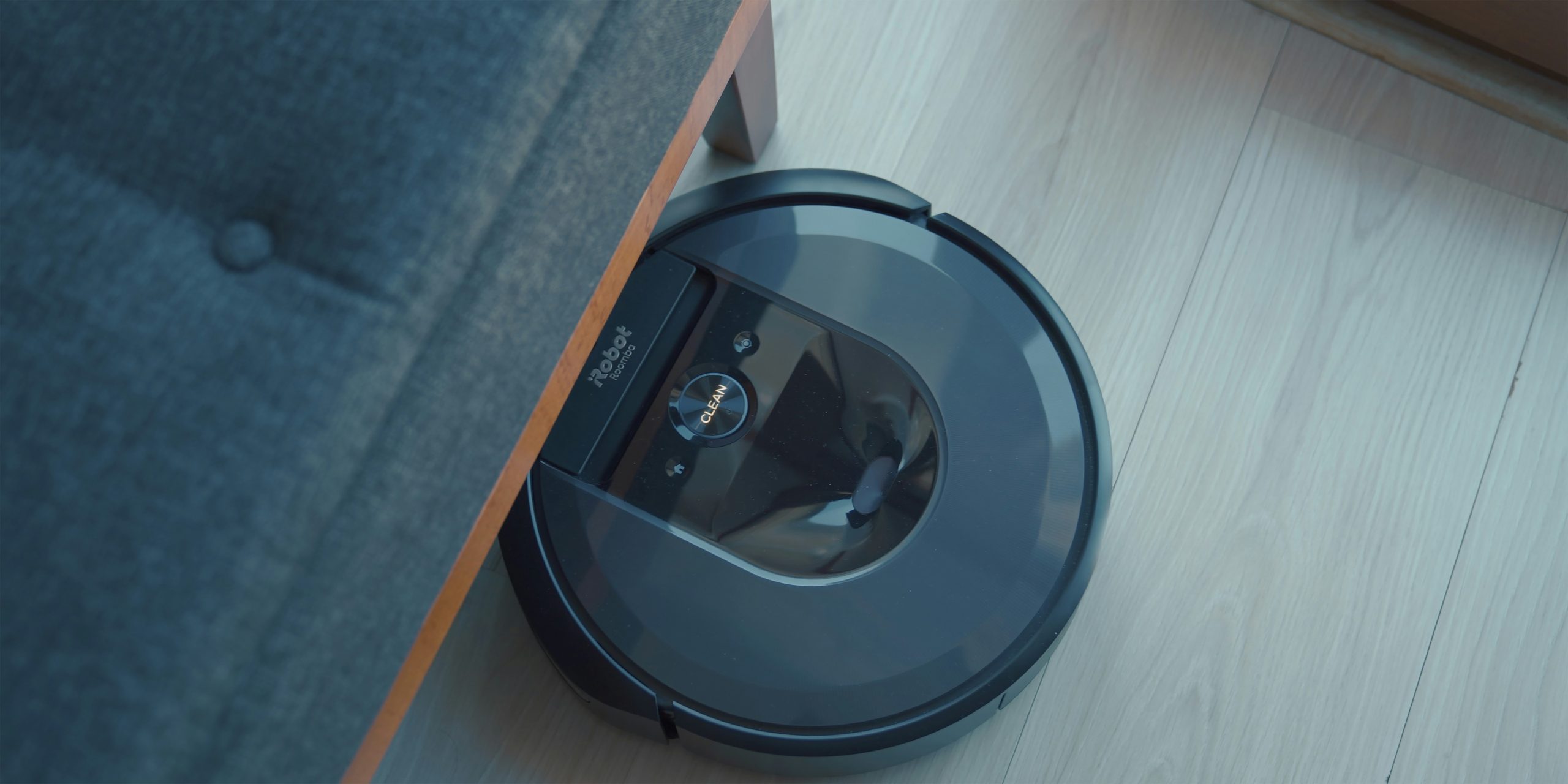
Vietnam’s robot vacuum market has surged 137.6% to $92.3 million as consumers upgrade to premium smart home devices. Chinese brands Ecovacs, Xiaomi, Roborock and Dreame dominate the rapidly growing market.
Focus Keyword: Vietnam robot vacuum market
SEO Keywords: Vietnam smart home market, robot vacuum sales Vietnam, Ecovacs Vietnam, Xiaomi robot vacuum, Roborock Vietnam, Dreame robot vacuum, smart home technology Asia, Chinese technology brands, home automation Vietnam
Category: Technology / Business / Asia
Tags: Vietnam, Robot Vacuums, Smart Home, Technology, Ecovacs, Xiaomi, Roborock, Dreame, China, Consumer Technology, Asia Economy
Vietnam’s Robot Vacuum Boom Signals a Major Shift in Consumer Technology
Vietnam’s robot vacuum market is experiencing extraordinary growth, offering one of the clearest signs yet that smart-home technology is rapidly moving from a luxury niche toward the mainstream consumer market.
Vietnamese consumers spent more than VND2.4 trillion, or approximately US$92.3 million, on robot vacuums during the 12 months ending in June 2026. Revenue surged 137.6% compared with the previous year, according to market data reported by VnExpress and attributed to research firm GfK.
The growth is particularly significant because consumers are no longer simply buying cheap automated cleaning devices. Instead, demand is increasingly concentrated in the premium robot vacuum market, where consumers are paying substantially more for powerful suction, automated mopping, self-cleaning systems and increasingly sophisticated smart-home features.
The result is a rapidly changing technology market in Vietnam—one increasingly shaped by urban lifestyles, rising consumer spending and the expanding influence of Chinese technology companies.
Premium Robot Vacuums Are Driving Vietnam’s Technology Upgrade
One of the most important developments in Vietnam’s robot vacuum market is the dramatic shift in consumer preferences.
Between 2018 and 2022, lower-priced robot vacuums costing around VND5 million were a major source of demand. Today, Vietnamese consumers are increasingly willing to spend more than VND10 million on advanced devices.
The fastest-growing segment consists of robot vacuums priced above VND15 million, or roughly US$577.
These higher-end machines offer technologies that would have been considered premium features only a few years ago. They increasingly include:
- Automatic mop washing
- Self-cleaning docking stations
- Advanced roller-mopping systems
- More powerful suction
- Automated floor-cleaning functions
- Smart navigation and home automation capabilities
The transformation suggests that Vietnam’s consumers are becoming more comfortable paying for convenience and automation.
Traditional vacuum-only robots have also become increasingly rare as buyers expect modern machines to perform multiple functions. The robot vacuum is no longer simply a device that moves around a room collecting dust. It is becoming a more complete automated cleaning system.
This shift could have important implications for the broader Vietnam smart home market, where consumers are increasingly adopting connected appliances and automated household technology.
Ecovacs Leads Vietnam’s Robot Vacuum Market
The explosive growth has also produced a clear group of winners.
Chinese manufacturer Ecovacs currently leads Vietnam’s robot vacuum market, accounting for approximately 34% of market revenue and 31.8% of units sold, according to the reported market estimates.
The company is followed by other major Chinese technology brands:
- Xiaomi
- Roborock
- Dreame
Together, these four companies reportedly control more than 90% of Vietnam’s robot vacuum market.
That dominance highlights a broader trend across Asian consumer technology markets: Chinese manufacturers have become increasingly competitive in categories once dominated by Japanese, South Korean, European and American companies.
Chinese brands have been particularly successful because they can combine relatively competitive pricing with rapid technological innovation.
Companies such as Ecovacs, Roborock and Dreame have invested heavily in robotic cleaning technology, artificial intelligence, navigation systems and automated docking stations. Meanwhile, Xiaomi continues to benefit from its enormous smart-device ecosystem and powerful consumer brand recognition.
For Vietnam, the result is a highly competitive market where Chinese companies have established overwhelming dominance.
Vietnam Is Becoming an Important Smart Home Technology Market
The growth of robot vacuums reflects broader changes taking place inside Vietnam’s consumer economy.
Vietnam has experienced rapid urbanization, while rising incomes have created a growing middle class with increasing purchasing power. As more consumers move into apartments and modern urban housing, demand for convenience-oriented household technology is likely to increase.
Robot vacuums are particularly attractive because they address one of the most valuable commodities in modern urban life: time.
Consumers are increasingly willing to pay for technology that reduces household chores.
This trend has already transformed markets in China, South Korea, Japan and other advanced Asian economies. Vietnam may now be entering a similar phase of smart-home adoption.
The robot vacuum boom could therefore represent only the beginning.
As consumers become familiar with automated cleaning technology, companies may find growing opportunities for other smart-home products, including:
- Robotic window cleaners
- Robotic lawn mowers
- Smart air purifiers
- Connected kitchen appliances
- Home security systems
- AI-powered household devices
- Automated pool-cleaning technology
Ecovacs itself is already expanding beyond robot vacuums into other categories, including Winbot window-cleaning robots, GOAT robotic lawn mowers and pool-cleaning technology.
The strategy illustrates how companies are increasingly trying to build complete ecosystems of automated household devices rather than relying on a single product category.
Ecovacs Could Sell 120,000 Units in Vietnam in 2026
The scale of the market opportunity is becoming increasingly clear.
A representative from distributor Hop Long said Ecovacs is expected to sell approximately 120,000 units in Vietnam during 2026, potentially generating more than VND1.2 trillion in revenue.
That would make Vietnam an increasingly important market for international smart-home manufacturers.
Only a few years ago, robot vacuums were still considered specialized consumer electronics products. Today, the category is approaching the scale of Vietnam’s dishwasher market.
That comparison is important.
Dishwashers and robot vacuums remain lifestyle products rather than absolutely essential household appliances. Consumers can live without them in the same way they cannot easily live without refrigerators or washing machines.
But lifestyle technology can become increasingly important as incomes rise.
The history of consumer electronics shows that many products initially considered luxuries eventually become standard household equipment.
Air conditioners, smartphones, dishwashers and smart televisions all followed similar patterns in different markets around the world.
The question for Vietnam is whether robot vacuums will eventually make the same transition—from an expensive lifestyle upgrade to a standard household appliance.
Chinese Technology Companies Are Winning the Smart Home Race
Vietnam’s robot vacuum market also demonstrates the growing international strength of Chinese consumer technology companies.
For years, Chinese manufacturers were often associated primarily with low-cost electronics and inexpensive alternatives to international brands.
That perception is rapidly changing.
Today, Chinese companies are competing aggressively in premium technology categories, including:
- Smartphones
- Electric vehicles
- Artificial intelligence
- Smart home devices
- Robotics
- Consumer electronics
- Drones
- Batteries
The robot vacuum market is a particularly interesting example because technological performance has become increasingly important.
Consumers purchasing premium machines are looking for sophisticated navigation, stronger cleaning performance and automated maintenance.
Chinese companies have managed to compete successfully by developing products that combine advanced features with competitive prices.
This strategy has allowed them to capture enormous market share not only in China but increasingly across Southeast Asia.
Vietnam’s market now appears to be another major success story.
Robot Vacuums Could Become a Major Growth Industry in Southeast Asia
Vietnam may also provide a glimpse into the future of the broader Southeast Asian smart-home market.
Countries across the region are experiencing many of the same economic trends:
- Rapid urbanization
- Growing middle-class populations
- Rising household incomes
- Expanding e-commerce
- Greater smartphone adoption
- Increased interest in connected devices
As these trends continue, demand for automated household technology could accelerate.
The Southeast Asian market could become increasingly important for companies competing against one another in the global smart-home industry.
Vietnam is particularly attractive because it combines a large population with rapid economic development and a technology-oriented consumer market.
The country has also become a major global manufacturing center, making it increasingly important to international technology supply chains.
A growing domestic appetite for consumer technology could strengthen Vietnam’s position even further.
The $92 Million Market Is Still Small—but Growing Fast
Despite its spectacular growth, Vietnam’s robot vacuum market remains relatively small compared with the country’s overall home-appliance industry.
Vietnam’s broader appliance market is worth tens of billions of dollars, while robot vacuums generated approximately US$92.3 million during the latest 12-month period.
However, the growth rate is what makes the sector particularly important.
A 137.6% annual increase is extraordinary for a consumer appliance category.
If strong growth continues, robot vacuums could quickly become a much larger segment of Vietnam’s technology and household appliance economy.
Of course, such rapid growth may eventually slow as the market matures.
But premiumization could continue to support revenue growth even if unit sales eventually expand at a slower pace.
Consumers may purchase increasingly expensive models as manufacturers introduce new technologies.
That means the future of the industry may depend not only on how many Vietnamese households buy robot vacuums, but also on how much consumers are willing to spend.
Artificial Intelligence Could Transform the Next Generation of Robot Vacuums
The next major growth opportunity could come from artificial intelligence.
Robot vacuums are already becoming more sophisticated through sensors, cameras and mapping technology. Future generations could become even more autonomous.
AI-powered household robots could eventually:
- Identify different types of dirt
- Recognize household objects
- Avoid pets and obstacles more effectively
- Learn household cleaning patterns
- Optimize cleaning schedules
- Connect with other smart-home devices
- Respond to voice commands
- Improve performance through software updates
The line between a robot vacuum and a broader household robot could gradually become less clear.
This could create an entirely new technology market centered on domestic automation.
Vietnam’s rapidly expanding robot vacuum sector suggests consumers may be increasingly ready to embrace that future.
What Vietnam’s Robot Vacuum Boom Means for the Global Technology Industry
The growth of Vietnam’s robot vacuum market is about much more than automated cleaning.
It represents a major shift in how consumers are interacting with technology.
Household appliances are becoming smarter, more connected and increasingly autonomous.
At the same time, Chinese technology companies are demonstrating their ability to dominate rapidly expanding consumer markets outside China.
For global manufacturers, Vietnam is becoming a market that cannot be ignored.
The country’s US$92.3 million robot vacuum industry may still be relatively small compared with the global consumer electronics sector, but its 137.6% growth rate sends a powerful message.
Vietnamese consumers are embracing premium smart-home technology faster than many companies may have expected.
The winners of the next phase could be the companies that successfully combine artificial intelligence, robotics, affordability and convenience.
For now, Ecovacs, Xiaomi, Roborock and Dreame appear to have a commanding advantage.
But as Vietnam’s smart-home market continues to expand, competition is likely to intensify.
The robot vacuum may be only the first machine in a much larger revolution inside the modern Vietnamese home.
Conclusion: Vietnam’s Smart Home Revolution Is Just Beginning
Vietnam’s robot vacuum market has surged to approximately US$92.3 million, growing an extraordinary 137.6% year over year as consumers increasingly upgrade to premium automated cleaning technology.
The market is now dominated by Chinese brands, with Ecovacs leading the sector and Xiaomi, Roborock and Dreame controlling much of the remaining market.
The most important trend, however, may be the changing behavior of Vietnamese consumers.
Buyers are moving away from low-cost basic models and spending more on sophisticated machines equipped with automatic mop washing, self-cleaning stations and advanced cleaning systems.
That shift could signal the beginning of a much broader smart-home transformation.
As incomes rise, cities expand and artificial intelligence becomes more integrated into consumer products, Vietnam could become one of Southeast Asia’s most important markets for household robotics.
The country’s robot vacuum boom is therefore not simply a story about cleaning appliances.
It is a story about the future of automation, consumer technology and the rapidly changing digital economy of Asia.
Source: VnExpress International




0 Comments