
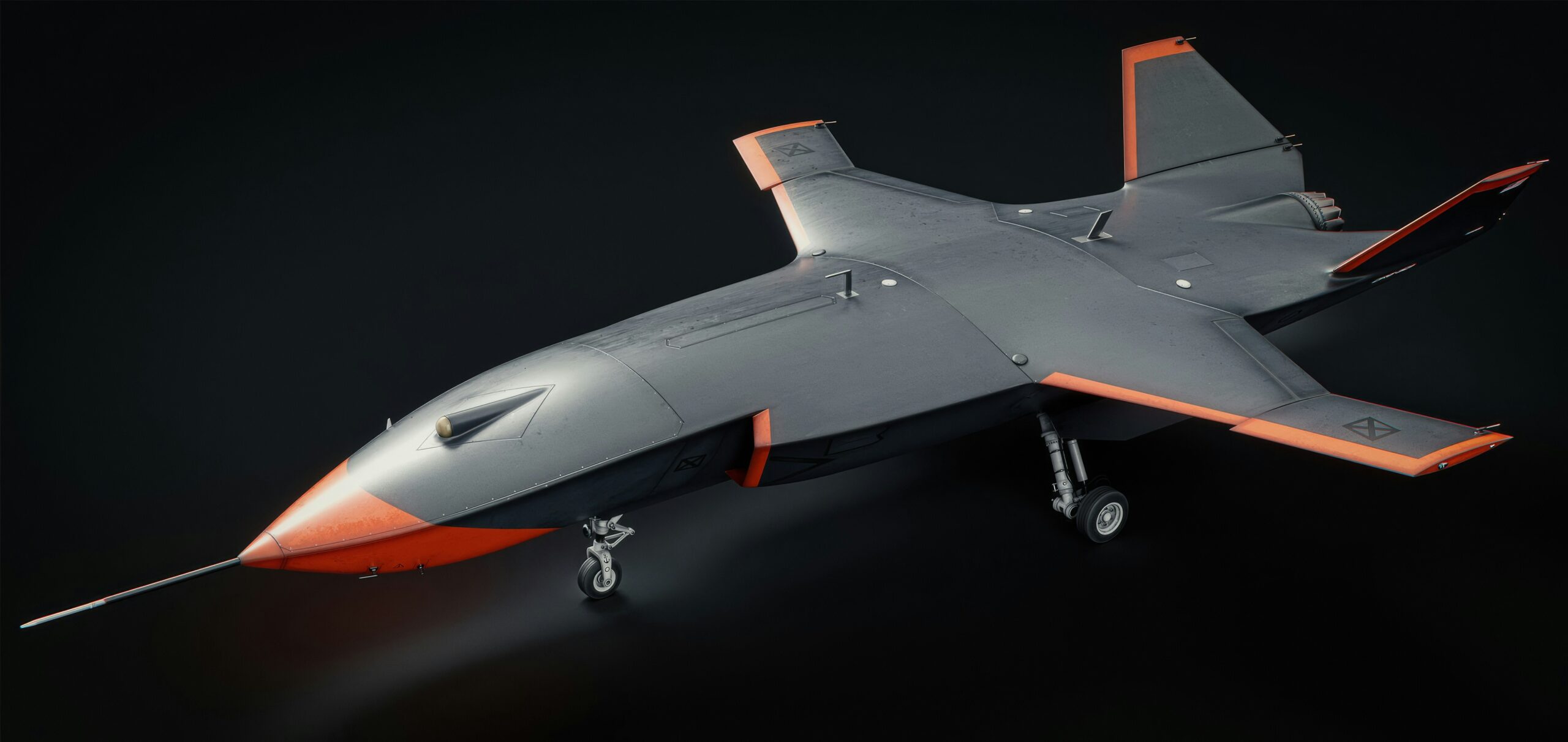
The Russia-Ukraine air war is entering a more dangerous phase as Moscow and Kyiv expand missile and drone attacks, threatening civilians, infrastructure and regional security.
Focus Keyword: Russia-Ukraine air war
Secondary Keywords: Russia Ukraine war, Ukraine drone attacks, Russian missile attacks, Ukraine air defense, Kyiv attacks, Russian drones, Ukraine war 2026, Patriot missile systems, Russia Ukraine conflict
Categories: World News, Ukraine War, Russia, Geopolitics, Military
Tags: Russia, Ukraine, Ukraine War, Russia-Ukraine War, Kyiv, drones, missiles, air defense, NATO, geopolitics, Vladimir Putin, Volodymyr Zelenskyy
The Russia-Ukraine war has entered an increasingly dangerous stage in the air, with both sides expanding their use of long-range drones and missiles against military, industrial, energy and logistical targets.
A new analysis published by The Wall Street Journal describes the conflict as entering a new and deadlier phase of air warfare, as Russia and Ukraine attempt to inflict greater economic and military damage far beyond the traditional battlefield.
The escalation was visible again on August 27, when Russia launched a major overnight barrage against multiple Ukrainian cities. Ukrainian officials reported that the assault involved ballistic missiles, cruise missiles and hundreds of drones. Reuters reported that the attack included 258 drones and targeted infrastructure in Kyiv and other parts of Ukraine.
The development illustrates a fundamental transformation in the Ukraine war: the battle is increasingly being fought in the skies, over cities, energy facilities, factories, warehouses, transportation networks and economic infrastructure.
Russia-Ukraine Air War Becomes More Destructive
For much of the war, Russia's long-range missile and drone campaign focused heavily on Ukrainian energy infrastructure, military facilities and major population centers.
But the scale and sophistication of the attacks have continued to evolve.
Russia is increasingly combining different types of weapons—including ballistic missiles, cruise missiles and increasingly sophisticated drones—to overwhelm Ukraine's air-defense network.
The objective is not simply to destroy individual targets. The larger strategy is to force Ukraine to expend valuable interceptors while maintaining pressure on its civilian population and critical infrastructure.
Ukraine faces a particularly difficult problem with ballistic missiles because the country has a limited number of advanced systems capable of intercepting them.
The shortage of U.S.-supplied Patriot interceptors has become one of Kyiv's most significant air-defense vulnerabilities. Recent Russian attacks have demonstrated that even when Ukrainian forces successfully destroy large numbers of drones, some of the most difficult missiles can still penetrate defenses.
Russia Is Using Drones to Saturate Ukrainian Air Defenses
One of the most important developments in the conflict is the growing role of drones.
Russia has dramatically expanded its ability to launch large numbers of unmanned aircraft simultaneously. Some newer Russian drones are faster and more difficult to detect and intercept than earlier versions.
The result is a classic saturation problem.
Ukraine may successfully destroy dozens or even hundreds of incoming drones, but the sheer number of weapons launched can create opportunities for some to reach their targets.
On August 27, Ukraine said it had intercepted 233 Russian aerial assets from an overnight attack involving 258 drones and multiple missiles.
That figure illustrates both the effectiveness and the limitations of Ukrainian air defenses.
A very high interception rate does not necessarily mean that Ukraine can prevent significant damage. A relatively small number of weapons that penetrate the defensive network can still destroy buildings, interrupt transportation, damage industrial facilities and kill civilians.
Kyiv Faces a Growing Missile Defense Challenge
The air-defense battle has become one of the central strategic contests of the war.
Ukraine needs to defend a large territory containing major cities, military installations, energy infrastructure, factories, transportation networks and ports.
That creates a difficult allocation problem.
Every missile interceptor used against a Russian projectile is a valuable resource that may be unavailable for the next attack.
Russia, by contrast, can attempt to exploit the economic imbalance by launching large quantities of relatively inexpensive drones alongside more expensive missiles.
The strategy can force Ukraine to make difficult decisions about which threats must receive the highest priority.
Recent attacks have shown how this dynamic can affect Kyiv and other Ukrainian cities. Russia's August 27 bombardment targeted multiple urban areas and infrastructure sites, while Ukrainian authorities reported civilian casualties and damage.
Ukraine Is Taking the Air War Back to Russia
Ukraine is not simply absorbing Russian attacks.
Kyiv has increasingly developed its own long-range drone campaign aimed at Russian economic and military infrastructure.
Ukrainian drones have targeted oil refineries, warehouses, logistics facilities and other sites inside Russia and in Russian-controlled territory.
The strategy has an important economic dimension.
Instead of attempting to match Russia missile-for-missile, Ukraine is using relatively inexpensive drones to create pressure on Russia's energy infrastructure and military supply chains.
Recent reporting indicates that Ukrainian attacks have contributed to significant disruption in Russia's refining sector and fuel supply system.
The goal is therefore broader than destroying individual facilities.
Ukraine wants to increase the economic cost of continuing the war.
If Russian refineries are repeatedly damaged, Moscow can face higher costs for maintaining domestic fuel supplies. If logistics centers are attacked, military and commercial transportation becomes more difficult. If industrial facilities are threatened, companies may face additional insurance, security and operational costs.
The Economic War Is Becoming an Air War
This is one of the most important characteristics of the conflict's new phase.
The traditional distinction between military and economic targets is becoming increasingly blurred.
Energy infrastructure can support both civilian society and military operations. Industrial facilities can produce commercial goods while also supporting the defense sector. Transportation networks can move consumers and military supplies.
That means long-range drone warfare can affect a country's economy even when the fighting is hundreds of kilometers away from the front line.
For Russia, Ukrainian attacks against refineries and logistics facilities are designed to make the invasion more expensive.
For Ukraine, Russian attacks against energy, manufacturing and transportation infrastructure can undermine the country's ability to maintain economic activity and support its military.
The air war is therefore becoming an economic war conducted from the sky.
Civilian Population Faces Growing Risks
The most devastating consequence remains the human cost.
Recent Russian attacks have repeatedly struck residential areas and civilian infrastructure.
A major Russian bombardment of Kyiv earlier in August killed at least 16 people and injured dozens more, with damage reported at residential locations and a children's medical facility.
Another strike in Kryvyi Rih killed at least 16 people and injured more than 130, according to Reuters.
These attacks demonstrate why the growing sophistication of the air war is not simply a technological story.
Behind the statistics are families, businesses, emergency workers and communities attempting to maintain normal life under repeated air-raid warnings.
As attacks become more frequent, Ukrainian civilians also face psychological exhaustion. Reporting from Ukraine has described residents becoming increasingly accustomed to air-raid alerts despite the continuing danger.
The Drone Revolution Is Changing Modern Warfare
The Russia-Ukraine conflict is becoming one of the world's most important laboratories for drone warfare.
Both countries are experimenting with increasingly sophisticated unmanned systems.
Russia has expanded its use of long-range attack drones, including faster jet-powered designs. Ukraine has simultaneously developed a large domestic drone industry capable of producing millions of unmanned systems annually, according to reporting summarized by The Wall Street Journal.
This has implications far beyond Ukraine.
Military planners around the world are studying how relatively inexpensive drones can threaten expensive aircraft, air-defense systems, logistics facilities and critical infrastructure.
The lesson is increasingly clear: modern warfare does not necessarily require an air force dominated by traditional fighter jets and bombers.
Large fleets of autonomous or remotely operated systems can create enormous strategic pressure.
Why the Air War May Not Decide the War
Despite the increasingly destructive air campaign, long-range strikes alone may not determine the ultimate outcome of the Russia-Ukraine war.
The fundamental military reality remains that territory must eventually be controlled by ground forces.
Missiles can destroy infrastructure. Drones can disrupt logistics. Air attacks can damage military facilities and undermine economic activity.
But none of those actions automatically produces territorial control.
This means the air war should be understood as part of a larger strategy.
Russia appears to be using long-range attacks to weaken Ukraine's resilience, disrupt infrastructure and pressure its population.
Ukraine is increasingly using drones to impose economic costs on Russia and strike military and logistical targets far behind the front lines.
Neither strategy has yet produced a decisive collapse.
Western Air Defense Support Remains Critical
The shortage of advanced air-defense interceptors remains one of Ukraine's most serious vulnerabilities.
Patriot systems have demonstrated their value against some of Russia's most difficult missile threats, but Ukraine needs sufficient quantities of interceptors to defend a large geographic area.
This creates a strategic challenge for Western governments.
The United States and European allies must balance Ukraine's immediate requirements against their own military stockpiles and broader security commitments.
The longer the war continues, the more important industrial production becomes.
The conflict is therefore also testing the ability of Western defense industries to manufacture missiles, drones, radar systems and replacement components at the speed required by a modern high-intensity war.
Russia and Ukraine Are Entering a Dangerous Cycle
The biggest concern is escalation.
Russian attacks lead Ukraine to expand its own long-range strikes. Ukrainian attacks create pressure on Russian infrastructure. Moscow then threatens additional retaliation.
That creates a potentially self-reinforcing cycle.
On August 27, Russia also warned the United Kingdom that it could retaliate against British military targets in response to Ukraine's use of British-supplied Storm Shadow missiles against Russian territory.
Such statements demonstrate how the air war is increasingly connected to the broader confrontation between Russia and Western governments supporting Ukraine.
The danger is not simply that more missiles and drones will be launched.
It is that the geographic scope of the conflict could continue to expand.
What Happens Next?
The next phase of the Russia-Ukraine war is likely to depend heavily on the ability of both sides to sustain their drone and missile campaigns.
For Russia, the key questions will include whether it can continue producing large numbers of drones and missiles while maintaining pressure on Ukraine's air defenses.
For Ukraine, the critical questions will include whether Western partners can provide enough air-defense interceptors and whether Kyiv can expand its domestic production of drones and long-range weapons.
The economic consequences will also become increasingly important.
If Ukraine can consistently damage Russian refineries and logistics networks, Moscow could face rising costs.
If Russia can continue destroying Ukrainian energy and industrial infrastructure, Kyiv could face additional economic pressure.
The result could be a prolonged war in which neither side achieves a decisive breakthrough but both continue attempting to weaken the other's ability to fight.
Conclusion: A More Dangerous Phase of the Ukraine War
The Russia-Ukraine air war has clearly entered a more dangerous phase.
The conflict is no longer defined only by trenches, artillery and ground offensives. Increasingly, it is a war of drones, ballistic missiles, cruise missiles, air-defense systems, electronic warfare and long-range economic disruption.
Russia is attempting to overwhelm Ukrainian defenses with increasingly sophisticated and numerous attacks.
Ukraine is responding by expanding its own drone campaign against Russian military and economic infrastructure.
The immediate consequence is greater destruction and greater risk for civilians.
The longer-term consequence could be even more significant.
The Russia-Ukraine war is becoming a defining example of how technology is changing modern conflict—and how inexpensive drones, sophisticated missiles and limited air-defense systems can reshape the strategic balance between two countries.
For Ukraine, survival increasingly depends on maintaining the ability to defend its cities while striking the infrastructure that supports Russia's war machine.
For Russia, the challenge is sustaining an increasingly expensive campaign without allowing Ukrainian attacks to create unacceptable economic pressure.
And for Europe and the United States, the escalating air war is another reminder that the future of European security may depend not only on diplomacy, but also on industrial capacity, missile-defense technology and the ability to respond to a rapidly changing form of warfare.
The Russia-Ukraine war is entering a new era in which the battlefield increasingly begins in the sky—and the consequences reach far beyond the front line.
SEO Keyword Cluster
Primary keywords:
Russia-Ukraine air war, Russia Ukraine war 2026, Ukraine war latest, Russian missile attacks, Ukraine drone attacks
Secondary keywords:
Kyiv missile attack, Russian drones, Ukrainian drones, Ukraine air defense, Patriot missiles Ukraine, Russia Ukraine conflict, Ukraine military, Russian air strikes, Ukraine war drones, Russia missile attacks
Long-tail keywords:
- Russia Ukraine air war latest 2026
- why Russia Ukraine air war is becoming deadlier
- Russia missile and drone attacks on Ukraine
- Ukraine drone attacks against Russia
- Ukraine air defense Patriot missile shortage
- how drones are changing the Russia Ukraine war
- latest Russia Ukraine war developments August 2026
Editorial note: This article is an original analysis based on current reporting and does not reproduce the Wall Street Journal article. Current battlefield details can change rapidly as authorities continue to report new attacks and casualties.



0 Comments