
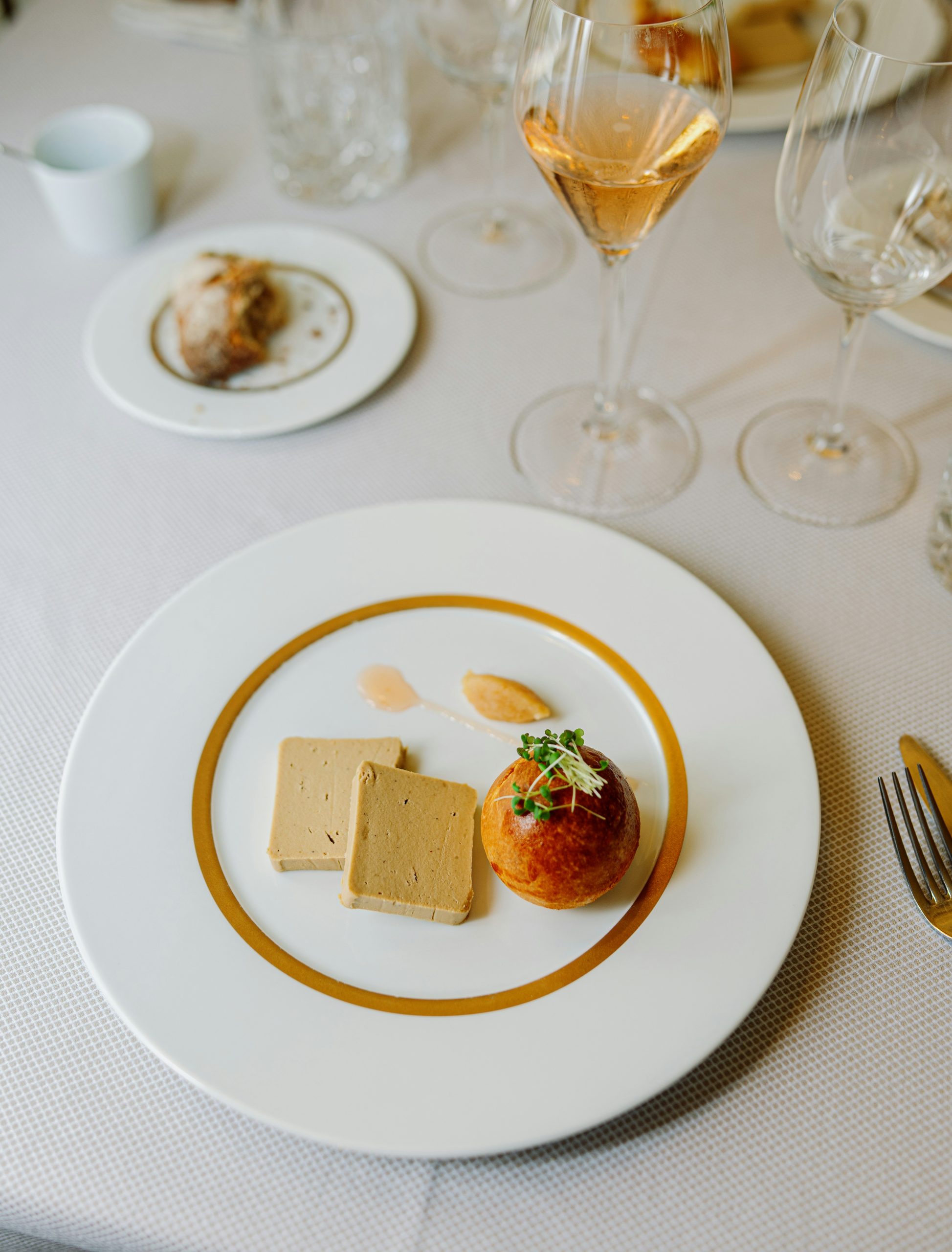
China has emerged as a global foie gras powerhouse, challenging France's centuries-old dominance. Discover how China's luxury food industry is transforming international agriculture, gourmet cuisine, and premium food exports.
China Overtakes France as the World's Foie Gras Powerhouse: A New Era for Global Luxury Food
For centuries, foie gras has been synonymous with French culinary excellence. Produced primarily in southwestern France, the delicacy has become one of the world's most recognizable luxury foods, appearing on Michelin-starred menus and symbolizing refined European gastronomy.
Today, however, the global foie gras industry is undergoing a remarkable transformation.
China has quietly become one of the world's largest producers of foie gras, surpassing expectations and challenging France's long-held dominance in one of the world's most prestigious agricultural sectors. The development reflects more than changing consumer tastes—it signals China's broader ambition to become a global leader in premium food production and luxury agriculture.
As China's middle class expands and domestic demand for gourmet cuisine accelerates, the country's foie gras industry has evolved into an economic success story with significant implications for international trade, food security, and high-end agriculture.
China's Rise in the Global Foie Gras Industry
China's ascent in foie gras production has been swift yet largely unnoticed outside the culinary world.
According to industry estimates, Chinese farms now produce roughly 11,000 metric tons of foie gras annually, making the country one of the world's leading suppliers. What once seemed an exclusively French specialty has become an important segment of China's modern agricultural economy.
Unlike many export-oriented industries, much of China's foie gras production serves its own increasingly affluent domestic consumers. Fine-dining restaurants across Beijing, Shanghai, Guangzhou, Shenzhen, and Chengdu are incorporating locally produced foie gras into both traditional French dishes and innovative Chinese fusion cuisine.
This rapid expansion demonstrates how China's agricultural sector is moving beyond commodity production toward higher-value specialty foods capable of generating stronger economic returns.
Why China Is Winning the Foie Gras Market
Several structural advantages explain China's remarkable success.
First, production costs remain significantly lower than in many European countries. Larger farming operations, modern processing facilities, and economies of scale allow Chinese producers to manufacture foie gras more efficiently while maintaining competitive pricing.
Second, domestic demand continues to surge.
China's expanding upper-middle class has developed a growing appetite for premium dining experiences, imported wines, luxury ingredients, and international cuisine. Restaurants increasingly feature foie gras as both an imported delicacy and a domestically sourced ingredient.
Third, regional governments have actively encouraged high-value agriculture as part of broader rural development initiatives. Rather than relying solely on low-margin farming, producers have been incentivized to specialize in premium products capable of generating greater profits and creating higher-paying rural employment.
Luxury Agriculture Is Becoming a Strategic Industry
China's foie gras success reflects a much larger transformation underway across its agricultural sector.
The country has invested heavily in premium food production, including:
- Premium caviar
- Boutique wines
- Specialty seafood
- Organic produce
- High-quality tea
- Gourmet mushrooms
- Luxury livestock products
Chinese caviar has already earned international recognition, appearing in restaurants throughout Europe, North America, and Asia.
Together, these industries represent China's effort to move up the global agricultural value chain, producing premium products instead of competing primarily on low-cost commodity exports.
For policymakers and investors, this transition highlights how agriculture itself is becoming increasingly sophisticated and technology-driven.
Innovation Is Reshaping Gourmet Cuisine
Perhaps the most interesting development is how Chinese chefs are reinventing foie gras for local tastes.
Rather than simply replicating traditional French recipes, restaurants are incorporating foie gras into innovative Asian-inspired dishes.
Popular creations now include foie gras fried rice, steamed dumplings, hotpot variations, sushi rolls, and modern tasting menus that combine French culinary techniques with Chinese ingredients.
This culinary innovation broadens consumer appeal while helping establish a distinctly Chinese identity within the luxury food sector.
Instead of merely importing European traditions, China is creating its own premium gastronomic culture.
International Trade Implications
Although domestic consumption remains the industry's primary driver, exports represent a growing opportunity.
Emerging luxury markets throughout Southeast Asia, the Middle East, and parts of Africa are experiencing rising demand for premium foods, creating new opportunities for Chinese producers.
At the same time, European suppliers face mounting competition as Chinese production capacity expands.
France still enjoys enormous advantages through brand recognition, centuries of expertise, and strict quality standards. However, China's manufacturing scale, logistical capabilities, and increasingly sophisticated food safety systems position it as a formidable long-term competitor.
If Chinese producers continue improving international branding and quality certifications, they could become major exporters over the coming decade.
Ethical Debate Continues
Despite its commercial success, foie gras remains one of the world's most controversial luxury foods.
Animal welfare organizations continue criticizing the traditional force-feeding process used to enlarge duck and goose livers, prompting restrictions or outright bans in several countries and cities.
The ethical debate affects producers regardless of nationality.
French and Chinese producers alike face growing pressure to demonstrate responsible farming practices, improve transparency, and invest in alternative production methods that satisfy evolving consumer expectations.
As sustainability becomes an increasingly important purchasing factor, environmental and ethical considerations may shape the industry's future as much as economics.
Why Investors and Policymakers Should Pay Attention
China's dominance in foie gras illustrates a broader global economic trend.
Rather than serving solely as the world's manufacturing center, China is increasingly competing in premium industries traditionally dominated by Europe.
This evolution carries implications for:
- International agricultural trade
- Rural economic development
- Global luxury food markets
- Consumer spending patterns
- Food technology innovation
- Supply chain diversification
- Premium agricultural exports
The country's strategy demonstrates how higher-value agricultural production can generate stronger economic returns than conventional farming while supporting rural modernization and technological advancement.
The Bottom Line
France is unlikely to lose its cultural association with foie gras anytime soon. Its culinary heritage, protected regional brands, and global reputation remain unmatched.
Nevertheless, China's emergence as a foie gras powerhouse signals a significant shift in the global luxury food industry.
As affluent consumers increasingly seek premium dining experiences and governments invest in high-value agriculture, the balance of power in gourmet food production is becoming more geographically diverse.
China's success story is not merely about foie gras—it reflects the country's broader economic transformation toward innovation, premium manufacturing, and globally competitive agriculture. For investors, policymakers, food producers, and consumers alike, the rise of China's foie gras industry offers a compelling glimpse into the future of international luxury food markets.




0 Comments