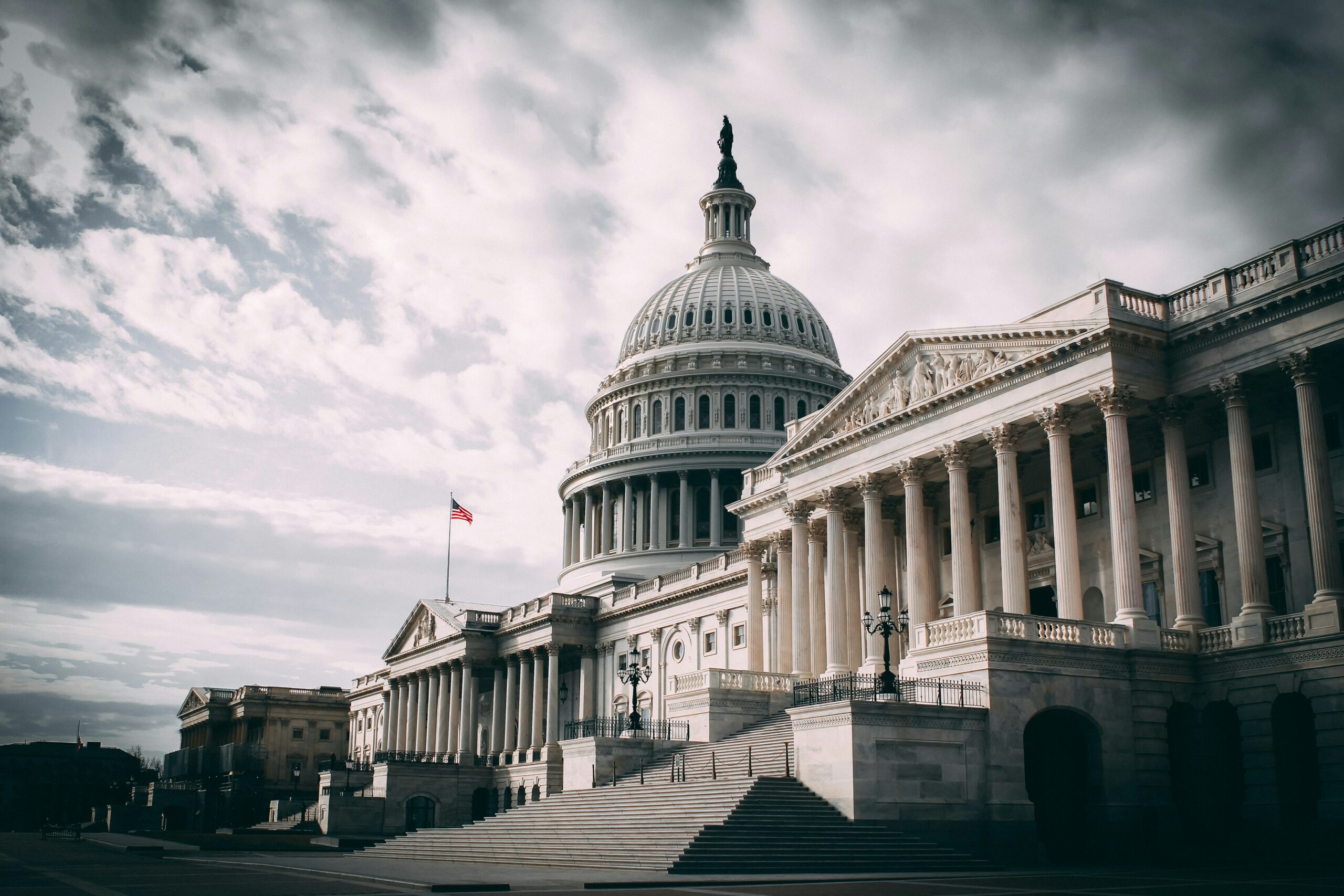
Explore how Supreme Court Justice Samuel Alito’s philosophy of practical originalism is reshaping constitutional law, influencing landmark decisions, and redefining the future of the U.S. judiciary.
Samuel Alito’s Practical Originalism: The Constitutional Philosophy Reshaping the U.S. Supreme Court
Justice Samuel Alito has emerged as one of the most influential voices on the modern U.S. Supreme Court. While public attention often centers on controversial rulings involving abortion, religious liberty, gun rights, and executive authority, legal scholars increasingly argue that Alito’s lasting legacy may be his judicial philosophy known as “practical originalism.”
As the Supreme Court continues deciding cases that shape American democracy, constitutional rights, and federal power, understanding Alito’s approach has become essential for lawyers, policymakers, academics, investors, and citizens seeking insight into the future of U.S. constitutional law.
According to a recent Wall Street Journal report, Alito’s philosophy blends traditional constitutional originalism with practical judicial reasoning, seeking to preserve the Constitution’s original meaning while recognizing the complexities of governing a modern nation. The approach reflects a distinctive evolution within conservative legal thought rather than a departure from originalist principles.
What Is Practical Originalism?
Originalism has become one of the defining legal doctrines of the contemporary conservative movement. It argues that judges should interpret the Constitution according to the public meaning of its text at the time it was adopted rather than adapting it to evolving political or social values.
Justice Antonin Scalia popularized modern originalism, while Justice Clarence Thomas has often advanced its most historically rigorous interpretation.
Alito’s practical originalism, however, introduces a more flexible judicial framework. Rather than relying exclusively on historical sources, Alito argues that constitutional interpretation should remain grounded in the Constitution’s original meaning while also producing workable legal standards capable of addressing twenty-first-century realities.
Supporters contend this methodology preserves constitutional stability without allowing judges to rewrite the Constitution according to contemporary political preferences. Critics argue that introducing “practical” considerations inevitably grants judges greater discretion over constitutional outcomes.
Why the Debate Matters
The debate surrounding originalism extends far beyond legal theory.
Today’s Supreme Court regularly confronts issues that the Founding Fathers could never have anticipated, including:
- Artificial intelligence
- Digital privacy
- Social media regulation
- Cybersecurity
- Biotechnology
- Federal administrative agencies
- Modern surveillance technologies
These emerging issues often require courts to interpret constitutional provisions written more than two centuries ago.
Practical originalism attempts to bridge this historical gap by respecting constitutional text while acknowledging that modern governance presents challenges unimaginable during the eighteenth century.
For constitutional scholars, the philosophy represents one of the most significant developments in American jurisprudence over the past decade.
The Judicial Legacy of Samuel Alito
Since joining the Supreme Court in 2006, Alito has participated in many of the Court’s most consequential constitutional decisions.
His judicial influence expanded significantly following the appointment of additional conservative justices, creating a durable 6–3 conservative majority.
Perhaps the defining moment of Alito’s career came with the majority opinion in Dobbs v. Jackson Women’s Health Organization (2022), which overturned Roe v. Wade and returned abortion policy to individual states.
Beyond abortion, Alito has helped shape constitutional doctrine concerning:
- Religious liberty
- Second Amendment rights
- Administrative law
- Executive authority
- Federal regulatory power
- Election law
- Free speech
- Immigration enforcement
These decisions collectively represent one of the largest shifts in constitutional interpretation in modern American history.
A Different Conservative Voice
Although frequently grouped alongside fellow conservative justices, Alito occupies a unique intellectual position.
Chief Justice John Roberts often emphasizes institutional stability and narrow legal rulings.
Justice Clarence Thomas frequently advocates the most historically rigorous interpretation of constitutional text.
Alito instead seeks constitutional interpretations that remain faithful to original meaning while producing coherent and administrable legal rules for lower courts.
This practical dimension has distinguished his opinions and increased their influence across the federal judiciary.
Legal observers note that Alito often writes opinions designed not only to resolve individual disputes but also to establish broader constitutional frameworks that will guide future litigation.
Growing Influence Beyond the Court
The Wall Street Journal reports that Alito intends to publish a book explaining his constitutional philosophy in greater depth.
Legal scholars expect the work to become an important reference for understanding the intellectual foundations of today’s conservative Supreme Court.
If widely adopted, practical originalism could influence generations of federal judges, constitutional scholars, and law students.
Its impact would likely extend beyond the Supreme Court, shaping appellate courts, legal education, and constitutional scholarship across the United States.
Critics Remain Skeptical
Not everyone accepts practical originalism as a meaningful refinement of constitutional interpretation.
Progressive legal scholars argue that adding practical considerations creates opportunities for subjective judicial decision-making, undermining originalism’s promise of objective constitutional analysis.
Others contend that constitutional interpretation inevitably reflects contemporary values regardless of methodology.
Supporters respond that practical originalism remains firmly anchored in constitutional text while recognizing that courts must issue decisions capable of functioning within today’s legal and institutional framework.
This debate illustrates the broader ideological divide over the judiciary’s proper role in American democracy.
Looking Ahead
Justice Alito continues to play a central role in defining the constitutional direction of the United States.
As future disputes involving artificial intelligence, digital privacy, executive power, environmental regulation, election law, and religious liberty reach the Supreme Court, his philosophy of practical originalism is expected to shape many of the Court’s most consequential rulings.
For investors, business leaders, legal professionals, and policymakers, understanding Alito’s constitutional approach offers valuable insight into the evolving relationship between government authority, individual rights, and the rule of law.
Conclusion
Samuel Alito’s practical originalism represents one of the most significant intellectual developments within contemporary constitutional law. By combining historical fidelity with pragmatic judicial reasoning, Alito has crafted an interpretive philosophy that is increasingly influencing the direction of the U.S. Supreme Court.
Whether praised as a principled defense of constitutional limits or criticized as an expansive form of conservative jurisprudence, practical originalism is likely to remain central to American legal debate for years to come. As the Court confronts unprecedented constitutional challenges in the digital age, Alito’s legal philosophy will continue shaping the boundaries of federal power, civil liberties, and constitutional governance across the United States.
Source: https://www.wsj.com/us-news/law/samuel-alito-practical-originalism-06ce3159?mod=hp_lead_pos4




0 Comments