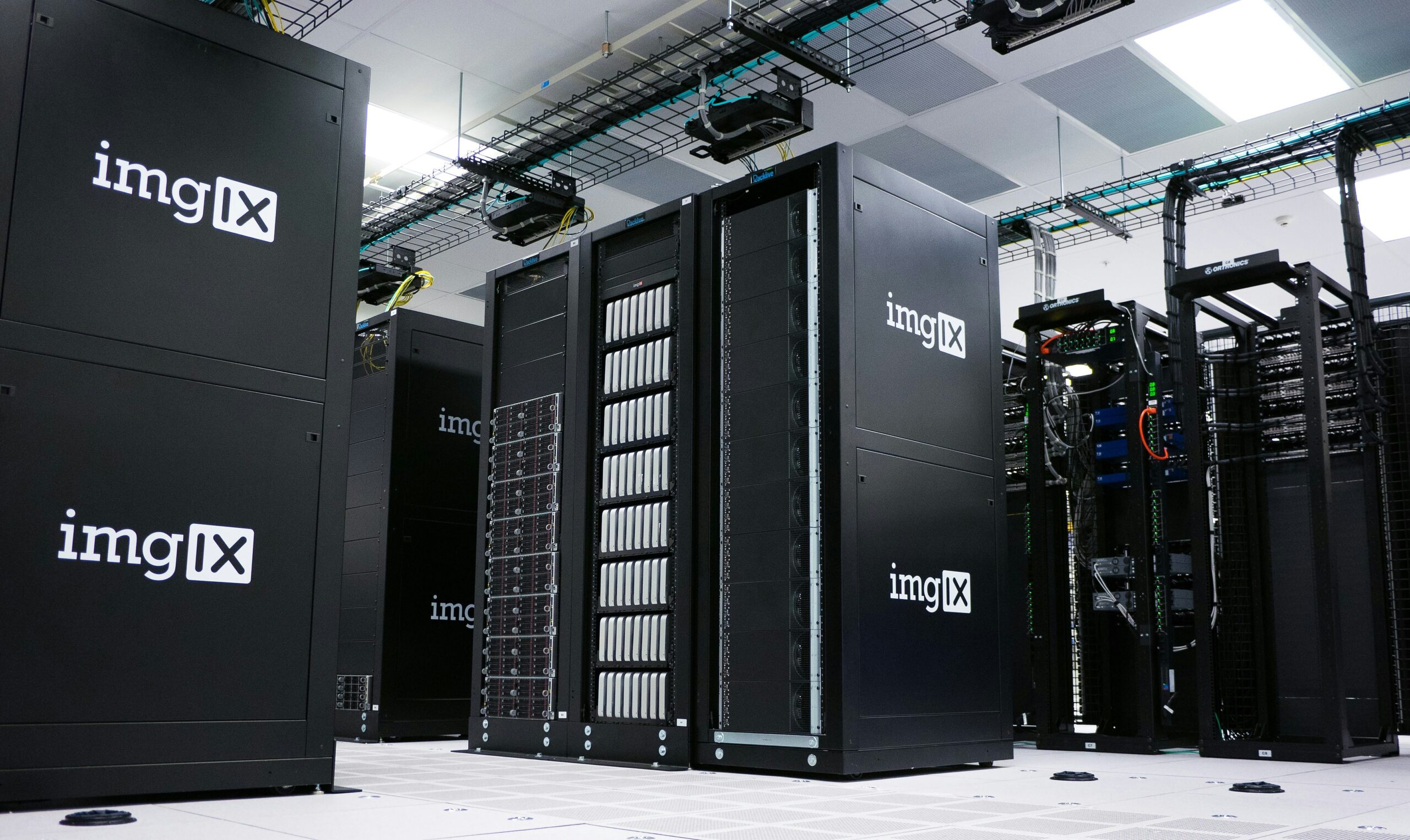
AI data centers are using far more water than Big Tech reports. As Microsoft, Google, Amazon and Meta expand AI infrastructure, the hidden water cost of artificial intelligence is becoming a major environmental and political risk.
The AI boom has a water problem Big Tech would rather keep in the background
The public story of artificial intelligence has focused on chips, cloud computing, Nvidia GPUs, trillion-dollar capex, and the race to dominate generative AI. But the physical infrastructure behind that boom is exposing a much less convenient truth: AI data centers are consuming enormous amounts of water, and most major technology companies still do not report the full scale of that usage.
That is the core takeaway from a new Wall Street Journal report examining how AI data center water use is being counted, disclosed, and in some cases understated. The article argues that the environmental burden of AI is materially larger than many sustainability reports suggest because the biggest tech companies usually emphasize direct water use at the data center itself, while excluding or downplaying indirect water use tied to electricity generation.
That distinction is not a technical footnote. It is the heart of the story.
If AI data centers are using far more water than the public is being told, then the debate over AI infrastructure, sustainability, data center expansion, local water stress, and Big Tech environmental accountability is about to become much more intense.
AI data center water use is much bigger than the official numbers suggest
To understand why this matters, you need to separate two different types of water consumption:
1. Direct water use
This is the water used onsite at a data center, mainly for cooling servers, chips, and related infrastructure.
2. Indirect water use
This is the water used offsite to generate the electricity that powers those data centers, especially when power comes from water-intensive sources such as coal, nuclear, or certain gas generation systems.
According to the WSJ’s reporting, most major tech companies report direct water use but not the full indirect water burden created by powering AI infrastructure. Among the largest firms discussed, Meta is an exception in that it includes water consumed at power plants in its accounting, while companies such as Microsoft, Google, and Amazon generally center disclosures on their operational or onsite use.
This matters because indirect water use can dwarf the direct number. The WSJ report cites a 2024 Lawrence Berkeley National Laboratory analysis finding that in the United States, indirect water consumption tied to data centers has historically been about 12 times greater than direct water consumption.
That single point changes the entire framing of the AI sustainability debate.
When a company says its data centers used X gallons of water, that figure may describe only a narrow operational slice of the actual resource burden. The broader environmental cost of artificial intelligence water consumption may be far higher.
Why AI data centers use so much water
The short answer is simple: AI is computationally brutal.
Training and serving large language models, recommendation engines, multimodal systems, and enterprise AI workloads requires massive clusters of high-performance chips operating at high density for long periods. Those chips generate heat. Lots of it. The hotter and denser the compute, the more critical cooling becomes.
That is why AI data center cooling systems sit at the center of the water debate.
Many facilities still rely on evaporative cooling, a method that can be energy efficient but highly water intensive. Newer closed-loop systems can reduce or nearly eliminate ongoing direct water consumption once filled, but most existing data centers were not designed around those newer approaches. Retrofitting them at scale is expensive and slow.
So the AI buildout is colliding with a stubborn infrastructure reality:
- AI needs huge compute clusters
- huge compute clusters create huge cooling loads
- cooling often requires water
- and the electricity feeding those clusters can require still more water upstream
That is why AI water consumption is no longer a niche sustainability topic. It is becoming a first-order infrastructure issue.
Google, Meta, Microsoft and Amazon are all expanding AI infrastructure — and the water footprint is rising with it
The companies driving the AI buildout are spending at extraordinary scale. Microsoft, Google, Amazon and Meta are collectively pouring money into hyperscale data centers, AI model training infrastructure, power procurement, and cloud capacity. WSJ reports that these firms are among the tech giants spending roughly $1 trillion across this year and last on AI infrastructure.
The water implications are becoming harder to ignore.
Google’s newly released sustainability reporting shows that the company consumed 10.9 billion gallons of water in 2025, up 34% from 2024, with almost all of it tied to data-center cooling, according to the WSJ summary. A paper cited in the article estimates Google’s indirect water use may be roughly three times its direct water use.
Meta
Meta’s 2024 indirect water use was reported by WSJ at 19 billion gallons, more than 20 times its direct water use. That figure is important not just because of the scale, but because it shows how radically total water burden can change once indirect electricity-related consumption is included.
Amazon
Amazon recently disclosed that its global data center operations withdrew about 2.5 billion gallons of water in 2025, while also stressing improvements in water efficiency. But that figure refers to the company’s operational footprint and does not by itself resolve the indirect water question that now sits at the center of the AI data center debate.
Microsoft
Microsoft has promoted plans for zero-water data center designs and pledged that future facilities will use closed-loop cooling technologies, with new data center designs rolling out starting in 2027. But the larger question remains the same: even if direct water use falls, how much water is still being consumed through the power systems that keep AI infrastructure running?
The most important number in the AI water debate may be the one Big Tech does not highlight
This is where the WSJ report becomes especially important for educated readers, investors, policy analysts, and anyone following AI infrastructure.
The central issue is not whether Big Tech is “lying” about water use. It is that the scope of disclosure is often narrower than the scope of the real environmental burden.
That difference can produce a cleaner narrative than the underlying reality:
- companies highlight onsite efficiency
- sustainability reports focus on what falls inside operational boundaries
- renewable energy credits soften the optics of power demand
- but local water systems still bear the physical cost of cooling and electricity generation
Google, Amazon and Apple, for example, have long emphasized renewable-energy matching strategies. But critics argue that offsetting electricity use is not the same thing as eliminating water consumption in the specific regions where data centers operate. If a power-hungry facility sits in a water-stressed geography, a renewable credit generated elsewhere does not refill the local aquifer or cool local political anger.
That is why AI data center transparency is becoming such a potent issue. The argument is no longer only about climate branding or annual ESG reports. It is about whether the public is getting a truthful picture of the physical cost of the AI economy.
AI data centers and water scarcity are on a collision course
Water use would be controversial even if the data center boom were happening in water-rich, low-conflict regions. But that is not always where the infrastructure is landing.
Data centers often chase some combination of:
- cheap land
- fast permitting
- tax incentives
- transmission access
- proximity to customers and network hubs
- abundant power, including fossil generation
- favorable state-level industrial policy
The problem is that these conditions do not always line up with water abundance.
WSJ notes that cheap land and cheap power can place data centers in high water-stress regions, and some new projects are being paired with dedicated natural-gas generation. That raises the prospect of local communities effectively competing with AI infrastructure not only for electricity and land use, but for freshwater as well.
This is not theoretical. In California’s Imperial Valley, a proposed AI data center project seeking 287 million gallons of Colorado River water has triggered a legal and political fight over whether scarce Western water should be redirected toward data center development.
As more AI facilities are proposed in drought-prone or fast-growing regions, data center water consumption is likely to become one of the defining local political issues of the AI era.
The AI industry keeps talking about energy. Water may be the bigger long-term political risk.
For the past two years, most scrutiny of AI infrastructure has focused on electricity demand, grid stress, carbon emissions, and the scramble for generation capacity. Those issues are still critical. But water may prove even more explosive politically for one reason: people experience water scarcity locally and immediately.
Electricity is abstract for many voters until prices spike or blackouts hit. Water is different. If residents believe a new AI data center is drawing from the same scarce supply they depend on for homes, farming, or municipal resilience, the backlash becomes visceral.
That helps explain why data centers are running into mounting resistance across the United States. The WSJ report notes that lack of transparency, extensive use of NDAs, and incomplete public information have fueled suspicion in communities where large projects are proposed. It also cites climate consulting firm Carbon Direct, which says $170 billion of AI data center capacity has been blocked, stalled, or canceled since 2024.
This is the political economy of AI in its next phase:
- Wall Street wants scale
- cloud providers want capacity
- chipmakers want demand
- local governments want investment
- but communities want answers about water, land, pollution, and power
And right now, the answers are not nearly good enough.
Can AI data centers reduce water use? Yes. Can they eliminate the problem? Not so easily.
There are real technical pathways to improve the situation.
Closed-loop cooling
Closed-loop systems can drastically cut direct water use because they do not continuously evaporate large volumes of water after the system is filled. Nvidia has promoted this approach, and Microsoft has committed to similar designs for new facilities.
Water reuse and recycling
The U.S. EPA has launched initiatives aimed at increasing water reuse for data center cooling, reflecting growing federal awareness that AI infrastructure is becoming a significant industrial water challenge.
Smarter siting
Locating new data centers in regions with less water stress, better reclaimed-water systems, and lower water-intensity power mixes could reduce both direct and indirect water burden.
Cleaner electricity
Because indirect water use depends heavily on how electricity is generated, shifting away from water-intensive power sources matters as much as improving cooling hardware.
But none of these fixes erase the deeper structural issue: AI demand is rising faster than efficiency gains can comfortably absorb.
Even if every new data center is more water-efficient per unit of compute, the total number of data centers, GPUs, training runs, and inference workloads may still push overall water demand sharply higher. That is the same pattern already visible in emissions and electricity use across the AI sector.
Efficiency helps. Growth can overwhelm efficiency.
Why the AI water story matters for investors, regulators and anyone building on top of Big Tech
The WSJ story is not just an environmental feature. It is a warning about the next set of constraints on the AI economy.
For investors
Water risk is becoming infrastructure risk. Data center projects can face permitting delays, local backlash, litigation, cost inflation, and reputational damage if water use is poorly disclosed or politically untenable.
For regulators
Expect growing pressure for more rigorous reporting standards that distinguish between:
- water withdrawal
- water consumption
- direct operational use
- indirect electricity-related use
- local water stress context
- water replenishment claims versus actual depletion
For local governments
The economic pitch for data centers — jobs, tax base, prestige, and industrial growth — may not be enough if communities conclude they are subsidizing facilities that intensify water scarcity without producing broad local benefit.
For enterprises buying AI capacity
Companies rushing to build on top of hyperscaler AI infrastructure may eventually face tougher scrutiny from customers, investors, and employees about the hidden environmental costs of the compute they consume.
In other words, AI data center water usage is no longer a side story. It is becoming part of the business case for AI itself.
The real cost of AI is becoming impossible to hide
The myth of the digital economy is that it feels weightless. AI products appear on screens as if they were pure software — frictionless, scalable, and abstract. But artificial intelligence is increasingly one of the most physical businesses in the world.
It depends on:
- land
- substations
- gas plants
- fiber routes
- cooling towers
- steel and concrete
- semiconductors
- and vast quantities of water
That is why the WSJ report matters. It exposes a gap between the story Big Tech likes to tell about responsible AI growth and the more uncomfortable reality of what it takes to power that growth on the ground.
The next chapter of the AI boom will not be judged only by model performance, enterprise adoption, or trillion-dollar valuations. It will also be judged by whether the companies building the AI future are willing to disclose — and ultimately reduce — the real environmental cost of their infrastructure.
Right now, on water at least, the industry still looks far less transparent than it should.
Final takeaway
AI data centers are using far more water than most Big Tech disclosures suggest, and that gap is quickly becoming one of the most important sustainability stories in the AI economy. The more Microsoft, Google, Amazon, Meta and other infrastructure giants accelerate AI spending, the more scrutiny they will face over data center water use, indirect water consumption, cooling systems, power generation, and local water stress.
For years, the defining question in AI was who would win the compute race.
A better question now may be: who will pay the environmental price of winning it?
Source: https://www.wsj.com/tech/ai/ai-data-centers-water-use-901e2902?mod=hp_lead_pos8


0 Comments