
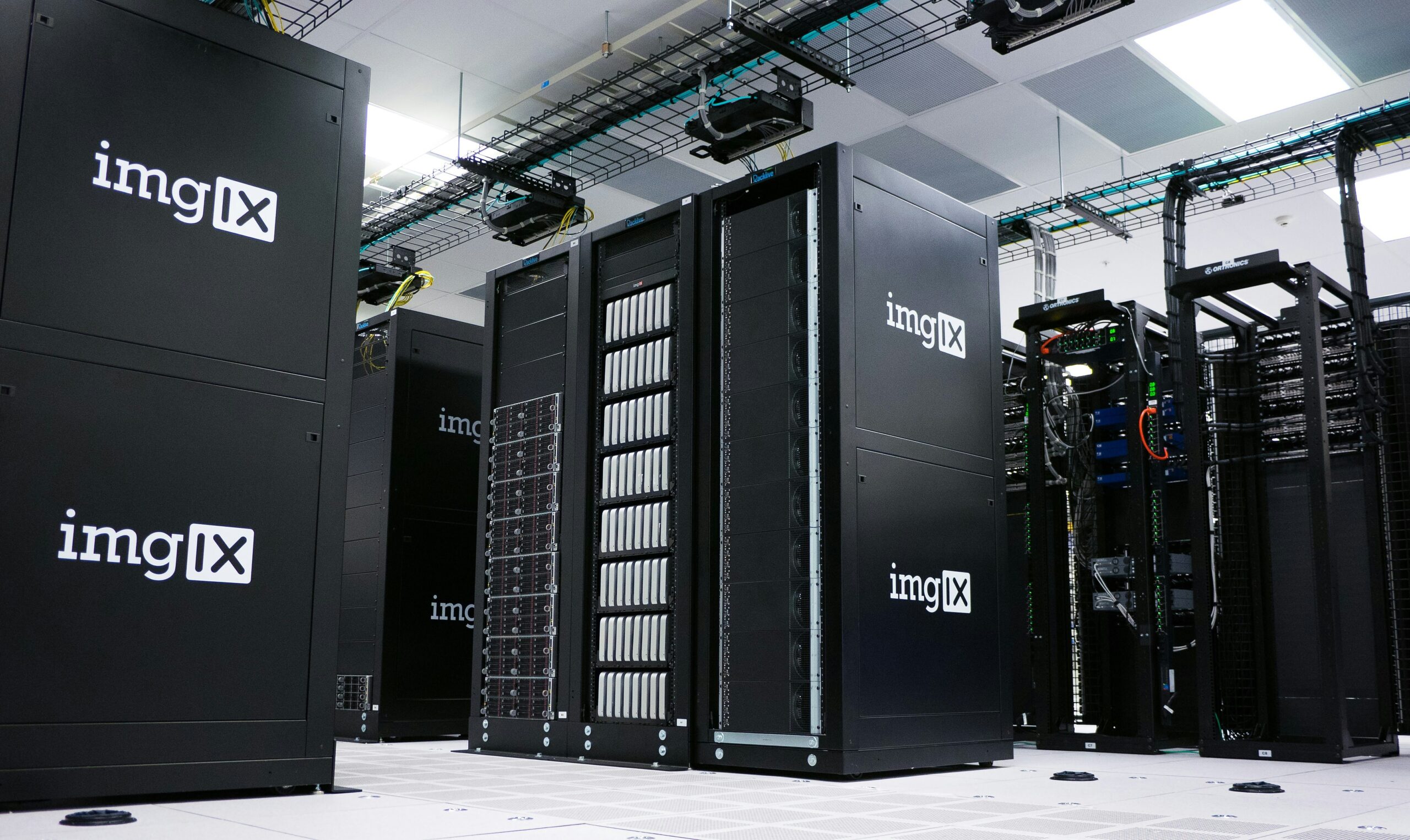
SpaceX has signed a $6.3 billion AI computing agreement with Reflection AI, highlighting the explosive growth of AI infrastructure, Nvidia GPU demand, data center investments, and the future of open-source artificial intelligence.
Focus Keyword: SpaceX AI infrastructure
SpaceX’s $6.3 Billion AI Deal Signals a New Era in the Artificial Intelligence Infrastructure Race
The global artificial intelligence race just entered another phase of escalation.
In a landmark agreement that underscores the growing importance of AI infrastructure, SpaceX has signed a multibillion-dollar computing deal with AI startup Reflection AI, granting the company access to advanced Nvidia-powered computing resources housed within the Colossus 2 data center ecosystem. The agreement is reportedly worth up to $6.3 billion through 2029 and highlights a dramatic shift occurring across the technology industry: AI is no longer simply about software—it is increasingly about who controls the world's most powerful computing infrastructure.
The transaction marks one of the largest AI computing agreements announced in 2026 and further establishes SpaceX as a major force in the rapidly expanding AI infrastructure market. Reflection AI will reportedly pay approximately $150 million per month beginning in July 2026 to access cutting-edge Nvidia GB300 processors and related systems.
For investors, technology executives, policymakers, and AI researchers, this deal offers a glimpse into the future of artificial intelligence—and why compute power may become the most valuable commodity in the digital economy.
The AI Infrastructure Arms Race Is Accelerating
For years, discussions about artificial intelligence focused primarily on algorithms, machine learning breakthroughs, and software innovation.
That narrative has changed dramatically.
Today's most advanced AI systems require unprecedented levels of computational power. Training next-generation models demands hundreds of thousands of specialized processors operating continuously for weeks or months.
As a result, a new competition has emerged.
The winners in artificial intelligence may not simply be the companies building the best models. They may be the organizations that control the infrastructure powering them.
This is exactly where SpaceX has positioned itself.
The company's Colossus computing ecosystem has become one of the largest AI computing platforms in the world, providing enormous processing capacity for AI training and inference workloads.
Why the Reflection AI Deal Matters
Reflection AI is one of the fastest-growing players in the open-source AI movement.
Backed by major technology investors and Nvidia, the company aims to develop large-scale AI models that can compete with proprietary systems developed by industry leaders. Access to sufficient computing resources has long been one of the greatest challenges facing open-source AI developers.
The SpaceX agreement effectively solves that problem.
Under the deal, Reflection receives immediate access to Nvidia GB300 hardware, considered among the most advanced AI chips currently available. This gives the startup the ability to scale model development much faster than would otherwise be possible.
The agreement demonstrates a broader trend sweeping across the AI industry:
Compute is becoming the new oil.
Companies that secure large amounts of computing capacity gain a substantial competitive advantage in model development, deployment, and commercialization.
Nvidia Continues to Dominate the AI Economy
One of the biggest beneficiaries of the AI boom remains Nvidia.
The chips involved in the Reflection-SpaceX deal are Nvidia GB300 systems, which represent the latest generation of AI accelerators designed specifically for training and running large language models.
Virtually every major AI company now depends on Nvidia hardware.
This dependence has created intense competition for GPU supply and has pushed data-center operators to invest billions in infrastructure capable of supporting these increasingly power-hungry systems.
The demand for advanced AI chips has become so intense that compute availability often determines how quickly companies can innovate.
SpaceX Is Becoming More Than a Space Company
Many investors still view SpaceX primarily as a rocket-launch company.
That perception is rapidly becoming outdated.
The company's strategy increasingly revolves around three interconnected businesses:
- Space transportation
- Satellite connectivity
- AI infrastructure
Recent agreements involving AI compute capacity suggest that SpaceX sees data centers and AI services as a major long-term growth engine. The Reflection deal follows other large-scale AI infrastructure agreements and reinforces the company's ambition to become a central provider of compute power.
This diversification could significantly alter how markets value the company over the coming years.
The Rise of Colossus
The Colossus supercomputer has become one of the most important AI infrastructure assets in the United States.
Originally developed to support AI initiatives connected to Elon Musk's broader technology ecosystem, the platform has expanded into a massive computing operation capable of serving external customers.
Colossus is increasingly being viewed as a commercial AI utility.
Instead of every startup building its own billion-dollar infrastructure stack, companies can rent access to high-performance computing resources.
This mirrors the transformation that occurred in cloud computing during the 2000s, when businesses shifted from operating physical servers to renting capacity from cloud providers.
AI infrastructure appears to be following a similar trajectory.
Open-Source AI Gains Momentum
One of the most important aspects of the Reflection agreement is its connection to the growing open-source AI movement.
Until recently, many of the most advanced AI systems were controlled by a small number of large corporations.
Open-source developers have argued that this concentration creates risks for innovation, transparency, and competition.
Reflection positions itself as a champion of open models that can be modified, improved, and deployed by organizations worldwide. The company's leadership argues that broader access to AI technology strengthens the ecosystem and reduces dependence on closed systems.
The ability to access world-class compute resources could dramatically improve the competitiveness of open-source alternatives.
Why Investors Are Paying Attention
Wall Street increasingly views AI infrastructure as one of the largest investment opportunities of the decade.
Several trends support this thesis:
Massive Capital Spending
Technology companies are spending hundreds of billions of dollars building AI facilities, purchasing chips, and expanding power capacity.
Growing Demand for Compute
Every new AI application requires infrastructure to train and operate increasingly sophisticated models.
Long-Term Revenue Visibility
Large compute contracts often extend for years, providing predictable recurring revenue streams. The Reflection agreement alone could generate approximately $6.3 billion over its duration.
Strategic Importance
Governments increasingly view AI capabilities as essential to economic competitiveness and national security.
The Energy Challenge Behind AI
As AI computing scales, electricity demand is becoming one of the industry's greatest challenges.
Advanced AI clusters consume enormous amounts of power.
Industry experts increasingly describe energy as the primary bottleneck facing future AI growth. Data centers must secure reliable electricity, cooling systems, networking infrastructure, and physical space before deploying new hardware.
This reality is driving investment not only in chips and software but also in power generation, utilities, and grid modernization.
The future AI economy may depend just as much on energy infrastructure as it does on algorithmic innovation.
What This Means for the Future of Artificial Intelligence
The Reflection-SpaceX agreement represents far more than a business contract.
It illustrates the emergence of a new technological landscape where computing infrastructure functions as the foundation of economic power.
Over the next decade, the AI industry is expected to divide into two groups:
- Companies that own or control massive compute resources.
- Companies that must rent access from infrastructure providers.
As demand continues to surge, ownership of advanced AI infrastructure could become one of the most valuable strategic assets in the global economy.
Conclusion: Compute Power Is the New Battleground
The SpaceX-Reflection AI agreement may ultimately be remembered as another milestone in the global AI infrastructure boom.
The deal demonstrates that access to computing power is becoming as important as access to talent, capital, or intellectual property. It also reinforces the growing role of SpaceX as a major AI infrastructure provider rather than simply an aerospace company.
For investors, technology leaders, and policymakers, the message is increasingly clear:
The future of artificial intelligence will be determined not only by who builds the smartest models—but by who owns the machines capable of running them.
SEO Keywords: SpaceX AI infrastructure, Reflection AI, Colossus data center, AI computing power, Nvidia GB300, AI data centers, AI infrastructure investment, open-source AI, Elon Musk AI strategy, AI compute capacity, artificial intelligence market, future of AI infrastructure, SpaceX data center business, AI industry trends 2026.
Source: https://www.cnbc.com/2026/06/22/spacex-ai-colossus-data-center-reflection.html




0 Comments