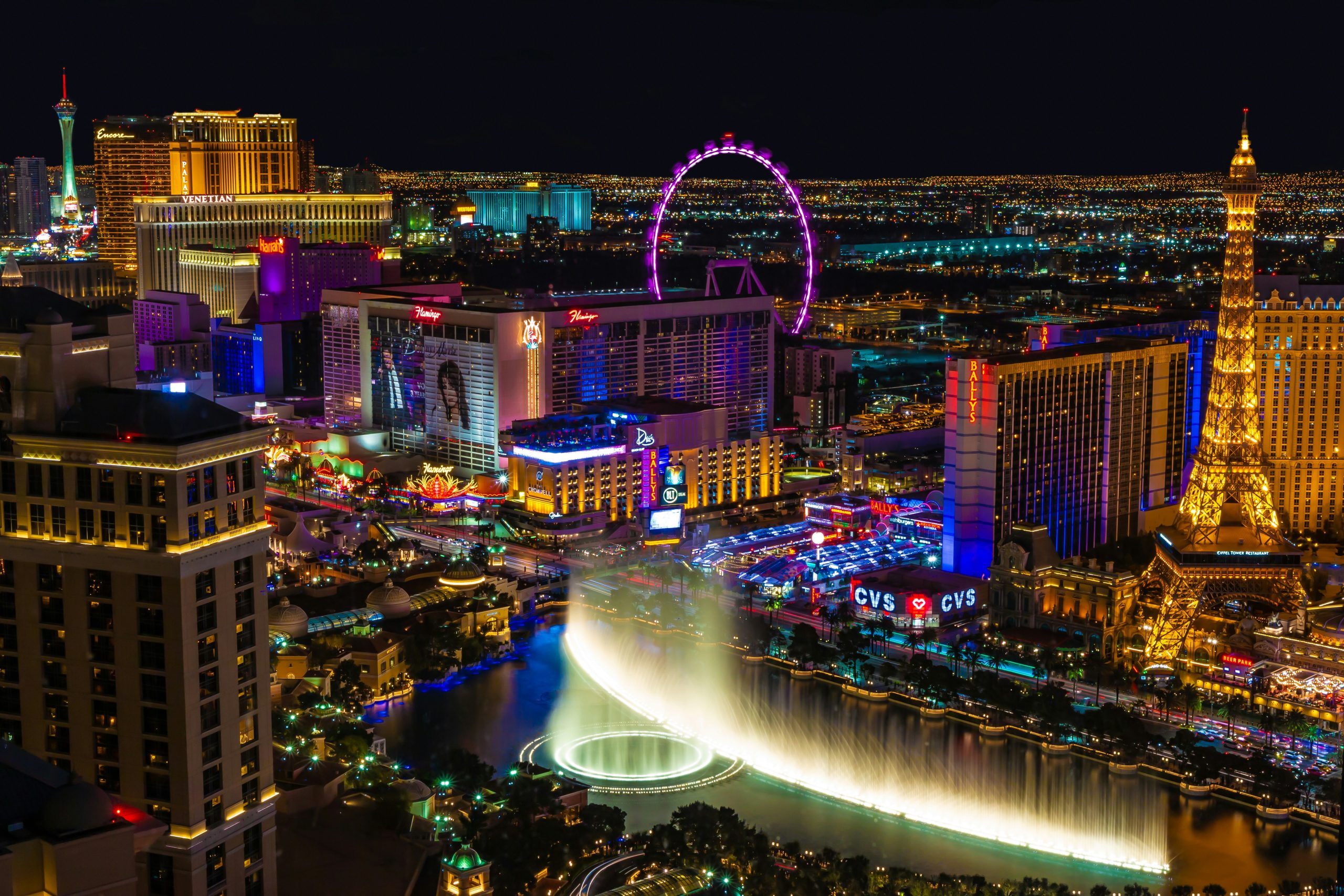
Las Vegas is transforming into a luxury tourism powerhouse. Discover how affluent travelers, Formula One, premium resorts, and high-end experiences are reshaping the Las Vegas economy in 2026.
Focus Keywords: Las Vegas luxury tourism, wealthy travelers Las Vegas, Las Vegas tourism trends 2026, luxury travel industry, Las Vegas economy, luxury hotels Las Vegas
Las Vegas Is Betting on the Rich: How Luxury Tourism Is Reshaping America’s Entertainment Capital
For generations, Las Vegas represented something uniquely American: affordable excess. Visitors could book cheap hotel rooms, enjoy inexpensive buffets, watch world-class entertainment, and gamble under bright neon lights without spending a fortune.
Today, that version of Las Vegas is rapidly disappearing.
In its place stands a new economic model centered on luxury tourism, affluent travelers, premium entertainment, and high-end hospitality experiences. The transformation is not merely changing how tourists experience the city—it is fundamentally altering the economics of one of the world’s most recognizable travel destinations.
As wealthy consumers continue to outspend middle-income travelers despite economic uncertainty, Las Vegas has increasingly repositioned itself as a luxury destination capable of competing with global tourism hubs such as Monaco, Singapore, Dubai, and Macau.
The implications extend far beyond the Strip. The shift offers valuable insights into evolving consumer behavior, wealth concentration, hospitality industry trends, and the future of tourism itself.
The End of Cheap Vegas
For decades, casinos subsidized much of the Las Vegas experience.
Hotel rooms were often offered at exceptionally low rates because casinos expected visitors to spend heavily on gambling. Restaurants operated as traffic generators. Buffets became iconic symbols of value. Entertainment tickets were frequently discounted.
That strategy worked in an era when gaming revenue dominated the local economy.
However, the economics of Las Vegas have changed dramatically.
Today, travelers increasingly encounter higher room rates, resort fees, parking charges, expensive dining options, and premium-priced attractions. Many longtime visitors have noticed that a trip to Las Vegas now costs significantly more than it did before the pandemic.
The city’s transformation reflects a broader shift occurring throughout the travel industry. Businesses are discovering that maximizing revenue per customer often generates stronger returns than maximizing visitor volume.
Las Vegas operators are no longer competing primarily on affordability. They are competing on exclusivity, convenience, and premium experiences.
Why Wealthy Travelers Matter More Than Ever
The most important story behind Las Vegas’ evolution is the changing profile of its visitors.
Affluent households have become increasingly important to the city’s tourism ecosystem. Visitors earning six-figure incomes now represent a significantly larger share of travelers than they did just a few years ago.
This trend mirrors broader economic developments across North America.
High-income consumers have benefited disproportionately from rising stock markets, real estate appreciation, business ownership, and investment gains. While inflation has pressured many households, wealthier consumers have continued spending aggressively on travel, dining, entertainment, and luxury experiences.
For Las Vegas, this creates an attractive opportunity.
A single affluent traveler may spend thousands of dollars on luxury accommodations, fine dining, VIP experiences, premium entertainment, designer shopping, and exclusive nightlife.
From a profitability perspective, attracting one high-spending visitor can be more valuable than attracting several budget-conscious tourists.
That reality is increasingly shaping business decisions throughout the city.
The Rise of Experience-Based Tourism
Another major factor driving Las Vegas’ success is the growth of the experience economy.
Modern consumers increasingly prioritize memorable experiences over material possessions. Instead of purchasing luxury products, many affluent individuals are choosing to spend money on travel, entertainment, and unique events.
Las Vegas is uniquely positioned to capitalize on this trend.
The city offers a concentration of experiences that few destinations can match:
- Celebrity-chef restaurants
- Luxury shopping districts
- Major sporting events
- Exclusive nightclubs
- High-profile concerts
- VIP hospitality packages
- Immersive entertainment venues
As consumers seek experiences worthy of social sharing and personal fulfillment, Las Vegas continues expanding its portfolio of premium attractions.
The city is no longer simply selling hotel rooms and casino chips.
It is selling access, exclusivity, and unforgettable moments.
The Sphere Revolution
Few developments better symbolize the new Las Vegas than the Sphere.
The technologically advanced entertainment venue has become one of the most recognizable attractions in modern tourism. Featuring immersive visual displays and cutting-edge production capabilities, the Sphere represents a significant departure from traditional entertainment formats.
Its success demonstrates how tourism economics are evolving.
Visitors are increasingly willing to pay premium prices for experiences they cannot replicate elsewhere. The Sphere offers exactly that proposition.
For Las Vegas, attractions like the Sphere help justify higher spending across the broader tourism ecosystem. Visitors attending premium events often extend their stays, book luxury accommodations, dine at upscale restaurants, and participate in additional entertainment activities.
The result is a multiplier effect that benefits hotels, restaurants, retailers, and transportation providers throughout the region.
Formula One Elevated Las Vegas Into a Global Luxury Brand
The arrival of Formula One marked another turning point.
Unlike many sporting events, Formula One attracts a uniquely affluent audience. Corporate executives, investors, entrepreneurs, luxury brands, and international travelers converge around race weekends, generating enormous economic activity.
The Las Vegas Grand Prix has helped reposition the city as a destination capable of hosting elite global events.
The benefits extend beyond ticket sales.
Luxury suites, VIP hospitality packages, sponsorship agreements, premium accommodations, private transportation services, and exclusive dining experiences all contribute to substantial economic gains.
More importantly, Formula One has enhanced Las Vegas’ global image.
The city is increasingly viewed not simply as a gambling destination but as an international center for luxury entertainment and premium experiences.
That branding shift may generate benefits for years to come.
Luxury Hotels Are Becoming the Biggest Winners
The hospitality industry sits at the center of Las Vegas’ transformation.
Luxury resorts have benefited tremendously from rising demand among affluent travelers. Properties are investing heavily in premium suites, personalized concierge services, private lounges, wellness amenities, and exclusive guest experiences.
Rather than focusing solely on occupancy rates, hotel operators increasingly emphasize revenue per available room and overall guest spending.
This strategy aligns perfectly with current consumer trends.
High-net-worth travelers often prioritize quality over price. They are willing to pay significantly more for superior service, enhanced privacy, exclusive access, and premium accommodations.
As a result, luxury hotels continue generating strong financial performance despite broader economic uncertainty.
The model has proven particularly effective in Las Vegas, where visitors can access entertainment, dining, shopping, and nightlife within a single integrated resort environment.
The Economic Risks of a Luxury-First Strategy
Despite its financial advantages, Las Vegas’ luxury transformation carries risks.
One concern involves accessibility.
As costs rise, middle-income travelers may increasingly choose alternative destinations offering better value. Popular vacation markets across the United States, Mexico, and the Caribbean continue competing aggressively for tourists seeking affordability.
Another challenge involves economic cycles.
Luxury spending tends to be more resilient than mass-market spending, but it is not immune to recessionary pressures. A significant economic downturn could reduce discretionary spending among affluent consumers and expose vulnerabilities within the city’s premium-focused strategy.
Additionally, policymakers and industry leaders must consider the broader social implications of rising tourism costs.
A destination that becomes too expensive risks alienating the very audience that helped build its reputation.
Balancing profitability with accessibility will remain an important challenge in the years ahead.
What Las Vegas Reveals About the Future of Tourism
The transformation of Las Vegas reflects broader structural changes occurring throughout the global travel industry.
Several powerful trends are converging:
- Rising demand for luxury experiences
- Growth in experiential spending
- Increasing wealth concentration
- Expansion of premium hospitality
- Greater focus on profitability rather than volume
Many destinations are adopting similar strategies.
From luxury cruise operators to premium airlines and high-end resorts, businesses increasingly prioritize affluent consumers whose spending patterns remain relatively stable regardless of economic conditions.
Las Vegas simply represents one of the most visible examples of this phenomenon.
Its evolution offers a glimpse into how tourism may develop over the next decade.
Investment Implications
Investors are paying close attention.
The luxury travel market has become one of the strongest-performing segments within the broader consumer economy. Hospitality companies, casino operators, entertainment providers, and tourism-related businesses all stand to benefit if affluent spending remains robust.
Companies capable of delivering premium experiences often enjoy stronger pricing power, higher margins, and greater customer loyalty than those competing primarily on cost.
Las Vegas demonstrates how a destination can successfully reposition itself around these advantages.
For investors evaluating opportunities within travel, hospitality, entertainment, and consumer discretionary sectors, the city’s transformation provides an important case study in value creation.
Conclusion: A New Era for Las Vegas
Las Vegas is no longer attempting to be America’s cheapest vacation destination.
Instead, it is becoming one of the world’s most sophisticated luxury tourism markets.
From Formula One and the Sphere to five-star resorts and exclusive experiences, the city is embracing a future built around affluent travelers and premium spending.
Whether this strategy proves sustainable over the long term remains to be seen.
What is clear, however, is that Las Vegas has made its choice.
The city that once measured success by the number of visitors is increasingly measuring success by the value each visitor brings.
In the modern tourism economy, attracting the wealthiest travelers may be the biggest jackpot of all.
Word Count: Approximately 1,450
SEO Tags: Las Vegas Luxury Tourism, Las Vegas Economy, Wealthy Travelers, Luxury Travel Industry, Formula One Las Vegas, Sphere Las Vegas, Luxury Hotels, Hospitality Industry Trends, Tourism Economics, Travel Trends 2026, Nevada Economy, Premium Travel Experiences
Source: https://www.wsj.com/business/hospitality/las-vegas-vacation-wealthy-e77c0e63?mod=hp_lead_pos7



0 Comments