
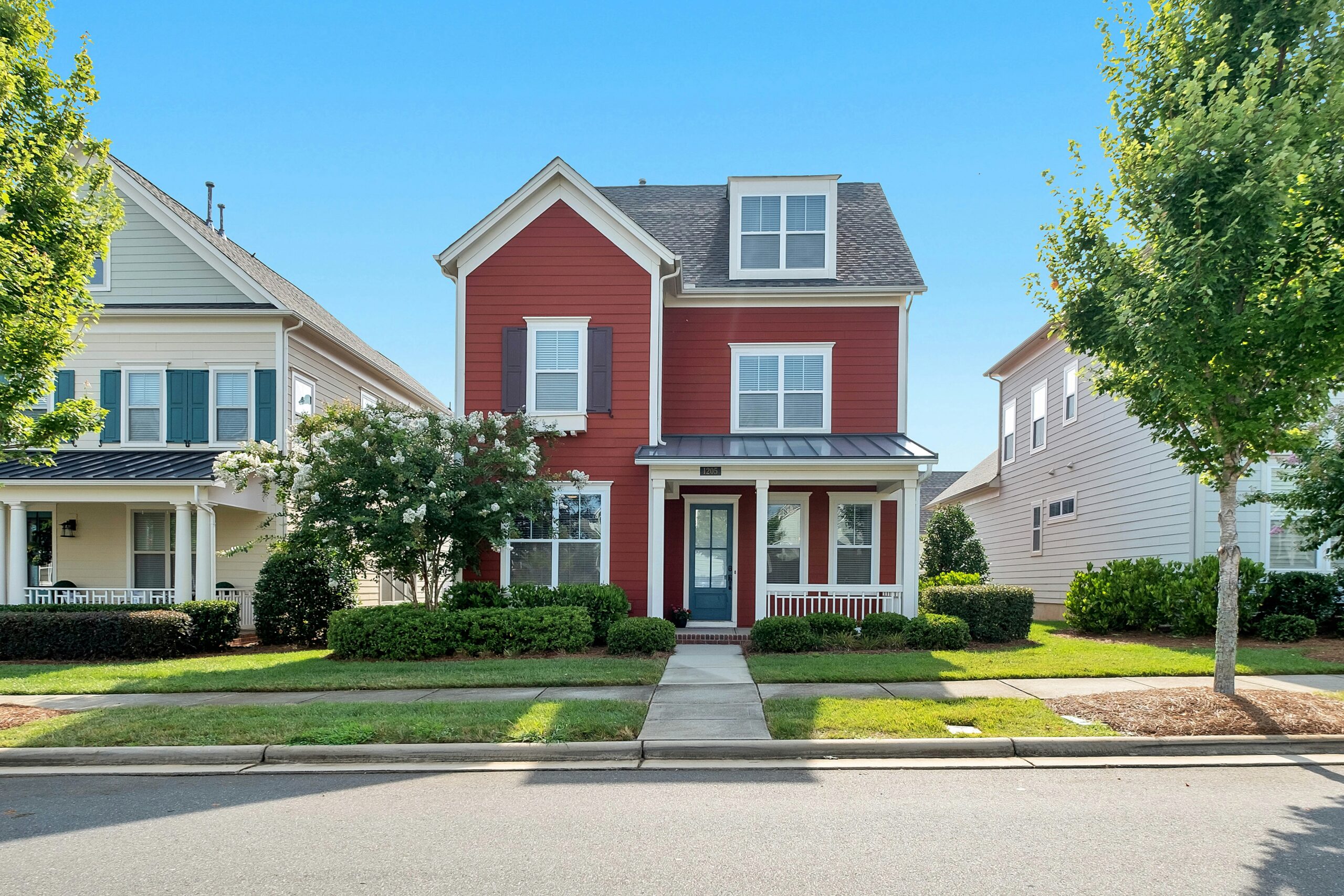
Quebec’s unique rental housing model is under pressure from rising costs, declining affordability, aging apartment buildings, and slowing construction. Discover what’s driving the crisis and what comes next.
Focus Keyword: Quebec rental housing model
Secondary Keywords: Quebec housing crisis, Montreal rental market, apartment buildings Quebec, housing affordability Quebec, Quebec real estate market, rental housing crisis Canada, Quebec housing policy, multifamily housing Quebec
Quebec’s Rental Housing Model Is at Risk as Housing Costs, Regulation, and Supply Pressures Collide
For decades, Quebec was considered one of North America's most successful examples of a rental-focused housing market.
Unlike many regions where homeownership became the dominant housing goal, Quebec developed a distinct ecosystem centered around apartment buildings, long-term tenancy, and relatively affordable rents. The province built an extensive stock of purpose-built rental housing that allowed generations of residents to access stable accommodation without the financial burden of buying a home.
Today, however, that model is showing signs of strain.
A combination of rising operating expenses, affordability challenges, aging apartment inventories, regulatory uncertainty, and insufficient housing construction is creating significant pressure across Quebec’s rental housing sector. Housing experts, developers, landlords, municipalities, and tenant advocates increasingly agree that the province faces a pivotal moment. The question is no longer whether Quebec has a housing problem. The question is whether its traditional rental housing model can survive without substantial reform.
Why Quebec’s Housing Model Has Historically Been Different
Quebec's housing market has long differed from most North American jurisdictions.
Several structural characteristics contributed to this unique model:
- Higher proportions of renters compared with many Canadian provinces
- Strong tenant protections
- Large inventories of purpose-built apartment buildings
- Lower dependence on condominium ownership
- Long-standing acceptance of renting as a permanent housing option
For years, this model provided important economic and social advantages.
Montreal routinely ranked among the most affordable major cities in Canada, attracting students, immigrants, young professionals, and families seeking lower housing costs than those found in Toronto or Vancouver.
The system functioned because landlords could generate reasonable returns while tenants benefited from comparatively affordable rents.
That equilibrium is now becoming increasingly difficult to maintain.
The Economics of Apartment Ownership Have Changed Dramatically
The financial reality facing apartment building owners in 2026 is radically different from what it was only a few years ago.
Property owners across Quebec continue to face substantial increases in:
- Property taxes
- Insurance premiums
- Construction costs
- Utility expenses
- Maintenance costs
- Financing expenses
Interest rate increases have significantly affected borrowing costs, particularly for owners looking to refinance existing properties or fund major renovations.
Meanwhile, many rental buildings constructed in the 1960s, 1970s, and 1980s now require extensive capital investment.
Building owners must increasingly finance:
- Roof replacements
- Elevator upgrades
- Electrical modernization
- Plumbing rehabilitation
- Fire safety improvements
- Energy efficiency retrofits
These investments often amount to millions of dollars for larger multifamily properties.
The result is a growing mismatch between operating costs and rental revenues, creating concerns about the long-term viability of portions of Quebec's rental stock.
Aging Apartment Buildings Represent a Massive Challenge
One of the most underappreciated aspects of Quebec's housing crisis is the age of its rental inventory.
Many apartment buildings that form the backbone of Quebec's rental market are decades old.
Government housing strategy documents acknowledge that preserving existing housing stock is becoming increasingly important because aging buildings require major renovation investments to remain safe, efficient, and habitable. The province has also identified the modernization and preservation of existing rental housing as a critical priority.
This issue matters because replacing aging apartments is often more expensive than maintaining them.
If maintenance costs continue rising faster than rental revenues, building quality could gradually deteriorate.
The consequence would not only be fewer affordable units but also declining housing quality for tenants across the province.
Housing Affordability Continues to Deteriorate
Perhaps the clearest sign of stress within Quebec's housing model is the rapid deterioration in affordability.
The province's rental market has experienced significant rent growth over recent years.
Housing researchers note that affordability pressures remain severe in 2026, with many renters spending increasingly large portions of their income on housing. Reports also indicate substantial rent increases across multiple Quebec regions rather than solely within Montreal.
For many households, housing expenses are consuming larger shares of disposable income.
This creates broader economic consequences:
Reduced Consumer Spending
Higher rent payments leave less money available for goods and services.
Delayed Family Formation
Young adults often postpone major life decisions because of housing uncertainty.
Labor Market Constraints
Workers may decline employment opportunities in high-cost regions.
Reduced Economic Mobility
Households become less able to relocate for better opportunities.
Housing affordability has therefore evolved from a social concern into a major economic competitiveness issue.
New Housing Construction Is Not Keeping Pace
A critical factor behind Quebec's housing challenges is the imbalance between supply and demand.
Population growth has increased demand for housing while numerous barriers continue to slow construction activity.
The Quebec government itself has identified insufficient housing supply as a central driver of the current crisis and has emphasized the need to accelerate development, streamline processes, and increase housing production.
Developers frequently cite obstacles such as:
- Rising financing costs
- Labor shortages
- Material price inflation
- Regulatory delays
- Municipal approval timelines
The consequences are straightforward.
When housing demand rises faster than housing supply, vacancy rates fall and rental prices increase.
Without a substantial increase in apartment construction, affordability challenges are likely to persist.
The Growing Debate Over Housing Regulation
Quebec has some of Canada's strongest tenant protection measures.
These protections have historically played an important role in maintaining housing stability.
However, increasing debate has emerged regarding whether current regulatory frameworks sufficiently balance tenant protections with incentives for investment.
Property owners argue that excessive restrictions can discourage investment in rental housing and reduce incentives to construct new apartment buildings.
Tenant advocacy organizations counter that stronger protections remain necessary to prevent displacement and preserve affordability.
The tension between these two objectives has become one of the defining policy debates in Quebec housing.
Recent data illustrating increases in housing repossession applications and concerns regarding the loss of lower-cost rental units have intensified these discussions.
Montreal Remains Ground Zero for the Crisis
Although housing affordability challenges now affect communities across Quebec, Montreal remains the epicenter of the debate.
The city faces simultaneous pressures from:
- Population growth
- Immigration
- Student demand
- Employment expansion
- Limited housing supply
Montreal's attractiveness as an economic and cultural hub continues to generate strong demand for housing.
At the same time, many residents report increasing difficulty finding affordable apartments.
What was once considered one of Canada's most affordable major urban centers is now confronting many of the same pressures that transformed markets in Toronto and Vancouver.
The difference is that Montreal's identity has long been built upon accessibility and affordability.
That reputation is increasingly at risk.
Why the Future of Quebec’s Housing Model Matters
The implications extend far beyond landlords and tenants.
Housing influences nearly every aspect of economic performance.
A healthy housing market supports:
- Workforce growth
- Business investment
- Population retention
- Consumer confidence
- Economic productivity
Conversely, persistent housing shortages can limit growth and reduce living standards.
When workers cannot find affordable housing, employers face recruitment challenges.
When families cannot secure stable housing, social pressures increase.
When investors perceive excessive uncertainty, new housing development slows.
Housing therefore sits at the intersection of economic policy, social policy, and long-term growth strategy.
Potential Solutions to Prevent a Deeper Crisis
Experts generally agree that no single policy can solve Quebec's housing challenges.
Instead, several complementary strategies are likely necessary.
Accelerate Housing Construction
Increasing supply remains the most important long-term objective.
Preserve Existing Rental Housing
Maintaining aging apartment inventories may be faster and cheaper than replacing them.
Expand Affordable and Social Housing
Housing organizations continue to argue that current affordable housing investments remain insufficient relative to demand.
Encourage Private Investment
New apartment construction requires substantial private-sector participation.
Streamline Regulatory Processes
Reducing development delays could accelerate housing delivery.
Modernize Housing Policy
Governments may need to balance affordability goals with investment incentives more effectively.
The Bottom Line
Quebec's rental housing model has long been one of the province's greatest strengths.
Built around apartment living, tenant stability, and relatively affordable rents, it provided a housing framework that many jurisdictions admired.
But in 2026, that model faces unprecedented pressure.
Rising costs, declining affordability, aging buildings, construction bottlenecks, and growing demand are testing the foundations of Quebec's housing system. Government strategies increasingly acknowledge that expanding supply while preserving existing housing stock will be essential to resolving the crisis.
The stakes extend far beyond real estate.
The future of Quebec's economy, workforce competitiveness, urban growth, and quality of life may depend on whether policymakers, developers, investors, and communities can successfully adapt the province's housing model for a new era.
If they cannot, Quebec risks losing one of the defining advantages that helped make its cities attractive, affordable, and economically resilient for generations.
SEO Tags
Quebec housing crisis, Quebec rental market, Montreal apartment market, Quebec apartment buildings, housing affordability Canada, multifamily real estate Quebec, Quebec housing policy, rental housing shortage, Montreal housing crisis, Quebec real estate trends 2026, apartment investment Quebec, affordable housing Quebec, housing supply Canada, Quebec renters, rental housing economics.



0 Comments