
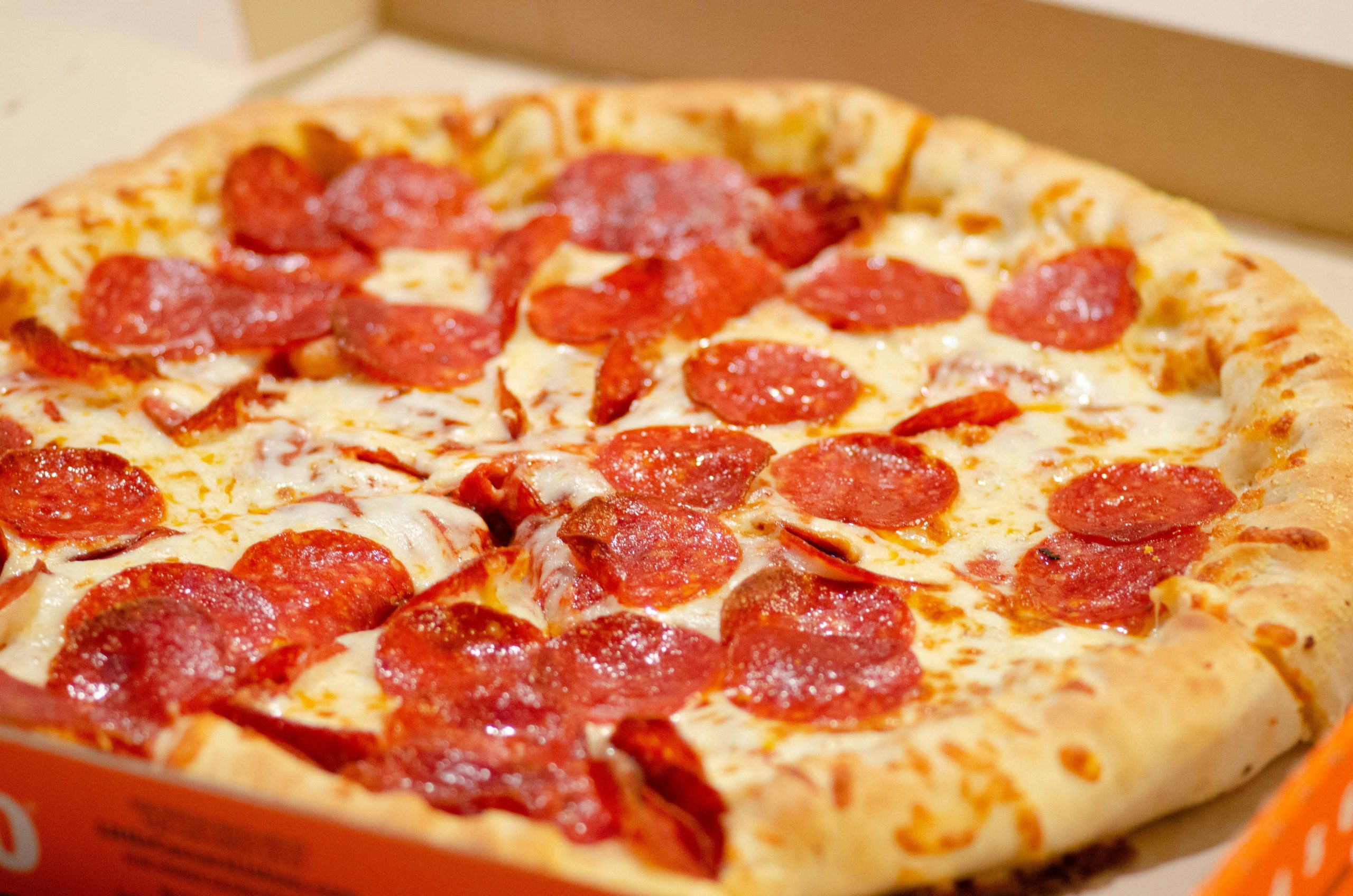
Yum Brands is selling Pizza Hut in a $2.7 billion deal to LongRange Capital and Yum China. Discover the strategic reasons, investor implications, and future of the iconic pizza chain.
Focus Keyword: Yum Brands sells Pizza Hut
Secondary Keywords: Pizza Hut sale, LongRange Capital Pizza Hut, Yum Brands stock, Pizza Hut acquisition, restaurant industry mergers, fast food industry trends, Yum China Pizza Hut, private equity restaurant deals
Slug: yum-brands-sells-pizza-hut-2-7-billion
Yum Brands Sells Pizza Hut for $2.7 Billion in Landmark Fast-Food Industry Deal
In one of the largest restaurant-sector transactions of 2026, Yum Brands has agreed to sell Pizza Hut for approximately $2.7 billion, ending decades of ownership of one of the world's most recognized pizza brands. The transaction will split Pizza Hut between private-equity firm LongRange Capital and Yum China Holdings, creating a dramatic new chapter for the iconic chain.
The deal comes after months of speculation that Yum Brands was evaluating strategic alternatives for Pizza Hut as the company struggled with declining sales, growing competition from digital-first pizza rivals, and changing consumer preferences.
For investors, franchise owners, and restaurant executives, the Pizza Hut sale is more than just a corporate transaction. It represents a major shift in the global quick-service restaurant industry and signals how legacy brands are adapting to a rapidly changing marketplace.
Breaking Down the $2.7 Billion Pizza Hut Deal
Under the agreement, LongRange Capital will acquire Pizza Hut's operations outside mainland China for approximately $1.5 billion.
Meanwhile, Yum China Holdings will purchase the Pizza Hut China business for approximately $1.2 billion.
Both transactions are expected to close during the third quarter of 2026, subject to regulatory approvals and customary closing conditions.
The structure reflects two very different realities within Pizza Hut's global business.
While many Western markets have struggled with slowing growth and declining traffic, Pizza Hut China remains a valuable growth asset with thousands of locations and significant expansion potential.
Why Yum Brands Decided to Sell Pizza Hut
The decision to sell Pizza Hut did not emerge overnight.
Yum Brands began reviewing strategic options for the chain in late 2025 after years of underperformance relative to Taco Bell and KFC. The review included exploring partnerships, restructuring alternatives, and a potential outright sale.
Several challenges contributed to Pizza Hut's decline:
1. Fierce Competition
Pizza Hut has lost market share to competitors that embraced digital ordering, mobile apps, loyalty programs, and faster delivery models.
Companies such as Domino's built technology-driven ecosystems that appealed to modern consumers seeking convenience and speed. Pizza Hut struggled to keep pace.
2. Consumer Spending Pressures
Inflation and higher food costs have reduced discretionary spending across the restaurant sector.
Consumers have become increasingly selective when dining out or ordering delivery, placing pressure on legacy chains with higher operating costs.
3. Changing Consumer Preferences
Industry analysts note that growing health consciousness and the increasing popularity of GLP-1 weight-loss medications have influenced dining habits and food choices, creating additional challenges for traditional pizza chains.
4. Aging Restaurant Footprint
Many Pizza Hut locations were originally designed for dine-in service.
As delivery and takeout became dominant consumer behaviors, these large-format restaurants became less efficient and more expensive to operate.
Pizza Hut's Fall From Industry Giant
Pizza Hut was once the undisputed leader of the global pizza industry.
Founded in 1958, the chain became synonymous with family dining, red-roof restaurants, and pizza delivery. For decades, Pizza Hut dominated the category and expanded internationally at an impressive pace.
However, the digital revolution transformed consumer expectations.
Mobile ordering, real-time tracking, personalized promotions, and ultra-fast delivery became essential competitive advantages.
Pizza Hut often appeared to be reacting to industry changes rather than leading them.
The result was years of declining comparable sales and shrinking market relevance. Reports indicate that Pizza Hut had experienced multiple quarters of disappointing performance before Yum Brands ultimately decided to pursue a sale.
Why LongRange Capital Wants Pizza Hut
Many investors may not be familiar with LongRange Capital.
The private-equity firm emerged as the winning bidder after reportedly outperforming larger competitors during the sales process.
Private-equity firms often seek iconic brands with strong recognition but operational challenges.
Pizza Hut fits that profile perfectly.
Despite recent struggles, Pizza Hut still possesses:
- Massive global brand recognition
- Established franchise infrastructure
- Strong international presence
- Significant delivery business
- Valuable intellectual property
- Loyal customer base
LongRange Capital likely sees an opportunity to unlock value through modernization, operational improvements, technology investments, and franchise optimization.
Industry analysts suggest that private ownership could give Pizza Hut greater flexibility to execute a long-term turnaround strategy away from the pressures of quarterly earnings expectations.
Yum China Gains a Strategic Asset
The China component of the deal may prove equally important.
Yum China already operates several major restaurant brands throughout mainland China and possesses extensive local market expertise.
By acquiring Pizza Hut China for $1.2 billion, Yum China gains full control over a business that continues to show long-term growth potential.
The company reportedly plans to expand Pizza Hut's footprint significantly over the coming years while leveraging its operational scale and local consumer insights.
The transaction also reflects a broader trend of multinational corporations transferring local operations to regionally focused management teams capable of responding more effectively to local market conditions.
Wall Street Loves the Deal
Investors reacted positively to the announcement.
Shares of Yum Brands rose following the news as investors applauded management's decision to streamline operations and focus on higher-growth assets.
The company simultaneously announced a massive $4 billion share repurchase authorization, further boosting investor confidence.
Analysts believe the transaction strengthens Yum Brands in several ways:
- Simplifies the corporate portfolio
- Improves capital allocation
- Increases focus on Taco Bell growth
- Supports KFC international expansion
- Accelerates technology investment
- Enhances shareholder returns
Yum Brands has increasingly positioned itself as a technology-driven restaurant company, and selling Pizza Hut allows management to concentrate resources on faster-growing opportunities.
The Bigger Trend: Private Equity Is Reshaping Restaurants
The Pizza Hut acquisition highlights a growing trend across the restaurant industry.
Private-equity firms are increasingly targeting established restaurant brands that have strong customer awareness but operational inefficiencies.
The rationale is straightforward:
Legacy brands often possess valuable assets that can generate significant returns when combined with modern technology, operational discipline, and strategic restructuring.
Restaurant mergers and acquisitions have accelerated as operators face:
- Slower consumer spending
- Inflation pressures
- Labor shortages
- Digital transformation demands
- Increased delivery competition
Pizza Hut may become one of the most closely watched restaurant turnarounds of the decade.
What Happens Next for Pizza Hut?
The future of Pizza Hut now depends on execution.
LongRange Capital must determine how to modernize the brand while preserving the identity that made Pizza Hut famous worldwide.
Potential initiatives may include:
- Restaurant redesigns
- Enhanced mobile ordering
- AI-driven marketing
- Delivery optimization
- Loyalty program improvements
- Franchise support investments
- International growth initiatives
If successful, Pizza Hut could re-emerge as a stronger competitor in the global pizza market.
If not, the chain risks continuing the gradual decline that ultimately led Yum Brands to divest the business.
Final Analysis: A Defining Moment for Yum Brands and Pizza Hut
The decision by Yum Brands to sell Pizza Hut for $2.7 billion represents one of the most important restaurant industry deals of 2026. The transaction enables Yum Brands to focus on high-growth assets while giving Pizza Hut an opportunity to reinvent itself under dedicated ownership.
For investors, the deal strengthens Yum Brands' strategic position and unlocks billions in capital for buybacks and future growth initiatives. For LongRange Capital, it offers a rare opportunity to acquire one of the world's most recognizable restaurant brands. And for Pizza Hut, it may be the last best chance to stage a meaningful turnaround in an increasingly digital, competitive, and technology-driven food-service market.
As the transaction moves toward completion, the global restaurant industry will be watching closely. The success—or failure—of Pizza Hut's next chapter could become a case study in how iconic brands adapt to the modern economy.
SEO Keywords: Yum Brands sells Pizza Hut, Pizza Hut sale 2026, LongRange Capital Pizza Hut acquisition, Yum Brands stock analysis, Pizza Hut turnaround strategy, restaurant industry mergers, fast food industry news, Yum China Pizza Hut, private equity restaurant deals, Pizza Hut valuation, Yum Brands investor news, restaurant stocks.
Financial Disclaimer: This article is for informational and educational purposes only and should not be considered investment advice, financial advice, or a recommendation to buy or sell any security. Investors should conduct their own research and consult a qualified financial advisor before making investment decisions.




0 Comments