
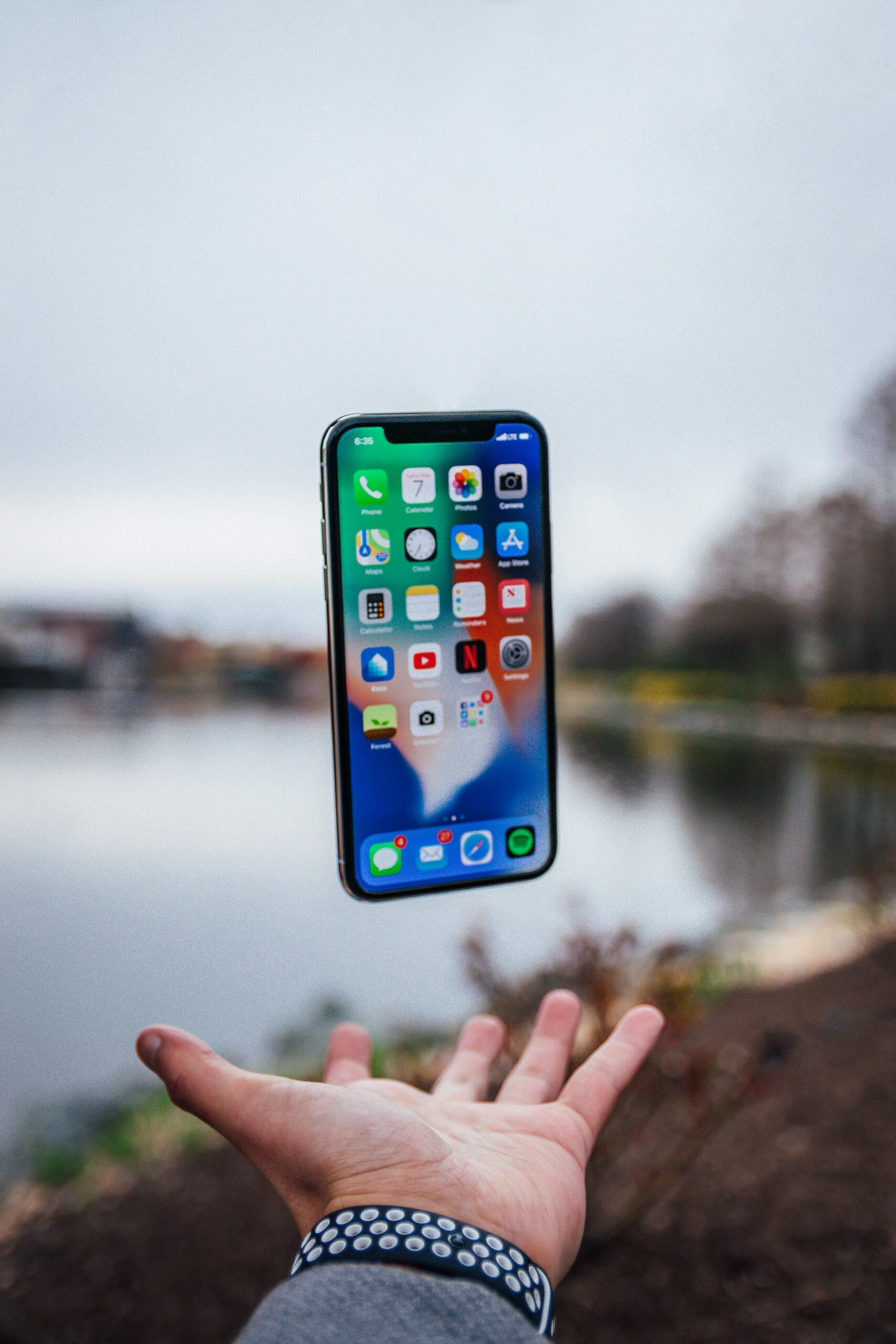
Apple WWDC 2026 unveiled Siri AI, iOS 27, Apple Intelligence upgrades, AI-powered photo editing, and a bold strategy to compete with Google, OpenAI, and Microsoft in the artificial intelligence race.
Focus Keywords: Apple WWDC 2026, Siri AI, Apple Intelligence, iOS 27, Apple AI strategy, AI-powered Siri, WWDC announcements, Apple artificial intelligence
Apple WWDC 2026 Marks a Turning Point in the Global AI Race
For years, Apple has been criticized for moving cautiously while rivals raced ahead in artificial intelligence. Companies such as Google, Microsoft, OpenAI, and Meta captured headlines with increasingly powerful AI products, while Apple focused on incremental improvements and privacy-first computing.
At WWDC 2026, that perception changed dramatically.
Apple's annual Worldwide Developers Conference delivered the strongest signal yet that the company intends to become a major force in the AI era. The event showcased a completely reimagined Siri, deeper Apple Intelligence integration, AI-powered productivity tools, advanced photo editing features, and a sweeping redesign of the software experience across Apple devices. Analysts widely view the conference as Apple's most significant software event since the introduction of the iPhone App Store.
The central theme of WWDC 2026 was clear: artificial intelligence is no longer an experimental feature within Apple's ecosystem—it is becoming the foundation of the company's future.
Siri AI Is Finally Here
The biggest announcement from WWDC 2026 was the launch of Siri AI, a major overhaul of Apple's digital assistant that introduces generative AI capabilities, contextual understanding, and conversational intelligence. Apple described the new Siri as capable of understanding complex requests, maintaining context across conversations, and performing sophisticated multi-step actions across apps and services.
Unlike previous versions that often struggled with nuanced commands, Siri AI is designed to function more like an intelligent assistant than a voice-controlled search tool. Users can create itineraries, summarize information, manage workflows, edit content, and retrieve personal information through natural conversation.
The upgrade addresses one of Apple's most visible weaknesses in the AI era and positions Siri as a direct competitor to AI assistants offered by Google and Microsoft.
Apple Intelligence Becomes the Operating System's Brain
A major takeaway from WWDC 2026 is that Apple Intelligence is evolving from a standalone feature into a system-wide intelligence layer.
Instead of asking users to launch dedicated AI applications, Apple is embedding intelligence directly into daily activities. AI-powered suggestions now appear in messaging, productivity tools, reminders, note-taking, photo management, browsing, and system navigation. This strategy reflects Apple's traditional strength: integrating technology seamlessly into the user experience rather than forcing users to learn entirely new workflows.
For developers, Apple introduced expanded tools that allow AI functionality to be integrated directly into third-party applications, potentially accelerating innovation throughout the App Store ecosystem. This could create one of the largest AI software ecosystems in the world given Apple's massive installed user base.
iOS 27 Introduces Apple's Most Important Software Upgrade in Years
The release of iOS 27 represents far more than an annual software refresh.
Apple has woven artificial intelligence throughout the operating system. New features include intelligent messaging assistance, predictive productivity tools, natural-language shortcuts, smarter reminders, contextual recommendations, and improved personalization. AI is no longer isolated inside Siri; it influences nearly every major user interaction.
This approach mirrors a broader shift occurring throughout the technology industry. Rather than treating AI as a separate product category, leading companies are embedding intelligence into operating systems themselves.
For Apple, this strategy may prove especially effective because the company controls both the hardware and software stack, allowing tighter optimization than competitors can achieve.
The Strategic Importance of Apple's AI Partnerships
Perhaps the most surprising aspect of WWDC 2026 was Apple's apparent willingness to collaborate externally to accelerate AI development.
Reports indicate that Google's Gemini technology plays a significant role in powering elements of the new Siri AI experience. Such collaboration would represent a major strategic shift for a company historically known for building key technologies internally.
This decision reflects a broader reality facing the technology sector: developing state-of-the-art AI systems requires extraordinary investment, computing infrastructure, and expertise.
By leveraging external AI capabilities while maintaining control over user experience, privacy, and hardware integration, Apple may have found a faster path toward AI competitiveness.
AI-Powered Photography Becomes a Major Competitive Weapon
Photography has long been one of Apple's strongest selling points, and WWDC 2026 significantly expands AI capabilities within the Photos ecosystem.
New tools include object removal, intelligent scene expansion, and AI-assisted image composition adjustments. Features such as Spatial Reframe and Extend allow users to modify photographs in ways that previously required specialized software.
For content creators, marketers, social media professionals, and everyday smartphone users, these tools could reduce dependence on third-party editing platforms while strengthening Apple's ecosystem advantage.
Why WWDC 2026 Matters for Investors
Investors entered WWDC 2026 concerned that Apple was losing ground in artificial intelligence.
The announcements suggest a different narrative.
Rather than pursuing the same strategy as competitors, Apple is focusing on integrating AI into products already used by billions of consumers worldwide. The company is betting that utility, ecosystem integration, and privacy will ultimately matter more than flashy demonstrations of raw AI capability.
If successful, Apple could transform artificial intelligence from a niche technology into a mainstream consumer experience.
The Bottom Line
WWDC 2026 may ultimately be remembered as the moment Apple fully committed to the AI era.
The launch of Siri AI, the expansion of Apple Intelligence, the introduction of iOS 27's intelligent features, and the company's willingness to embrace strategic AI partnerships collectively represent Apple's most ambitious software transformation in years.
The AI race is no longer simply a battle between OpenAI, Google, Microsoft, and Meta. Apple has officially entered the competition with an ecosystem-first strategy that could reshape how billions of people interact with artificial intelligence.
For consumers, developers, and investors, WWDC 2026 marks the beginning of a new chapter—one in which AI becomes deeply woven into every aspect of the Apple experience.
Source: https://www.wsj.com/tech/apple-wwdc-2026-annoucements-69c7948c?mod=hp_lead_pos8


0 Comments