
SoftBank CEO Masayoshi Son says artificial superintelligence could become humanity’s greatest invention. Discover how OpenAI, SoftBank, AI infrastructure, and trillion-dollar investments are reshaping the future of technology.
Focus Keywords: Masayoshi Son, SoftBank OpenAI, Artificial Superintelligence, AI Infrastructure, OpenAI Investment, AGI, AI Revolution, SoftBank AI Strategy, AI Economy, Future of Artificial Intelligence
Masayoshi Son’s $1 Trillion AI Vision: Why SoftBank and OpenAI Are Building the Future of Artificial Superintelligence
The global artificial intelligence race has entered a new phase—and few executives are pushing harder than SoftBank founder and CEO Masayoshi Son.
Long known for making bold technology bets before the rest of the market catches on, Son is now wagering that artificial intelligence will become the most transformative force in human history. More specifically, he believes the world is moving rapidly toward Artificial Superintelligence (ASI), a future form of AI capable of surpassing human intelligence across virtually every field.
This belief is driving SoftBank’s increasingly aggressive partnership with OpenAI, the company behind ChatGPT and some of the world's most advanced AI models. It is also fueling billions of dollars in investments across AI infrastructure, semiconductors, data centers, robotics, and next-generation computing systems.
For investors, policymakers, and technology leaders, Son’s vision raises a crucial question:
Could artificial superintelligence become the defining economic force of the 21st century?
Masayoshi Son Is Making the Biggest Bet of His Career
Masayoshi Son has never been afraid of risk.
He famously invested early in Alibaba and generated one of the most successful venture capital returns in history. Yet he has also endured painful setbacks through SoftBank’s Vision Fund, where several high-profile startup investments produced billions in losses.
Today, Son believes AI represents a far larger opportunity than anything he has previously encountered.
According to SoftBank’s strategy, artificial intelligence is not merely another technology cycle similar to smartphones, social media, or cloud computing. Instead, Son sees AI as a foundational technology capable of transforming every industry, every business process, and ultimately every aspect of human society.
His conviction has become so strong that AI now sits at the center of SoftBank’s entire long-term investment strategy.
Rather than diversifying across multiple technology themes, the company is increasingly concentrating resources around artificial intelligence infrastructure and AI-driven platforms.
For Son, the destination is clear:
Artificial Superintelligence.
What Is Artificial Superintelligence?
Artificial Superintelligence, often abbreviated as ASI, refers to a hypothetical future stage of AI development where machines outperform humans across virtually all intellectual activities.
Unlike today's AI systems, which excel in specific tasks such as language generation, coding assistance, image creation, and data analysis, ASI would possess capabilities beyond human experts in science, medicine, engineering, economics, and strategic decision-making.
Many AI researchers believe the pathway toward ASI begins with Artificial General Intelligence (AGI).
AGI describes systems capable of performing most cognitive tasks at human levels. Once AGI is achieved, some experts argue that rapid self-improvement could eventually lead to superintelligent systems.
This possibility is precisely why technology companies are investing unprecedented amounts of capital into AI development.
The potential economic rewards are enormous.
If artificial superintelligence becomes reality, it could unlock breakthroughs in healthcare, scientific research, energy production, education, manufacturing, and productivity on a scale previously unimaginable.
Why OpenAI Has Become SoftBank’s Most Important Partner
At the center of Son’s AI ambitions stands OpenAI.
The company has emerged as one of the most influential players in artificial intelligence following the global success of ChatGPT and subsequent advancements in large language models.
SoftBank views OpenAI as more than an AI startup.
Instead, Son increasingly sees OpenAI as a foundational platform capable of powering the next generation of digital economies.
This explains why SoftBank has committed enormous resources toward strengthening its relationship with OpenAI.
The partnership extends beyond simple financial investment.
Both companies share a vision that advanced AI systems will become integral to future businesses, governments, and consumers worldwide.
As AI capabilities improve, OpenAI's technology could become embedded across countless applications, creating significant long-term economic value.
For SoftBank, gaining strategic exposure to that growth opportunity may prove one of the most important decisions in the company's history.
The AI Infrastructure Boom Is Just Beginning
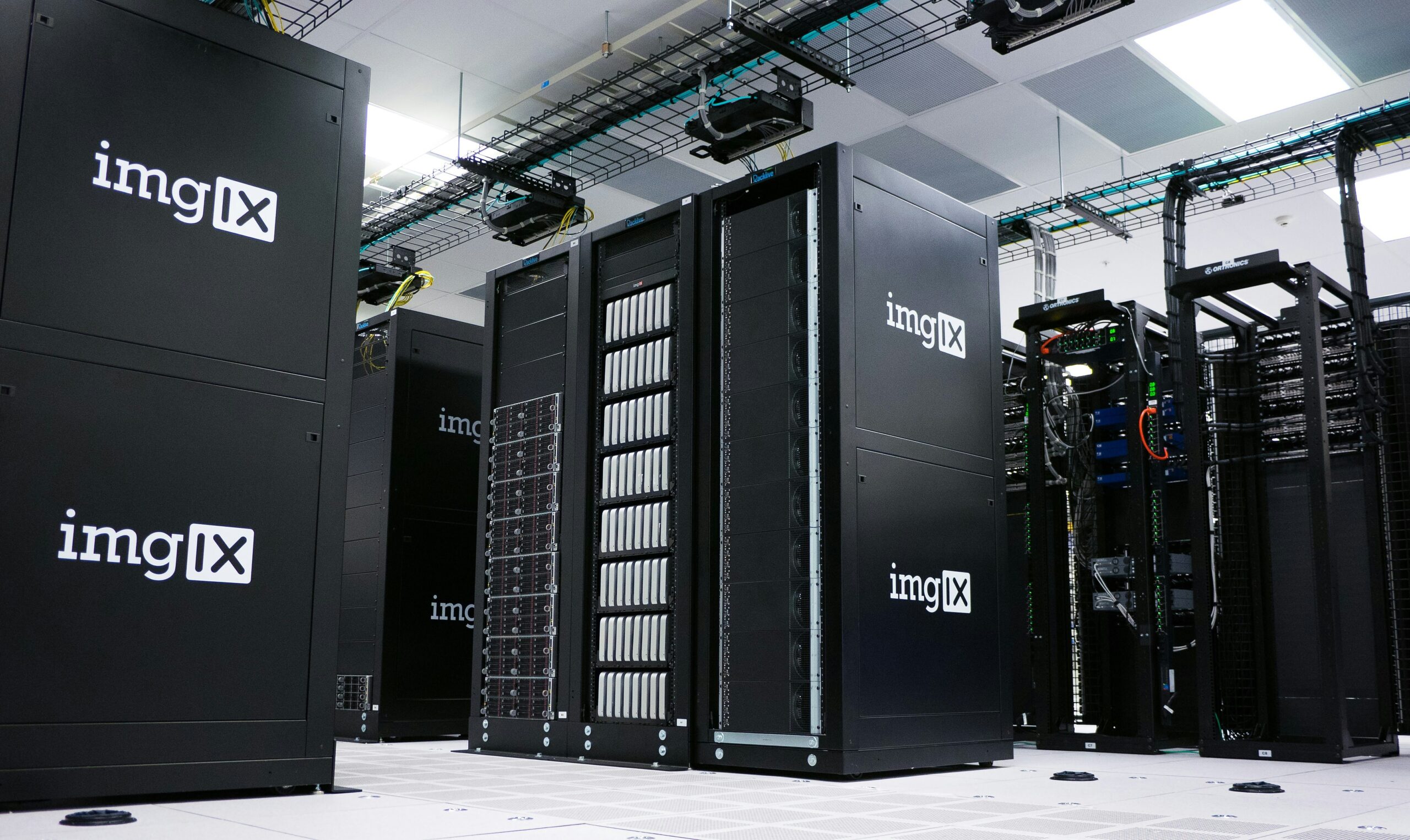
Building powerful AI systems requires far more than sophisticated software.
Advanced AI models demand extraordinary computing resources.
Every new generation of AI systems requires larger data centers, more energy consumption, more specialized chips, and increasingly complex networking infrastructure.
This reality is creating an entirely new investment category:
AI Infrastructure.
Many analysts compare today’s AI infrastructure boom to the construction of railroads during the Industrial Revolution or the expansion of internet networks during the late 1990s.
Without massive physical infrastructure, artificial intelligence cannot scale.
Recognizing this opportunity, SoftBank has become one of the most aggressive investors in global AI infrastructure.
The company is pursuing investments across:
- Hyperscale data centers
- AI cloud platforms
- Semiconductor technologies
- Advanced networking systems
- Robotics infrastructure
- AI-powered enterprise software
These investments reflect a growing belief that future economic value will not only come from AI models themselves but also from the infrastructure supporting those models.
Why Data Centers Have Become the New Digital Gold Rush
One of the biggest beneficiaries of the AI boom is the global data center industry.
Modern AI models require immense computational power to train and operate.
As organizations deploy AI across their operations, demand for data center capacity is surging worldwide.
Industry forecasts suggest AI workloads could drive one of the largest infrastructure expansion cycles in technology history.
This trend is attracting investment from major technology firms including Microsoft, Amazon, Alphabet, Oracle, Nvidia, and SoftBank.
For Son, controlling strategic AI infrastructure may ultimately become as valuable as owning the AI platforms themselves.
The logic is straightforward:
Every AI application requires computing power.
Every AI model requires data centers.
And every data center requires infrastructure providers capable of delivering enormous scale.
The Emerging AI Economy Could Reach Trillions
Perhaps the most ambitious aspect of Son’s vision involves the long-term economic impact of artificial intelligence.
Many economists now estimate that AI could add tens of trillions of dollars to global economic output over the coming decades.
The technology has the potential to transform nearly every sector:
Healthcare
AI could accelerate drug discovery, improve diagnostics, and personalize treatment plans.
Finance
Advanced AI systems may optimize investment decisions, risk management, and fraud detection.
Manufacturing
Automation and intelligent robotics could significantly improve productivity and efficiency.
Education
Personalized AI tutors may reshape how knowledge is delivered and acquired.
Scientific Research
AI could dramatically shorten the time required to solve complex scientific problems.
These possibilities explain why governments, corporations, and investors are treating AI as a strategic priority rather than a conventional technology trend.
Investors Are Following the Money
The financial markets have increasingly rewarded companies positioned to benefit from AI growth.
AI-related stocks, semiconductor manufacturers, cloud providers, and infrastructure companies have experienced substantial investor interest as businesses race to adopt artificial intelligence.
SoftBank itself has become one of the most closely watched investment vehicles for AI exposure.
Investors recognize that Son's strategy provides access to multiple layers of the AI ecosystem:
- AI models
- Infrastructure
- Data centers
- Robotics
- Semiconductor technology
- Enterprise AI software
This diversified approach may reduce dependence on any single technology outcome while maintaining significant upside if AI adoption accelerates.
The Risks Investors Cannot Ignore
Despite the enthusiasm surrounding artificial intelligence, meaningful risks remain.
AI development requires extraordinary capital expenditures.
Building advanced models and supporting infrastructure costs billions of dollars annually.
Competition is also intensifying.
Major technology giants are investing aggressively in their own AI initiatives, creating pressure on margins and market share.
Regulatory uncertainty presents another challenge.
Governments worldwide are increasingly examining AI safety, privacy, intellectual property rights, and competition concerns.
Additionally, some analysts warn that expectations surrounding AI may currently exceed near-term economic realities.
History shows that transformative technologies often experience periods of excessive optimism before sustainable business models emerge.
Investors must therefore balance long-term opportunity against short-term execution risks.
Why Masayoshi Son Believes This Time Is Different
Throughout his career, Masayoshi Son has repeatedly argued that major technological revolutions require bold thinking and patience.
He views artificial intelligence as the next great platform shift—larger than mobile computing, larger than social media, and potentially larger than the internet itself.
Whether that prediction proves correct remains uncertain.
What is increasingly clear, however, is that AI has become the central battleground for technology leadership, economic competitiveness, and future innovation.
By aligning SoftBank with OpenAI and aggressively investing in AI infrastructure, Son is positioning his company at the heart of that transformation.
If artificial superintelligence eventually becomes reality, SoftBank’s investments today could be remembered as some of the most consequential technology bets ever made.
Final Thoughts
Masayoshi Son’s growing partnership with OpenAI represents more than a corporate investment strategy—it reflects a belief that humanity is entering a new technological era.
Artificial intelligence is rapidly evolving from a productivity tool into a foundational economic platform capable of reshaping industries worldwide.
As AI infrastructure expands, investment accelerates, and competition intensifies, the race toward Artificial General Intelligence and potentially Artificial Superintelligence will become one of the defining stories of the coming decade.
For SoftBank, the objective is simple but extraordinarily ambitious:
To help build the infrastructure, platforms, and technologies that power the future of intelligence itself.
And if Son’s vision proves correct, the economic impact could ultimately be measured not in billions—but in trillions of dollars.
Source: https://www.cnbc.com/2026/06/05/softbank-masayoshi-son-openai-model-super-intelligence.html




0 Comments