
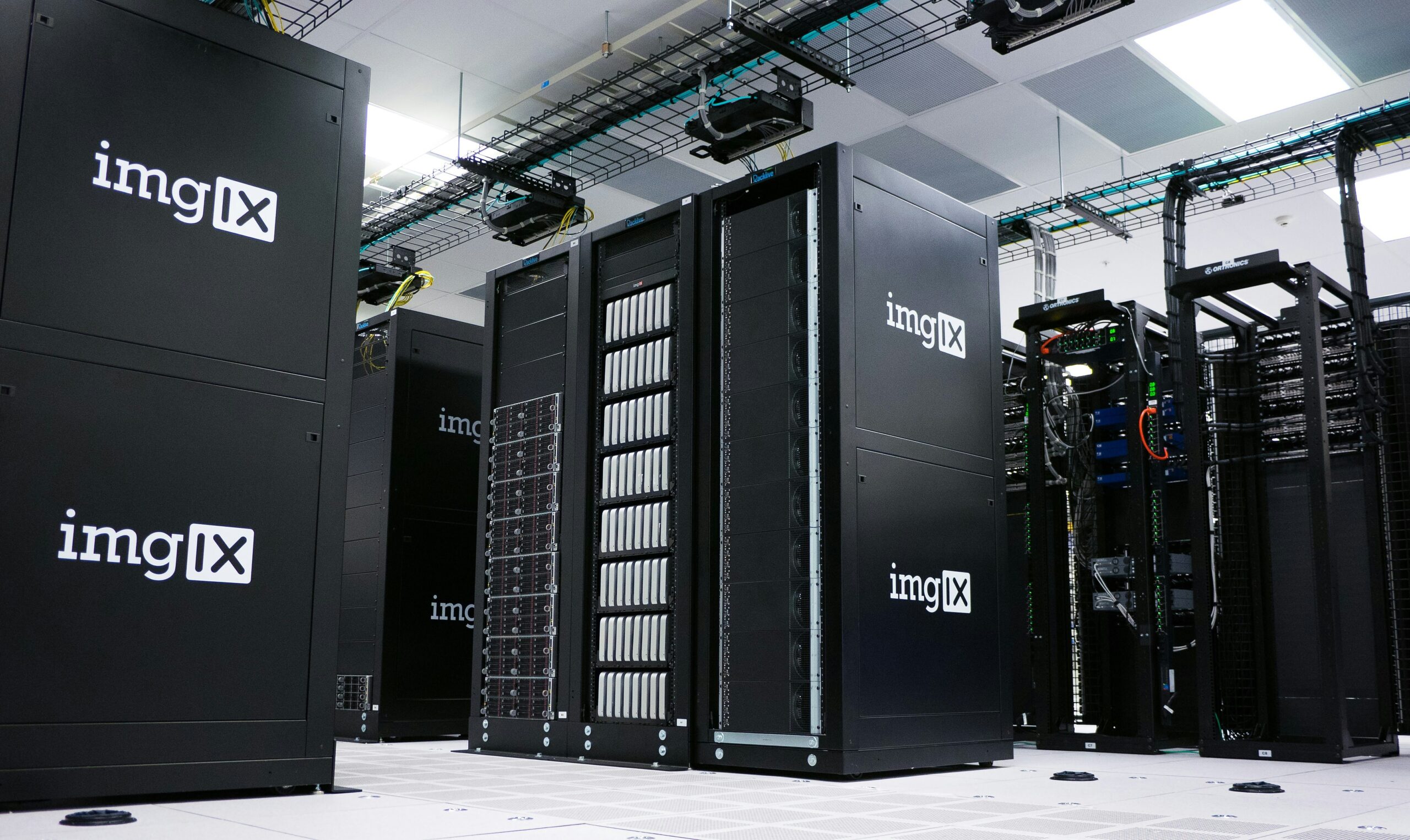
Samsung Memory Chip Staff Set for Massive AI-Fueled Bonuses After Landmark Profit-Sharing Deal
Introduction: AI Boom Transforms Semiconductor Pay Landscape
The global artificial intelligence boom is not only reshaping technology markets but also dramatically changing how semiconductor workers are paid. Samsung Electronics has reached a landmark agreement with its memory chip workforce that will see employees receive exceptionally large bonuses tied directly to profits generated by AI-driven demand for chips. The deal, reported on May 27, 2026, marks one of the most significant shifts in corporate compensation in the tech manufacturing sector in recent years.
Under the agreement, Samsung’s semiconductor division will allocate a fixed share of operating profits to employee bonuses, a structure that links worker pay directly to the company’s financial performance. The result is expected to deliver average payouts that could reach hundreds of thousands of dollars per employee, fueled by record-breaking demand for memory chips used in AI infrastructure.
A Historic Profit-Sharing Agreement at Samsung
The agreement follows months of tense negotiations between Samsung Electronics and its labor union, which had even raised the possibility of a large-scale strike involving tens of thousands of workers. The final deal, approved by a strong majority of union members, helps avert disruption at one of the world’s most critical semiconductor producers.
At the heart of the agreement is a commitment by Samsung to allocate approximately 10.5% of its semiconductor division’s operating profit toward employee bonuses. This marks a significant departure from traditional fixed-bonus systems and represents a long-term structural change in compensation policy.
In addition to the profit-sharing pool, part of the payout will be distributed in stock, aligning employees more closely with long-term company performance. The agreement is widely seen as a compromise between workers demanding a greater share of booming profits and management seeking to maintain financial flexibility.
AI Demand Drives Record Semiconductor Profits
Samsung’s decision comes at a time when the semiconductor industry is experiencing unprecedented growth, largely driven by artificial intelligence infrastructure expansion.
AI systems require massive volumes of high-performance memory chips, especially for data centers powering machine learning models. This surge in demand has led to tight supply conditions and rapidly rising chip prices. As a result, Samsung and its competitors have reported record earnings across multiple quarters.
Recent financial disclosures show that Samsung’s chip division has become the dominant contributor to overall company profits, with memory products accounting for the vast majority of earnings. The AI boom has also strengthened rivals such as SK Hynix and Micron, both of which have reached trillion-dollar valuations amid the global semiconductor rally.
The broader industry impact is significant: memory chip shortages are expected to continue as AI infrastructure investment accelerates worldwide, pushing manufacturers to expand capacity while maintaining supply discipline.
Worker Pay Reaches Unprecedented Levels
The most striking outcome of the new agreement is the scale of employee bonuses. Based on profit projections, semiconductor workers could receive average payouts approaching or exceeding several hundred thousand dollars per person.
Some estimates suggest that total compensation packages for certain employees could surpass $400,000 annually, depending on division performance and final profit figures. These payouts represent one of the largest profit-sharing distributions in corporate history for a manufacturing workforce.
However, the system is not uniform across all employees. Workers in higher-performing semiconductor units are expected to receive significantly larger bonuses than those in lower-margin divisions. This has already created internal tensions within the company, as disparities in compensation widen between departments.
Union Pressure and Labor Market Competition
The agreement is also the result of increasing pressure from labor unions, which have grown more assertive amid booming tech-sector profits. Workers argued that without structural changes to compensation, they would not receive a fair share of the extraordinary gains driven by AI demand.
A key point of contention during negotiations was the comparison with rival chipmaker SK Hynix, which has implemented an even more aggressive profit-sharing model. Reports indicate that SK Hynix employees may receive even larger per-worker payouts in some cases, intensifying competition for skilled semiconductor engineers.
This competition has already led to talent movement across the industry, with engineers and technical specialists shifting employers in search of more lucrative compensation structures. As a result, Samsung’s new agreement is also seen as a strategy to retain key talent in a highly competitive labor market.
Government Mediation and Economic Stakes
The deal was not reached in isolation. South Korean government officials played a mediating role in negotiations, reflecting the broader economic importance of Samsung to the national economy. Samsung Electronics accounts for a significant share of South Korea’s GDP, making labor stability at the company a matter of national interest.
A prolonged strike could have disrupted global semiconductor supply chains, particularly for AI-related chips used in servers, cloud computing, and advanced data infrastructure. The agreement therefore not only resolves a labor dispute but also helps stabilize a critical segment of the global technology economy.
Industry-Wide Implications of Profit Sharing
Samsung’s new compensation model could have far-reaching consequences beyond the company itself. Analysts suggest that other large corporations in South Korea and across the semiconductor industry may face increasing pressure to adopt similar profit-sharing arrangements.
Already, labor groups in other major conglomerates are calling for bonus systems tied directly to operating profit. If this trend continues, it could reshape corporate compensation structures across Asia’s manufacturing and technology sectors.
At the same time, business leaders warn that such arrangements may increase financial volatility for companies if labor costs rise sharply during profit cycles. Critics argue that linking wages directly to operating profit could make long-term financial planning more complex.
A New Era for Semiconductor Labor Relations
The Samsung agreement represents more than just a wage deal—it signals a broader transformation in labor relations within high-tech manufacturing. As AI continues to drive explosive growth in demand for advanced chips, workers are increasingly demanding a direct share of the value they help create.
For Samsung, the deal helps secure labor stability during a period of historic demand. For employees, it marks a dramatic shift toward performance-linked wealth creation at a scale previously unseen in the semiconductor industry.
As the AI revolution accelerates, the relationship between capital, labor, and technology companies is being rewritten in real time—and Samsung’s memory chip division has become one of the clearest examples of that shift.
Conclusion: AI Boom Reshapes Corporate Compensation
The Samsung profit-sharing agreement underscores how deeply artificial intelligence is reshaping not only technology markets but also corporate governance and worker compensation. With semiconductor profits surging and labor becoming increasingly organized, the balance between shareholders and employees is shifting.
If AI-driven demand continues at its current pace, similar agreements may soon become standard across the global semiconductor industry—marking a new era in which workers directly share in the extraordinary value created by the AI economy.



0 Comments