
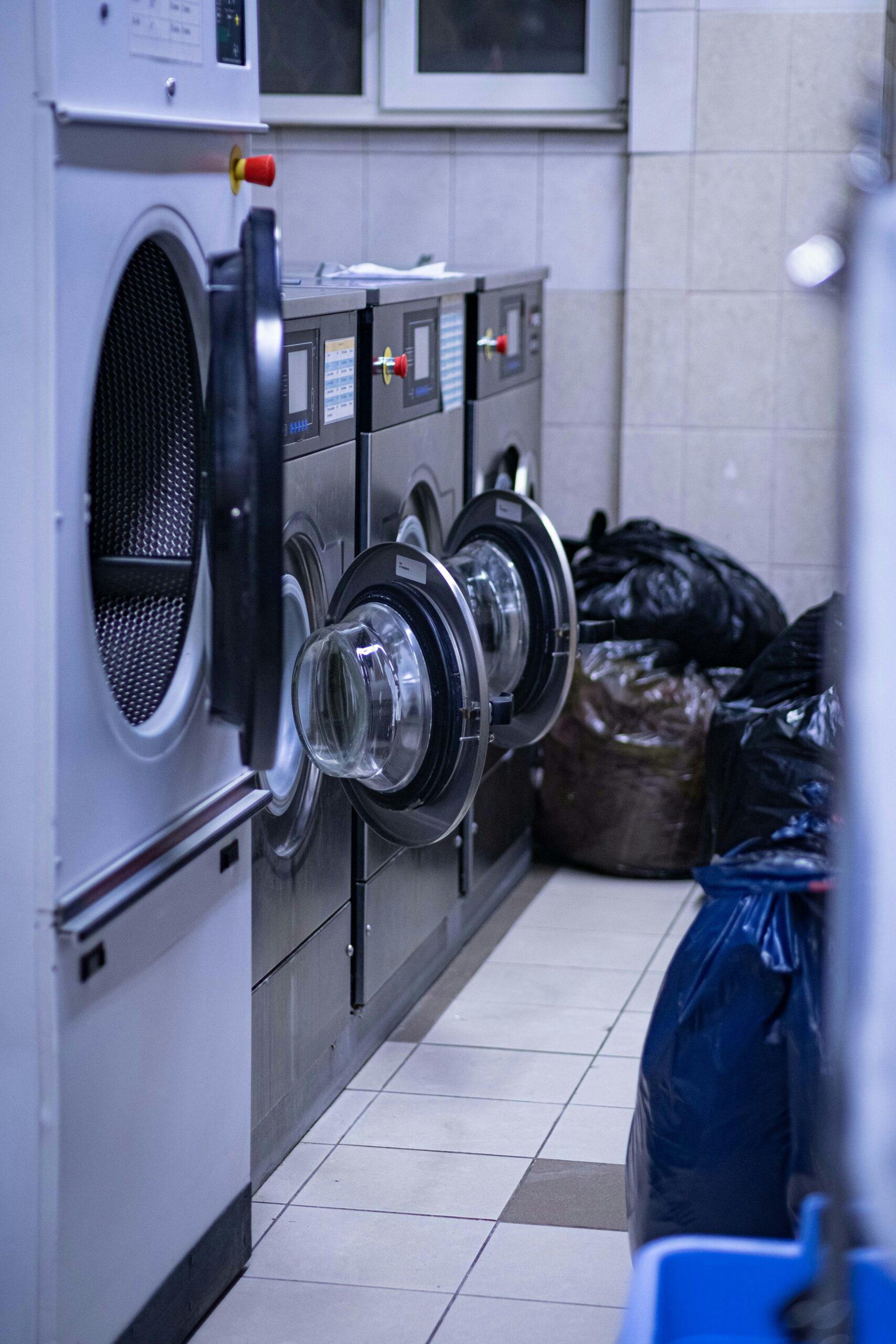
Whirlpool suspends its dividend for the first time in 70 years after weak earnings and collapsing appliance demand. Discover how inflation, high interest rates, housing weakness, and geopolitical tensions are reshaping the global appliance market in this in-depth 4000-word analysis.
🏠 Whirlpool’s Dividend Suspension Marks a Historic Turning Point for American Manufacturing
For generations, Whirlpool stood as one of the most recognizable names in American manufacturing. Its refrigerators, washing machines, ovens, and kitchen appliances became fixtures in millions of homes across North America and beyond. Investors also viewed the company as a reliable source of steady dividends and long-term stability.
That reputation has now been shaken.
Whirlpool recently announced the suspension of its dividend for the first time in approximately 70 years after reporting disappointing earnings and warning of worsening economic conditions across the appliance industry. The announcement immediately triggered a dramatic stock decline and intensified fears about the broader consumer economy.
The decision represents far more than a temporary corporate adjustment. It signals a deep transformation occurring across retail, manufacturing, housing, and consumer spending. Rising inflation, global geopolitical instability, weak housing demand, high borrowing costs, and changing purchasing behavior are colliding simultaneously.
For investors, Whirlpool’s collapse raises concerns about whether traditional industrial companies can maintain profitability in an increasingly volatile economic environment. For consumers, it highlights how economic uncertainty is altering spending priorities. And for economists, the company’s warning about “recession-level” industry conditions could be an important indicator of broader financial stress developing beneath the surface of the global economy.
📉 Whirlpool Stock Plunges After Earnings Disaster
Whirlpool’s earnings report delivered multiple shocks at once.
The company revealed:
- Weak quarterly earnings
- Lower-than-expected revenue
- Reduced full-year guidance
- A dividend suspension
- Aggressive debt reduction plans
Wall Street reacted immediately. Investors rapidly sold shares as concerns spread about Whirlpool’s future profitability and the overall health of the appliance sector.
Dividend suspensions are extremely rare among long-established industrial companies with decades of payment history. In financial markets, eliminating a dividend is often viewed as one of the clearest signals that management expects prolonged financial pressure.
For Whirlpool, the move reflected an urgent need to preserve cash while navigating what executives described as extremely difficult market conditions.
The company stated that conserving cash would allow management to strengthen the balance sheet, reduce debt obligations, and maintain operational flexibility during a period of severe uncertainty.
Unfortunately for investors, the decision also shattered Whirlpool’s image as a dependable income stock.
For decades, pension funds, retirement investors, and dividend-focused portfolios viewed Whirlpool as a stable industrial holding. The suspension now forces investors to reevaluate both Whirlpool’s future and the broader durability of consumer manufacturing businesses.
🛒 Consumers Are Pulling Back on Big Purchases
One of the biggest reasons behind Whirlpool’s struggles is a dramatic slowdown in consumer demand.
Households worldwide are becoming increasingly cautious with spending. Large purchases such as refrigerators, washing machines, dryers, and kitchen renovations are often among the first expenses consumers postpone when economic anxiety rises.
Several factors are driving this trend.
💰 Inflation Continues to Pressure Families
Even though inflation has cooled from earlier peaks, prices for essentials remain elevated.
Consumers continue facing higher costs for:
- Groceries
- Energy
- Housing
- Insurance
- Transportation
- Utilities
When everyday necessities consume a larger share of household income, consumers have less flexibility for major discretionary purchases like appliances.
This shift is particularly damaging for Whirlpool because premium appliances carry significantly higher profit margins than lower-priced products.
As customers trade down to cheaper models or delay purchases entirely, Whirlpool’s profitability deteriorates quickly.
🏡 Housing Weakness Is Crushing Appliance Demand
The housing market plays a critical role in appliance sales.
Whenever consumers buy homes, renovate kitchens, or build new properties, appliance demand usually increases. But in 2026, housing markets across many regions remain under significant pressure.
High interest rates have dramatically reduced affordability for homebuyers. Mortgage payments have risen sharply compared to previous years, discouraging both home purchases and renovation projects.
This creates a chain reaction throughout the appliance industry.
Fewer home sales mean:
- Fewer kitchen remodels
- Fewer appliance upgrades
- Reduced demand for premium products
- Lower builder purchases
- Slower replacement cycles
Whirlpool executives acknowledged that the housing slowdown has become one of the company’s most serious challenges.
The problem extends beyond North America. Housing markets in several international regions are also cooling due to higher financing costs and slowing economic growth.
As a result, appliance manufacturers worldwide are facing declining sales volumes simultaneously.
🌍 Geopolitical Conflict Is Increasing Economic Pressure
Whirlpool also linked its deteriorating financial performance to rising geopolitical tensions, particularly ongoing instability involving Iran and global energy markets.
This connection surprised many investors because appliance manufacturers are not typically viewed as businesses directly tied to geopolitical conflicts. However, modern manufacturing systems are deeply interconnected with global commodity and energy markets.
Higher oil prices affect Whirlpool in several important ways.
🚚 Transportation Costs Increase
Appliances are expensive to transport because they are large and heavy products.
Higher fuel prices increase shipping expenses across:
- Trucking
- Ocean freight
- Rail transport
- Distribution networks
- Last-mile delivery systems
These additional costs squeeze already-thin profit margins.
🏭 Manufacturing Costs Rise
Manufacturing appliances requires large amounts of:
- Steel
- Aluminum
- Plastics
- Industrial chemicals
- Electricity
Energy market instability often raises the cost of these materials, increasing overall production expenses.
👨👩👧 Consumers Become More Cautious
When gasoline prices rise, households often become more conservative with spending.
Higher fuel and utility bills reduce disposable income, causing consumers to postpone non-essential purchases.
Whirlpool described current consumer sentiment as reaching “recession-level lows,” a phrase that deeply alarmed investors because it suggested weakness extending far beyond temporary seasonal fluctuations.
💳 High Interest Rates Are Reshaping Consumer Behavior
Another major challenge facing Whirlpool is the prolonged period of elevated interest rates.
During the low-rate environment of previous years, consumers often financed large appliance purchases through credit cards, store financing programs, or home equity borrowing.
Now, financing costs have risen dramatically.
Consumers face:
- Higher credit card interest rates
- More expensive installment financing
- Stricter lending standards
- Reduced access to home equity loans
As financing becomes more expensive, consumers increasingly delay upgrading appliances unless absolutely necessary.
This shift is changing consumer psychology throughout the retail industry.
Instead of replacing appliances for convenience or style, households are prioritizing only essential replacements.
That behavioral change reduces sales frequency and weakens demand for premium products with advanced features.
🧊 Consumers Are Repairing Appliances Instead of Replacing Them
One of the most important trends emerging from Whirlpool’s recent results is the growing preference for repairs over replacement purchases.
Consumers are increasingly choosing to:
- Repair aging refrigerators
- Replace appliance parts
- Extend product lifespan
- Delay upgrades
- Maintain older machines longer
This behavior often appears during periods of economic stress.
Repairing an appliance usually costs far less than buying a new one. In uncertain economic conditions, households prioritize minimizing large expenditures whenever possible.
This trend could reshape the appliance industry in several long-term ways.
🔧 Longer Replacement Cycles
Historically, consumers replaced appliances relatively frequently as technology improved and financing remained inexpensive.
Now, replacement cycles may extend significantly.
🏭 Pressure on Manufacturers
If consumers keep appliances longer, manufacturers sell fewer units over time.
That creates serious challenges for companies dependent on steady replacement demand.
♻️ Greater Focus on Durability
Consumers may increasingly prioritize durable, repairable products instead of stylish upgrades or luxury features.
This could alter future appliance design strategies across the industry.
💵 Whirlpool Plans to Raise Prices Anyway
Despite weakening demand, Whirlpool announced plans to increase appliance prices later this year.
The company believes higher prices are necessary to offset:
- Rising material costs
- Transportation expenses
- Tariffs
- Manufacturing inflation
- Currency pressures
However, this creates a major strategic risk.
If prices rise too aggressively:
- Consumers may postpone purchases even longer
- Competitors could gain market share
- Industry demand may weaken further
But if Whirlpool avoids raising prices:
- Profit margins could continue collapsing
- Debt reduction becomes more difficult
- Financial flexibility deteriorates
The company hopes competitors will also raise prices, preventing a destructive pricing war across the appliance sector.
Still, higher appliance costs could worsen affordability problems for consumers already struggling with inflation.
🏭 Tariffs Are Creating Complex Market Distortions
Whirlpool’s leadership also discussed the complicated impact tariffs are having on the appliance market.
The company manufactures many products domestically in the United States, which theoretically provides advantages when tariffs increase the cost of imported appliances.
However, tariffs also create unintended consequences.
✅ Potential Benefits for Whirlpool
- Imported competitors may become more expensive
- Domestic production gains pricing support
- Local manufacturing could become more competitive
❌ Negative Effects
- Raw material costs rise
- Imported components become more expensive
- Consumer prices increase
- Overall demand weakens
Tariffs can therefore simultaneously help and hurt Whirlpool depending on how the broader market responds.
The company suggested recent policy and legal changes altered competitive dynamics, causing rivals to lower prices aggressively and intensify margin pressure.
This environment makes long-term planning extremely difficult for manufacturers.
⚠️ Debt Reduction Has Become the Top Priority
Whirlpool’s dividend suspension is fundamentally about cash preservation.
Management intends to redirect money previously used for shareholder dividends toward:
- Debt repayment
- Liquidity protection
- Operational restructuring
- Financial stabilization
The company reportedly plans to reduce debt by hundreds of millions of dollars this year alone.
That aggressive debt reduction target indicates management expects challenging conditions to persist longer than previously anticipated.
Investors are paying close attention to leverage because highly indebted companies become more vulnerable during economic slowdowns.
If profits weaken while borrowing costs remain elevated, companies with large debt burdens can face severe financial stress.
Whirlpool’s leadership clearly wants to avoid that scenario by acting aggressively now.
📊 Why Investors Are Deeply Concerned
The market reaction to Whirlpool’s announcement reflected several broader fears.
🔻 Fear of Prolonged Consumer Weakness
Investors worry that consumers may continue reducing discretionary spending for an extended period.
🔻 Margin Compression
Higher costs combined with weaker demand create a dangerous environment for profitability.
🔻 Structural Industry Changes
If replacement cycles permanently lengthen, the appliance industry’s long-term growth outlook could weaken.
🔻 Loss of Dividend Investor Support
Many institutional investors specifically target reliable dividend-paying companies.
By suspending the dividend, Whirlpool may lose support from income-focused investment funds.
🔻 Economic Slowdown Risks
Whirlpool’s warnings may indicate broader weakness spreading throughout the economy.
The company’s results are therefore being viewed not only as a Whirlpool problem but potentially as a warning sign for the entire consumer sector.
🌐 Global Competition Is Intensifying
Whirlpool also faces intense competition from international appliance manufacturers.
Global rivals from Asia and Europe often benefit from:
- Lower production costs
- Larger manufacturing scale
- Faster innovation cycles
- More flexible supply chains
- Stronger growth in emerging markets
This competition places enormous pressure on pricing and profitability.
Consumers increasingly compare products online and prioritize affordability, making it difficult for premium manufacturers to maintain strong margins.
Whirlpool’s domestic manufacturing footprint may provide some advantages under certain tariff environments, but global competition remains fierce.
The company must now balance:
- Cost control
- Product innovation
- Pricing strategy
- Supply chain resilience
- Brand strength
Accomplishing all of this during a weakening economy becomes exceptionally difficult.
🏠 Appliance Demand Reflects Broader Economic Confidence
Appliance purchases are closely tied to consumer optimism.
When consumers feel financially secure, they are more likely to:
- Remodel kitchens
- Upgrade homes
- Purchase premium appliances
- Finance large purchases
- Invest in convenience products
When confidence weakens, these purchases quickly disappear.
That is why economists often monitor appliance demand as an indicator of broader economic health.
Whirlpool’s warning about recession-like conditions therefore attracted enormous attention across financial markets.
Some analysts believe the company’s results may foreshadow:
- Slower retail sales
- Reduced manufacturing activity
- Weakening housing markets
- Higher consumer stress
- Slower economic growth
Whether those fears prove accurate remains uncertain, but Whirlpool’s struggles clearly reflect growing pressure on household finances.
📈 Can Whirlpool Recover?
Despite the current crisis, Whirlpool still possesses several strengths.
🏭 Strong Brand Recognition
Whirlpool remains one of the best-known appliance brands globally.
Brand trust continues to matter significantly for major household purchases.
🌎 Large Manufacturing Network
The company maintains extensive production capabilities and distribution systems.
🔧 Established Retail Relationships
Whirlpool products remain widely available through major retailers and home improvement chains.
💡 Innovation Potential
Smart home technology, energy efficiency improvements, and connected appliances could create future growth opportunities.
However, recovery will depend heavily on broader economic conditions.
If inflation cools, interest rates decline, and housing markets stabilize, appliance demand could eventually recover.
But if economic pressure intensifies further, Whirlpool may face continued challenges for several years.
🔮 What Happens Next for the Appliance Industry?
The appliance sector now faces several possible future scenarios.
📉 Scenario 1: Prolonged Weakness
If high interest rates and inflation persist:
- Consumers may continue delaying purchases
- Industry margins may remain weak
- Additional layoffs or restructuring could occur
📈 Scenario 2: Gradual Recovery
If economic conditions improve:
- Housing activity could rebound
- Replacement demand may recover
- Premium appliance sales could stabilize
⚡ Scenario 3: Structural Industry Transformation
Consumer behavior may permanently change toward:
- Longer appliance ownership
- Increased repair culture
- Greater focus on affordability
- More durable products
This would fundamentally reshape industry economics over the long term.
🧠 Lessons From Whirlpool’s Crisis
Whirlpool’s struggles highlight several important realities about today’s economy.
💰 Consumers Are Becoming More Selective
Households are carefully prioritizing spending and avoiding unnecessary large purchases.
🌍 Global Events Have Local Consequences
Geopolitical instability now directly affects everyday consumer industries.
🏠 Housing Markets Influence Entire Industries
Weak housing demand creates ripple effects far beyond real estate.
📉 Dividend Stability Is Never Guaranteed
Even long-established companies can face severe financial stress under changing economic conditions.
📌 Final Thoughts
Whirlpool’s decision to suspend its dividend after roughly 70 years represents a defining moment for both the company and the broader appliance industry.
The move reflects mounting pressure from inflation, weak consumer confidence, housing slowdowns, geopolitical instability, rising energy costs, and elevated borrowing rates.
For investors, the announcement shattered assumptions about stability within mature industrial companies.
For consumers, it highlighted how dramatically economic uncertainty is reshaping spending behavior.
And for the broader economy, Whirlpool’s warning about “recession-level” conditions may serve as an early signal of deeper structural weakness developing across consumer markets.
The months ahead will determine whether Whirlpool’s crisis becomes a temporary downturn or a symbol of a much larger economic shift already underway.




0 Comments