
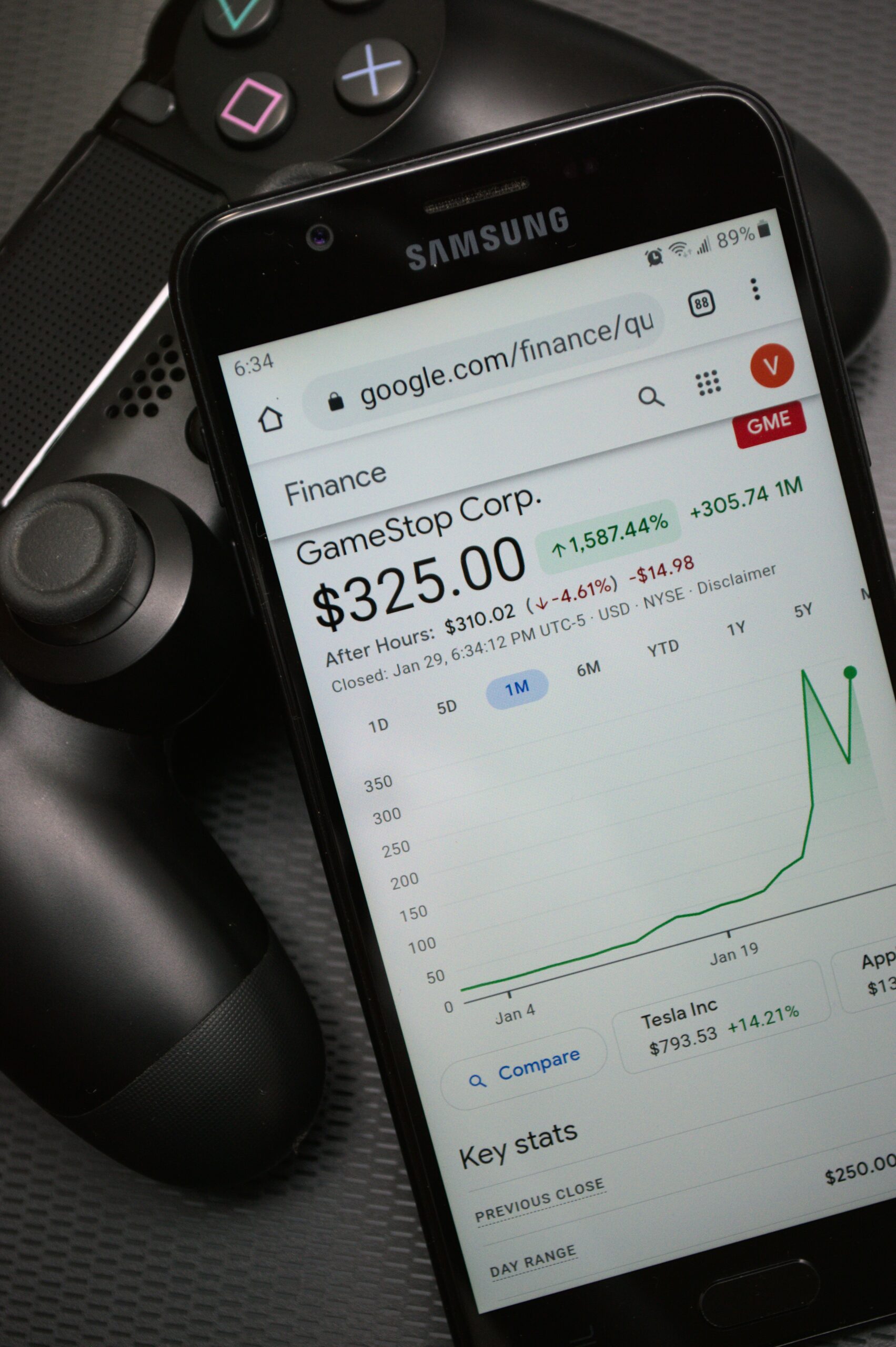
GameStop’s unexpected bid to acquire eBay signals a radical shift in global e-commerce strategy. Led by Ryan Cohen, the move could reshape retail, challenge Amazon, and redefine digital marketplaces worldwide.
📌 INTRODUCTION: A DEFINING MOMENT FOR GLOBAL RETAIL
The global e-commerce landscape is undergoing one of its most unexpected shocks in recent memory. GameStop, once seen as a struggling video game retailer and later a meme-stock phenomenon, has made a bold and controversial move: an attempt to acquire eBay in a multi-billion-dollar takeover bid.
At the center of this ambition is Ryan Cohen, a businessman known for disruptive retail strategies and aggressive digital transformation thinking. His vision is not simply about expanding GameStop—it is about reinventing what a retail company can be in the digital age.
This proposed acquisition is not just a financial event. It represents a collision between:
- Traditional e-commerce marketplaces
- Physical retail transformation strategies
- Platform-based digital ecosystems
And at stake is one of the most powerful forces in global commerce: control of online consumer transactions at scale.
🏢 PART 1: THE STRATEGIC CONTEXT BEHIND THE BID
To understand the significance of this move, it is important to examine both companies individually.
🎮 GameStop: From Retail Decline to Digital Reinvention
GameStop’s story over the past decade has been dramatic. Once a dominant physical retailer for video games, it faced severe pressure from:
- Digital game distribution (Steam, PlayStation Store, Xbox Store)
- Declining mall traffic
- Changing consumer behavior
- Inventory inefficiencies
However, rather than fading out, GameStop underwent a transformation phase:
- Streamlining physical operations
- Building a cash reserve strategy
- Expanding into collectibles and niche gaming markets
- Exploring digital commerce models
This shift laid the foundation for a broader ambition: becoming a hybrid retail and digital commerce infrastructure company.
🛒 eBay: A Mature but Underestimated Marketplace Giant
eBay remains one of the most recognizable names in global online commerce. Unlike newer platforms focused on fast fashion or instant delivery, eBay has maintained strength in:
- Peer-to-peer marketplace transactions
- Collectibles and rare goods
- Refurbished electronics
- Small business resale ecosystems
Despite this, eBay is often viewed as a “mature platform” with slower growth compared to newer tech-driven competitors.
This perception has created a narrative among some investors that eBay may be underutilized relative to its infrastructure potential.
🧠 PART 2: RYAN COHEN’S STRATEGIC THINKING
Ryan Cohen’s involvement is central to understanding the logic behind this proposed acquisition.
His approach to business has consistently focused on three principles:
🔁 1. Platform Consolidation
Cohen believes fragmented retail ecosystems can be unified into scalable platforms.
🧩 2. Customer Experience Reinvention
Instead of traditional retail flow, he emphasizes:
- Speed
- Engagement
- Integration between physical and digital commerce
🏪 3. Infrastructure Utilization
Physical stores are not obsolete in his model—they become:
- Fulfillment hubs
- Return centers
- Customer interaction points
🌐 PART 3: WHY EBAY IS A STRATEGIC TARGET
The logic behind targeting eBay is rooted in its unique positioning in global commerce.
📦 A. Marketplace Liquidity
eBay operates one of the most liquid secondary marketplaces in the world, meaning:
- High volume of listings
- Continuous buyer-seller interaction
- Strong niche category dominance
🔐 B. Trust Infrastructure
Unlike newer platforms, eBay has decades of:
- Buyer protection systems
- Seller rating mechanisms
- Dispute resolution frameworks
This makes it structurally valuable for scaling commerce operations.
📊 C. Undervalued Growth Potential
Some analysts argue that eBay’s growth has been constrained not by demand, but by:
- Platform modernization speed
- Monetization efficiency
- Innovation cycles
⚔️ PART 4: THE AMAZON COMPETITION LAYER
No discussion of this deal is complete without addressing Amazon.
🛍️ Amazon’s Dominance
Amazon currently leads in:
- E-commerce logistics
- Cloud infrastructure
- Marketplace scale
- Subscription ecosystems
🚀 The GameStop–eBay Vision
If combined, the new entity would aim to challenge Amazon by focusing on:
- Secondary markets (resale economy dominance)
- Hybrid physical-digital retail integration
- Specialized commerce niches (gaming, collectibles, electronics resale)
Rather than competing directly in all categories, the strategy appears to focus on high-margin niche marketplaces with strong community engagement.
🏪 PART 5: THE HYBRID RETAIL MODEL
One of the most disruptive elements of this vision is the integration of physical GameStop stores into an eBay-powered ecosystem.
📍 Store Transformation Concept
GameStop locations could evolve into:
- 📦 Local shipping hubs
- 🔄 Return and exchange centers
- 🧾 Product verification points
- 🎥 Live commerce streaming locations
📡 Live Commerce Integration
A major innovation possibility includes:
- Real-time auctions streamed from stores
- Interactive digital bidding systems
- Hybrid in-person and online purchasing experiences
This blends entertainment, retail, and logistics into a single ecosystem.
💰 PART 6: FINANCIAL COMPLEXITY AND MARKET REALITY
Despite its strategic ambition, the deal faces significant financial scrutiny.
⚠️ 1. Scale Imbalance
GameStop is significantly smaller than eBay in valuation terms, which raises questions about:
- Acquisition feasibility
- Share dilution risk
- Debt dependency
⚠️ 2. Financing Pressure
Large-scale acquisitions typically require:
- Institutional backing
- Debt structuring
- Equity issuance
High leverage increases long-term operational risk.
⚠️ 3. Integration Risk
Even if approved, integration challenges include:
- Technology platform alignment
- Corporate culture differences
- Global regulatory approvals
- Operational restructuring
📉 PART 7: MARKET REACTION AND INVESTOR SENTIMENT
The announcement triggered immediate reactions across financial markets.
📈 Positive Interpretation
Some investors see potential upside in:
- Consolidation of fragmented marketplaces
- Expansion of digital commerce capabilities
- Long-term ecosystem value creation
📉 Negative Concerns
Others highlight:
- Overvaluation concerns
- Execution risk
- High debt exposure
- Strategic overreach
🧩 PART 8: BROADER IMPLICATIONS FOR GLOBAL E-COMMERCE
Regardless of outcome, the bid highlights major industry trends.
🔄 1. Retail Convergence
The distinction between:
- Physical retail
- Online marketplaces
- Logistics networks
is rapidly blurring.
🤖 2. Platform-Based Economics
Future commerce is increasingly driven by:
- Ecosystem control
- Data integration
- User engagement loops
🌍 3. Secondary Market Expansion
Resale and secondhand markets are becoming:
- More mainstream
- More profitable
- More technologically integrated
🧠 PART 9: ANALYST OUTLOOK
Experts remain divided.
🟢 Bullish Case
Supporters argue:
- eBay is structurally valuable
- Hybrid commerce is the future
- GameStop can reinvent itself again
🔴 Bearish Case
Critics highlight:
- Financial impracticality
- Execution complexity
- Competitive pressure from Amazon and Shopify
🔮 PART 10: WHAT HAPPENS NEXT?
Several potential outcomes exist:
❌ Scenario 1: Rejection
The most likely short-term outcome is rejection or non-acceptance of the bid.
🔁 Scenario 2: Renegotiation
A revised or partial deal structure could emerge.
🤝 Scenario 3: Strategic Partnership
Instead of acquisition, collaboration could be explored.
🚀 Scenario 4: Full Acquisition (Low Probability)
A successful acquisition would reshape global e-commerce dynamics.
📌 FINAL THOUGHTS: A SYMBOLIC SHIFT IN RETAIL THINKING
The GameStop bid for eBay is more than a corporate maneuver—it is a reflection of how rapidly retail strategy is evolving in the digital age.
It highlights a world where:
- Physical retail is being reimagined
- Digital marketplaces are consolidating
- Platform ecosystems are becoming dominant
Whether successful or not, this move marks a pivotal moment in the ongoing transformation of global commerce.
🔗 SOURCE
https://www.cnbc.com/2026/05/04/gamestop-ebay-takeover-bid-ryan-cohen-gaming-retail-ecommerce.html



0 Comments