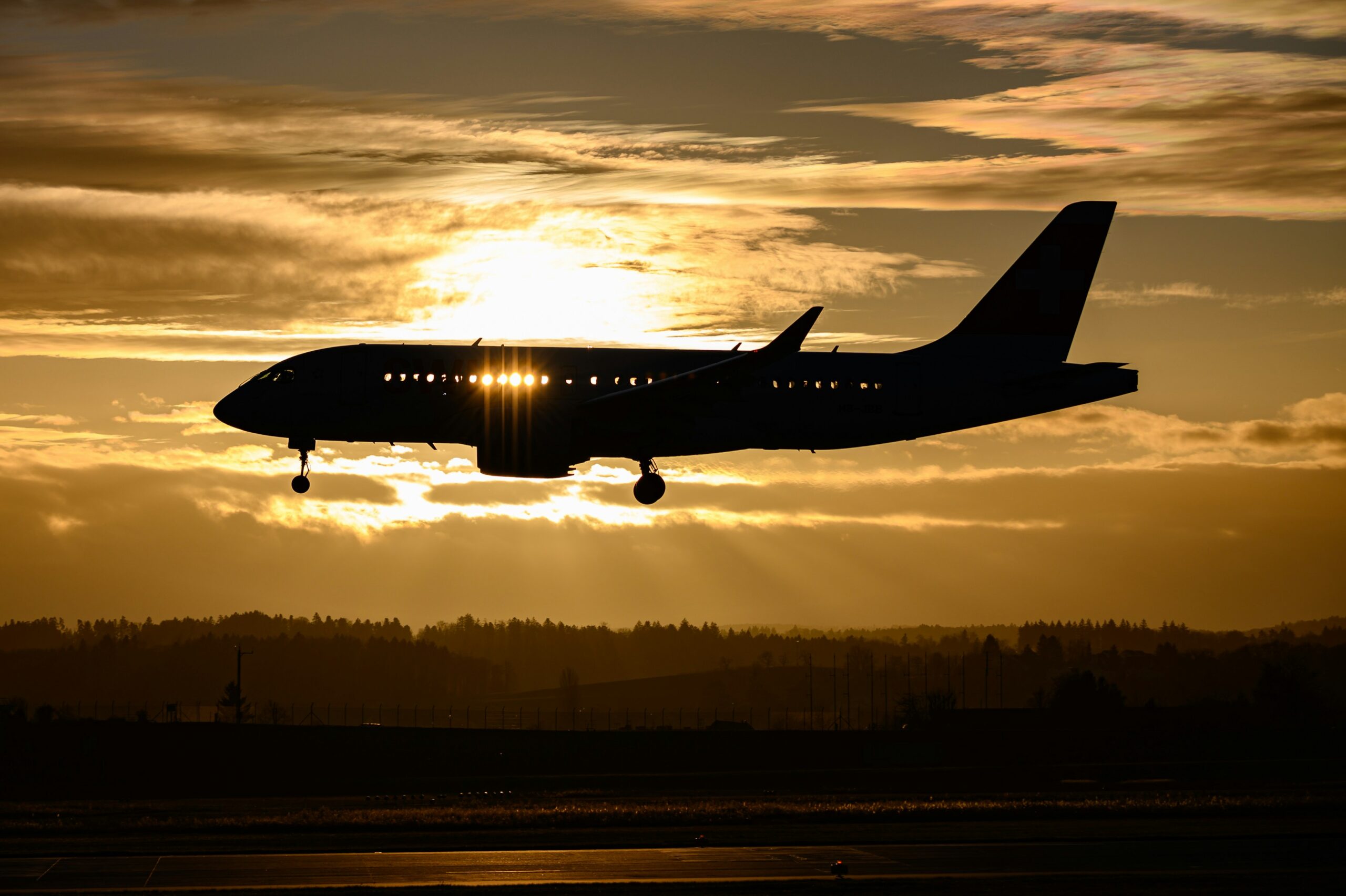
Spirit Airlines has shut down after years of financial strain and industry pressure. This in-depth analysis explores the airline’s final hours, what led to its collapse, and how its exit reshapes the future of affordable air travel in the United States.
✈️ Spirit Airlines Shutdown: Inside the Final Hours of a Budget Airline Revolution
💡 Introduction: The End of an Era in American Aviation
The shutdown of Spirit Airlines represents more than the collapse of a single carrier—it signals the end of a business model that reshaped modern air travel in the United States. Known for its ultra-low-cost fares and stripped-down service approach, Spirit became both a disruptor and a controversial figure in aviation.
For years, it challenged traditional airlines by offering some of the lowest base fares in the industry. But beneath the surface of cheap tickets and aggressive expansion lay a fragile financial structure increasingly exposed to rising costs, market competition, and shifting passenger expectations.
In its final hours, Spirit Airlines transitioned from a struggling carrier to a grounded operation, leaving behind thousands of employees, disrupted travelers, and a reshaped airline landscape.
🧭 The Rise of Spirit Airlines: How It Changed Air Travel
Spirit Airlines built its identity on a simple but powerful idea: unbundle everything.
Instead of offering a traditional full-service ticket, Spirit allowed passengers to pay only for what they used. The base fare covered the seat, while everything else—carry-on bags, checked luggage, seat selection, and onboard services—came at an additional cost.
🛫 Key Features of the Spirit Model:
- Extremely low base fares
- Pay-per-service pricing system
- High aircraft utilization rates
- Dense seating configurations
- Focus on short and medium-haul domestic routes
This model disrupted the airline industry by forcing competitors to rethink pricing transparency and ancillary revenue strategies. Over time, even legacy airlines adopted similar practices.
Spirit’s approach democratized air travel, making flying accessible to millions who previously could not afford it. However, it also attracted criticism for hidden fees, tight seating, and customer service challenges.
📉 The Slow Decline: Warning Signs Before the Shutdown
Spirit’s collapse did not happen overnight. Instead, it unfolded gradually through a series of compounding pressures that weakened its financial foundation.
⚠️ 1. Rising Operational Costs
Airlines are highly sensitive to fuel prices, labor costs, and maintenance expenses. Spirit’s low-margin model made it especially vulnerable when costs increased.
⚠️ 2. Post-Pandemic Travel Shifts
After global travel resumed, passenger preferences shifted significantly:
- More travelers chose comfort over lowest price
- Demand for flexible booking increased
- Premium economy and bundled fares gained popularity
Spirit’s strict unbundled model became less appealing in this new environment.
⚠️ 3. Intense Industry Competition
Major U.S. carriers expanded their own budget-friendly offerings, directly competing with Spirit’s core market. At the same time, smaller low-cost carriers intensified competition on domestic routes.
⚠️ 4. Debt and Liquidity Pressure
Like many airlines, Spirit relied on financial restructuring and refinancing to maintain operations. Over time, access to affordable capital became more difficult, limiting its ability to invest in modernization or absorb losses.
⏳ Inside the Final Hours of Spirit Airlines
The last hours of Spirit Airlines were marked by urgency, uncertainty, and rapid operational shutdown procedures.
🕒 A Rapid Operational Wind-Down
As financial pressure reached a critical point, internal teams began executing shutdown protocols:
- Flight schedules were canceled or suspended
- Reservation systems were disabled
- Airport operations were instructed to cease check-ins
- Employees were notified of immediate operational changes
Passengers already in transit experienced the most disruption, with some flights completing their journeys while others were abruptly canceled before departure.
🧳 Passengers Stranded Mid-Journey
Thousands of travelers found themselves impacted during the transition:
- Flights grounded before departure
- Travelers rebooked at last-minute fares with other airlines
- Customer service lines overwhelmed or disconnected
- Confusion at airport gates nationwide
Airports became focal points of disruption as staff attempted to manage logistics in real time.
💼 The Human Impact: Employees and Industry Workers
One of the most significant consequences of Spirit’s shutdown is its impact on employees.
👨✈️ Airline Workforce Disruption
Spirit Airlines employed tens of thousands of workers across:
- Pilots
- Flight attendants
- Ground crew
- Maintenance technicians
- Corporate and administrative staff
The shutdown left many facing sudden job displacement, with uncertainty about reemployment opportunities in a competitive aviation labor market.
🧑💼 Ripple Effects in the Aviation Industry
Other airlines and aviation service providers quickly reacted:
- Some carriers began exploring hiring opportunities for displaced workers
- Airport contractors adjusted staffing expectations
- Training pipelines for aviation roles faced increased demand
While disruptive, the shutdown may eventually redistribute skilled labor across the broader industry.
💳 Refunds, Tickets, and Passenger Rights
A major concern for travelers is the handling of existing bookings.
🧾 Ticket Refund Expectations
In airline shutdown scenarios:
- Credit card purchases are typically refunded through issuing banks
- Third-party bookings may require claims through travel agencies
- Loyalty points and rewards may lose value or become inaccessible
🏨 Additional Expenses
Passengers impacted by cancellations often face:
- Hotel costs
- Rebooking fees
- Transportation expenses
However, these costs are rarely reimbursed automatically and depend on insurance coverage or credit card protections.
⚖️ The Business Model That Defined—and Ultimately Strained—Spirit Airlines
Spirit Airlines operated on one of the most aggressive cost-minimization strategies in the aviation industry.
💰 Strengths of the Model
- Extremely competitive pricing
- High aircraft utilization
- Strong ancillary revenue streams
- Efficient route planning
⚠️ Structural Weaknesses
- Low profit margins per seat
- High sensitivity to fuel and labor costs
- Customer dissatisfaction from fees
- Limited flexibility during economic shocks
While successful during stable economic periods, the model became increasingly difficult to sustain under volatile global conditions.
🌍 External Pressures: Fuel, Inflation, and Market Volatility
The aviation industry is heavily influenced by global economic conditions. In Spirit’s case, several external forces intensified financial strain.
⛽ Fuel Price Volatility
Jet fuel represents one of the largest operational costs for airlines. Price fluctuations directly affect profitability, especially for low-cost carriers.
📊 Inflationary Pressures
Rising costs across the economy impacted:
- Aircraft maintenance
- Airport fees
- Labor negotiations
- Insurance premiums
🌐 Global Uncertainty
Broader geopolitical and supply chain instability added unpredictability to airline planning and long-term investment strategies.
🛬 The End of Ultra-Low-Cost Travel as We Know It?
Spirit Airlines played a defining role in the evolution of affordable air travel in North America.
✈️ What It Changed Permanently:
- Introduced transparent “pay-for-what-you-use” pricing
- Forced competitors to adopt unbundled fare models
- Expanded access to air travel for lower-income passengers
- Increased competition in domestic routes
However, its collapse raises important questions about the sustainability of extreme discount airline models in modern aviation.
📈 What Happens Next for the Airline Industry?
Spirit’s shutdown may reshape the competitive landscape in several ways.
🏢 1. Industry Consolidation
Fewer low-cost carriers may lead to stronger dominance by major airlines.
💺 2. Higher Average Airfares
Reduced competition could gradually increase base ticket prices, especially on high-demand routes.
🧭 3. Shift Toward Hybrid Models
Airlines may move toward blended pricing strategies:
- Base fare + optional upgrades
- Improved comfort even in economy class
- Greater flexibility in ticketing
🧳 4. Consumer Behavior Changes
Passengers may prioritize:
- Reliability
- Flight experience
- Loyalty programs
- Customer service quality
over absolute lowest price.
🧠 Lessons from the Spirit Airlines Collapse
The shutdown of Spirit Airlines offers several important business and economic lessons:
📌 Key Takeaways:
- Ultra-low-cost models are highly sensitive to external shocks
- Liquidity management is critical in capital-intensive industries
- Customer expectations evolve over time
- Competitive advantages can disappear quickly in dynamic markets
- Industry regulation and market structure decisions have long-term consequences
🔮 Final Reflection: A Turning Point in Aviation History
The shutdown of Spirit Airlines marks a significant turning point in the history of U.S. aviation. It closes the chapter on one of the most influential low-cost carriers and raises broader questions about the future of affordable air travel.
While the airline succeeded in reshaping pricing structures and expanding access to flights, its collapse highlights the fragile balance between affordability, profitability, and operational resilience.
As the aviation industry moves forward, Spirit Airlines will be remembered both as a disruptor and as a cautionary tale.
🔗 Source
https://www.cnbc.com/2026/05/02/spirit-airlines-shutdown-inside-the-final-hours.html



0 Comments