
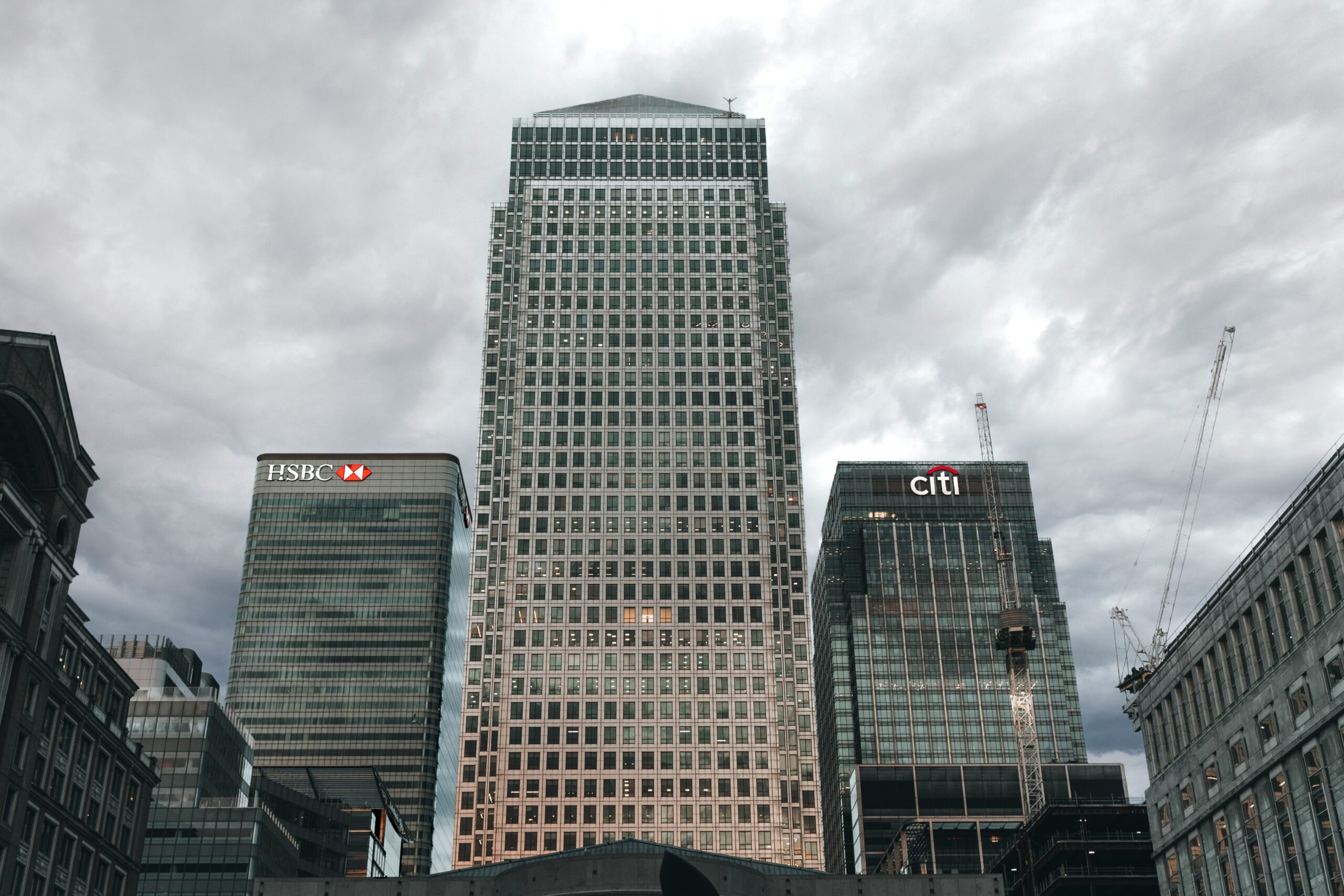
AI startups in New York City are leasing premium office spaces that appear impressive but remain largely underutilized. Explore the economic, cultural, and venture capital forces behind NYC’s flashy yet empty AI offices and what this means for the future of work and commercial real estate.
🤖 AI Startup Offices in NYC Look Flashy but Remain Mostly Empty: The Structural Shift Reshaping Commercial Real Estate
🧭 Introduction: A New Paradox in Manhattan’s Skyline
New York City has long been a global symbol of corporate density, ambition, and constant motion. From Wall Street trading floors to Midtown law firms, office buildings were once defined by their visible energy—lights on late into the night, packed elevators, and tightly clustered workstations.
Yet in today’s emerging artificial intelligence economy, a striking contradiction is reshaping that image.
Across Manhattan, AI startups are signing leases in some of the city’s most prestigious buildings. These offices are designed with minimalist luxury interiors, panoramic views, and cutting-edge architectural aesthetics. On paper, they signal expansion, innovation, and financial strength.
But in practice, many of these offices remain surprisingly empty on a daily basis.
This growing disconnect between appearance and utilization is becoming one of the most important—and least understood—trends in modern commercial real estate.
🏢 The Rise of AI as a Dominant Office Tenant Class
Over the past few years, artificial intelligence companies have rapidly evolved from niche startups into dominant players in venture capital and enterprise technology markets.
This shift has had immediate consequences for office leasing in New York City:
- AI startups are signing larger-than-necessary leases
- Premium Class A buildings are being prioritized over cost efficiency
- Demand is concentrated in Manhattan’s most desirable districts
- Leasing decisions are often made in anticipation of future growth, not current workforce size
Unlike traditional industries that scale office space gradually, AI companies are behaving differently. They are leasing aggressively, often well ahead of hiring curves.
This creates a market dynamic where office space appears fully absorbed by demand—but actual physical occupancy tells a different story.
🧠 Why AI Companies Lease More Space Than They Use
Understanding this paradox requires examining how modern AI startups operate.
🚀 1. Anticipatory Scaling Strategy
AI companies often experience uneven but rapid funding cycles. A startup may go from a small engineering team to a multi-hundred-person organization in a short time frame.
To avoid relocation disruptions, they secure large office footprints early, even if current headcount does not justify the space.
This strategy is rooted in one belief:
Growth will eventually fill the space.
However, that future often arrives unevenly or more slowly than expected.
💼 2. Office Space as a Signal of Legitimacy
In the venture capital ecosystem, perception plays a critical role.
A premium Manhattan office serves as:
- A signal of financial credibility
- A recruitment tool for top engineering talent
- A physical representation of company stability
- A branding asset for enterprise customers
In many cases, the office is less about daily productivity and more about corporate identity construction.
🌐 3. Hybrid Work as a Structural Reality
Even in well-funded AI companies, hybrid and remote work remain deeply embedded in operational culture.
Key patterns include:
- Distributed engineering teams across multiple cities or countries
- Remote-first coding and research workflows
- Offices used primarily for collaboration, not daily work
- Rotational attendance rather than fixed schedules
As a result, offices function more like coordination hubs than traditional full-time workplaces.
🧩 4. Over-Designing for Future Headcount
Many AI startups design offices for projected growth rather than current size.
This leads to:
- Excess desk capacity
- Underutilized meeting rooms
- Large open floorplans built for future teams
- High-end amenities that remain underused
The result is visually impressive spaces that feel physically underpopulated.
🏙️ Inside the AI Office Aesthetic: Luxury Meets Minimal Use
Walking into a modern AI startup office in Manhattan often reveals a carefully curated environment:
- Glass-walled meeting rooms with advanced conferencing systems
- Open-plan layouts with ergonomic furniture
- Designer lighting and architectural accents
- High-end kitchens and lounge areas
- Expansive views of the Manhattan skyline
However, during much of the workweek, these spaces can feel unusually quiet.
Desks remain unoccupied for long periods. Meeting rooms are sporadically used. Entire sections of floors may sit idle outside of scheduled collaboration days.
This creates a striking visual contradiction: premium real estate with low physical density.
📉 The Illusion of High Occupancy in Commercial Real Estate Data
One of the most important complexities in this trend is how office occupancy is measured.
From a real estate perspective:
- A signed lease is counted as demand
- A fully rented floor is considered “occupied”
- Long-term contracts signal stability
But these metrics do not reflect how often people are physically present in the space.
This leads to a structural disconnect:
- Financial occupancy appears strong
- Physical occupancy remains inconsistent
- Buildings look successful on paper, but not always in daily reality
This distinction is critical for understanding the modern office market.
🏗️ Why Landlords Welcome the AI Boom Anyway
Despite low utilization patterns, landlords in Manhattan are highly motivated to attract AI tenants.
💰 1. Strong Financial Commitments
AI startups—especially well-funded ones—are often backed by major venture capital firms. This allows them to commit to long-term leases in prime buildings.
📊 2. Stability During Market Volatility
After pandemic-era disruptions, landlords value tenants with strong financial backing and long-term growth potential.
🏢 3. Prestige and Branding Value
Hosting a high-profile AI company enhances a building’s reputation, attracting other premium tenants.
📈 4. Future Expansion Expectations
Landlords often anticipate that today’s underutilized office will become tomorrow’s fully occupied headquarters.
From their perspective, unused space is not wasted—it is deferred demand.
⚖️ The Core Paradox: Over-Leased but Under-Used
The AI office boom creates a unique structural tension:
🟢 Financial Reality
- Multi-year leases are signed
- Rent payments are stable
- Real estate demand appears strong
🔴 Physical Reality
- Employees work remotely much of the time
- Office attendance fluctuates significantly
- Large portions of space remain unused on typical days
This duality creates what analysts increasingly describe as a “symbolic occupancy economy”—where presence is often more important in perception than in physical reality.
🧭 The Cultural Shift Behind the Empty Office Trend
Beyond economics, this trend reflects a deeper cultural transformation in how work is understood.
🧠 Work is no longer location-bound
Knowledge work, especially in AI, is increasingly:
- Cloud-based
- Asynchronous
- Globally distributed
🧑💻 Collaboration replaces routine attendance
Offices are now used for:
- Product strategy sessions
- Investor meetings
- Team offsites
- High-value collaboration
🏙️ The office becomes a stage, not a factory
Rather than being centers of constant production, offices function more like:
- Brand environments
- Recruitment tools
- Strategic meeting spaces
This fundamentally alters how space is used.
🔮 What This Means for the Future of NYC Commercial Real Estate
The rise of AI-driven office leasing is not just a short-term trend—it signals a long-term structural evolution.
📊 1. Demand Will Become More Volatile
Office demand will increasingly depend on:
- Funding cycles
- Hiring bursts
- Product milestones
🏗️ 2. Flexible Design Will Dominate
Future office buildings will likely prioritize:
- Modular layouts
- Adjustable capacity floors
- Hybrid-ready infrastructure
💼 3. Prestige Will Outweigh Efficiency
Location and branding will remain more important than full utilization.
📉 4. Subleasing and Optimization Will Increase
Companies may:
- Reduce unused space
- Share offices
- Reconfigure layouts more frequently
🧾 Conclusion: A Market Built on Expectation, Not Just Occupancy
The AI office boom in New York City reveals a deeper transformation in how corporate space is valued.
What once mattered most—constant physical presence—is being replaced by a more complex system of signaling, anticipation, and flexibility.
These offices are not simply empty. They are temporarily underutilized assets in a rapidly evolving economic system where growth, perception, and strategic positioning matter as much as day-to-day usage.
As AI continues to reshape industries, the physical spaces it occupies will likely remain symbolic—expensive, impressive, and often quieter than expected.




0 Comments