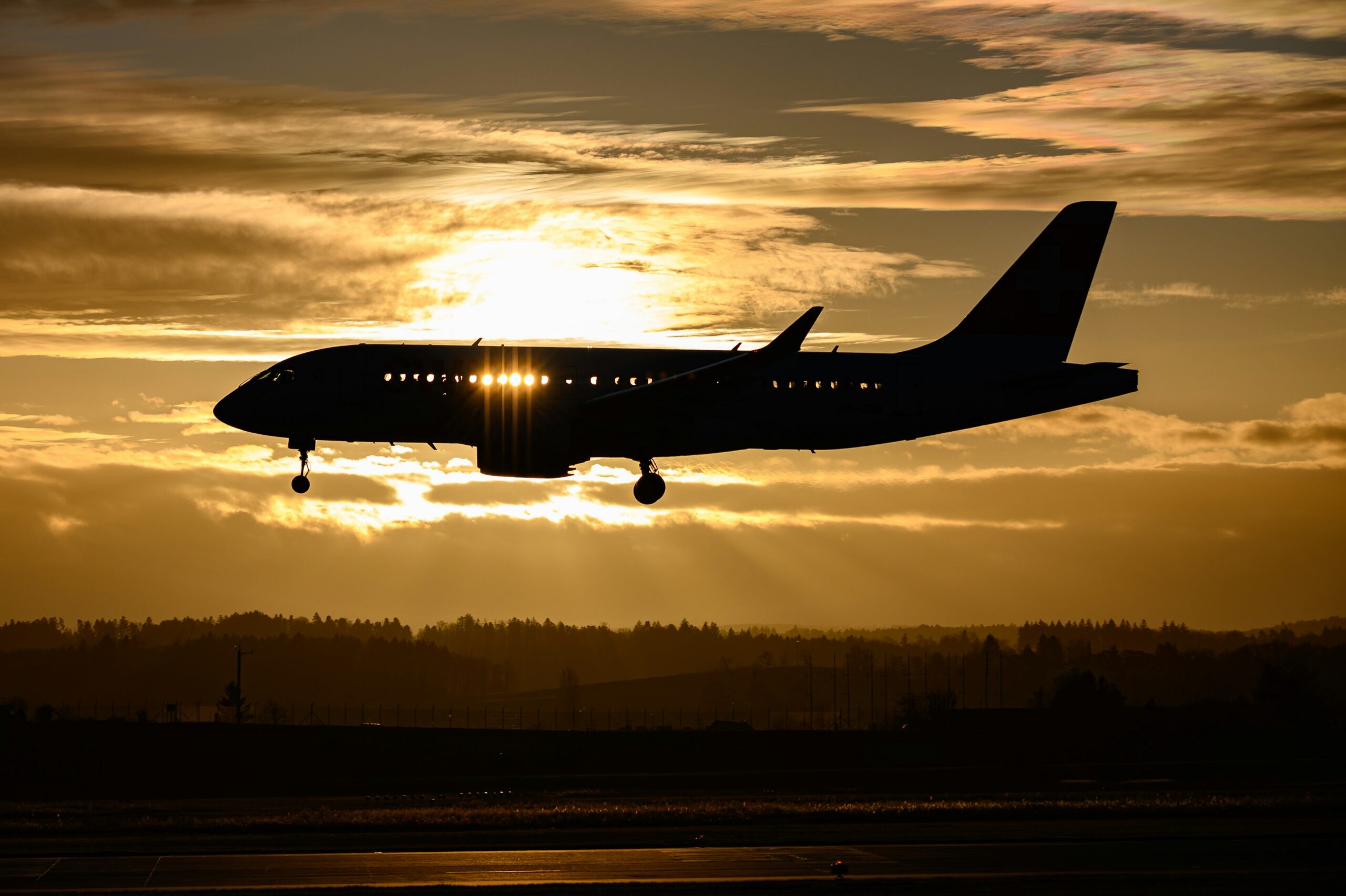
European airlines face widespread flight cancellations in 2026 as a global jet fuel crisis drives up costs and forces Ryanair, easyJet, British Airways, and Lufthansa to cut routes. Discover the economic impact, airline strategies, and future of air travel in Europe.
✈️ Europe’s Aviation Shockwave: How the 2026 Jet Fuel Crisis Is Reshaping Air Travel
🌍 Introduction: A New Era of Airline Instability
The European aviation industry is undergoing one of its most disruptive periods in recent history. In 2026, major carriers including Ryanair, easyJet, British Airways, and Lufthansa are facing a growing wave of flight cancellations, route reductions, and rising ticket prices triggered by a severe global jet fuel crisis.
Unlike temporary disruptions seen in past years—such as pandemic recovery delays or localized strikes—this crisis is structural. It is rooted in global energy instability, geopolitical tensions, and constrained fuel supply chains, all of which are placing unprecedented pressure on airline operations.
For travelers, the consequences are immediate: fewer flights, higher prices, and unpredictable schedules. For airlines, the situation is more complex, involving cost restructuring, fleet optimization, and long-term strategic shifts in how European aviation operates.
This article provides a deep, expert-level analysis of the crisis, its causes, airline responses, and what it means for the future of air travel across Europe.
⛽ The Core Problem: A Jet Fuel Supply and Price Shock
At the center of the aviation disruption is a sharp increase in jet fuel prices across global markets. Jet fuel is one of the most critical operational costs for airlines, often representing 20% to 40% of total expenses depending on the carrier and route structure.
📊 What is driving the price surge?
Several interconnected factors are contributing:
🌐 1. Geopolitical instability
Ongoing global tensions have disrupted key oil shipping routes and refining capacity. This has created bottlenecks in supply chains that directly impact aviation fuel availability in Europe.
🚢 2. Shipping and logistics constraints
Global freight and tanker routes are experiencing delays and rerouting, increasing delivery times and reducing fuel distribution efficiency.
🏭 3. Refinery limitations
Some regions have reduced refining output due to maintenance cycles, regulatory constraints, or shifts toward alternative energy investment.
💰 4. Speculative energy markets
Energy markets have become increasingly volatile, with speculation amplifying price swings and making cost forecasting difficult for airlines.
✈️ 5. Post-recovery travel surge
Air travel demand has rebounded strongly since global disruptions earlier in the decade, increasing fuel consumption faster than supply expansion.
Together, these forces have created a tight global jet fuel environment, pushing airlines into difficult operational decisions.
🧳 Airline Impact Overview: Europe’s Big Four Under Pressure
The impact of the fuel crisis is not evenly distributed. While all airlines are affected, legacy carriers and high-frequency operators are experiencing the greatest strain.
🇩🇪 Lufthansa Group: Network Retrenchment Strategy
The Lufthansa Group, one of Europe’s largest airline conglomerates, has been among the most aggressive in responding to rising fuel costs.
✈️ Key operational changes:
- Significant reduction in short-haul European flights
- Consolidation of routes across Frankfurt and Munich hubs
- Prioritization of long-haul and high-margin intercontinental routes
- Increased focus on aircraft efficiency and load optimization
📉 Strategic rationale:
Short-haul European routes are typically low-margin and highly sensitive to fuel price increases. Lufthansa’s strategy reflects a shift toward profit preservation rather than network expansion.
🧠 Industry interpretation:
Analysts view Lufthansa’s cuts as a sign that traditional hub-and-spoke models are under pressure in high-cost fuel environments.
🇬🇧 British Airways: Balancing Demand and Cost Pressure
British Airways, part of the International Airlines Group (IAG), is navigating the crisis through selective optimization rather than large-scale cuts.
✈️ Key responses:
- Adjusted flight frequencies on selected European routes
- Dynamic pricing increases on high-demand flights
- Operational efficiency improvements in fleet deployment
💡 Strategic focus:
British Airways is attempting to balance profitability with market share retention. Unlike low-cost carriers, BA’s premium positioning allows some flexibility in absorbing fuel costs through higher fares.
⚠️ Risk factor:
If fuel prices remain elevated, BA may be forced into deeper restructuring of its short-haul network.
🇮🇪 Ryanair: Low-Cost Resilience Under Pressure
Ryanair is often considered one of the most resilient European carriers due to its aggressive cost-control model and fuel hedging strategy.
✈️ Key advantages:
- Strong fuel hedging reduces short-term exposure
- High aircraft utilization rates
- Lean operational structure
📊 Current strategy:
- Maintaining route density but adjusting pricing dynamically
- Protecting core profitable routes
- Avoiding large-scale cancellations where possible
⚠️ Emerging challenge:
Despite its resilience, Ryanair is not immune. If fuel prices remain elevated long-term, hedging advantages diminish and structural cost pressure increases.
🇬🇧 easyJet: Stability with Margin Compression
easyJet has taken a relatively stable operational stance compared to legacy carriers.
✈️ Key characteristics:
- No major widespread cancellations reported
- Focus on maintaining schedule integrity
- Gradual fare adjustments rather than abrupt cuts
📉 Financial pressure:
The airline is experiencing margin compression due to fuel costs, even as demand remains strong.
🧠 Strategic positioning:
easyJet is attempting to maintain its market position by avoiding drastic capacity reductions, betting on long-term demand stability.
📉 The Wider Market Effect: Europe’s Aviation Network Shrinks
Beyond individual airlines, the broader European aviation system is experiencing structural contraction.
✈️ Key industry-wide effects:
1. Reduced flight frequency
Many routes now operate fewer weekly services, particularly in secondary European cities.
2. Concentration of demand
Passengers are increasingly funneled into major hubs such as London, Paris, Frankfurt, and Amsterdam.
3. Seasonal volatility
Peak travel seasons are becoming more congested as capacity is reduced.
4. Airline consolidation pressure
Smaller carriers face increased risk of acquisition or market exit.
💸 Rising Ticket Prices: The Passenger Impact
One of the most visible effects of the crisis is rising airfare across Europe.
📊 Why prices are increasing:
- Higher fuel surcharges
- Reduced flight availability
- Increased operational risk pricing
- Demand concentration on fewer routes
🧳 Passenger experience changes:
- Fewer budget-friendly last-minute flights
- Increased competition for seats during holidays
- More dynamic pricing fluctuations
- Higher average travel costs across Europe
For many travelers, especially frequent flyers, the cost of mobility in Europe is increasing significantly.
🧠 Economic Interpretation: Airlines Enter a Cost-Driven Era
The aviation industry is transitioning into a cost-sensitive structural phase, where energy prices dictate strategic decisions more than passenger demand.
📌 Key economic implications:
1. Margins under structural pressure
Even high-demand routes are becoming less profitable.
2. Network optimization replaces expansion
Airlines are prioritizing efficiency over growth.
3. Fleet modernization accelerates
Fuel-efficient aircraft are becoming essential investments.
4. Risk hedging becomes critical
Fuel hedging strategies are now central to financial stability.
🏗️ Long-Term Industry Transformation
If current conditions persist, the European aviation sector may undergo lasting structural changes.
✈️ Possible long-term outcomes:
🌐 1. Fewer regional routes
Secondary airports may see reduced connectivity.
🧭 2. Hub dominance increases
Major airports will consolidate more passenger traffic.
💡 3. Sustainable aviation investment rises
Airlines may accelerate investment in alternative fuels and hybrid technologies.
📉 4. Market consolidation
Weaker airlines could merge or exit the market.
🌱 Sustainability and the Energy Transition
The crisis is also accelerating discussions around sustainable aviation.
✈️ Industry response trends:
- Investment in sustainable aviation fuel (SAF)
- Research into electric and hybrid aircraft
- Efficiency-focused fleet renewal programs
- Pressure from regulators to reduce emissions
While these solutions are long-term, they are increasingly central to airline strategy discussions.
🧳 What Travelers Should Expect in 2026 and Beyond
Passengers should prepare for a more complex travel environment.
📌 Key expectations:
- Higher baseline airfare across Europe
- Increased schedule variability
- More strategic booking behavior required
- Greater reliance on major hubs
- Fewer ultra-cheap last-minute deals
Travel is not disappearing—but it is becoming more expensive and less flexible.
🏁 Conclusion: A Turning Point for European Aviation
The 2026 jet fuel crisis marks a turning point for European aviation. Airlines are no longer operating in an environment of predictable fuel costs and stable network expansion. Instead, they are navigating volatility, constrained supply chains, and structural cost inflation.
For airlines like Lufthansa, British Airways, Ryanair, and easyJet, the challenge is not just survival—it is adaptation.
For passengers, the reality is clear: European air travel is entering a new era defined by higher costs, fewer flights, and greater operational uncertainty.



0 Comments