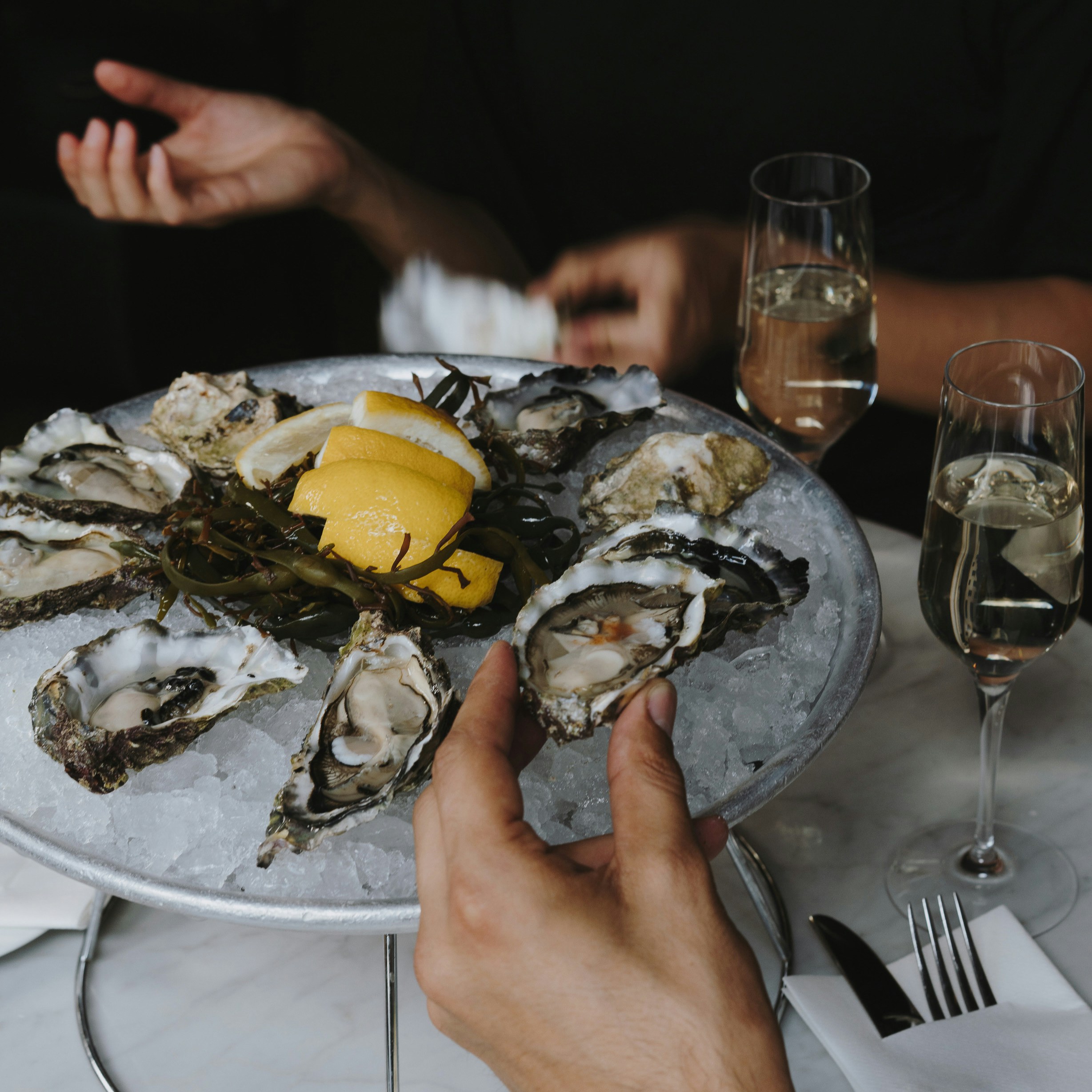
Prince Edward Island’s oyster industry is facing a historic crisis as MSX and dermo diseases cause massive die-offs. Explore the science, climate links, economic fallout, and future of Canada’s aquaculture sector in this in-depth analysis.
🌊 Introduction: A Defining Moment for Canada’s Oyster Industry
Along the shores of Prince Edward Island, oyster farming has long been more than just an economic activity—it is a way of life. For generations, growers have cultivated oysters in the island’s nutrient-rich waters, producing some of the most sought-after shellfish in North America and beyond.
Today, however, that legacy faces one of its greatest threats.
An unprecedented surge in oyster mortality, driven primarily by two parasitic diseases—MSX and dermo—has plunged the industry into crisis. Farmers who once relied on predictable harvest cycles are now confronting uncertainty at every stage of production. Entire cohorts of oysters are being lost, and with them, years of labor and investment.
What makes this moment especially significant is that it represents more than a localized outbreak. It reflects a broader transformation in marine ecosystems—one influenced by climate change, global trade, and shifting environmental conditions. The implications extend far beyond Prince Edward Island, offering a glimpse into the future of aquaculture worldwide.
This in-depth analysis explores the causes, consequences, and potential solutions to a crisis that is reshaping Canada’s oyster industry.
🦠 Understanding the Biology of the Crisis
🔬 The Nature of Marine Pathogens
Marine ecosystems are home to a vast array of microorganisms, many of which coexist harmlessly with larger species. However, under certain conditions, some of these organisms become pathogenic, exploiting environmental changes and host vulnerabilities.
Oysters, like many filter feeders, are particularly susceptible. By constantly filtering water to extract nutrients, they also expose themselves to pathogens present in their environment. This makes them highly efficient at accumulating both nutrients and disease-causing organisms.
🧫 MSX: A Fast-Acting Killer
MSX is caused by a protozoan parasite that infiltrates oyster tissues, disrupting essential biological processes. Once infected, oysters experience a decline in feeding efficiency, leading to reduced energy reserves.
As the infection progresses, the oyster’s internal systems begin to fail. The animal becomes weakened, unable to maintain normal physiological functions, and eventually dies.
One of the most challenging aspects of MSX is its stealth. Early-stage infections are difficult to detect without specialized testing, meaning that outbreaks often go unnoticed until mortality rates spike.
🧬 Dermo: The Chronic Threat
Dermo, caused by a different parasitic organism, operates more slowly but no less destructively. It targets the oyster’s tissues, impairing growth and reproduction over time.
Unlike MSX, which can cause rapid die-offs, dermo often creates a prolonged state of stress within oyster populations. This chronic weakening makes oysters more vulnerable to environmental changes and other diseases.
⚠️ Synergistic Effects
The coexistence of MSX and dermo in the same environment creates a dangerous synergy. Oysters weakened by one disease are less able to resist the other, leading to accelerated mortality and reduced chances of recovery.
This dual threat represents a significant escalation compared to historical disease patterns, where outbreaks were often dominated by a single pathogen.
📉 Scale and Severity of Mortality Events
Reports from across Prince Edward Island indicate that mortality rates have reached alarming levels. In some regions, growers have experienced losses that would have been considered unthinkable just a decade ago.
📊 Patterns of Loss
- Localized devastation: Certain bays and estuaries have seen near-total losses
- Patchy survival: Adjacent areas may show relatively lower mortality
- Rapid escalation: Mortality rates can increase dramatically within weeks
This variability makes it difficult for growers to predict outcomes or implement uniform management strategies.
⏳ Long-Term Production Challenges
Oyster farming is inherently a multi-year process. From seed to market size, oysters require several years of growth under stable conditions. When a disease outbreak wipes out a cohort, it creates a gap in future production that cannot be quickly filled.
This time lag amplifies the economic impact, as losses are felt not only in the current season but in subsequent years as well.
🌡️ Climate Change as a Force Multiplier
🌊 Temperature-Driven Disease Dynamics
Rising ocean temperatures are widely recognized as a key factor in the spread of marine diseases. Warmer water accelerates the life cycles of many pathogens, increasing their reproduction rates and geographic range.
For diseases like MSX and dermo, temperature thresholds play a critical role. As waters warm beyond these thresholds, conditions become increasingly favorable for infection and transmission.
🧂 Salinity and Hydrological Changes
Changes in rainfall patterns, freshwater runoff, and ocean circulation can alter salinity levels in coastal waters. These shifts can create environments that favor pathogen survival and proliferation.
In some cases, reduced freshwater input leads to higher salinity, which has been associated with increased severity of MSX infections.
🌪️ Ecosystem Stress and Host Vulnerability
Environmental stressors weaken oysters, reducing their ability to mount effective immune responses. Factors such as pollution, habitat degradation, and fluctuating oxygen levels all contribute to increased susceptibility.
In this context, disease outbreaks are not isolated events but symptoms of broader ecological imbalance.
💰 Economic Consequences: Beyond the Farm
🏭 The Structure of the Oyster Economy
The oyster industry in Prince Edward Island is a complex network involving growers, processors, distributors, and exporters. It supports thousands of jobs and contributes significantly to the provincial economy.
📉 Immediate Financial Impact
The current crisis has resulted in:
- Significant revenue losses for growers
- Increased operational costs
- Reduced investment capacity
For many small-scale operators, the financial strain is severe enough to threaten their survival.
🌎 Global Market Implications
Canadian oysters are highly valued in international markets. A sustained decline in production could lead to:
- Loss of market share to competitors
- Increased prices for consumers
- Reduced reliability of supply chains
These effects highlight the interconnected nature of global seafood markets.
🧪 Scientific and Industry Responses
🧬 Breeding for Resilience
Selective breeding programs aim to develop oyster strains that can withstand disease pressure. By identifying and propagating resistant individuals, researchers hope to create populations that are better equipped to survive future outbreaks.
📡 Monitoring and Data Collection
Advances in monitoring technology allow for more precise tracking of environmental conditions and disease prevalence. Early detection is critical for mitigating losses and informing management decisions.
🌍 Adaptive Farming Practices
Growers are experimenting with new techniques, including:
- Adjusting stocking densities
- Relocating farms to less affected areas
- Modifying harvesting schedules
These adaptations reflect a shift toward more flexible and responsive aquaculture systems.
🏛️ Policy, Governance, and Collaboration
🤝 Multi-Stakeholder Efforts
Addressing the crisis requires collaboration between government agencies, researchers, and industry participants. Coordinated efforts can enhance knowledge sharing and accelerate the development of solutions.
💼 Financial and Regulatory Support
Government programs can provide critical support through:
- Emergency funding
- Research grants
- Regulatory adjustments
Such measures can help stabilize the industry during periods of extreme stress.
🌍 Global Context: A Shared Challenge
The issues facing Prince Edward Island are part of a broader global trend. Aquaculture industries worldwide are encountering similar challenges as environmental conditions evolve.
From Europe to Asia, disease outbreaks are becoming more frequent and severe, underscoring the need for international cooperation and innovation.
🔮 Future Outlook: Navigating Uncertainty
📈 Opportunities for Transformation
While the current crisis is severe, it also presents opportunities for innovation and growth. Advances in science and technology could lead to more resilient aquaculture systems.
⚠️ Risks and Unknowns
The future remains uncertain. Key questions include:
- Will disease-resistant strains prove effective?
- How quickly can the industry adapt?
- What role will climate change play in future outbreaks?
🌱 Toward a Sustainable Path Forward
Long-term sustainability will depend on balancing economic, environmental, and social considerations. This includes:
- Protecting marine ecosystems
- Supporting local communities
- Investing in research and innovation
📊 Key Takeaways
- MSX and dermo are driving unprecedented oyster mortality in Prince Edward Island
- Climate change is a major factor in the spread and severity of these diseases
- Economic impacts are significant and far-reaching
- Industry adaptation and innovation are critical for recovery
- The crisis reflects broader challenges facing global aquaculture
🔗 Source
Read the original report from CBC News:
https://www.cbc.ca/news/canada/prince-edward-island/pei-oyster-growers-diseases-mortality-msx-dermo-9.7176920




0 Comments