
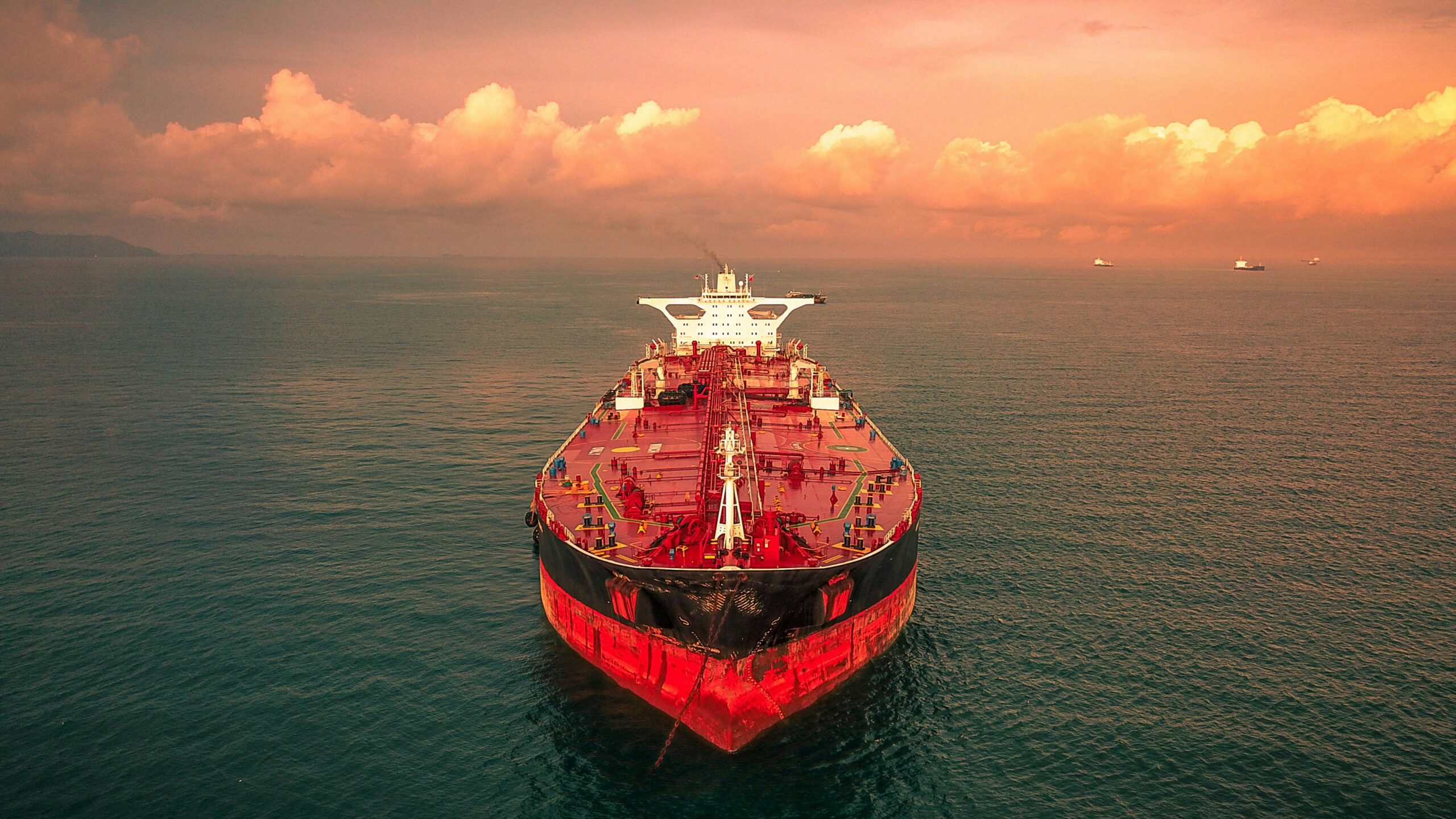
Iran’s economic warfare strategy is disrupting oil markets, inflation trends, global trade routes, and investor confidence in 2026. Read this in-depth SEO news analysis for business leaders and educated readers.
⚡ Iran’s Economic Warfare Intensifies Global Inflation, Oil Volatility, and Trade Risks in 2026
The global economy is once again confronting a geopolitical shock with far-reaching macroeconomic consequences. Iran’s growing use of economic warfare as a strategic instrument is rapidly transforming from a regional pressure tactic into a worldwide force affecting inflation, shipping costs, central bank expectations, and investment behavior.
For educated readers, business executives, policymakers, and global investors, the economic dimension of the Iran crisis has become as important as the military one. The conflict is no longer simply about territory, diplomacy, or regional influence. It is increasingly about how trade chokepoints, commodity pricing, and energy dependence can be weaponized to reshape global growth trajectories.
This shift matters because the world economy entered 2026 with already fragile growth momentum. Inflation had proven sticky, manufacturing recoveries remained uneven, and consumer demand in major economies was moderating. Against that backdrop, any shock to oil transport routes, fertilizer supplies, petrochemical feedstocks, or maritime insurance immediately creates ripple effects far beyond the Middle East.
Iran’s strategy demonstrates that modern economic warfare is no longer limited to sanctions or currency controls. It now includes energy route disruption, freight cost escalation, shipping delays, commodity signaling, and strategic uncertainty that affects financial markets worldwide.
The result is a global environment where executives, central banks, and governments must prepare for slower growth, renewed inflation, and prolonged supply chain fragility.
🌍 Economic Warfare Has Become a Global Macro Force
Economic warfare in 2026 is defined by the ability to create financial pain without direct occupation or full-scale global conflict.
Iran’s leverage comes from geography, energy transit routes, and its ability to create uncertainty around some of the world’s most important commodity corridors. The strategic impact is profound because uncertainty alone is enough to lift oil futures, insurance premiums, tanker rerouting expenses, and freight contracts.
Markets are highly sensitive to any risk involving Gulf shipping lanes because these routes remain central to crude oil, LNG, and petrochemical flows. Even partial disruption can affect:
- oil benchmarks
- fertilizer exports
- industrial plastics
- aviation fuel
- container shipping
- food logistics
- manufacturing inputs
This creates a multiplier effect across the world economy. Higher energy prices push transport costs upward. Rising transport costs feed into producer inflation. Producer inflation then reaches consumer goods, reducing disposable income and softening demand.
For educated economic audiences, the critical insight is that Iran’s strategy is effective because it targets economic confidence as much as physical supply.
That makes the market response nonlinear. A small disruption can create a disproportionately large repricing event.
⛽ Oil Markets and Energy Security Face Renewed Shock
The first and most visible consequence of economic warfare is energy market volatility.
Oil traders are once again forced to price a geopolitical premium into every barrel, every futures curve, and every hedging strategy. The concern is not only immediate supply shortages but also the persistence of uncertainty, which can keep prices elevated even after physical flows partially normalize.
A sustained rise in oil prices creates immediate challenges for:
- Europe’s industrial exporters
- Asia’s manufacturing hubs
- airline margins
- freight operators
- petrochemical processors
- agriculture supply chains
Import-heavy economies face the steepest burden because energy costs feed directly into national inflation baskets.
Meanwhile, the United States retains a relative strategic advantage due to its domestic production strength and broader energy self-sufficiency. This divergence is reshaping comparative economic resilience in 2026, giving domestic producers and energy-exporting regions a stronger macro position than import-dependent peers.
For SEO readers in finance and economics, this makes energy independence one of the defining strategic themes of the year.
📦 Supply Chains Are Under Structural Pressure
One of the most underappreciated effects of Iran’s economic warfare strategy is the stress it places on non-energy supply chains.
Petrochemicals are foundational to modern manufacturing. They are embedded in everything from pharmaceuticals and food packaging to semiconductors, detergents, synthetic textiles, and medical devices.
When trade disruption affects these flows, the consequences spread across multiple sectors:
🏭 Industrial Manufacturing
Factories face higher resin, solvent, and feedstock costs.
🚚 Logistics
Freight rerouting raises transit times and insurance premiums.
🌾 Agriculture
Fertilizer and ammonia pricing become unstable.
💊 Healthcare
Medical packaging and plastic-intensive equipment costs rise.
✈️ Aviation
Jet fuel costs compress airline profitability.
This second-order inflation is often more persistent than headline oil spikes because it becomes embedded into production contracts and procurement budgets.
For businesses, the lesson is clear: supply chain resilience is no longer only about efficiency. It is about geopolitical survivability.
📉 Inflation May Reaccelerate in Major Economies
Inflation remains one of the most important ranking keywords in economic publishing because it affects consumer behavior, investment strategy, mortgage demand, and policy outlooks.
Iran’s economic warfare introduces a classic negative supply shock.
This type of shock is especially dangerous because it can slow growth while raising prices at the same time.
The inflation channels include:
- higher crude prices
- more expensive shipping
- fertilizer inflation
- petrochemical shortages
- consumer goods repricing
- weaker currency performance in import-heavy nations
This is why economists increasingly discuss the possibility of mini-stagflation episodes in 2026.
If energy volatility remains elevated for several months, central banks may be forced to delay expected rate cuts. That would increase pressure on housing, credit-sensitive sectors, and growth equities.
For educated readers, the strategic takeaway is that geopolitics has once again become a primary inflation driver.
🏦 Central Banks Face a Policy Dilemma
The Iran economic shock creates a highly complex challenge for central banks.
Normally, slower growth would justify looser monetary policy. But if the slowdown is caused by supply-side inflation, rate cuts risk worsening price instability.
This leaves policymakers balancing:
- growth support
- inflation credibility
- currency stability
- bond market confidence
- labor market resilience
The U.S. Federal Reserve, the European Central Bank, and emerging-market monetary authorities may all respond differently depending on domestic energy exposure.
Educated readers should pay close attention to:
- inflation expectations
- breakeven rates
- 10-year bond yields
- commodity-linked currencies
- sovereign spreads
These indicators increasingly reflect geopolitical stress as much as domestic macro data.
💹 Investor Themes: Where Smart Money Is Moving
Sophisticated investors are not only reacting to oil prices.
They are repositioning around structural themes created by economic warfare.
📈 1) Energy Producers
Oil, LNG, and pipeline-linked equities gain strategic importance.
🛡️ 2) Defense and Maritime Security
Firms tied to shipping protection, route intelligence, and logistics software benefit.
🏭 3) Domestic Manufacturing
Regionalized production networks become more attractive.
🌾 4) Fertilizer and Agriculture Inputs
Food security themes gain prominence.
💻 5) Supply Chain Analytics
Software that improves route resilience and procurement forecasting sees stronger demand.
This thematic investing lens helps explain why geopolitical crises increasingly produce sector-specific winners rather than uniform market declines.
🌐 Global Trade Architecture Is Being Rewritten
A major long-term consequence of Iran’s economic warfare strategy is the reassessment of global trade design itself.
For decades, businesses optimized around:
- low cost
- just-in-time inventory
- global supplier concentration
- minimal redundancy
That model is increasingly being replaced by:
- nearshoring
- regional hubs
- energy diversification
- multi-supplier redundancy
- strategic reserves
- logistics digitization
This transformation may outlast the conflict itself.
The deeper economic lesson is that geopolitical chokepoints now carry permanent valuation consequences.
Companies that fail to redesign around this reality risk margin erosion, delivery volatility, and investor skepticism.
🧠 Why Educated Readers Should Watch This Story Closely
This story matters because it sits at the intersection of:
- geopolitics
- macroeconomics
- inflation
- commodities
- central banking
- supply chain design
- long-term capital allocation
Iran’s economic warfare is not merely a news headline. It is a case study in how states can reshape global markets through selective pressure points.
The implications reach:
- pension funds
- sovereign wealth portfolios
- consumer prices
- industrial planning
- shipping finance
- strategic reserves
- fiscal policy
This is why the economic dimension may outlast the military timeline itself.
🔍 Final Takeaway
Iran’s economic warfare strategy is emerging as one of the most powerful global market forces of 2026. By targeting trade uncertainty, energy risk, and supply chain confidence, it is reshaping inflation trends, policy expectations, and sector-level investment opportunities.
For educated readers and business decision-makers, the most important conclusion is simple: economic resilience now depends on geopolitical adaptability.
The world’s next phase of growth may be determined not by consumer demand alone, but by who controls the routes, resources, and confidence systems that modern trade depends on.




0 Comments