
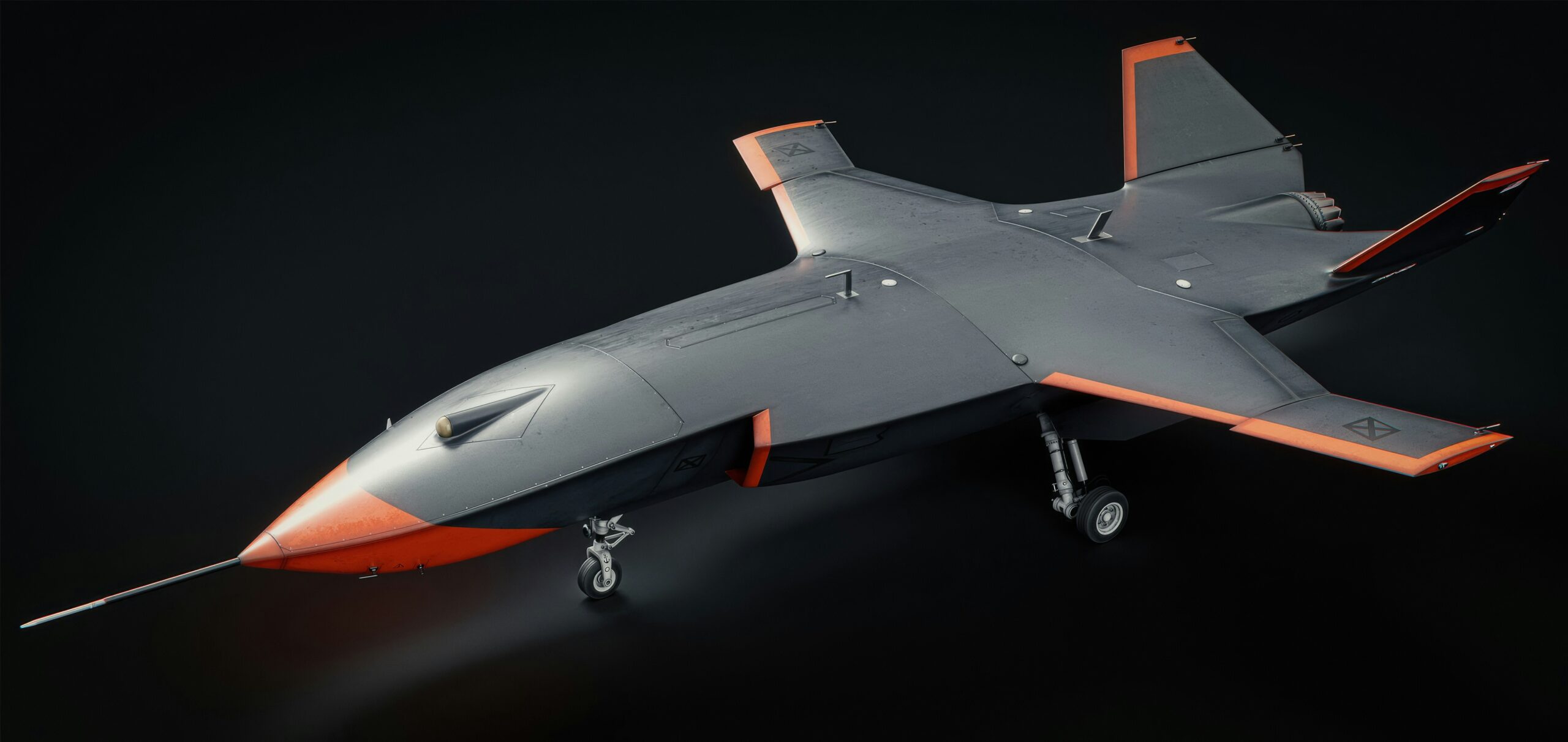
Explore how startups are deploying AI-powered drones in U.S. high schools to enhance safety, prevent active shooter incidents, and redefine emergency response. Learn about technology, ethics, policy, and the future of campus security.
🛡️ High School Security Drones: How Startups Are Transforming Campus Safety in 2026
In 2026, a new era of school safety is emerging as autonomous drones equipped with artificial intelligence enter U.S. high schools. Startups like Mithril Defense are offering drones capable of rapid response during active shooter situations, providing real-time surveillance, and assisting emergency personnel. This technology represents a major shift in how schools address threats—but it also raises questions about ethics, privacy, and long-term impact.
This article explores the rise of school security drones, their functionality, market dynamics, policy challenges, and the ethical implications of integrating autonomous systems into educational environments.
🚁 The Rise of AI-Driven School Security
Over the past decade, school safety technology has advanced rapidly. Key drivers include:
- Increasing frequency of mass shootings
- Public pressure on districts to improve security
- Advances in AI, robotics, and surveillance technology
Schools have already invested in smart cameras, gunshot detectors, and access control systems, but drones provide a unique dynamic and mobile response capability. Unlike stationary security systems, drones can quickly assess threats, provide live video to first responders, and track intruders in real time.
💡 Key Benefits of Drone-Based Security
- Rapid Threat Assessment: Drones can reach critical locations faster than human security personnel.
- Real-Time Intelligence: High-definition video feeds improve situational awareness.
- Enhanced Evacuation Guidance: AI algorithms can map safe routes during emergencies.
- Extended Coverage: Drones access blind spots in campuses with complex layouts.
⚡ How School Security Drones Operate
Autonomous drones designed for high schools incorporate multiple advanced features:
🎥 Live Video Surveillance
Drones provide real-time video feeds from hallways, classrooms, gyms, and outdoor areas. This allows school administrators and law enforcement to monitor incidents as they unfold.
🧠 AI Threat Detection
Using machine learning algorithms, drones detect abnormal movements, weapons, and potentially suspicious behavior. AI can filter false alarms and alert human operators immediately.
🗺️ Indoor Navigation
Modern drones navigate GPS-denied environments, allowing them to move through corridors, stairwells, and other indoor spaces where GPS signals are weak or unavailable.
⏱️ Rapid Deployment
Drones can launch automatically from docking stations when triggered by:
- Panic buttons
- Acoustic gunshot detection systems
- AI threat recognition alerts
This rapid deployment ensures that seconds—critical in active shooter scenarios—are saved.
🏫 Why High Schools Are the First Testing Ground
High schools have specific characteristics that make them ideal for drone security:
- Large, multi-building campuses
- Outdoor spaces like athletic fields and stadiums
- High population density during school hours
- Multiple entry points difficult for human staff to monitor
Drones complement traditional School Resource Officers (SROs) and security teams, providing an extra layer of protection and situational awareness.
💼 The Business Model Behind School Drone Startups
Startups entering this niche combine hardware, software, and service revenue streams.
💳 Hardware-as-a-Service (HaaS)
Schools lease drones, docking stations, and maintenance systems on annual contracts, reducing upfront costs while ensuring regular updates.
☁️ Cloud-Based AI Platforms
Software subscriptions include:
- AI threat analytics dashboards
- Emergency coordination tools
- Cloud storage for incident recordings
🔧 Maintenance and Compliance Services
Recurring revenue comes from:
- Drone battery swaps
- Firmware and software updates
- Federal Aviation Administration (FAA) and local compliance checks
🤝 Law Enforcement Partnerships
Integrating drone systems with local police operations ensures coordinated responses during emergencies, further improving security outcomes.
⚖️ Ethical and Privacy Considerations
While drones enhance safety, their deployment raises serious ethical concerns:
- Student Surveillance: Constant monitoring may infringe on privacy rights.
- Data Misuse: Facial recognition or behavior tracking could be exploited.
- False Positives: AI may misidentify benign behavior as threats.
- Chilling Effects: Students may feel constantly observed, affecting mental well-being.
Districts must adopt transparent policies, specifying when and how drones operate, how data is stored, and who has access.
🛡️ Can Drones Actually Prevent School Shootings?
Autonomous drones do not prevent violence at its root. However, they enhance:
- Situational awareness for staff and first responders
- Evacuation planning by mapping safe routes
- Coordination between security personnel and law enforcement
Studies indicate that response time is critical in active shooter situations. Drones can cut response time by seconds, potentially saving lives during the first minutes of a crisis.
📊 Market Implications: EdTech Meets Defense Tech
The school drone market represents a new investment frontier at the intersection of:
- Education technology (EdTech)
- Robotics and AI
- Public safety and emergency response
🔹 Investment Trends
- Venture capital interest is growing as districts seek technology-driven safety solutions.
- Startups that combine reliable AI, regulatory compliance, and transparent governance have the highest chance of success.
- Integration with municipal law enforcement adds credibility and operational value.
🏗️ Technology Behind the Drones
Understanding the technical capabilities of security drones helps educators and policymakers make informed decisions.
Sensors and Cameras
- High-resolution optical cameras
- Thermal imaging for low-light detection
- Acoustic sensors to detect gunshots or loud disturbances
AI Algorithms
- Behavioral analytics to detect unusual movement
- Predictive threat modeling to anticipate potential incidents
- Automated alerts to human operators
Autonomous Flight Systems
- GPS-denied navigation for indoor use
- Collision avoidance technology
- Automated docking and charging
🌍 Policy and Regulatory Considerations
Deploying drones in schools requires compliance with multiple regulatory frameworks:
- Federal Aviation Administration (FAA) guidelines
- State-level privacy laws
- District-specific safety protocols
Policymakers face a challenge in balancing student safety with rights to privacy, making community engagement essential.
🔍 SEO Keywords to Optimize
- school security drones
- AI campus safety systems
- active shooter response drones
- autonomous drones for schools
- emergency response drones
- high school safety technology
- drone-based school security
- AI-powered emergency systems
Using these keywords strategically improves Google rankings among educated readers searching for tech-driven safety solutions.
🔮 The Future of Drone-Powered School Safety
The integration of autonomous drones in high schools signals a paradigm shift in emergency response.
Potential Advantages
- Faster situational awareness
- Reduced risk for human responders
- Real-time data for evacuation planning
Ongoing Challenges
- Maintaining student privacy
- Avoiding over-reliance on AI
- Ensuring transparency and accountability
The success of this technology will depend not just on hardware, but on policy frameworks, ethical safeguards, and stakeholder trust.
📝 Conclusion
Autonomous drones in U.S. high schools represent a technological innovation with the potential to save lives. They offer rapid response, real-time intelligence, and a new layer of security for sprawling campuses. However, their implementation comes with ethical, privacy, and social challenges.
Districts considering these systems must weigh:
- Benefits for safety and emergency response
- Ethical obligations toward student privacy
- Community trust and policy transparency
As startups continue to develop AI-powered drone technology, the conversation about school safety, ethics, and AI governance will only intensify. The future of campus protection will depend on how well schools balance innovation, privacy, and safety.
🔗 Source
Direct source: Wall Street Journal – A Startup Is Supplying Drones to High Schools




0 Comments