
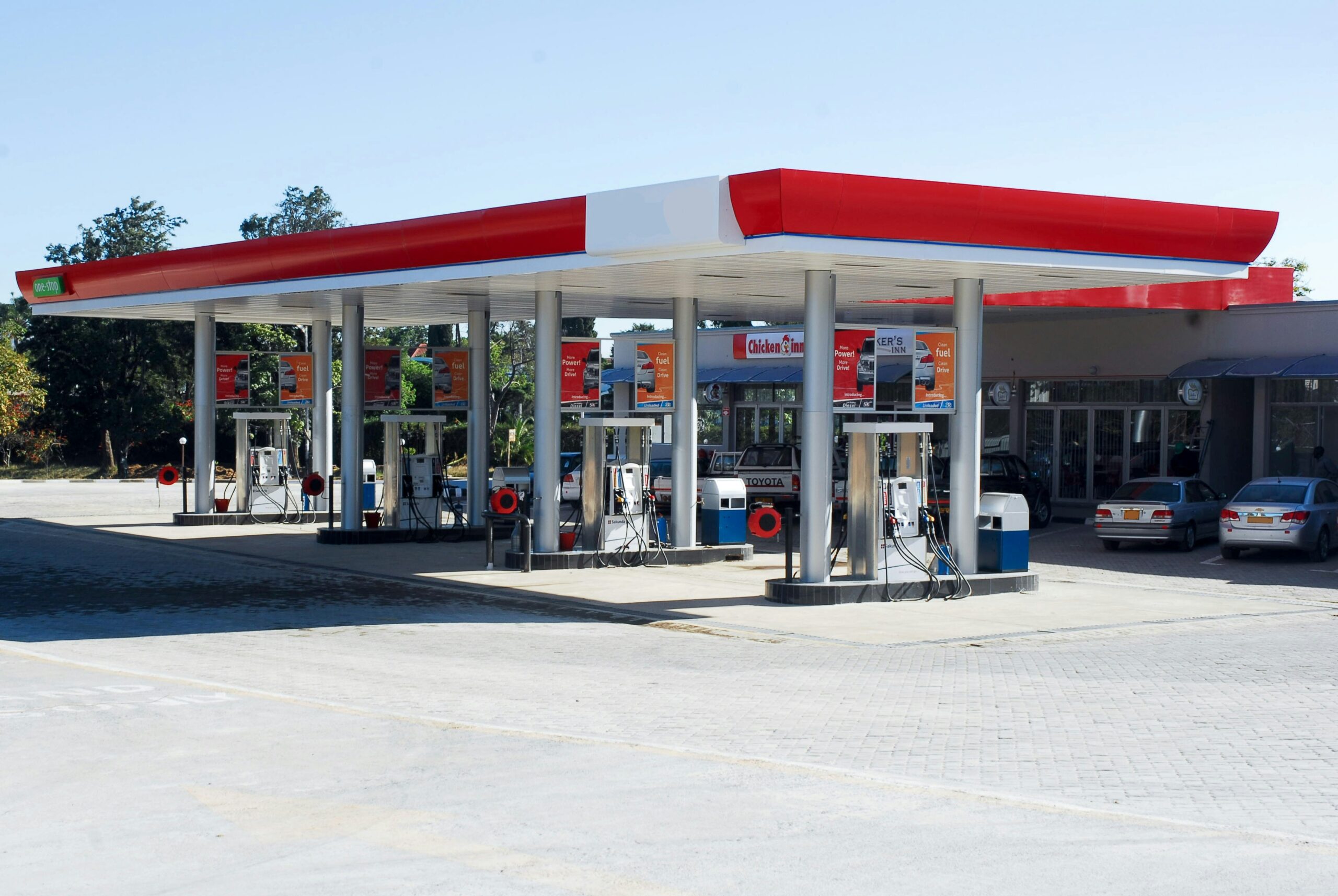
High fuel prices in Singapore are prompting more motorists to refuel across the border in Malaysia. Explore economic drivers, travel behavior, policy impacts, and future outlook in this in‑depth analysis.
Introduction: A Rising Cross‑Border Fuel Trend 📈
In early 2026, Singapore witnessed a notable shift in motorist behavior tied directly to economic incentives — a growing number of drivers are crossing into Malaysia to take advantage of substantially cheaper fuel prices. The pattern goes beyond occasional weekend trips for groceries; it has evolved into a sustained regional mobility phenomenon driven by disparities in energy pricing, subsidy policies, and consumer sensitivity to transport costs.
The price of petrol — especially premium grades like RON97 and RON95 — in Singapore has consistently remained high due to global and domestic factors. Meanwhile, Malaysia’s subsidized fuel market continues to offer motorists lower per‑liter prices. As a result, individuals and families who own vehicles in Singapore now find financial benefit in making regular trips to Malaysia’s border towns, particularly Johor Bahru, just to top up fuel tanks before returning home.
This article provides a comprehensive examination of:
- What has caused fuel prices to diverge so sharply between the two countries
- The patterns and implications of cross‑border refueling
- Economic, social, and environmental impacts of this trend
- Policy responses and long‑term prospects
This is more than a story about price differences — it touches on human behavior, economic policy, regional coordination, and future energy transitions.
1. Understanding the Fuel Price Context in Singapore 🔍
Singapore’s fuel market operates within one of the most dynamic energy environments in Southeast Asia. Unlike some countries with government‑controlled pricing, Singapore’s petrol prices are influenced heavily by global crude oil markets, taxes, and domestic policy decisions.
1.1 Global Oil Markets and Price Volatility
Fuel pricing anywhere in the world is intrinsically linked to global crude oil prices. Since early 2024, geopolitical tensions in key oil producing regions have contributed to price instability. The ripple effects of conflict, supply chain disruptions, and fluctuating production quotas have kept global crude benchmarks volatile. This volatility translates directly into higher pump prices for refined fuels in countries like Singapore that import nearly all of their petroleum needs.
1.2 Domestic Fuel Taxes and Levies
Singapore applies several tax components to fuel, partly to manage traffic congestion and environmental impact. These taxes, while important for long‑term sustainability goals, contribute significantly to the retail price motorists pay per liter. In a high‑income urban setting, such costs are more readily absorbed, but they nonetheless influence consumer behavior, particularly among price‑sensitive drivers.
1.3 Consumer Perception and Cost of Living
As fuel prices climbed over recent months, many Singaporeans began to feel the pinch not just at the pump, but across daily living expenses. Costs related to transportation — such as bus and taxi fares — also trend upward in response to fuel price changes, affecting household budgets and consumer confidence. This broader cost‑of‑living pressure has intensified interest in alternative solutions, including cross‑border refueling.
2. Malaysia’s Subsidized Fuel Market: A Comparative Advantage 💰
Malaysia’s fuel pricing system operates under a subsidy framework that is fundamentally different from Singapore’s. While subsidies are not unique in global energy markets, their scale and impact on regional price differentials are significant in this case.
2.1 Subsidy Structure and Policy Intent
Malaysia subsidizes certain grades of petrol with the explicit goal of keeping transportation affordable for citizens. This means the government absorbs part of the cost, allowing retail prices to stay lower than the true market price. Programs like subsidy schemes for RON95 and related measures create a pricing environment where fuel remains accessible even when global crude prices rise.
2.2 Price Stability and Local Consumption Priorities
One advantage of a subsidy system is that consumers experience less dramatic price fluctuation when compared to markets without such mechanisms. In Malaysia, the average price per liter of subsidized petrol can remain stable even as international indices move. For Malaysian motorists, this brings predictability and relief, but it also attracts attention from foreign drivers who recognize the opportunity to save.
2.3 Cross‑Border Pricing Impact
The practical effect is that a Singaporean driver can purchase the same amount of fuel in Malaysia for a fraction of the cost back home. Even accounting for travel time and associated expenses, the net savings can be compelling — especially for those who refuel often or drive longer distances.
3. Patterns of Cross‑Border Travel and Refueling Behavior 🚗
The trend of refueling abroad is not random; it follows identifiable patterns and behaviors shaped by economics, convenience, and opportunity costs.
3.1 Frequency and Purpose of Trips
Data from travel patterns indicate that many Singaporeans are making regular trips to Malaysia, with weekends being the most common timeframe. These journeys often serve dual purposes: refueling and engaging in retail or leisure activities such as shopping, dining, and social visits.
3.2 Logistics of Refueling Abroad
Singapore’s rules require vehicles to carry a minimum amount of fuel when entering Malaysia, and drivers often fill up to that threshold before returning. This logistical strategy maximizes the economic benefit of the trip. Many participants in this trend plan their visits strategically, timing them to avoid peak cross‑border congestion and to align with personal schedules.
3.3 Personal and Household Budgeting Strategies
For some families, the decision to refuel in Malaysia is part of a broader household budgeting strategy. With tight cost constraints and rising expenses in areas like housing and food, fuel savings become more attractive. These decisions reflect rational economic behavior where consumers seek to maintain quality of life while managing limited resources.
4. Economic Impacts on Singapore’s Domestic Market 💹
The trend of refueling abroad carries implications for Singapore’s economy, some immediate and others more subtle.
4.1 Consumer Spending Patterns
As Singaporeans allocate more of their fuel expenses abroad, domestic spending patterns shift. Money that might have been spent on local petrol stations flows across borders instead, potentially reducing revenue for local businesses tied to fuel retail.
4.2 Broader Cost of Living Effects
Fuel price pressures do not exist in isolation. They affect logistics costs for goods delivery, influence public transport pricing, and can contribute to inflationary trends. Households facing higher transport costs may cut back on other discretionary spending, affecting sectors like retail, dining, and entertainment.
4.3 Government Revenue and Policy Considerations
Fuel taxes contribute to government revenues, supporting infrastructure and public services. When motorists refuel abroad, those tax revenues may decline slightly. Over time, this could prompt policymakers to evaluate how fuel taxes and subsidy schemes interact with broader economic goals, including equitable cost distribution and sustainability.
5. Economic Impacts on Malaysia’s Economy 🇲🇾
Malaysia experiences both benefits and challenges from this trend.
5.1 Increased Economic Activity in Border Regions
Local businesses in border towns like Johor Bahru benefit when more motorists arrive to refuel and shop. These travelers often spend money on goods, food, and services, providing revenue boosts for local economies.
5.2 Competition for Subsidized Fuel Resources
However, increased foreign demand for subsidized fuel places pressure on local supplies. When petrol stations serve a high volume of foreign motorists, local residents may experience longer wait times or reduced availability during peak hours.
5.3 Policy Debates on Fuel Subsidy Use
There is ongoing debate within Malaysia about how best to manage fuel subsidies to balance support for citizens with economic pressures. Measures such as restricting foreign use of subsidized fuel cards are under consideration to ensure subsidies serve their intended population.
5.4 Inflationary Pressures and Local Goods Pricing
An uptick in cross‑border traffic can contribute to localized inflationary pressures, as businesses adjust prices in response to increased demand for goods and services. While this may not translate into national inflation levels, it can impact border communities in tangible ways.
6. Environmental and Social Considerations 🌿
The surge in cross‐border travel also carries environmental and social dimensions.
6.1 Increased Carbon Emissions
More frequent cross‑border trips contribute to higher overall vehicle emissions. Even as fuel savings benefit individual motorists, the collective increase in kilometers traveled raises questions about the environmental footprint of this behavior.
6.2 Traffic Congestion and Infrastructure Strain
Border crossings are prone to congestion, especially on weekends and holidays. Additional traffic not only inconveniences travelers but also puts strain on transportation infrastructure, requiring effective management and public planning.
6.3 Social Impact on Border Communities
Border towns and communities experience both positive and negative social impacts. On one hand, increased visitors can bring vibrancy and economic opportunity. On the other hand, higher traffic volumes may affect quality of life, noise levels, and local resources.
7. Regional Policy Responses and Coordination 🧭
Governments in both Singapore and Malaysia have begun to respond to this emerging trend, with policy considerations spanning economic, social, and environmental domains.
7.1 Singapore’s Policy Outlook
Singapore may explore policy tools ranging from fuel price stabilization mechanisms to targeted subsidies for specific sectors. The government’s challenge is to balance the need for environmental sustainability with public concerns about affordability and fairness.
7.2 Malaysia’s Regulatory Options
Malaysia’s policymakers are evaluating measures to protect the intended beneficiaries of fuel subsidies. This includes proposals to restrict foreign access to subsidized fuel and implement purchase limits to ensure supplies remain adequate for citizens.
7.3 Bilateral Coordination and Future Dialogue
Ultimately, sustained regional coordination may help both nations address cross‑border fuel dynamics without undermining economic stability or community welfare. Dialogues between energy ministries and transport authorities could pave the way for balanced policy frameworks.
8. The Future of Fuel Consumption and Mobility Trends 🔮
Looking forward, several factors could influence how this trend evolves:
8.1 Technological Shifts and Alternative Mobility
The rise of hybrid and electric vehicles may reduce dependence on traditional petrol, especially as charging infrastructure expands. As more drivers adopt cleaner technologies, fuel pricing dynamics may shift accordingly.
8.2 Market Responses to Policy Changes
If either government adjusts fuel taxes or subsidy structures significantly, consumer behavior may change in response. For example, reducing domestic fuel taxes in Singapore could diminish the cost advantage of refueling abroad.
8.3 Broader Regional Energy Trends
Global energy transitions toward renewable sources and reduced fossil fuel reliance could reshape fuel markets entirely. As Southeast Asian countries engage in energy diversification, cross‑border pricing disparities may lessen over time.
8.4 Behavioral Adaptations
Individuals and households constantly adapt to price signals. As economic conditions shift, future travel and consumption patterns may evolve in response to fuel accessibility, convenience, and cost.
Conclusion: A Complex, Evolving Regional Phenomenon 🧠
The growing trend of Singaporeans refueling in Malaysia is more than a temporary response to short‑term price spikes; it reflects deeper economic relationships, policy choices, and individual behavior patterns shaped by incentives. This phenomenon sheds light on how price differences, government subsidy frameworks, and cross‑border mobility can intersect to produce real‑world outcomes that affect households, businesses, and governments alike.
From an economic perspective, the implications span markets and sectors, influencing consumption patterns and regional interactions. From a social and environmental perspective, the trend raises important questions about sustainability, traffic management, and community impact. From a policy perspective, it invites thoughtful analysis and coordinated approaches.
For readers interested in economics, policy, or regional development, this case underscores how interconnected modern economies are — and how even relatively small price differences can drive significant changes in behavior.
🔗 Sources
- https://e.vnexpress.net/news/business/economy/singaporeans-flock-to-malaysia-for-cheaper-fuel-amid-high-prices-back-home-5056756.html
- https://www.straitstimes.com/asia/se-asia/fuel-frenzy-across-causeway-johor-businesses-expect-more-singaporeans-to-shop-fill-petrol
- https://paultan.org/2026/03/19/government-pays-over-rm3-billion-monthly-for-fuel-subsidies/
- https://www.motorist.my/article/5664/malaysia-bans-foreign-cards-for-ron95-fuel-subsidy



0 Comments