
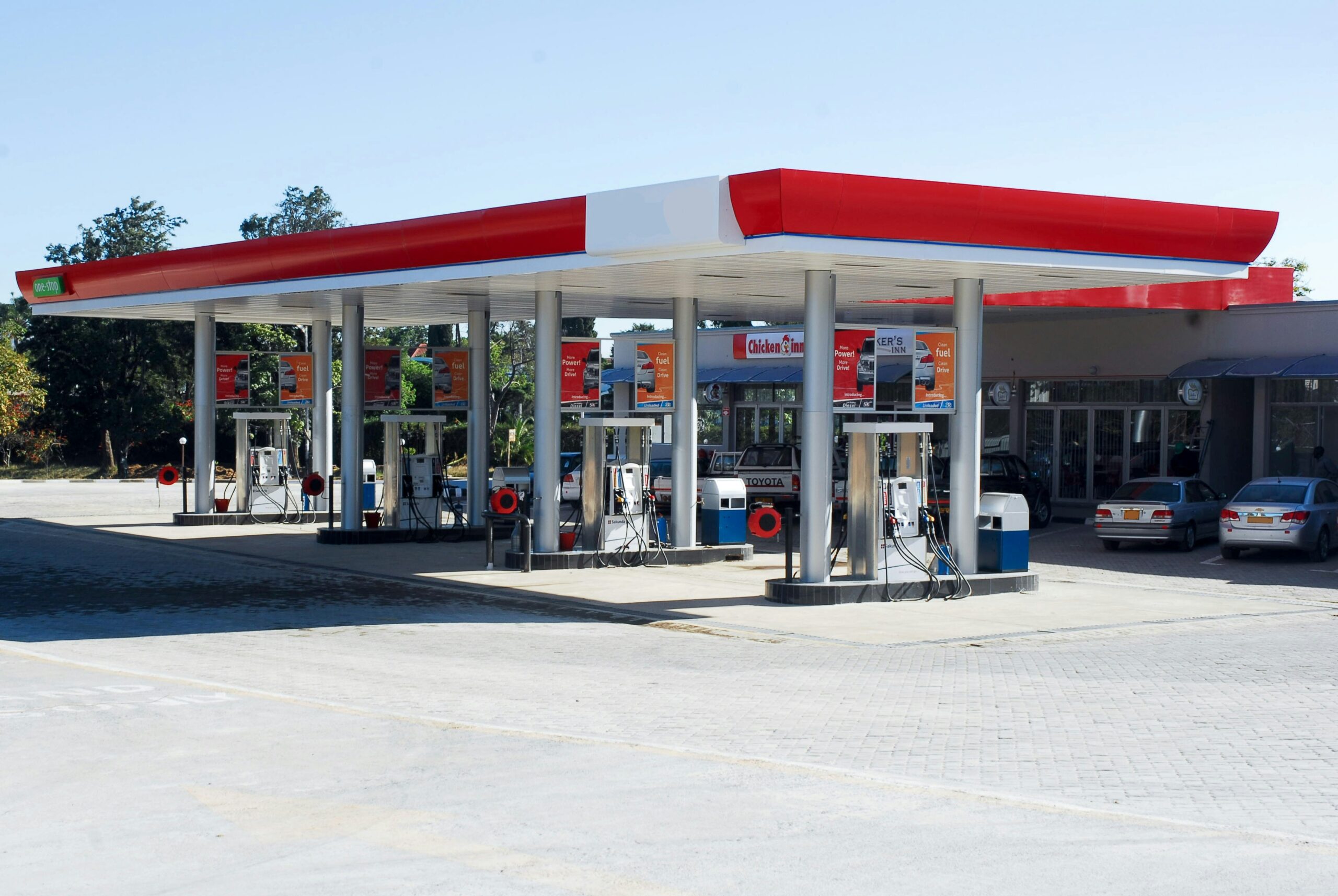
Gas prices surpassing $4 per gallon in 2026 are raising inflation concerns—but economists say they may actually lead to Federal Reserve rate cuts. Discover the deeper economic forces shaping interest rate policy, consumer behavior, and market trends.
⛽ $4 Gas Prices Are Back—But the Economic Story Has Changed
The return of $4 gasoline has once again captured public attention across the United States. For many households, it signals rising costs, tighter budgets, and renewed anxiety about inflation. For investors, it raises an equally pressing question: Will the Federal Reserve respond with higher interest rates?
At first glance, the logic seems straightforward. Higher gas prices contribute to inflation, and inflation typically pushes central banks to tighten monetary policy. But the economic reality in 2026 is far more nuanced.
In fact, a growing number of economists and market analysts argue that $4 gas prices may not trigger rate hikes at all—and could instead pave the way for rate cuts later in the year.
This shift in thinking reflects a deeper understanding of how energy prices interact with consumer behavior, economic growth, and monetary policy. The current situation is not simply about inflation—it is about the balance between inflation and economic slowdown.
📊 Understanding the Nature of the Current Gas Price Surge
To fully grasp why $4 gasoline does not automatically lead to higher interest rates, it is essential to understand what is driving the price increase.
Unlike periods of strong economic expansion, where rising demand pushes prices higher, today’s surge in fuel costs is largely supply-driven. Global oil markets have been disrupted by geopolitical tensions, transportation bottlenecks, and strategic supply constraints.
When supply disruptions occur, oil prices rise regardless of whether consumer demand is strong or weak. This type of inflation is fundamentally different from demand-driven inflation.
🔍 Key Drivers Behind the Surge
- Global oil supply disruptions
- Increased geopolitical risk premiums
- Refinery constraints and maintenance cycles
- Seasonal fuel blend transitions
- Elevated transportation and logistics costs
These factors create what economists call a cost-push inflation shock, rather than demand-pull inflation.
🏦 Why the Federal Reserve Is Likely to “Look Through” Higher Gas Prices
Central banks, including the Federal Reserve, do not react to every inflation spike in the same way. Policymakers carefully distinguish between temporary price increases and persistent inflation trends.
Gasoline prices are historically volatile. They can rise quickly due to supply shocks but often stabilize or fall once those disruptions ease. Because of this volatility, central banks tend to focus more on core inflation, which excludes energy and food prices.
💡 The Fed’s Core Strategy
- Focus on underlying inflation trends
- Avoid overreacting to temporary shocks
- Monitor wage growth and inflation expectations
- Assess long-term economic stability
Higher gas prices alone are unlikely to convince policymakers that inflation is becoming entrenched. Instead, they will look for signs that rising energy costs are spreading into wages, rents, and broader consumer prices.
So far, there is limited evidence that this type of broad-based inflation is taking hold.
💸 Gas Prices as a Hidden “Tax” on Consumers
One of the most important reasons $4 gas may not lead to rate hikes is that it already acts like a form of monetary tightening.
When fuel prices rise, households must allocate more of their income to essential expenses. This leaves less money available for discretionary spending.
🚗 Where Consumers Cut Back
- Dining out and entertainment
- Retail and e-commerce purchases
- Travel and vacations
- Home improvements
- Subscription services
This reduction in spending slows economic activity organically, without any action from the Federal Reserve.
In effect, higher gas prices function as a self-correcting mechanism. They reduce demand across the economy, which can help bring inflation down over time.
📉 The Risk of Slowing Economic Growth
While inflation may rise temporarily due to higher energy costs, the broader economic impact often leans in the opposite direction.
Economists are increasingly concerned about growth drag, a scenario where elevated costs weaken consumer demand and business activity.
⚠️ Signs of Potential Slowdown
- Declining consumer confidence
- Reduced retail sales growth
- Slower hiring trends
- Increased credit stress
- Lower corporate profit margins
Lower-income households are particularly vulnerable because they spend a larger share of their income on fuel. As a result, rising gas prices can disproportionately affect overall consumption.
If this slowdown becomes widespread, it could shift the Federal Reserve’s focus from controlling inflation to supporting economic growth.
🔄 The Case for Future Rate Cuts
Here is where the narrative becomes especially compelling.
While $4 gas may initially contribute to higher inflation readings, it can also set the stage for lower interest rates in the future.
This happens because prolonged high energy costs can weaken economic momentum enough to require policy support.
📉 How the Cycle Works
- Gas prices rise due to supply shocks
- Consumers reduce discretionary spending
- Economic growth slows
- Inflation pressures ease over time
- The Federal Reserve considers rate cuts to stimulate growth
This dynamic has played out multiple times in economic history. Energy shocks often create short-term inflation spikes but lead to longer-term disinflationary effects.
📊 Market Expectations Are Already Shifting
Financial markets are highly sensitive to changes in economic conditions. Investors continuously adjust their expectations based on incoming data.
In recent months, market sentiment has begun to reflect a growing belief that:
- Economic growth may slow in the second half of 2026
- Consumer spending could weaken further
- Inflation pressures may moderate over time
- The Federal Reserve may shift toward easing policy
Bond markets, in particular, are signaling this shift. Yields tend to fall when investors expect slower growth and lower interest rates in the future.
🏭 Sector Winners and Losers in a High Gas Price Environment
Rising fuel costs do not affect all industries equally. Some sectors benefit, while others face significant challenges.
🟢 Potential Winners
- Energy producers and oil companies
- Refining and pipeline operators
- Defensive sectors like utilities
- Consumer staples companies
- Fixed-income investments (if rates fall)
🔴 Potential Losers
- Airlines and transportation firms
- Logistics and shipping companies
- Retail and discretionary brands
- Hospitality and travel sectors
- Manufacturing firms with high input costs
Understanding these dynamics is essential for investors and businesses seeking to navigate the current environment.
🧠 Inflation vs. Recession: The Central Economic Debate
At the heart of the current situation is a fundamental economic tension: inflation versus growth.
On one hand, higher gas prices push inflation higher. On the other hand, they reduce consumer spending and slow economic activity.
This creates a scenario where traditional policy responses may not apply.
⚖️ The Balancing Act
- Raising rates could worsen economic slowdown
- Cutting rates too early could risk inflation persistence
- Holding steady allows time to assess evolving conditions
The Federal Reserve must carefully weigh these competing forces. In many cases, the risk of slowing growth may outweigh the risk of temporary inflation spikes.
📉 Why This Time Is Different from Past Inflation Cycles
In previous inflationary periods, strong demand was the primary driver of rising prices. Today’s environment is different.
🔍 Key Differences
- Inflation is partly driven by external supply shocks
- Consumer spending is already under pressure
- Wage growth is stabilizing rather than accelerating
- Global economic conditions remain uncertain
Because of these factors, policymakers are less likely to respond aggressively to rising gas prices.
🔮 What to Watch in the Months Ahead
The trajectory of interest rates will depend on several key indicators.
📊 Critical Data Points
- Core inflation trends
- Consumer spending patterns
- Labor market strength
- Business investment levels
- Global energy market stability
If economic data begins to show clear signs of slowing growth, expectations for rate cuts will likely strengthen.
🧭 Strategic Implications for Investors and Businesses
Understanding the broader implications of $4 gas prices can help guide decision-making.
💼 For Investors
- Consider diversification across sectors
- Monitor bond market signals
- Focus on defensive and income-generating assets
- Stay alert to shifts in Fed policy expectations
🏢 For Businesses
- Manage input cost volatility
- Optimize pricing strategies
- Monitor consumer demand trends
- Prepare for potential changes in borrowing costs
✅ Final Takeaway
The return of $4 gasoline in 2026 is undeniably significant, but its implications are often misunderstood.
Rather than triggering aggressive interest rate hikes, higher fuel prices may:
- Reduce consumer spending
- Slow economic growth
- Ease long-term inflation pressures
- Increase the likelihood of Federal Reserve rate cuts
In this context, rising gas prices are not just an inflation story—they are a growth story, a policy story, and a market story all at once.
The key insight is simple yet powerful: what initially looks like inflationary pressure may ultimately become a reason for monetary easing.




0 Comments