
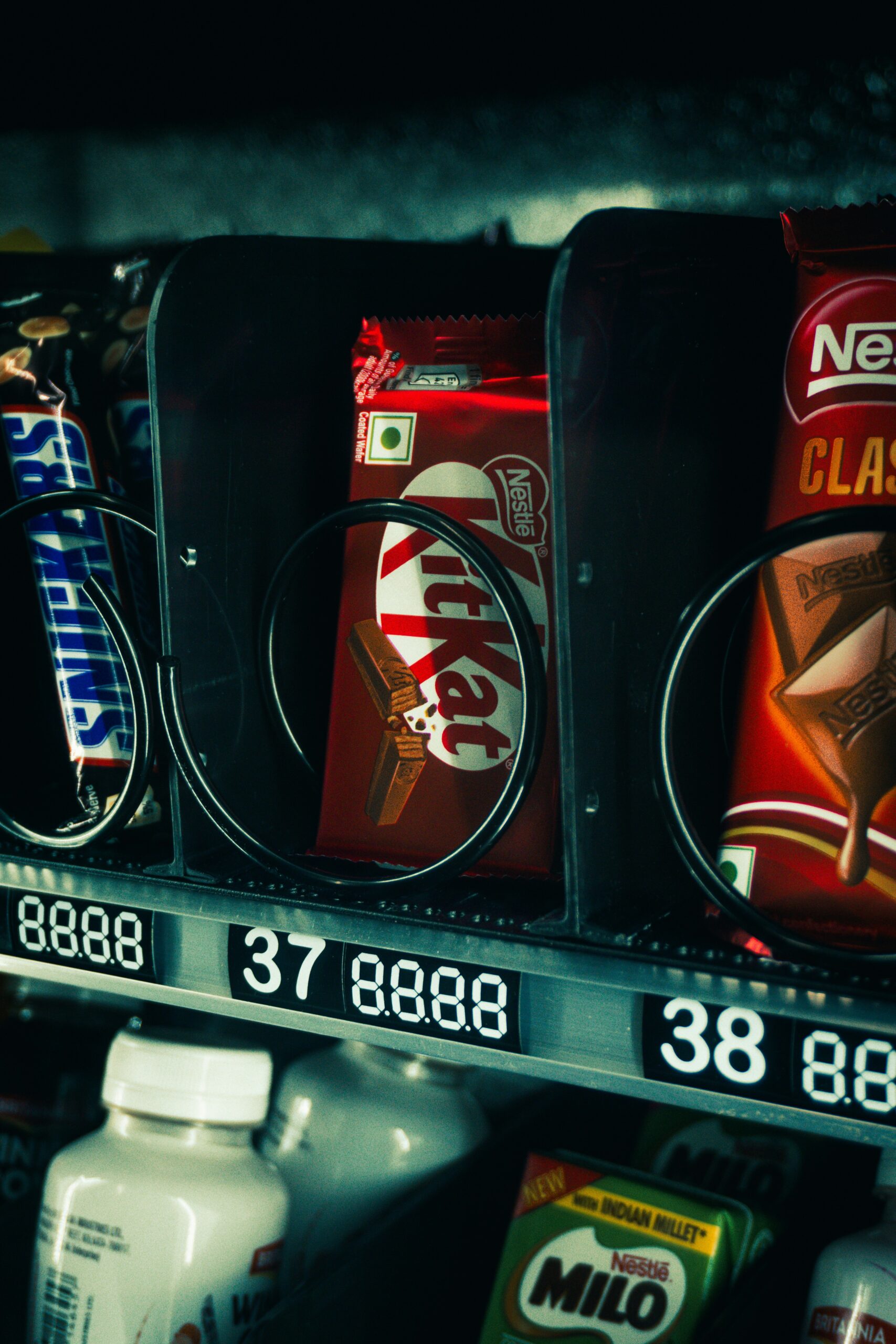
Explore the story of the KitKat heist that shook Europe, how Nestlé transformed theft into a viral marketing success, and key lessons for global brands on supply chain security, crisis management, and consumer engagement.
Introduction: When Chocolate Hits the Headlines 🍬
In an era dominated by digital media and viral trends, few stories manage to capture global attention while blending elements of crime, humor, and corporate strategy. The KitKat heist is one such story.
In March 2026, a Nestlé shipment of over 12 tonnes of KitKat chocolate bars vanished from its route across Europe. The theft involved hundreds of thousands of bars, valued in the millions of euros, and instantly became a global talking point. What makes this incident unique is how it shifted from a potential corporate disaster into a viral marketing moment.
This article dives deep into the heist, examining its logistics, security implications, media coverage, consumer behavior impact, and lessons for global brands navigating today’s complex business environment.
📦 The Heist Unfolded: Tracking a Sweet Disappearance
The stolen shipment originated from Nestlé’s production hub in central Italy and was destined for distribution centers across Eastern Europe. According to logistics reports:
- Volume lost: 12 tonnes (~413,000 bars)
- Route: Italy → Poland, passing through multiple checkpoints
- Timing: Early morning transport, intended to meet retail demand before seasonal holidays
Despite GPS tracking and batch coding, the truck disappeared without immediate trace. Authorities suspected organized crime elements familiar with European cargo routes, illustrating the sophistication of modern cargo theft networks.
The Immediate Response
Nestlé activated its crisis response protocols, which included:
- Contacting local law enforcement and border authorities
- Reviewing GPS and tracking data to reconstruct the vehicle’s route
- Alerting distribution centers and partners to prevent compromised goods from entering retail channels
- Crafting a public messaging strategy to address consumers and stakeholders
The combination of rapid logistics response and strategic communication helped prevent panic and maintained public confidence in the brand.
💼 Supply Chain Vulnerabilities Highlighted by the Heist
The heist underscores the vulnerability of supply chains transporting high-value consumer goods. Experts highlight several lessons:
1. Cargo Theft Is Increasingly Sophisticated
Criminal networks exploit gaps in international logistics, from unsecured parking areas to understaffed checkpoints. Seasonal products and limited-edition items, like promotional KitKat bars, are particularly attractive.
2. Importance of Real-Time Tracking
Batch-level serialization and GPS tracking are critical, but real-time monitoring and predictive alerts can prevent such incidents. AI-driven anomaly detection is emerging as a key tool in modern logistics.
3. Collaboration With Law Enforcement
Cross-border cargo theft requires seamless coordination between corporate security teams, law enforcement agencies, and customs authorities to maximize recovery chances.
4. Employee Awareness
Training logistics personnel to recognize suspicious activity and follow verification protocols reduces vulnerabilities. The KitKat incident demonstrates that even large corporations with advanced tracking systems remain exposed without human vigilance.
🧩 Turning Crisis Into Marketing Opportunity
Remarkably, Nestlé turned the heist into a viral marketing moment. Leveraging humor, the company referenced its famous tagline: “Have a break, have a KitKat,” delighting audiences online.
Social Media Reaction
- Memes, jokes, and playful commentary spread rapidly across platforms like Twitter, Instagram, and TikTok
- Influential brands, including Microsoft and Domino’s, joined the conversation with humorous posts
- Media outlets reported the story widely, blending business coverage with entertainment, amplifying Nestlé’s visibility
PR Strategy Lessons
- Transparency Builds Trust: Nestlé acknowledged the theft promptly, reducing speculation
- Humor Humanizes the Brand: Lighthearted messaging turned potential negativity into engagement
- Amplifying Without Overshadowing: Maintaining focus on the brand’s quality and reliability kept consumer trust intact
This episode is now studied in marketing courses as an example of strategic crisis communication.
🌐 Global Implications for Multinational Brands
The incident highlights broader lessons for multinational companies:
- Brand Equity Is Fragile: Negative events can erode trust if poorly managed
- Media Amplification: In the digital age, news spreads rapidly, and narratives shape perception
- Consumer Engagement: Clever, timely responses can turn crises into opportunities
- Regulatory Compliance: Cross-border logistics must meet legal and safety standards to avoid penalties
The KitKat heist demonstrates that even in adversity, brands can reinforce loyalty and visibility with effective strategy.
🚛 Logistics, Security, and Risk Management
From a supply chain perspective, the heist is a textbook case for risk management:
Physical Security Measures
- Tamper-proof seals
- Armored transport
- GPS and IoT-enabled vehicles
Technology Integration
- Real-time monitoring dashboards
- AI-driven predictive alerts
- RFID and barcode scanning for batch-level tracking
Cross-Border Coordination
- Customs and law enforcement cooperation
- International data sharing
- Insurance coverage for high-value cargo
Contingency Planning
- Pre-defined response protocols
- Reallocation of stock to prevent shortages
- Public communications strategy
The integration of these measures is essential for companies dealing with high-volume international shipments.
📊 Consumer Behavior Insights
Public reaction to the KitKat heist reveals fascinating patterns:
- Narrative Attraction: Consumers enjoy stories combining crime, humor, and daily products
- Social Media as Amplifier: Viral content spreads awareness faster than traditional media
- Trust Through Engagement: Transparent and playful messaging strengthens brand loyalty
- Memes as Marketing: Unofficial content often becomes part of a brand’s narrative
Marketers can harness these insights for campaigns while remaining authentic and avoiding over-commercialization.
🏆 Strategic Takeaways for Executives
- Crisis Can Be Opportunity: Timely and creative responses define public perception
- Integrate Logistics and PR: Security incidents demand coordinated communications
- Invest in Technology: AI, IoT, and real-time monitoring are non-negotiable
- Leverage Social Media Wisely: Humor, transparency, and timing maximize engagement
- Continuous Risk Evaluation: Regular audits and scenario planning reduce vulnerability
The KitKat heist will likely remain a case study in supply chain resilience and creative crisis management for years to come.
📅 Timeline of the Heist
| Date | Event |
|---|---|
| March 20, 2026 | Truck loaded with 12 tonnes of KitKat bars in Italy |
| March 21, 2026 | Truck disappears en route to Poland |
| March 22, 2026 | Authorities alerted; Nestlé initiates crisis protocol |
| March 23-24, 2026 | Social media buzz escalates; brand engages humorously |
| March 25, 2026 | Investigations ongoing; media coverage peaks globally |
🌍 Comparative Global Cargo Theft Cases
The KitKat incident is not isolated:
- Electronics shipments in Southeast Asia
- Luxury goods in Western Europe
- Pharmaceutical products in North America
Patterns show organized crime often targets high-value, high-demand items, exploiting gaps in monitoring and human oversight.
🎯 Marketing Impact Analysis
Nestlé’s handling of the incident yielded measurable marketing benefits:
- Increased Brand Visibility: Media and social coverage reached millions worldwide
- Engagement Metrics: Social media interactions increased significantly in the first week
- Consumer Loyalty: Positive sentiment toward Nestlé’s responsiveness and humor rose in surveys
This case highlights how marketing strategy intersects with crisis management, offering lessons for executives and PR professionals.
🏁 Conclusion: Lessons From the Sweetest Heist
The Great KitKat Heist is a story of theft, risk, and marketing brilliance. Key takeaways include:
- Supply Chain Resilience: Physical and technological safeguards are critical
- Crisis Communication: Transparency and humor can transform perception
- Consumer Psychology: Engaging storytelling drives loyalty and visibility
- Brand Opportunity: Even theft can become a strategic advantage when managed correctly
Nestlé turned a potential disaster into a global conversation starter, proving that preparedness, creativity, and speed define successful corporate crisis management.
⚡ Quick Insights:
- 12 tonnes of chocolate stolen = 413,000 bars
- Global media frenzy amplified Nestlé’s brand
- Lessons learned: security, PR, logistics, consumer engagement
Source: Wall Street Journal: KitKat Heist – Nestlé Theft of Chocolate




0 Comments