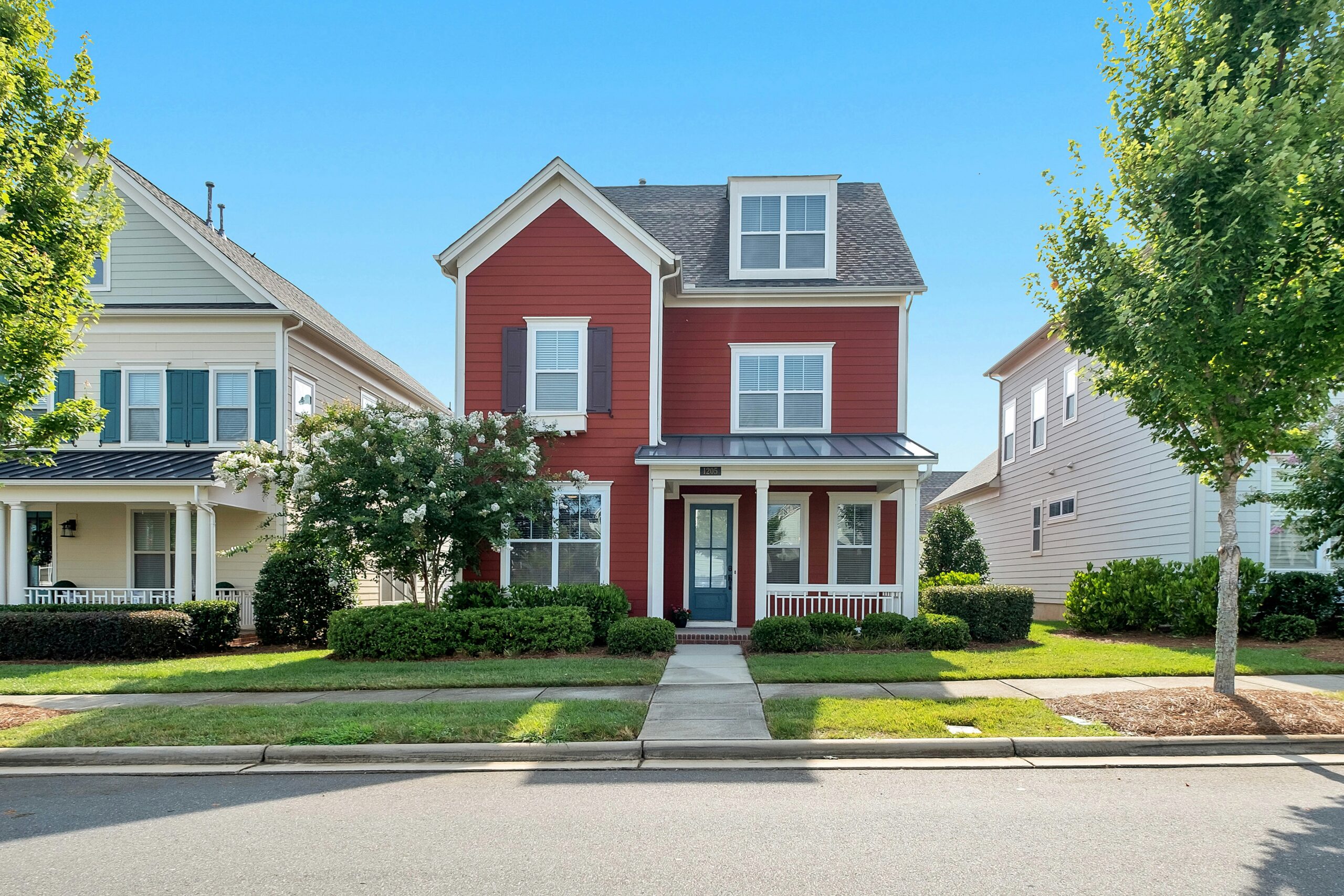
Japan is making historic investments in the U.S. housing market, reshaping global real estate. Explore the strategies, risks, and long-term impacts of this multibillion-dollar expansion.
🌏 Introduction: A New Global Housing Power
Japan is embarking on a historic venture: a multibillion-dollar investment in the U.S. housing market. This move reflects not only the challenges of Japan’s domestic demographic shifts but also the opportunities offered by the dynamic U.S. housing sector.
As interest rates fluctuate, home prices rise, and population patterns shift, Japanese homebuilders are seizing the moment to expand globally. Their approach combines long-term investment strategies, innovative construction techniques, and strategic acquisitions.
For analysts, developers, and investors, this is more than a market trend—it is a strategic reallocation of global real estate power.
💰 Why Japan is Targeting U.S. Housing
Japan faces a demographic reality that many countries envy in hindsight: an aging population and declining birth rate. Domestic demand for new housing is waning, prompting builders to look for growth beyond national borders.
The U.S., in contrast, boasts:
- Growing populations in suburban and urban areas
- Persistent housing shortages in key markets
- Robust mortgage and construction markets
- Opportunities for innovation and large-scale acquisitions
Japanese firms are not simply buying properties—they are investing in companies, infrastructure, and building methods that transform how homes are developed and delivered in the U.S.
🏗️ Strategic Acquisitions: Building a Footprint
Japanese homebuilders have accelerated acquisitions of U.S. firms, focusing on both single-family and multifamily markets.
Key strategies include:
- Acquiring established U.S. builders – retaining local expertise while injecting capital
- Entering construction supply chains – controlling materials and prefabricated components
- Targeting undervalued or overlooked markets – especially high-growth Sunbelt cities
- Implementing prefabrication technologies – increasing efficiency and reducing costs
These moves are not just about expansion—they are about reshaping competitive dynamics in the U.S. housing market.
🏡 Prefabrication and Innovation: A Japanese Edge
Japan’s approach introduces prefabricated construction, a method widely used domestically but less common in the U.S.
Prefabrication allows:
- Factory-controlled quality
- Faster construction timelines
- Reduced labor dependency
- Lower long-term costs
If applied broadly in the U.S., it could revolutionize housing supply chains, alleviate construction bottlenecks, and provide more consistent housing quality.
📊 Long-Term Investment Mindset
Unlike many Western investors focused on short-term gains, Japanese firms emphasize long-term stability and gradual market penetration.
This mindset includes:
- Holding assets through market cycles
- Expanding during downturns when competitors retreat
- Prioritizing market share and operational integration over immediate profits
- Focusing on sustainable growth rather than speculative returns
This patience allows Japanese firms to absorb short-term market volatility while positioning for significant future gains.
⚖️ Balancing Risks and Opportunities
No investment of this magnitude is without risk. Potential challenges include:
- Regulatory scrutiny over foreign ownership of U.S. housing
- Interest rate volatility impacting mortgage demand
- Social and political pushback on foreign investors controlling domestic assets
- Market cycles that may temporarily depress construction activity
Japanese firms are betting that long-term demographic trends and U.S. housing fundamentals will outweigh these risks.
🌆 Regional Investments: Where Japan Is Making Its Mark
Japanese homebuilders are targeting specific U.S. regions with high growth potential, rather than spreading their resources evenly. This strategic focus allows them to maximize returns while minimizing risk.
☀️ The Sunbelt Surge
Sunbelt states—like Texas, Florida, and Arizona—offer fast-growing populations, favorable tax structures, and lower construction costs. Japanese investors are acquiring land and homebuilding companies in these regions to capitalize on long-term demand for single-family housing.
- Texas: Cities like Austin and Dallas are experiencing rapid suburban expansion, with tech hubs attracting new residents.
- Florida: Population growth in metro areas is creating high demand for affordable housing, especially near urban cores and coastal regions.
- Arizona: Phoenix and surrounding areas show strong demand for starter homes and mid-tier properties, making it a prime target for prefabrication techniques.
🏙️ Urban and Suburban Balancing
While many focus on Sunbelt expansion, Japanese firms are also exploring northern metropolitan markets like Chicago, Seattle, and Boston. In these cities, the goal is multifamily developments and high-density housing, which benefit from urbanization trends and strong rental demand.
By combining Sunbelt volume strategies with northern urban investments, Japanese companies are diversifying risk while capturing multiple segments of the U.S. housing market.
🏢 Case Studies: Japanese Homebuilders in Action
1️⃣ Acquisition of Mid-Sized Homebuilders
Several Japanese corporations have purchased mid-sized U.S. homebuilding companies, preserving local management while infusing capital. This approach:
- Maintains operational continuity
- Retains local expertise and buyer relationships
- Enables Japanese firms to scale efficiently without direct micromanagement
2️⃣ Prefabricated Housing in Phoenix
In Phoenix, a Japanese-backed developer implemented prefabricated construction for suburban homes. Early results show:
- 20–30% reduction in build time
- Lower construction costs
- Increased buyer interest due to consistency and speed
This case demonstrates how technology transfer from Japan can create measurable competitive advantages in U.S. housing markets.
3️⃣ Long-Term Land Investments
Some Japanese firms are buying undeveloped land in suburban markets, aiming to hold assets long-term. Unlike short-term speculators, these investors plan developments over 5–10 years, allowing them to control pricing and development pace.
📈 Financial and Operational Strategies
Japanese investors are leveraging several financial and operational techniques to succeed in the U.S. market:
💵 Lower Borrowing Costs
Access to Japan’s low-interest-rate environment allows firms to:
- Finance acquisitions cheaply
- Offer competitive bids on U.S. builders
- Absorb short-term market fluctuations without stress
⚙️ Hands-Off Management
Japanese firms typically allow acquired companies to retain leadership, focusing on capital, long-term planning, and technology integration rather than immediate operational overhauls.
🏘️ Market Segmentation
By focusing on starter homes, middle-income neighborhoods, and rental properties, Japanese investors can:
- Avoid oversaturated luxury markets
- Target stable, high-demand segments
- Expand their footprint gradually
🔄 Countercyclical Expansion
Investing during periods of U.S. housing slowdowns has proven advantageous:
- Assets are acquired at lower valuations
- Competition for land and companies is reduced
- Firms position themselves for the next growth cycle
This patient, countercyclical approach highlights the long-term vision behind Japan’s U.S. housing investments.
⚠️ Challenges and Market Risks
Despite careful strategy, Japanese firms face potential headwinds:
1️⃣ Regulatory Scrutiny
Increasing attention on foreign ownership of housing could result in:
- Ownership caps
- Additional reporting requirements
- Local political resistance
2️⃣ Interest Rate Sensitivity
Rising U.S. mortgage rates may temporarily suppress demand, affecting sales velocity.
3️⃣ Public Perception
Community concerns about foreign ownership could slow approvals for new developments.
4️⃣ Market Cycles
Extended downturns may test Japanese patience and long-term investment models.
Still, Japanese investors appear confident in structural U.S. housing fundamentals and long-term demographic trends, making these risks manageable in their eyes.
🔮 Implications for U.S. Housing
Japan’s growing role in U.S. housing has wide-reaching implications:
🏘️ Increased Competition
Domestic builders may face higher land and labor costs due to foreign capital inflows.
💡 Innovation Boost
Prefabrication and efficient building practices could improve supply and reduce construction bottlenecks.
📊 Stability in Capital Flows
Long-term Japanese investment may reduce market volatility and encourage more predictable development schedules.
💸 Housing Affordability
While capital influx can boost supply, increased competition for land may increase prices, potentially challenging affordability for first-time buyers.
🌐 Global Real Estate Trends: Japan Leads the Way
Japan’s aggressive U.S. housing investments are part of a broader pattern in global capital allocation. As domestic markets in developed nations mature, companies and investors are seeking growth overseas.
💹 Aging Economies, Outbound Investment
Countries like Japan face:
- Declining populations
- Slower domestic housing demand
- Saturated real estate markets
The U.S., with its dynamic population growth and housing shortages, becomes a logical target for capital seeking long-term stability and returns.
🏦 Institutional Investment Models
Japanese homebuilders increasingly act like institutional investors, acquiring not just individual properties but entire builders, development pipelines, and construction infrastructure. This approach mirrors global trends in:
- Private equity real estate
- Sovereign wealth fund investments
- Long-term yield-focused asset management
📈 Long-Term Market Projections
Analysts project that Japanese investments could significantly reshape the U.S. housing market over the next decade. Key forecasts include:
- Market share growth: Japanese firms could control 6–10% of the single-family home construction market by 2035.
- Supply impacts: Prefabrication and efficiency-driven building methods may accelerate housing supply growth by 15–25% in targeted regions.
- Price effects: Increased competition for land may modestly drive up prices, particularly in fast-growing Sunbelt cities.
- Urban density shifts: Multifamily and rental-focused investments could boost urban housing availability, alleviating some affordability pressures in high-demand metro areas.
These projections emphasize that Japan’s strategy is structural, not speculative—intended to shape long-term market dynamics rather than chase short-term profit.
🏛️ Policy and Regulatory Outlook
Japanese firms must navigate a complex U.S. policy environment. Key considerations include:
⚖️ Foreign Ownership Scrutiny
U.S. regulators increasingly examine foreign investors in residential real estate, especially in markets facing affordability crises.
- Ownership caps may be introduced in sensitive regions
- Reporting requirements for acquisitions could increase
- Local opposition could delay project approvals
💸 Mortgage and Interest Rate Sensitivity
Fluctuating interest rates affect buyer demand and housing affordability. Japanese investors may leverage low-cost capital from Japan to buffer these risks.
🏘️ Local Government Policies
Cities facing housing shortages may encourage development, but zoning, environmental, and permitting rules can slow prefabricated or large-scale developments.
Japanese firms’ long-term planning approach helps mitigate these regulatory uncertainties, allowing them to adapt to evolving policy landscapes.
🔄 Strategic Implications for the U.S. Housing Market
The increasing presence of Japanese investors will transform market dynamics in multiple ways:
💡 Innovation Acceleration
- Prefabricated construction methods may spread industry-wide, improving quality and reducing build times.
🏗️ Competitive Pressure
- Domestic U.S. builders may face tighter margins as Japanese firms bid aggressively for land and companies.
📊 Stabilized Investment Flows
- Long-term foreign ownership could reduce market volatility, especially in cyclical downturns.
🏠 Housing Affordability Debate
- While supply may increase, higher acquisition competition may pressure prices in certain markets, highlighting the need for balanced policy interventions.
🏘️ Case Study: Sunbelt vs. Northern Markets
☀️ Sunbelt Growth
Japanese firms focus on volume and speed in Sunbelt states:
- Phoenix, Austin, Dallas: Prefabricated homes reduce construction timelines
- Focus on starter homes and mid-tier properties
- Aim for market share dominance during periods of moderate demand
🌆 Northern Urban Expansion
In Northern cities, strategy shifts to:
- Multifamily housing and urban rental markets
- Partnerships with local developers
- Long-term holding of prime land and properties
This dual-region strategy ensures both short-term growth and long-term positioning, creating a hedge against regional market cycles.
🔮 The Future of Japanese U.S. Housing Investments
The next decade is likely to witness:
- Increased market consolidation: Japanese firms may acquire additional homebuilders and land parcels.
- Technology adoption: Prefabrication and construction efficiency innovations will become more mainstream.
- Policy engagement: Japanese investors may actively participate in housing policy discussions to safeguard their investments.
- Global influence: This strategy may inspire similar investments from other aging economies seeking long-term housing growth abroad.
Japan’s long-term vision reflects a patient, strategic approach, emphasizing control, efficiency, and demographic foresight over short-term market trends.
🏁 Conclusion: Reshaping Global Real Estate
Japan’s multibillion-dollar investment in the U.S. housing market is more than a financial maneuver—it is a strategic recalibration of global real estate influence.
By combining:
- Long-term capital allocation
- Innovative construction methods
- Targeted regional investments
- Countercyclical growth strategies
Japanese firms are positioning themselves as major players in the U.S. housing market, reshaping competition, innovation, and long-term market stability.
For U.S. policymakers, developers, and investors, this trend presents both opportunities and challenges. The influx of foreign capital can drive innovation and supply, yet it may also raise questions about affordability, domestic market control, and regulatory oversight.
As Japanese investment continues, the U.S. housing market will evolve, blending domestic traditions with global strategic thinking—a transformation likely to influence real estate markets worldwide.
👥 Demographic Drivers of Japanese Investment
Japan’s domestic challenges are clear: an aging population, low birth rates, and declining domestic housing demand. This demographic reality has created a push factor, encouraging firms to expand abroad.
📉 Japan’s Aging Population
- Median age in Japan is over 48 years, among the highest globally.
- Housing demand is declining for young families, shrinking the domestic market.
- Builders face a long-term contraction if relying solely on Japanese demand.
🌎 U.S. Population Growth as a Pull Factor
- U.S. population continues to grow, particularly in Sunbelt states and suburban regions.
- Young, mobile populations create sustained housing demand.
- Migration trends favor affordable housing in growing metro areas, aligning perfectly with Japanese investment strategies.
By bridging Japan’s demographic push with U.S. demand pull, these investors achieve a strategically synergistic expansion.
🧠 Investor Psychology: Patience and Vision
Japanese firms’ approach reflects a distinctive investor mindset:
- Long-Term Orientation – Investments are held for decades, not quarters.
- Countercyclical Strategy – Entering markets during downturns ensures lower costs and stronger positions.
- Innovation Adoption – Prefabrication and efficiency improvements are gradually integrated, ensuring smooth market entry.
- Risk Diversification – Spread across Sunbelt and Northern urban markets to hedge against regional cycles.
This disciplined mindset contrasts sharply with short-term profit-driven strategies often seen among U.S.-based builders and global hedge funds.
🏙️ Predicted Market Outcomes
Japanese investment is likely to reshape the U.S. housing market in several measurable ways:
1️⃣ Housing Supply Expansion
- Prefabrication and factory-built housing will accelerate construction timelines.
- Targeted regional investments will increase available housing stock, particularly in high-growth areas.
2️⃣ Competitive Pressure on U.S. Builders
- Japanese firms’ long-term capital allows aggressive bidding for land and acquisitions.
- Domestic builders may need to adapt efficiency strategies or consolidate to remain competitive.
3️⃣ Market Stabilization
- Large, patient investors may reduce volatility, especially during interest rate fluctuations.
- Predictable capital inflows can support steady development, benefiting the broader housing ecosystem.
4️⃣ Affordability Impacts
- While supply increases, land competition may raise prices in certain regions.
- Policymakers may need targeted interventions to balance foreign investment benefits with community affordability goals.
🔄 Strategic Takeaways for Developers and Policymakers
Developers, investors, and policymakers should consider the following:
- Adopt efficiency innovations: Prefabrication and modular construction are no longer niche strategies—they may become industry standards.
- Monitor foreign capital flows: Anticipate areas of high foreign investment activity to prepare competitive or regulatory responses.
- Plan for long-term market dynamics: Japanese investors are playing a multi-decade game, influencing supply, pricing, and construction practices.
- Engage in policy dialogue: Cities may need policies balancing foreign investment benefits with local affordability and community concerns.
🔮 Future Outlook: A Transformative Decade
The next decade promises profound changes in U.S. housing:
- Market consolidation: Japanese firms could merge multiple acquisitions, creating larger, more efficient builders.
- Innovation adoption: Prefabrication and high-efficiency construction methods may become industry norms.
- Global competition: Other aging economies may follow Japan, increasing international influence on U.S. real estate.
- Policy adaptation: U.S. housing regulations may evolve in response to growing foreign investment.
The U.S. housing market will increasingly reflect global capital flows, demographic realities, and long-term strategic investment, rather than purely domestic supply-demand cycles.
🏁 Conclusion: A Strategic Global Shift
Japan’s multibillion-dollar U.S. housing expansion is a paradigm shift in real estate:
- Demographics drive investment: Aging populations push capital abroad.
- Long-term vision trumps short-term gains: Japanese investors adopt patience and countercyclical strategies.
- Innovation becomes central: Prefabrication and efficiency redefine construction.
- U.S. housing is transformed: Market structure, supply dynamics, and competition evolve under new global influence.
This is not merely a temporary trend—it is a structural realignment with lasting implications for builders, policymakers, and buyers alike. As Japanese capital reshapes U.S. housing, the market will increasingly balance domestic needs with global strategic investments, creating opportunities and challenges that will define the real estate landscape for decades.




0 Comments