
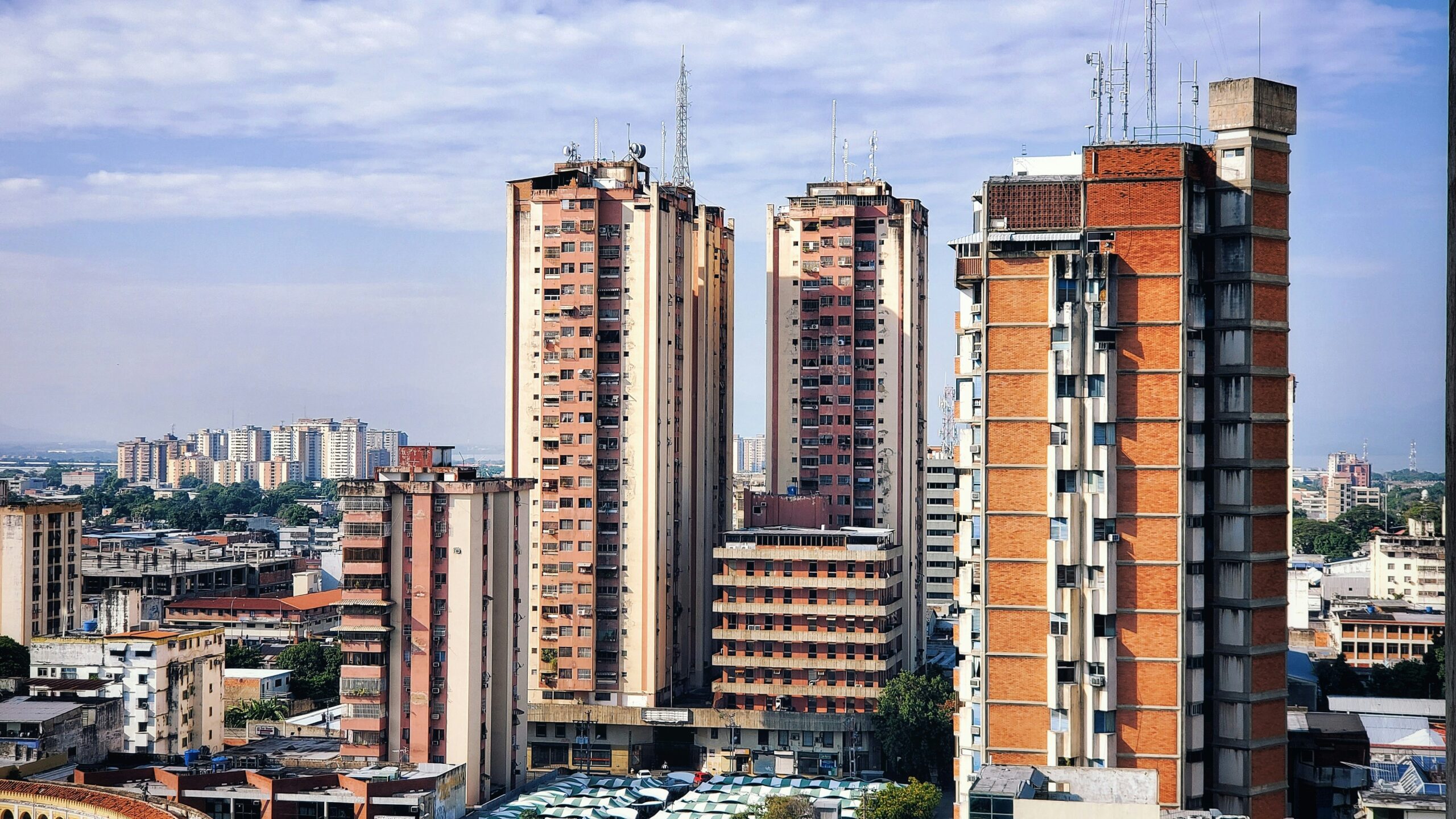
After seven years, the United States resumes operations at its Caracas embassy. Explore the political, economic, and regional implications of this diplomatic breakthrough and what it means for U.S.–Venezuela relations.
📌 Overview
In a landmark diplomatic move, the United States has officially reopened its embassy in Caracas, Venezuela, ending a seven-year absence. This restoration of full diplomatic presence comes after significant political upheaval in Venezuela and signals a new chapter in bilateral relations.
The reopening follows the removal and detention of Nicolás Maduro and the appointment of Delcy Rodríguez as acting president, which enabled U.S. authorities to safely reestablish operations in the Venezuelan capital. This development is widely regarded as a turning point for U.S.–Venezuela diplomacy, with far-reaching consequences for political stability, economic engagement, and regional influence.
🏛 Background of U.S.–Venezuela Relations
U.S.–Venezuela relations have historically been complex, shaped by ideological divides, economic interests, and geopolitical considerations:
- Early 2000s: Relations strained due to Hugo Chávez’s socialist policies and anti-U.S. rhetoric.
- 2010–2018: Political tensions escalated, leading to the U.S. withdrawing its ambassador and Maduro consolidating power.
- 2019: The Trump administration severed diplomatic relations entirely, relocating embassy functions to Bogotá, Colombia.
For seven years, the U.S. conducted its Venezuelan affairs remotely, limiting direct engagement with government authorities, civil society, and local institutions. The recent developments in 2026 have altered this landscape dramatically, allowing for a resumption of formal diplomatic channels.
⚡ The 2026 Diplomatic Shift
The embassy’s reopening reflects a strategic recalibration of U.S. foreign policy in Latin America:
- Delta Force Operation: The U.S. military detained Nicolás Maduro and key allies, citing criminal activities and national security threats.
- Interim Leadership: Delcy Rodríguez assumed the presidency, creating a framework for diplomatic engagement.
- Operational Restoration: Ambassadorial staff and security personnel returned to Caracas, with limited consular services continuing from Bogotá.
This sequence of events has opened doors for political dialogue, economic cooperation, and regional collaboration, marking the first full U.S. presence in Venezuela since 2019.
🌍 Regional and Global Implications
The embassy reopening has implications beyond Venezuela, impacting Latin America and global geopolitics:
1. Strengthening U.S. Influence in Latin America
A permanent U.S. presence enhances Washington’s ability to counter illicit networks, support democratic initiatives, and maintain regional stability.
2. Economic Opportunities
The move is expected to create avenues for trade and investment, particularly in:
- Energy sectors (oil, gas, renewable initiatives)
- Infrastructure projects (transportation, urban development)
- Technology and education collaboration
3. Civil Society Engagement
Direct diplomatic channels facilitate programs supporting democracy, human rights, and humanitarian assistance, enabling partnerships with NGOs and local institutions.
🛡 Security Considerations
Reopening an embassy in a politically volatile environment requires rigorous security measures:
- Military Oversight: U.S. special forces played a central role in securing Maduro’s detention and the interim government’s stability.
- Personnel Safety: Embassy staff operate under reinforced security protocols.
- Intelligence Coordination: Continuous monitoring ensures rapid response to emerging threats, both domestic and regional.
Security considerations remain critical as Venezuela continues to navigate a transition period.
💼 U.S. Diplomatic Strategy
The U.S. has outlined a three-phase approach to Venezuela:
Phase 1: Diplomatic Reengagement
- Embassy reopening in Caracas
- Deployment of political, economic, and security personnel
Phase 2: Economic and Social Collaboration
- Initiating trade and investment programs
- Supporting education, technology, and infrastructure projects
- Providing humanitarian aid
Phase 3: Long-Term Governance Support
- Promoting democratic practices
- Strengthening institutional transparency
- Combating corruption
This structured approach seeks to balance diplomatic, economic, and humanitarian goals while ensuring U.S. interests are protected.
📈 Economic Prospects
The restoration of the embassy offers significant economic potential:
Energy Sector
- Venezuela has one of the largest proven oil reserves globally.
- U.S. companies may participate in extraction, refining, and renewable energy development.
Infrastructure and Trade
- Investments in transport, ports, and urban redevelopment could stimulate economic recovery.
- U.S.–Venezuela trade relations could expand, particularly in agriculture and manufactured goods.
Technology and Education
- Partnerships with universities and tech firms could enhance innovation and knowledge transfer.
- Educational exchange programs may strengthen U.S.–Venezuela ties at a societal level.
🧭 Political Significance
The embassy reopening is not just economic but highly political in nature:
- Symbol of Legitimacy: Recognizes Delcy Rodríguez’s interim government, legitimizing new leadership.
- Diplomatic Leverage: Provides the U.S. with channels to influence policy, regional cooperation, and anti-crime initiatives.
- Signal to the Region: Demonstrates Washington’s commitment to Latin American stability and democracy promotion.
🌐 Historical Context
Understanding the historical backdrop of U.S.–Venezuela relations highlights the magnitude of this reopening:
- Chávez Era (1999–2013): Ideological clashes and anti-U.S. sentiment dominated relations.
- Maduro Era (2013–2026): Sanctions, isolation, and diplomatic estrangement marked the period.
- U.S. Diplomatic Withdrawal (2019–2026): Embassy operations were relocated to Bogotá, limiting U.S. influence.
The current reopening represents the first major normalization of relations in over a decade, offering a platform for long-term engagement.
🔎 Regional Reactions
Neighboring countries have responded cautiously to the U.S. decision:
- Colombia and Brazil: Express optimism about stability and potential cooperation.
- Cuba and Russia: Monitor U.S. influence and maintain regional interests.
- Venezuelan Civil Society: Welcomes international engagement but remains vigilant about human rights and transparency.
💬 Expert Analysis
Experts suggest that the embassy reopening could:
- Reduce illegal migration and cross-border criminal activity.
- Encourage economic recovery through foreign investment.
- Foster political stability by incentivizing governance reforms.
Challenges remain, including residual Maduro loyalists, economic uncertainty, and domestic resistance, which require careful diplomatic navigation.
🔮 Future Outlook
The embassy reopening sets the stage for multi-dimensional engagement:
- Restoration of full consular services in Caracas.
- Gradual expansion of U.S. influence in energy, education, and technology sectors.
- Strengthened collaboration on humanitarian and democratic initiatives.
While obstacles persist, the move reflects a strategic and deliberate approach by the U.S. to stabilize and engage Venezuela over the long term.
✅ Key Takeaways
- The U.S. embassy has reopened in Caracas after seven years.
- Direct diplomatic engagement with Venezuela resumes under Delcy Rodríguez.
- Economic, political, and social avenues are opening for bilateral cooperation.
- Security, governance, and historical context are critical for sustained success.
📊 Conclusion
The reopening of the U.S. embassy in Caracas is a watershed moment in diplomatic history, bridging years of isolation and mistrust. It is both a symbol and a practical instrument for:
- Political dialogue
- Economic revitalization
- Regional stability
- Civil society empowerment
As operations expand, this diplomatic milestone promises to reshape U.S.–Venezuela relations and set a precedent for future engagement in Latin America.



0 Comments