
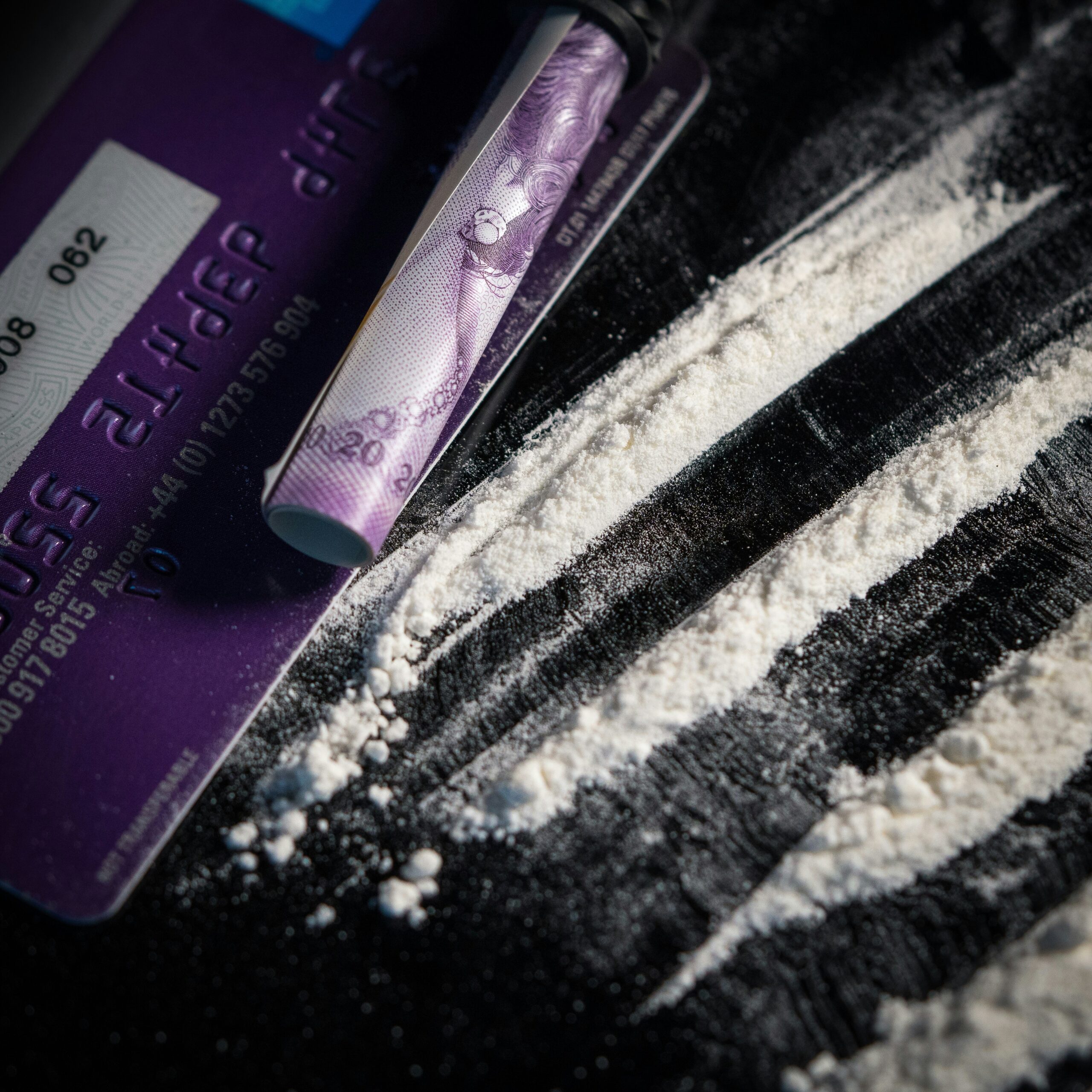
Explore the intricate trans-Atlantic trade linking Iranian arms and Colombian cocaine. This in-depth investigation reveals how international crime, militias, and state proxies exploit global markets.
💥 Inside the Trans-Atlantic Trade in Iranian Weapons for Colombian Cocaine: A Global Crime Network
The recent conviction of Antoine “Tony” Kassis has exposed one of the most sophisticated and dangerous transnational criminal networks operating today. Spanning the Middle East, Africa, and South America, this network reveals the intricate ways in which arms trafficking, narcotics, and militant organizations intersect to profit from global instability.
The story begins with Kassis, a relative of the Syrian regime, who attempted to broker a trade: military-grade weapons from Iran and other sources for large quantities of cocaine from Colombia. Although Kassis was ultimately arrested by U.S. and Kenyan authorities, the operation highlights the scale and complexity of modern narco-terrorism.
🌍 The Global Scope of Illicit Trade
Modern transnational crime is no longer local; it’s a fully globalized operation. According to law enforcement investigations, networks like the one Kassis engaged with:
- Operate across continents, from the Middle East to South America
- Use established militant infrastructure, such as Hezbollah’s arms smuggling routes
- Employ cryptocurrency and offshore accounts to facilitate financial flows
The trans-Atlantic trade in weapons and cocaine is emblematic of how political instability, militant networks, and criminal organizations exploit global markets.
🔫 Weapons in the Crosshairs
The weapons involved in Kassis’s operation were staggering in scale:
- Stinger missiles, capable of targeting aircraft
- Rocket-propelled grenades (RPGs)
- Heavy machine guns and drones
While Kassis was not directly linked to Iran’s government, the operation leveraged Hezbollah’s well-known supply networks for routing weapons into international markets. These networks often exploit gaps in international law and weak enforcement to transport arms across borders.
💰 Cocaine and the Colombian Connection
The trade was not just about weapons; it was equally about narcotics. Colombian cartels and guerrilla groups, such as the ELN, remain key players in supplying cocaine to international markets. Kassis sought 500 kilograms of cocaine in exchange for arms, demonstrating the staggering value of this illegal commerce.
The deal also showcased the use of crypto currencies in modern criminal networks. Digital assets allow criminals to bypass traditional financial monitoring, making it harder for authorities to track illicit transfers.
🕵️ International Law Enforcement: A Coordinated Response
Kassis’s arrest required cooperation across multiple jurisdictions:
- DEA (Drug Enforcement Administration) in the United States
- Kenyan law enforcement, who detained Kassis in Nairobi
- Interpol and international intelligence agencies, who helped map the network
Undercover operations replicated the actual criminal negotiations, allowing authorities to collect evidence without endangering operatives or civilians.
This case underscores the importance of global collaboration in fighting transnational crime. Without coordination between nations, such networks could continue operations with impunity.
⚖️ Legal Implications and Punishments
Kassis faces decades in prison for conspiracy to commit narco-terrorism and support a terrorist organization. His trial has set a precedent for prosecuting individuals linked to sanctioned regimes or militant organizations in Western courts.
Furthermore, money-laundering associates tied to the operation are awaiting extradition from Colombia, showing that the network’s criminal tentacles extend far beyond one individual.
🌐 Implications for Global Security
This case illustrates several broader trends:
- Interconnection of crime, terrorism, and state proxies – Political regimes and militant groups leverage criminal markets for financial gain.
- Innovation in illicit finance – Cryptocurrency and digital platforms facilitate large-scale transactions beyond traditional oversight.
- Transnational vulnerabilities – Weak regulation in certain regions allows arms and narcotics to cross borders with alarming ease.
Experts warn that if left unchecked, such networks could further destabilize conflict regions and empower extremist organizations.
📊 Lessons for Policymakers
Authorities and policymakers can draw several lessons:
- Strengthen international surveillance and intelligence-sharing networks
- Enhance oversight on cryptocurrency and other alternative financial systems
- Invest in local law enforcement capacity in key transit regions
- Target the infrastructure of militias and transnational criminal groups rather than only individual operatives
By addressing these systemic weaknesses, nations can limit the influence of global criminal networks.
💡 The Human Dimension
While this story focuses on weapons and drugs, it also highlights the human cost:
- Communities in Colombia suffer from cartel violence
- Civilians in conflict zones are often exposed to illegally trafficked arms
- Law enforcement agents risk their lives in undercover operations
This underscores the need for holistic approaches combining law enforcement, economic development, and diplomatic pressure.
🔍 Future Outlook
The Kassis case is likely just the tip of the iceberg. Analysts predict:
- More sophisticated arms-for-drugs networks may emerge
- Cyber-enabled financial systems will become even more critical to criminal operations
- International courts will increasingly prosecute transnational narco-terrorism
The challenge remains: how to dismantle global criminal networks without destabilizing local populations or inadvertently empowering militias.
🌐 Conclusion
The trans-Atlantic trade in Iranian weapons for Colombian cocaine illustrates the complex interplay of politics, crime, and economics on a global scale. It demonstrates how militants and state proxies exploit weaknesses in law enforcement and finance to profit from illegal markets.
Through coordinated international law enforcement, vigilant monitoring of digital financial networks, and strengthened legal frameworks, the global community can combat these networks — though vigilance must remain constant.
The Kassis case serves as a warning and a roadmap: transnational crime is sophisticated, interconnected, and persistent, but not invincible.
🔑 SEO Keywords
- Trans-Atlantic arms trafficking
- Iranian weapons trade
- Colombian cocaine networks
- DEA international sting
- Hezbollah arms smuggling
- Narco-terrorism prosecution
🔗 Source
Original reporting: Wall Street Journal




0 Comments