
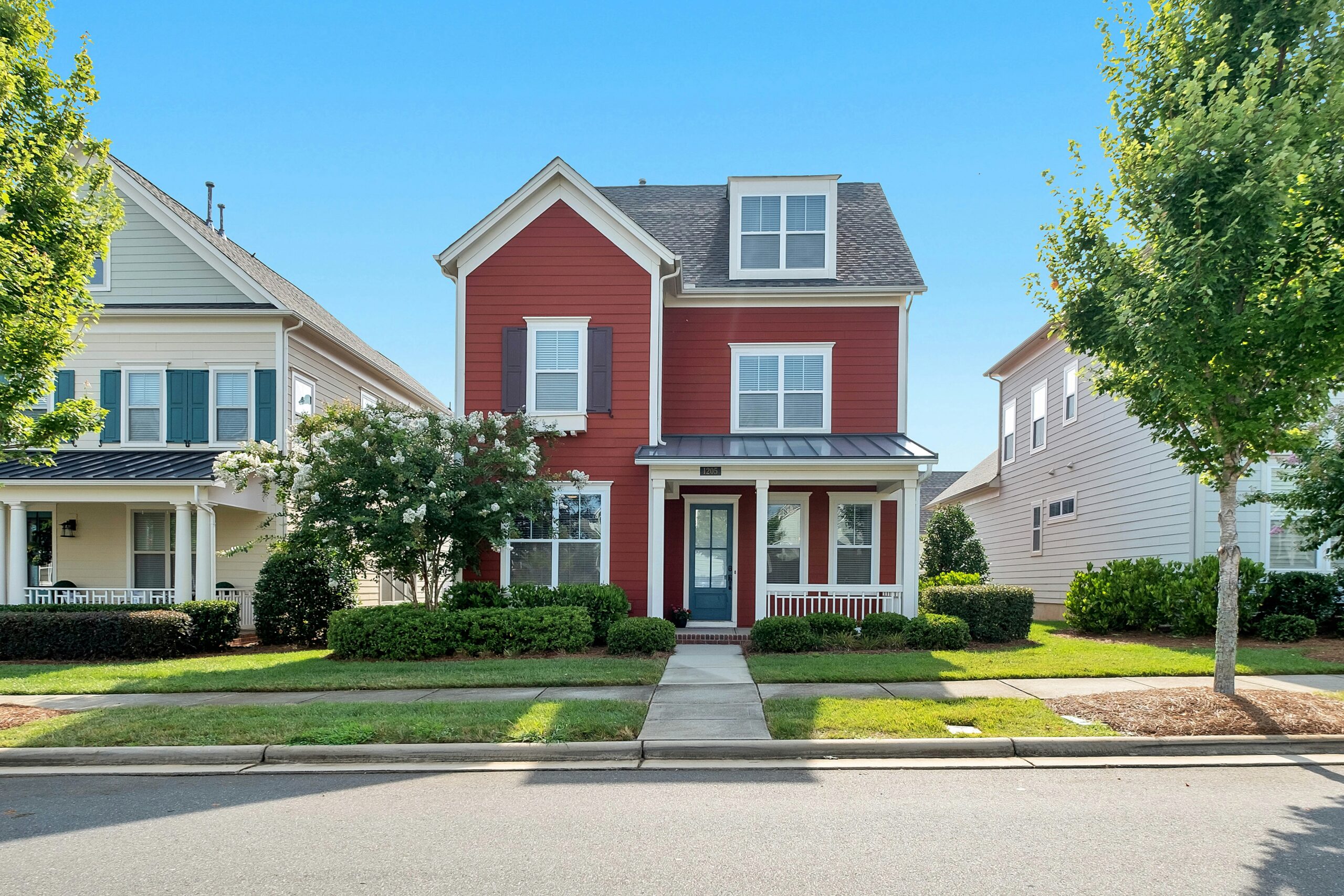
Michelin-starred chef Thomas Keller challenges Yountville affordable housing plan, sparking debate on workforce housing, urban design, community equity, and sustainable development in Napa Valley.
Introduction
In an unexpected intersection of culinary prestige and urban planning, Thomas Keller, the internationally acclaimed chef behind the three-Michelin-starred restaurant French Laundry, has taken a public stance in the Yountville affordable housing debate. Known for his meticulous approach to cooking, Keller’s concerns about the proposed Yountville Commons development have sparked widespread discussion about the balance between luxury businesses, workforce housing, and community needs.
The debate in Yountville, California, exemplifies the broader challenges facing high-cost regions across the United States: how to provide housing for essential workers without disrupting established economic, cultural, and aesthetic norms. This article examines the Yountville controversy in depth, exploring economic, social, legal, and urban planning implications, while offering insights into lessons for other affluent communities grappling with workforce housing.
🏘️ The Yountville Commons Project
The Yountville Commons initiative proposes constructing 120 affordable housing units on the former site of Yountville Elementary School. The goal is to provide housing primarily for local employees in the hospitality, service, and tourism sectors. With construction costs projected at approximately $91 million, the plan includes apartments, shared community amenities, and thoughtfully designed spaces intended to support residents’ everyday needs.
Housing scarcity in Yountville has forced many essential workers to live far from their jobs, leading to long commutes, increased transportation costs, and a strain on local services. By offering housing within town limits, Yountville Commons aims to improve accessibility, reduce environmental impacts, and stabilize the workforce for businesses that rely on a consistent and nearby employee base.
👨🍳 Thomas Keller’s Intervention
Although Keller supports workforce housing in principle, he has raised significant concerns about the design and scale of the Yountville Commons project. At a recent Yountville Town Council meeting, he criticized the development for emphasizing small studio units, roughly 300 square feet in size, which he believes may not adequately meet residents’ needs.
Keller also highlighted the lack of consultation with local business owners before finalizing the plan. As someone whose business relies heavily on a skilled and stable workforce, Keller stressed that employer input is essential to ensure housing meets practical standards for employees.
Keller’s intervention demonstrates the complex dynamics of affluent towns where prominent business leaders can influence public policy, particularly when local economies revolve around high-end tourism and culinary experiences.
⚖️ Economic Implications
Yountville faces a delicate balance between maintaining its reputation as a luxury destination and addressing the pressing housing needs of workers. Local service and hospitality sectors depend on employees who can live near their workplaces. Without adequate affordable housing, businesses risk high turnover, reduced service quality, and operational instability.
The economic impact of workforce housing extends beyond the restaurant industry. Stable housing for employees ensures that wineries, boutique hotels, and other local enterprises can attract and retain talent. Conversely, a lack of affordable housing drives workers to distant towns, increasing commuting costs and reducing disposable income within the local economy.
By creating units tailored to workforce needs, Yountville Commons could strengthen the town’s economic resilience, supporting both small businesses and larger hospitality operations in Napa Valley.
🌱 Sustainability and Urban Planning
Beyond economics, Yountville Commons touches on urban planning and sustainability concerns. Offering workforce housing in the town center reduces vehicle dependency, lowers emissions from long commutes, and encourages more walkable, community-oriented living.
Keller’s critique of unit design highlights the importance of balancing density with livability. Small, poorly designed units may lead to overcrowding, social stress, and long-term maintenance issues. Sustainable housing design must consider not only environmental efficiency but also the quality of life of residents, including communal spaces, adequate storage, and access to services.
Urban planners and architects emphasize that successful workforce housing integrates with the broader community, preserves local character, and ensures that new residents can participate fully in civic life.
🧑💼 Community Perspectives
Keller’s stance has elicited mixed reactions. Some residents view his involvement as a defense of thoughtful urban design and quality-of-life standards. Others criticize it as elitist, suggesting that a wealthy restaurateur’s opinion could overshadow the housing needs of lower-income workers.
Affordable housing advocates argue that workforce housing is essential for equitable community development. They note that many employees in Yountville spend hours commuting from surrounding towns due to the scarcity of affordable options, which can exacerbate income inequality and diminish community cohesion.
Local activists also stress that housing projects like Yountville Commons must be designed with input from residents and stakeholders to ensure they serve their intended purpose while integrating seamlessly into the town’s existing landscape.
🏛️ Policy and Legal Framework
California’s housing laws create both opportunities and challenges for towns like Yountville. Municipalities must balance local zoning restrictions, environmental regulations, and state mandates that require the development of affordable housing. These legal frameworks aim to address the state’s chronic housing shortage while preserving environmental and cultural standards.
Yountville Commons is emblematic of these complexities. Local officials must navigate competing interests: satisfying legal obligations, incorporating community feedback, and ensuring financial feasibility. Projects that fail to balance these factors risk legal challenges, public backlash, and delays that can hinder workforce stability.
📊 Comparative Insights: Luxury Towns Nationwide
Yountville’s situation is not unique. Affluent towns across the U.S., from Aspen, Colorado to Nantucket, Massachusetts, struggle with similar tensions between high property values, luxury businesses, and the need for affordable housing for essential workers.
Case studies from these regions suggest that collaborative approaches—where businesses, government, and community advocates work together—produce better outcomes. Programs that include subsidies, employer-assisted housing, and flexible zoning often succeed in providing viable options without undermining local economies or aesthetics.
Lessons from these towns underscore that affordable housing solutions must be multifaceted, incorporating financial, social, and design considerations to ensure long-term success.
🌍 Social Equity and Workforce Stability
Affordable housing is intrinsically linked to social equity. By enabling employees to live within their communities, workforce housing promotes inclusivity, reduces income disparities, and strengthens social networks. Employees who live near their workplaces can participate more fully in civic life, contribute to local culture, and invest in the town’s long-term vibrancy.
Workforce housing also enhances employee retention. In high-cost regions like Napa Valley, competitive wages alone are insufficient to attract talent. Without nearby housing, businesses risk chronic staff shortages, which can disrupt operations and diminish service quality.
🏡 Design Considerations and Livability
A central aspect of Keller’s critique involves unit design and livability. While compact units may optimize land use, planners must ensure they provide adequate space for residents’ needs, including:
- Functional kitchens and bathrooms
- Storage for personal belongings and work-related equipment
- Shared amenities like laundry, recreation, and communal gathering spaces
- Accessibility for families and individuals with disabilities
Thoughtful design fosters long-term satisfaction, reduces turnover, and ensures that workforce housing fulfills its social and economic purpose.
🧩 The Role of Stakeholder Engagement
Successful affordable housing projects require robust stakeholder engagement. In Yountville, this includes:
- Business owners, who understand workforce requirements and operational challenges
- Local residents, who provide input on community integration and aesthetics
- Urban planners and architects, who balance density, design, and sustainability
- Policy makers, who navigate legal frameworks and funding mechanisms
Keller’s intervention highlights a broader need for transparent and inclusive planning processes, ensuring that workforce housing projects meet the needs of all parties.
🔮 Future of Yountville Commons
The upcoming referendum on the Yountville Commons project will determine its fate. Regardless of the outcome, the debate illuminates critical issues: how communities reconcile luxury and affordability, the importance of collaborative design, and the role of influential stakeholders in shaping public policy.
The lessons extend far beyond Napa Valley. Towns facing similar pressures must balance economic vitality, social equity, and environmental sustainability while addressing the urgent need for workforce housing.
⚖️ Broader Implications for California
California’s housing crisis is one of the most pressing challenges facing the state. High land costs, regulatory complexities, and rising demand create barriers for workforce housing in urban and rural communities alike. Projects like Yountville Commons serve as test cases for policies that aim to increase housing supply while respecting local character.
By analyzing successes and setbacks in Yountville, policymakers, planners, and community leaders can refine approaches to affordable housing that are scalable, sustainable, and socially equitable.
Conclusion
Thomas Keller’s entry into the Yountville affordable housing debate demonstrates the complexity of modern urban development. While his concerns focus on unit design and consultation, the broader conversation touches on economics, social equity, sustainability, and community cohesion.
Yountville Commons represents more than a local initiative—it exemplifies a nationwide challenge: balancing luxury, workforce needs, and sustainable development in regions where high costs and cultural prestige converge. The ongoing debate will shape the town’s future and provide valuable lessons for communities across the country.
📌 Suggested SEO Title:
Thomas Keller Challenges Yountville Affordable Housing Plan: Workforce, Design, and Community Debate
Focus Keywords:
- Thomas Keller housing debate
- Yountville affordable housing
- Napa Valley workforce housing
- California housing crisis
- Urban planning and community design
Suggested Tags/Icons for WordPress:
- 🏘️ Affordable Housing
- 👨🍳 Thomas Keller
- 🌱 Sustainability
- ⚖️ Economic Impact
- 🧑💼 Community Debate
Source:
Wall Street Journal – America’s Fanciest Restaurant Enters the Fight Over Affordable Housing




0 Comments