
Europe has made historic clean energy gains, yet its reliance on petrol cars and gas boilers threatens climate targets and energy security. Explore the challenges and solutions in Europe’s electrification journey. 🌍🔋
Introduction 🌱
Europe has achieved unprecedented growth in renewable energy, with solar and wind power expanding at historic rates. Yet, a major obstacle remains: the continent continues to rely on fossil fuel-powered vehicles, boilers, and industrial machinery.
This dual reality—record-breaking clean energy capacity paired with persistent fossil fuel dependence—threatens climate goals, raises household energy costs, and exposes Europe to volatile global energy markets. The clean energy transition is not just about generating electricity; it's about electrifying everyday life, from homes to transportation to industry.
Experts warn that without a comprehensive phase-out of fuel-burning machines, Europe risks stalling its climate commitments and undermining energy security.
Europe’s Renewable Energy Gains 🌞💨
Europe’s commitment to renewable energy has delivered measurable results:
- Wind energy: Offshore and onshore wind capacity has surged, powering millions of homes and reducing reliance on coal.
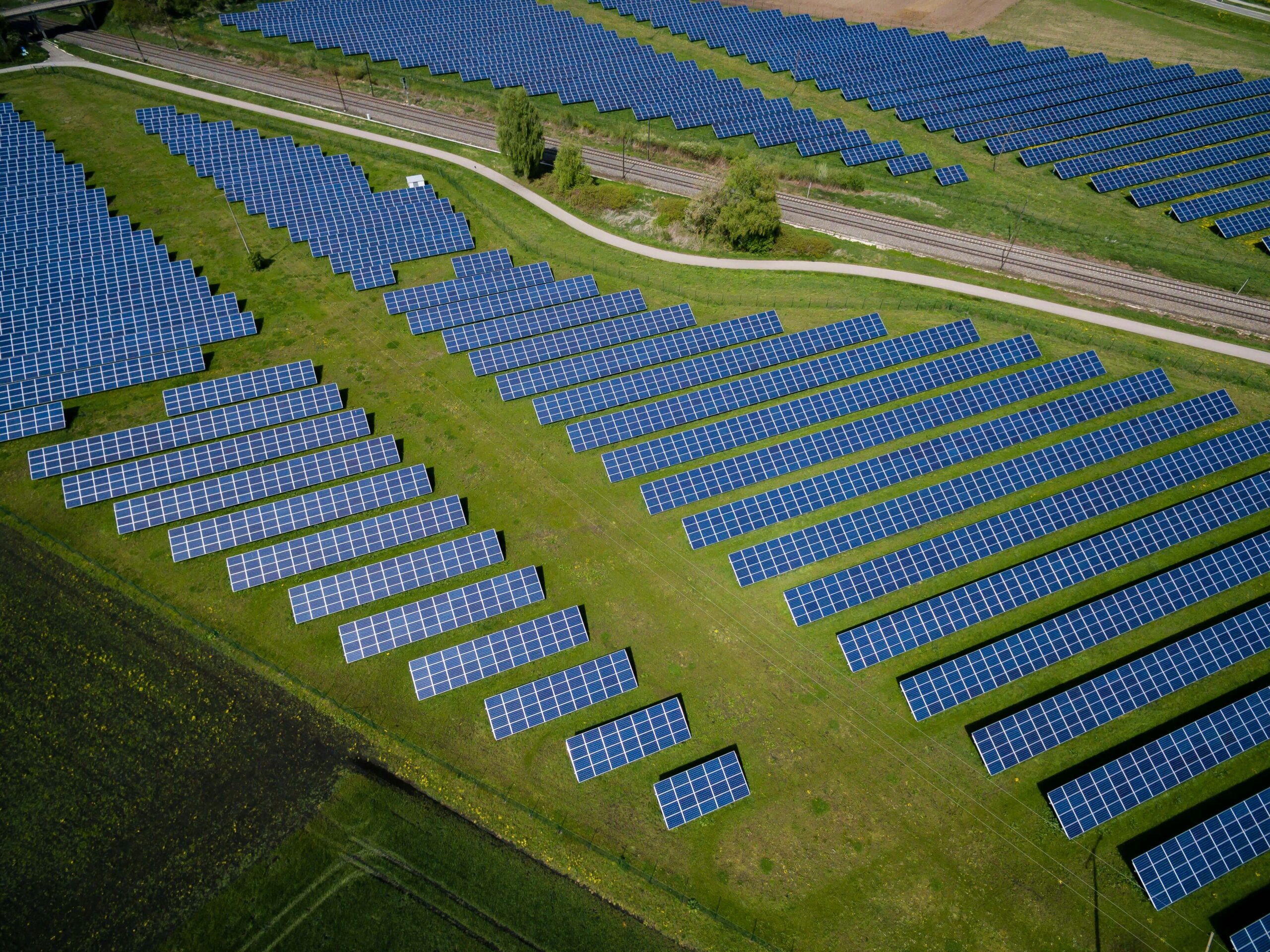
- Solar power: Large-scale installations and rooftop panels have accelerated adoption across urban and rural areas.
- Policy support: EU programs and national subsidies have incentivized household and corporate adoption of renewable technologies.
Despite these achievements, the focus has largely remained on electricity generation, rather than electrifying sectors like transport, heating, and industrial processes. The slow replacement of petrol vehicles, gas boilers, and fuel-powered industrial equipment continues to anchor Europe to fossil fuels.
The Electrification Challenge ⚡🏠
Household Energy
Household energy consumption remains a significant source of fossil fuel reliance. Many homes in Europe still use gas boilers for heating, while petrol and diesel cars dominate daily commuting. High electricity taxes in some EU nations further discourage electrification, creating an economic barrier to clean alternatives.
Transportation
The transport sector is a critical obstacle. While EV adoption is growing, internal combustion engines still account for the majority of vehicles on the road. Fleet turnover is slow, and public transportation infrastructure in many countries lags behind electrification targets.
Industry
Industrial processes, particularly in manufacturing and heavy industry, rely heavily on fossil fuel combustion. Electrifying these processes is technically complex and costly, requiring investment in new machinery, energy storage, and grid upgrades.
Key Insight: Electrifying electricity generation alone is not sufficient; the end-use of energy must be transformed to achieve true decarbonization.
Geopolitical Pressures and Energy Security 🌍🛢️
Europe’s reliance on imported fossil fuels has exposed it to global risks. Recent geopolitical conflicts, including tensions in the Middle East, have disrupted oil and LNG supply routes, causing fuel price spikes and economic uncertainty.
The Strait of Hormuz, a critical oil transit corridor, handles roughly 20% of the world’s oil exports. Disruptions in this region highlight the strategic vulnerability of fossil fuel dependence, reinforcing the need for electrification and renewable energy expansion.
Switching to clean electricity in transport and heating would:
- Reduce vulnerability to international crises.
- Lower exposure to volatile global energy markets.
- Strengthen Europe’s energy independence.
Why Phasing Out Fuel-Burning Machines Matters 🏭🚗
Direct fossil fuel use is a major contributor to greenhouse gas emissions, air pollution, and energy insecurity. Phasing out fuel-burning machines is essential for:
- Emission reductions: Meeting EU climate targets requires replacing petrol vehicles and gas boilers with electric alternatives.
- Air quality improvements: Reducing combustion in urban areas decreases pollutants like NOx and particulate matter, improving public health.
- Energy security: Less reliance on imported fuels stabilizes prices and reduces exposure to global shocks.
The Electrification Alliance has emphasized that incentives and regulations must encourage households, businesses, and governments to switch to electric alternatives.
Sector-by-Sector Analysis: Opportunities and Challenges 📊
1. Residential Heating
- Current state: Millions of homes rely on gas boilers.
- Solution: Heat pumps powered by renewable electricity.
- Challenges: Upfront installation costs, retrofitting older buildings, and electricity infrastructure limitations.
- Potential Impact: 40–50% reduction in household emissions within a decade if adoption accelerates.
2. Transportation
- Current state: Petrol and diesel dominate the market; EV penetration remains uneven.
- Solution: Expanded EV incentives, charging infrastructure, and fleet electrification for public and private transport.
- Challenges: Battery supply, charging network deployment, and consumer adoption habits.
- Potential Impact: Could reduce transport emissions by up to 60% by 2035 with aggressive policy support.
3. Industrial Processes
- Current state: Heavy industry, steel, and chemical production rely on fossil fuels.
- Solution: Electrification, hydrogen, and energy efficiency measures.
- Challenges: High costs, technological limitations, and energy demand management.
- Potential Impact: Substantial emission reductions in industrial clusters with targeted policy support.
Policy and Market Solutions 🏛️💡
Regulatory Reforms
- Energy taxation: Shift from penalizing electricity to taxing fossil fuels.
- Emissions standards: Mandate gradual phase-out of fuel-burning machines.
Infrastructure Investment
- Grid upgrades: Smart grids and energy storage to integrate intermittent renewables.
- EV charging networks: Accessible, reliable, and widespread infrastructure.
Financial Incentives
- Grants, subsidies, and low-interest loans for households and industries adopting electric technologies.
- Long-term savings must be emphasized to encourage adoption despite high upfront costs.
Public Awareness
- Campaigns highlighting economic and environmental benefits of electrification.
- Education programs for schools, communities, and businesses to foster behavioral change.
Economic Implications 💰📉
Electrification can stimulate the economy while improving sustainability:
- Lower long-term energy costs: Electric systems are more efficient than fossil fuel counterparts.
- Job creation: Installation, maintenance, and manufacturing of renewable technologies can generate employment.
- Energy price stability: Reduced exposure to international fuel price shocks.
Declining costs for solar panels, heat pumps, and EVs make electrification increasingly affordable, even without subsidies.
Future Outlook: Europe’s Strategic Priorities 🚀🔋
To meet climate and energy security goals, Europe must:
- Accelerate the phase-out of petrol and diesel vehicles.
- Encourage replacement of gas boilers with heat pumps.
- Electrify industrial processes wherever feasible.
- Reform fiscal policies to reward clean energy usage.
- Invest in smart grids and storage to manage renewable output efficiently.
The success of Europe’s clean energy transition hinges on integrating electricity into every aspect of daily life.
Conclusion 🌟
Europe has achieved remarkable renewable energy milestones, but the journey is far from complete. Without phasing out fossil fuel-dependent machines and fully embracing electrification, the continent risks undermining climate goals and energy security.
Policymakers, businesses, and households must work together to accelerate electric adoption, ensuring that clean electricity powers not just the grid, but homes, transport, and industry. Only then can Europe claim a fully sustainable and resilient energy future.




0 Comments