
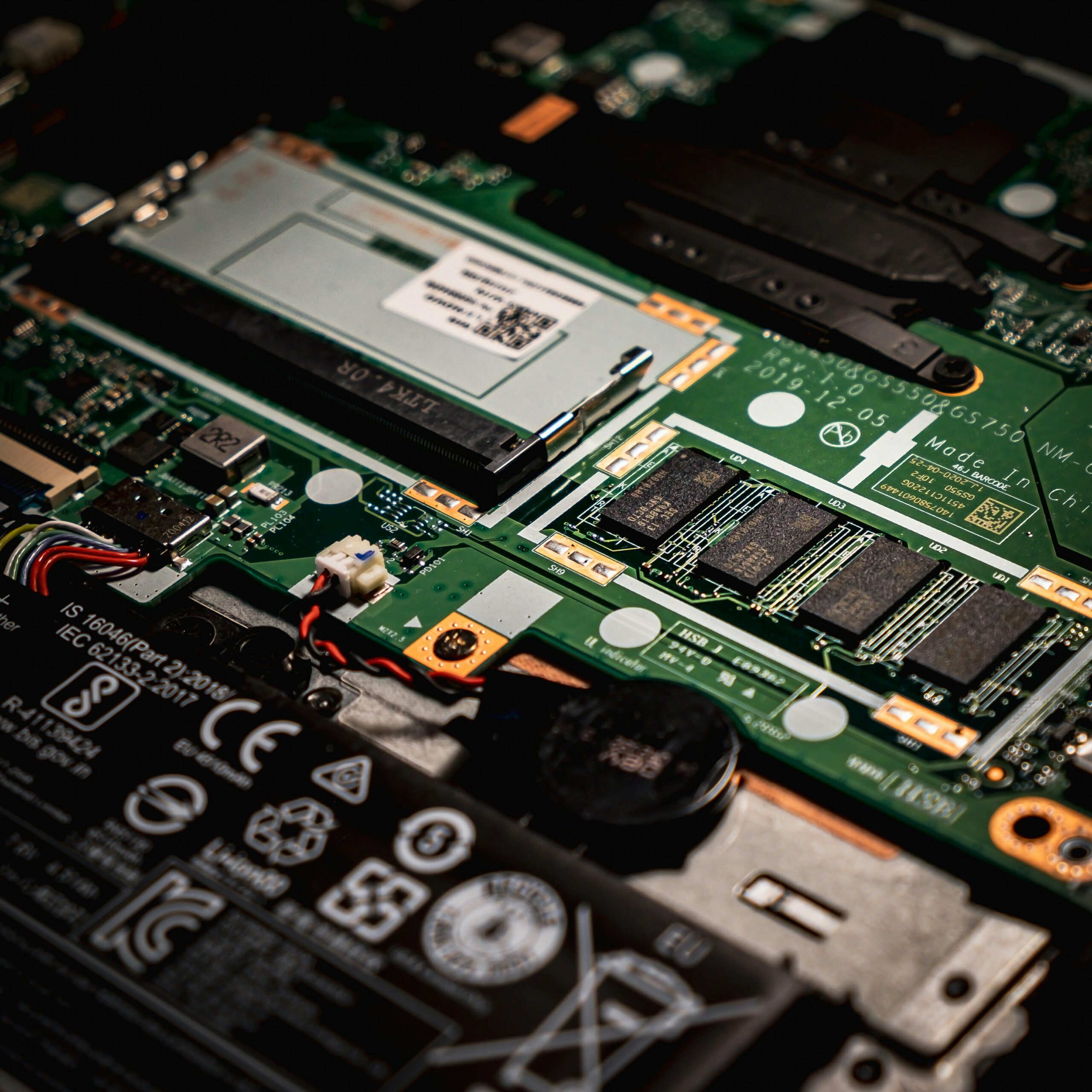
Micron (MU) is experiencing explosive growth as AI demand drives memory prices to record highs in 2026. Discover how DRAM and NAND shortages are reshaping the semiconductor industry and what it means for investors and the future of technology.
🧠 Introduction: A Defining Moment for the Semiconductor Industry
In 2026, the global semiconductor landscape is undergoing a profound transformation—one that is redefining the role of memory in the digital economy. At the center of this shift is Micron Technology, a company that has historically operated in one of the most volatile segments of the chip industry.
Today, that volatility is giving way to something far more powerful: sustained, structural demand driven by artificial intelligence.
The recent surge in memory prices—particularly DRAM and NAND—signals more than just a cyclical upswing. It represents a paradigm shift fueled by the rapid expansion of AI infrastructure, hyperscale computing, and data-intensive applications. As a result, Micron’s earnings trajectory has dramatically improved, positioning the company as one of the primary beneficiaries of what many analysts are calling a “memory supercycle.”
This article explores the forces behind this transformation, the implications for the semiconductor sector, and why the current moment could mark the beginning of a new technological era.
📈 The Mechanics of the Memory Price Surge
🔥 A Perfect Storm of Supply and Demand
The dramatic increase in memory prices in 2026 is the result of a rare convergence of factors:
-
Explosive demand from AI workloads
-
Limited manufacturing capacity
-
Strategic supply discipline by major producers
-
Long lead times for new fabrication plants
Unlike previous cycles, where demand was largely driven by consumer electronics such as smartphones and PCs, today’s demand is rooted in infrastructure—specifically, the massive data centers powering artificial intelligence.
⚙️ Understanding DRAM and NAND
To appreciate the magnitude of this shift, it’s important to understand the two primary types of memory:
-
DRAM (Dynamic Random Access Memory): Used for active processing tasks
-
NAND Flash: Used for long-term data storage
AI systems require both in enormous quantities. Training large language models, running inference engines, and processing real-time data streams all demand high-speed, high-capacity memory solutions.
This has led to unprecedented pricing power for manufacturers like Micron.
📊 Price Acceleration at Historic Levels
Industry data suggests that:
-
DRAM prices have nearly doubled in certain segments
-
NAND prices have risen sharply after a prolonged downturn
-
High-bandwidth memory (HBM), a specialized form of DRAM, is in critically short supply
These price increases are not isolated—they are widespread across the global market, affecting enterprise customers, cloud providers, and even consumer devices.
💰 Micron’s Earnings Breakthrough
📊 From Cyclical Struggles to Structural Growth
For decades, Micron’s business model was defined by cyclical volatility. Periods of oversupply would lead to price crashes, forcing companies to cut production and absorb losses.
That model is now being disrupted.
With AI demand outpacing supply, Micron is experiencing:
-
Rapid revenue growth
-
Expanding profit margins
-
Increased visibility into future demand
This level of stability is unprecedented in the memory sector.
🏆 Margin Expansion and Pricing Power
One of the most significant developments is Micron’s ability to command higher margins.
This is driven by:
-
Strong demand for premium products like HBM
-
Long-term supply agreements with major customers
-
Limited competition in advanced memory segments
As a result, Micron is no longer just a commodity supplier—it is becoming a strategic partner in the AI ecosystem.
🤖 Artificial Intelligence: The Core Growth Engine
🧠 Why AI Is So Memory-Intensive
Artificial intelligence systems rely heavily on memory for several reasons:
-
Large datasets must be stored and accessed quickly
-
Neural networks require parallel processing
-
Real-time applications demand ultra-low latency
These requirements translate into massive memory consumption.
For example, training a single advanced AI model can require thousands of GPUs, each paired with high-bandwidth memory modules.
🏗️ The Rise of AI Infrastructure
The shift toward AI-driven infrastructure is one of the most important technological trends of the decade.
Major players such as Microsoft, Amazon, and Google are investing billions in:
-
Hyperscale data centers
-
AI training clusters
-
Cloud computing platforms
Each of these facilities requires enormous amounts of memory, creating sustained demand for companies like Micron.
🔄 Continuous Scaling
Unlike traditional computing workloads, AI systems require continuous scaling.
This means:
-
More memory per server
-
More servers per data center
-
More data centers globally
The result is a demand curve that continues to rise, with no immediate signs of slowing.
🌍 Supply Constraints and the Global Memory Shortage
⚠️ Why Supply Can’t Keep Up
Building new semiconductor fabrication plants (fabs) is an extremely complex and expensive process.
Challenges include:
-
High capital costs (often exceeding $10 billion per facility)
-
Long construction timelines (2–4 years)
-
Technical complexity of advanced nodes
As a result, supply cannot quickly respond to sudden increases in demand.
🏭 Limited Production Capacity
The global memory market is dominated by a small number of players:
-
Micron Technology
-
Samsung Electronics
-
SK Hynix
This concentration limits the speed at which new capacity can be added.
Additionally, these companies have become more disciplined in managing supply, avoiding the overproduction that plagued previous cycles.
📦 The Emergence of a “Memory Supercycle”
The current environment is often described as a supercycle—a prolonged period of strong demand and rising prices.
Key characteristics include:
-
Sustained pricing power
-
Long-term supply constraints
-
Structural demand growth
If this trend continues, it could redefine the economics of the entire semiconductor industry.
📊 Market Impact and Investor Sentiment
🚀 Micron’s Stock Performance
Micron’s stock (MU) has become a focal point for investors seeking exposure to the AI boom.
Key drivers of investor interest include:
-
Strong earnings growth
-
Positive forward guidance
-
Strategic positioning in AI infrastructure
The company is increasingly being viewed not just as a memory manufacturer, but as a critical enabler of next-generation computing.
💡 Changing Investor Perception
Historically, memory stocks were considered risky due to their cyclical nature.
Today, that perception is changing.
Investors are beginning to see memory as:
-
A foundational component of AI
-
A long-term growth opportunity
-
A sector with improving stability
This shift in perception is contributing to higher valuations across the industry.
⚖️ Risks and Challenges
📉 Potential Market Risks
Despite the strong outlook, several risks remain:
-
Demand fluctuations in non-AI segments
-
Potential oversupply if production ramps too quickly
-
Macroeconomic uncertainties
However, these risks are partially mitigated by the strength of AI-driven demand.
🌐 Geopolitical Considerations
The semiconductor industry is highly sensitive to geopolitical dynamics.
Issues to watch include:
-
Trade tensions between major economies
-
Export restrictions on advanced technologies
-
Government policies supporting domestic chip production
These factors could impact supply chains and market dynamics.
🔮 The Future of Memory Technology
🧬 Innovation in Memory Architecture
As demand grows, innovation is accelerating in memory technologies.
Key developments include:
-
High-bandwidth memory (HBM)
-
DDR5 and next-generation DRAM
-
Advanced 3D NAND architectures
These innovations are critical for supporting increasingly complex AI workloads.
🏗️ Expansion of Manufacturing Capacity
Micron and its competitors are investing heavily in new fabs, particularly in:
-
The United States
-
Asia-Pacific regions
However, meaningful increases in supply are not expected until the latter part of the decade.
🌟 Long-Term Outlook
Looking ahead, several trends are likely to define the market:
-
Continued growth in AI applications
-
Increasing importance of memory in system performance
-
Greater collaboration between chipmakers and tech companies
These trends suggest that the current momentum could be sustained for years.
🧭 Strategic Implications for Businesses and Investors
📊 For Investors
The rise of AI-driven memory demand presents significant opportunities:
-
Exposure to high-growth technology sectors
-
Potential for long-term capital appreciation
-
Diversification within the semiconductor space
However, careful analysis is essential, given the inherent risks.
🏢 For Businesses
Companies across industries must adapt to this new reality.
Key considerations include:
-
Securing reliable memory supply
-
Optimizing infrastructure for AI workloads
-
Managing costs in a rising price environment
Those that successfully navigate these challenges will be better positioned for the future.
🏁 Conclusion: The Dawn of a New Memory Era
The surge in memory prices and Micron’s corresponding earnings growth mark a pivotal moment in the evolution of the semiconductor industry.
What was once a cyclical, commodity-driven market is becoming a cornerstone of the AI revolution.
As artificial intelligence continues to reshape the global economy, memory will play an increasingly critical role—serving as the foundation upon which next-generation technologies are built.
For Micron Technology, this transformation represents not just an opportunity, but a defining moment.
And for the broader industry, it signals the arrival of a new era—one in which memory is no longer just a component, but a strategic asset at the heart of innovation.
🔗 Source:
https://www.cnbc.com/2026/03/18/micron-mu-memory-price-spike-earnings.html



0 Comments