
Explore China’s measured response to the Iran conflict, its energy and diplomatic priorities, and the global geopolitical implications. Insightful analysis for educated readers.
China’s Strategic Calculus in the Iran Conflict 🌏⚖️
The 2026 Iran conflict has become a defining moment in global geopolitics, reshaping alliances, energy markets, and diplomatic strategies. Among the most consequential observers and actors is China, whose careful approach blends pragmatism with strategic foresight.
China’s involvement in the Iran conflict illustrates how a rising global power navigates complex international crises without direct military engagement. Through energy diplomacy, political influence, and strategic messaging, Beijing aims to protect its interests while projecting stability on the global stage.
The Iran Conflict: A Geopolitical Flashpoint 🔥🕊️
The crisis escalated in early 2026 following a series of targeted strikes and heightened tensions involving Iran, Israel, and the United States. The Middle East, long a hub of global energy production, now faces renewed instability. The conflict threatens to disrupt critical oil supply lines through the Strait of Hormuz, a lifeline for global markets and especially crucial for China, the world’s largest oil importer.
For China, the stakes are high:
-
Energy security remains a top priority. Any prolonged disruption threatens domestic consumption and industrial stability.
-
Diplomatic balance is key. Beijing must maintain strong relations with Tehran without alienating other global powers.
-
Regional influence is at stake. China seeks to position itself as a responsible actor capable of mediating international crises.
China’s Diplomatic Approach: Cautious, Calculated, and Strategic 🤝📜
Unlike Western nations, China has refrained from direct military intervention. Instead, its strategy emphasizes diplomacy and multilateral engagement:
-
Advocacy for De-escalation: China has publicly urged restraint and the protection of civilian populations, emphasizing the need for negotiated solutions over military escalation.
-
Humanitarian Assistance: Recognizing the human toll of the conflict, Beijing has offered support for affected communities, underscoring its commitment to global humanitarian norms.
-
Balanced Messaging: China communicates consistently with regional powers, signaling neither full alignment with Iran nor direct opposition to the United States and its allies.
This nuanced stance allows China to maintain strategic leverage while avoiding entanglement in active combat, preserving both credibility and flexibility on the global stage.
Energy Security: The Core Driver of China’s Policy ⛽🚢
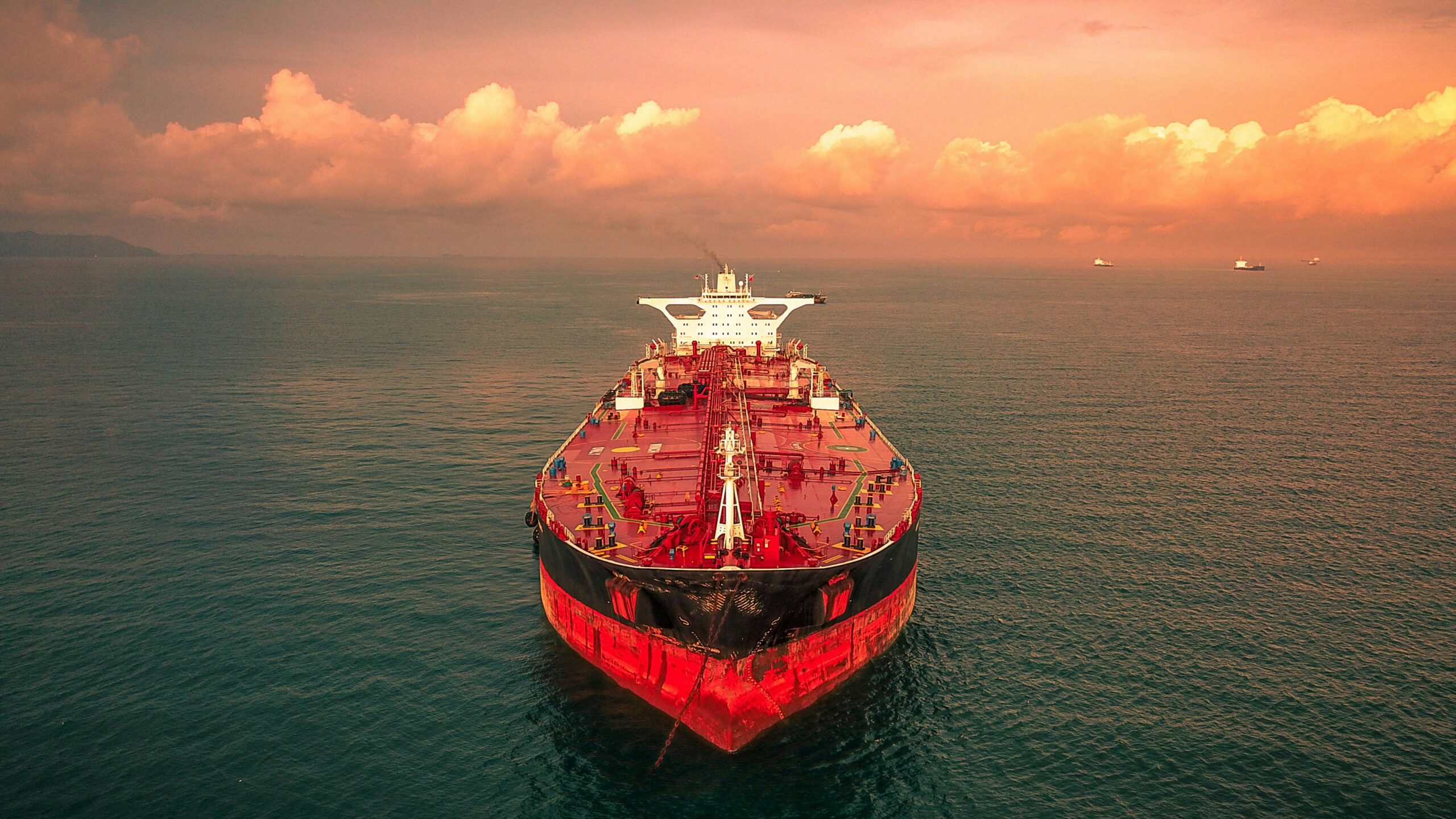
China’s foreign policy in the Middle East is inseparable from energy security. The Strait of Hormuz, through which roughly a third of global oil passes, is a strategic choke point. Any disruption here could reverberate across global markets, impacting prices, trade, and domestic supply chains.
Beijing has taken several steps to safeguard its energy interests:
-
Securing Supply Lines: China prioritizes uninterrupted access to oil shipments, even as regional instability intensifies.
-
Diversifying Energy Partners: Beyond Iran, China strengthens ties with Gulf nations to mitigate risk.
-
Investing in Infrastructure: Strategic oil reserves and alternative transport routes reduce vulnerability to supply shocks.
By linking energy policy with broader diplomatic strategy, China demonstrates the interdependence of economic and geopolitical security in the modern era.
Global Geopolitical Implications 🌐⚡
China’s measured response has ripple effects across international relations:
-
Shaping Diplomatic Norms: By advocating negotiation and diplomacy, China seeks to influence how crises are managed globally.
-
Balancing Power Dynamics: The Iran conflict presents opportunities to counterbalance U.S. influence in the Middle East, without resorting to military confrontation.
-
Economic Stability: Maintaining open trade routes and stable energy prices supports global markets and protects Chinese economic interests.
The conflict underscores the importance of soft power and strategic patience in modern geopolitics, illustrating China’s ability to leverage diplomacy, economics, and humanitarian engagement.
Strategic Lessons for Educated Readers 📘🔍
-
The Power of Soft Diplomacy: Military might is not always necessary to project influence; careful diplomacy can achieve strategic objectives.
-
Energy Interdependence: Modern global politics are inseparable from energy economics; nations must align foreign policy with resource security.
-
Crisis Management and Global Perception: How a nation responds to international crises can enhance or diminish its credibility and long-term influence.
-
Navigating Complex Alliances: Maintaining a balance between competing powers requires foresight, subtlety, and flexible strategies.
China’s Long-Term Strategic Outlook 🏛️🧭
Looking ahead, China is likely to continue:
-
Strengthening regional alliances while protecting economic interests.
-
Investing in diplomatic infrastructure for conflict resolution and multilateral engagement.
-
Expanding influence in global institutions to shape norms in line with its vision for international order.
In the context of the Iran conflict, China’s approach demonstrates a blend of realism and ambition, prioritizing stability, energy security, and regional influence without overt militarization.
Conclusion ✅🌏
The Iran conflict presents a litmus test for global powers, and China’s response offers insights into modern strategic thinking. By combining careful diplomacy, energy security measures, and humanitarian concern, Beijing has positioned itself as a key stabilizing actor amid regional turmoil.
For scholars, policymakers, and informed readers, understanding China’s actions in this conflict reveals the intricate interplay between national interest, global influence, and strategic patience. As the situation evolves, China’s calculated approach will remain a focal point for observers of global power dynamics.



0 Comments