
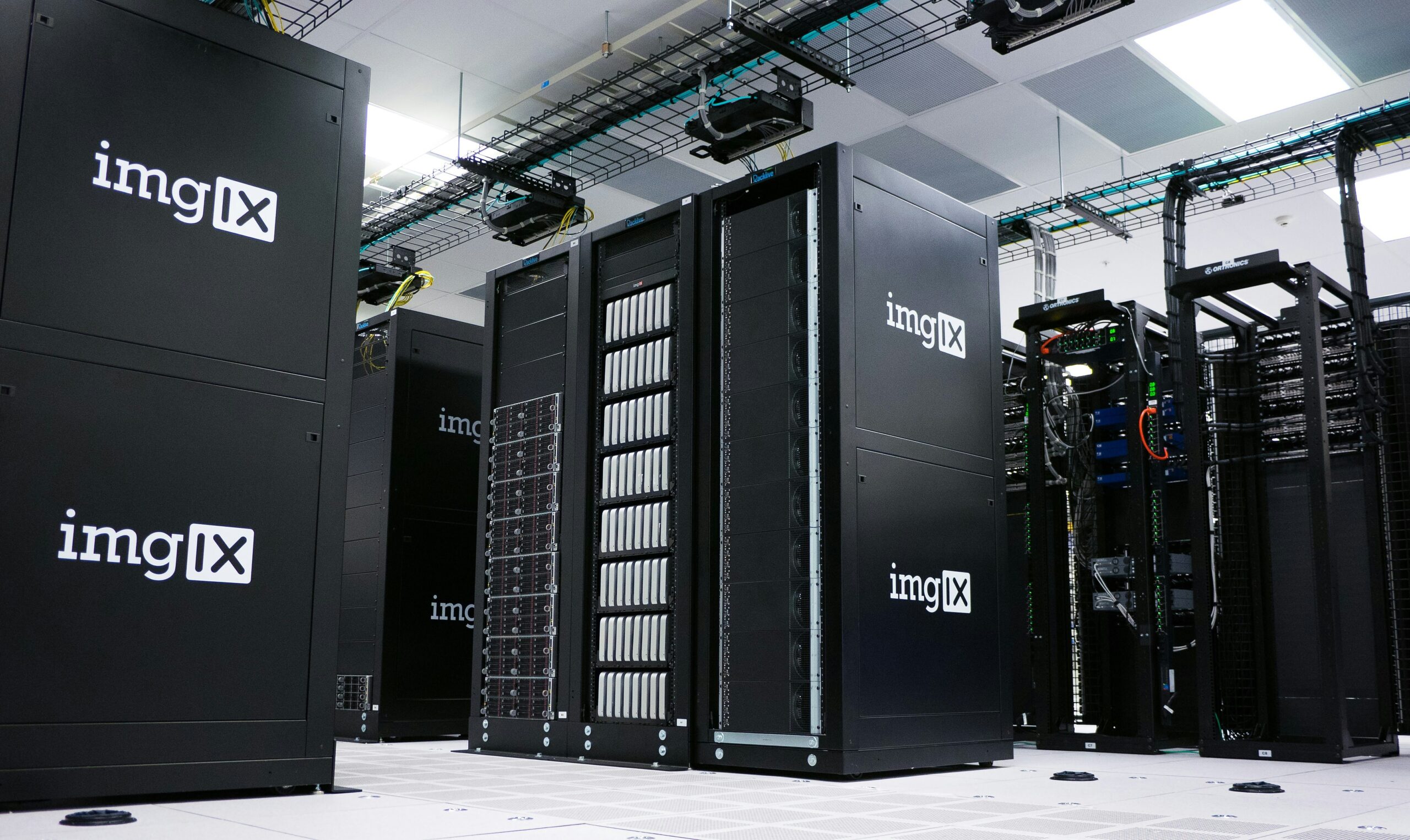
Nvidia dominates the global AI chip industry, but a massive shift toward inference computing and custom AI processors could challenge its supremacy. Discover how the AI hardware revolution is reshaping the semiconductor market, Big Tech strategies, and the future of artificial intelligence infrastructure.
⚡ Nvidia and the AI Chip Revolution: Can Its Dominance Survive the Next Wave of Artificial Intelligence?
Artificial intelligence is transforming the global economy faster than almost any previous technological revolution. From generative AI systems capable of writing code and producing images to advanced analytics powering healthcare diagnostics and financial forecasting, AI is rapidly becoming the central infrastructure of the digital age.
At the core of this transformation lies a critical resource: computational power.
And for years, one company has dominated the hardware powering the artificial intelligence revolution—Nvidia.
Nvidia’s graphics processing units (GPUs) became the foundation of modern AI development, providing the enormous computing capacity required to train advanced neural networks. As a result, the company emerged as the undisputed leader in the AI chip market.
However, a dramatic shift is now underway in the world of AI computing.
The industry is transitioning from an era focused on training massive AI models to one centered on deploying and running AI systems at global scale.
This transformation—known as the shift from training to inference computing—could redefine the competitive landscape of AI hardware.
The question facing the technology industry is clear:
Can Nvidia maintain its dominance in the rapidly evolving AI chip ecosystem?
🧩 How Nvidia Became the Backbone of the AI Economy
To understand Nvidia’s dominance, it is important to examine how artificial intelligence workloads evolved over the past decade.
Machine learning models rely on enormous mathematical calculations performed across billions of parameters. Training these models requires specialized processors capable of handling large-scale parallel computations.
GPUs proved perfectly suited for this task.
Originally designed to render graphics in video games, GPUs excel at performing thousands of calculations simultaneously. This parallel processing capability made them ideal for neural networks.
Researchers quickly realized that GPUs could accelerate machine learning dramatically.
Nvidia capitalized on this discovery by building an ecosystem around its hardware, including powerful development tools and software frameworks.
Over time, the company became the central supplier of AI computing infrastructure for:
-
Cloud computing platforms
-
AI startups
-
Academic research institutions
-
Technology giants
-
Data center operators
As artificial intelligence exploded in popularity, Nvidia’s chips became essential components in the global technology stack.
This demand drove unprecedented growth in the company’s revenue, market value, and strategic importance within the tech industry.
🌍 Artificial Intelligence Is Reshaping the Global Technology Economy
Artificial intelligence is no longer confined to research laboratories or experimental technology.
Today AI systems power a wide range of critical industries, including:
-
Healthcare diagnostics and drug discovery
-
Financial modeling and fraud detection
-
Autonomous transportation systems
-
Smart manufacturing and robotics
-
Digital assistants and generative AI platforms
-
Cybersecurity and threat detection
As AI capabilities expand, the demand for computing infrastructure is growing at an extraordinary pace.
Data centers dedicated to machine learning now consume enormous amounts of energy and hardware resources.
Technology companies around the world are investing billions of dollars to build AI infrastructure capable of supporting the next generation of digital services.
This massive demand created the perfect environment for Nvidia’s GPUs to dominate the AI hardware market.
But the nature of AI computing is changing.
🔄 The Great Shift: From AI Training to AI Inference
The most significant transformation currently underway in artificial intelligence involves the shift from training models to running them in real-world applications.
Training AI models is a computationally intensive process that requires enormous datasets and powerful hardware.
During training, neural networks analyze vast amounts of information and adjust their internal parameters until they can perform tasks accurately.
Once training is complete, however, the model enters the inference phase.
Inference occurs when AI systems actually respond to user requests or perform tasks in real time.
Examples include:
-
Chatbots generating responses to questions
-
AI systems analyzing medical images
-
Recommendation engines suggesting products
-
Voice assistants interpreting spoken commands
-
Autonomous vehicles processing sensor data
As artificial intelligence spreads across billions of devices and services, inference workloads are growing dramatically.
This shift has profound implications for the semiconductor industry.
🏗 Why the Future of AI Hardware May Look Different
Training and inference place very different demands on computing hardware.
Training requires massive processing power and large memory capacity, making GPUs ideal for the task.
Inference, however, focuses on delivering results quickly and efficiently.
Key priorities for inference computing include:
-
Extremely fast response times
-
Lower energy consumption
-
Lower operational costs
-
High scalability for millions of simultaneous queries
These requirements are pushing engineers to design specialized AI processors optimized specifically for inference workloads.
Such processors may outperform traditional GPUs in certain real-time AI applications.
As a result, the AI chip ecosystem is becoming more diverse and competitive.
🚀 The Rise of New AI Chip Competitors
The rapid growth of artificial intelligence has attracted a wave of startups developing next-generation AI processors.
These companies aim to create chips that can run AI models faster and more efficiently than conventional GPU architectures.
Some startups are designing processors optimized specifically for transformer models, which power modern generative AI systems.
Others are focusing on ultra-low-latency inference chips capable of responding to AI queries almost instantly.
These innovations are challenging traditional assumptions about how AI hardware should be designed.
If successful, specialized processors could reduce reliance on GPUs for many AI workloads.
☁️ Big Tech Is Building Its Own AI Chips
Perhaps the most significant threat to Nvidia’s dominance comes from the largest technology companies in the world.
Major cloud providers and digital platforms are increasingly designing their own AI chips.
This strategy allows them to control more of their technology stack and reduce dependence on external suppliers.
Large technology companies operate enormous data centers that process billions of AI requests every day.
By developing custom silicon optimized for their specific workloads, these companies can achieve major improvements in performance and efficiency.
Custom AI processors also offer strategic advantages by lowering costs and improving system integration.
As artificial intelligence becomes more central to their business models, many technology companies are investing heavily in proprietary hardware.
This trend could gradually reshape the AI infrastructure landscape.
🌐 The Global AI Chip Race
The competition for AI hardware leadership is not limited to individual companies.
Governments around the world increasingly view advanced semiconductor technology as a strategic resource.
Artificial intelligence is expected to influence economic growth, military capabilities, and technological leadership for decades to come.
As a result, nations are investing heavily in semiconductor research, manufacturing capacity, and AI infrastructure.
Several global regions are playing critical roles in the AI chip ecosystem:
-
North America leads in chip design and AI research
-
East Asia dominates semiconductor manufacturing
-
Europe is investing in AI innovation and chip sovereignty
The geopolitical dimension of AI hardware adds another layer of complexity to the industry’s future.
💰 The Trillion-Dollar Opportunity in AI Infrastructure
Artificial intelligence is expected to become one of the largest technology markets in history.
The infrastructure required to support AI systems includes:
-
High-performance data centers
-
Advanced semiconductor processors
-
Networking equipment
-
Specialized software frameworks
As AI adoption accelerates, global spending on AI infrastructure is projected to grow dramatically.
Data centers dedicated to machine learning are expanding rapidly, consuming vast amounts of computing hardware.
Companies that control the processors powering these systems will occupy one of the most valuable positions in the technology economy.
This is why the battle for AI chip dominance has become so intense.
🔧 Nvidia’s Strategy to Defend Its Leadership
Despite rising competition, Nvidia remains an extraordinarily powerful force in the AI hardware industry.
The company is actively evolving its technology strategy to address the changing demands of the AI ecosystem.
Key components of Nvidia’s strategy include:
🧠 Advanced GPU Architectures
Nvidia continues to develop increasingly powerful GPUs designed to accelerate both AI training and inference workloads.
⚙️ AI Software Platforms
The company maintains one of the most robust developer ecosystems in artificial intelligence, making it difficult for competitors to replace its tools.
🌐 Integrated AI Infrastructure
Nvidia is expanding beyond chips into networking systems, software platforms, and full AI computing environments.
🤝 Strategic Partnerships
The company collaborates with major cloud providers, startups, and research institutions to remain at the forefront of AI innovation.
These initiatives aim to ensure that Nvidia remains central to the AI ecosystem even as new hardware architectures emerge.
⚠️ Challenges That Could Disrupt Nvidia’s Dominance
Although Nvidia currently leads the AI chip industry, several challenges could reshape the competitive landscape.
💵 Hardware Costs
High-end GPUs can cost tens of thousands of dollars, prompting companies to explore cheaper alternatives.
🔋 Energy Consumption
AI data centers require enormous amounts of electricity, making energy efficiency a key priority.
🧱 Ecosystem Fragmentation
If developers begin adopting alternative hardware platforms, Nvidia’s software advantage could weaken.
⚡ Rapid Innovation
The semiconductor industry evolves quickly, and new breakthroughs could shift the balance of power.
These factors highlight the uncertainty surrounding the long-term future of AI hardware leadership.
🔮 The Next Era of Artificial Intelligence Infrastructure
Artificial intelligence is still in the early stages of its global expansion.
In the coming decades, AI systems are expected to become deeply integrated into nearly every sector of the economy.
Future applications may include:
-
Intelligent healthcare diagnostics
-
Autonomous transportation networks
-
AI-driven scientific discovery
-
Personalized digital education
-
Smart cities and advanced robotics
All of these innovations will require massive computing infrastructure.
The companies that build the processors powering this infrastructure will shape the next generation of technological progress.
📊 Conclusion: The Battle for AI Hardware Supremacy
Nvidia played a decisive role in launching the artificial intelligence revolution by providing the computing power required to train advanced machine learning models.
But the AI industry is evolving rapidly.
As the world moves from experimentation to large-scale deployment, the focus of computing is shifting toward efficient inference systems capable of serving billions of users.
This shift is attracting new competitors, encouraging cloud giants to build custom processors, and driving innovation across the semiconductor industry.
Whether Nvidia maintains its leadership or faces new challengers, one thing is certain:
The race to control the future of AI hardware has only just begun.



0 Comments