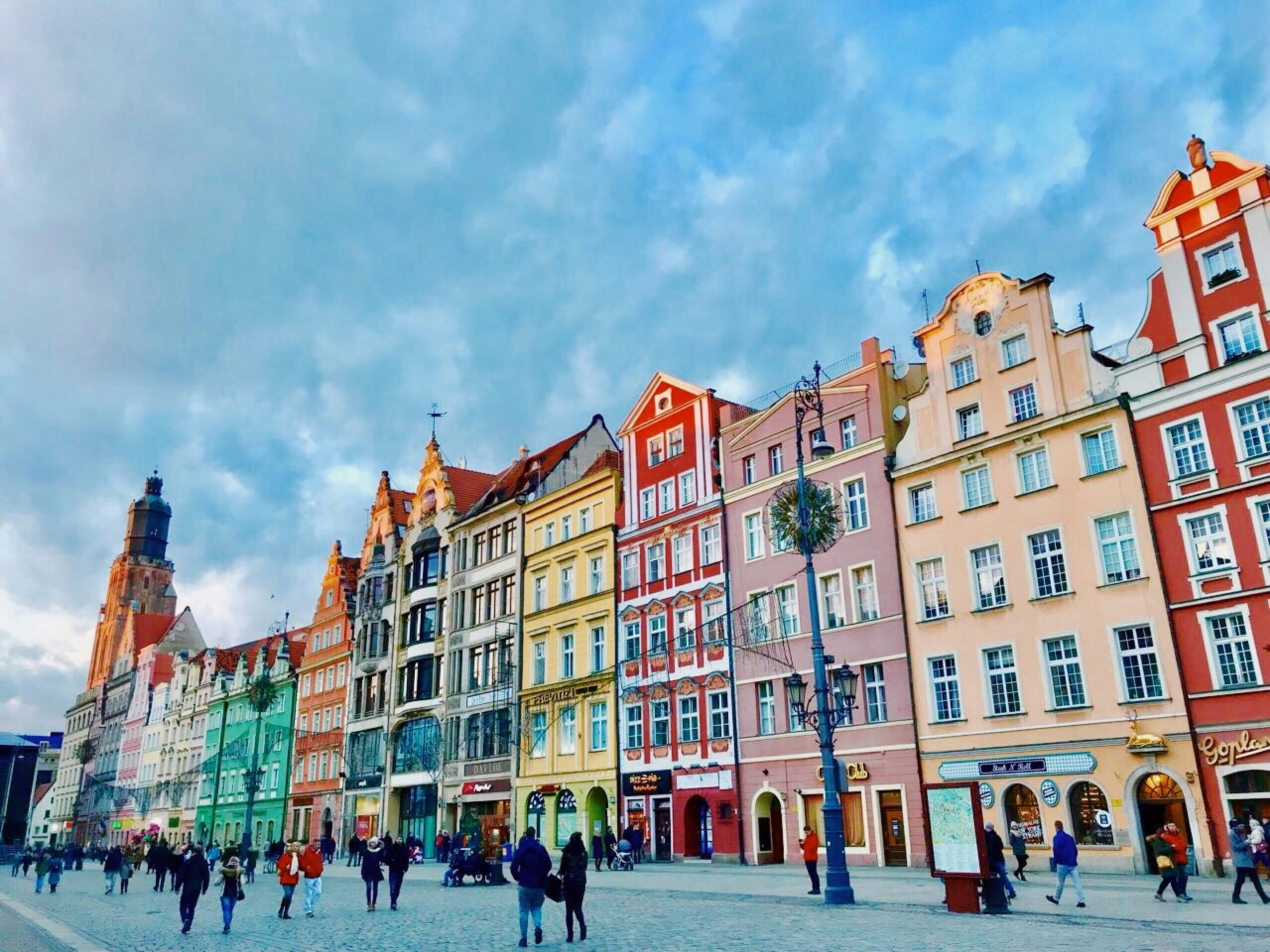
Poland’s economy has officially entered the global top 20, marking a historic milestone. This in‑depth article explores how Poland achieved this growth, what it means globally, key sectors driving expansion, challenges ahead, and implications for business and policy.
🔎 Introduction
Poland’s economy has achieved a historic milestone — rising to become the 20th largest economy in the world by nominal GDP. For a nation that only three decades ago was in the early stages of economic transition, this accomplishment represents a dramatic evolution driven by strategic reforms, diversification, innovation, and integration into global markets.
In this comprehensive analysis, we explore the factors behind Poland’s rise, examine the implications for the nation and the world, break down the sectors fueling growth, evaluate risks and future outlooks, and offer insights that matter to policymakers, investors, business leaders, and educated readers seeking to understand global economic dynamics.
📈 Part I — Poland’s Economic Transformation: From Transition to Growth Powerhouse
⚙️ Post‑Communist Economic Reforms: Laying the Foundation
In the early 1990s, Poland faced a monumental economic challenge. Decades of central planning had left the economy inefficient, underproductive, and isolated from global markets. Following the fall of communism, the government undertook bold reforms that would transform the economic landscape:
-
Privatization of State Enterprises: Moving resources from state control to private ownership improved operational efficiency across key industries.
-
Market Liberalization: Removing price controls, liberalizing trade, and encouraging entrepreneurship gave rise to a competitive business environment.
-
Stabilization Policies: Combatting hyperinflation and restoring fiscal discipline laid the groundwork for long‑term stability.
These early reforms were not painless; they required structural shifts, social adaptation, and investment in institutions. But they created the conditions necessary for sustained economic expansion.
🧭 Integration with the European Union: A Growth Multiplier
Poland’s accession to the European Union was a turning point. Integration with Europe brought:
-
Access to the Single Market: Expanding trade opportunities with major global partners.
-
EU Structural Funds: Investments in infrastructure, technology, and regional development.
-
Regulatory Alignment: Standards that facilitated foreign investment and enhanced business confidence.
EU membership acted as a catalyst — not simply by opening markets, but by accelerating modernization and boosting investor trust. Over time, these advantages helped Poland shift from a transition economy to a mature growth engine within Europe.
💼 Macroeconomic Stability: The Role of Sound Policies
Beyond structural reforms and EU integration, macroeconomic governance played a central role in Poland’s ascent. Key policy choices included:
-
Fiscal responsibility: Managing government spending to keep deficits under control.
-
Inflation targeting: Monetary policies that stabilized prices and preserved purchasing power.
-
Prudent debt management: Maintaining sustainable public debt levels even as investment increased.
This stability gave confidence to both domestic businesses and international investors, creating a virtuous cycle where economic growth reinforced policy credibility, and policy credibility supported further growth.
🌍 Part II — Understanding Poland’s Rising GDP
📊 What It Means to Be a Top 20 Economy
Ranking among the world’s top 20 economies is more than symbolic — it means that a country:
-
Produces a volume of goods and services in excess of many large, long‑established economies.
-
Participates more actively in global finance, trade, and investment flows.
-
Has a labor market, consumer base, and industrial capacity that attract global capital.
Poland’s GDP has surpassed the trillion‑dollar mark, placing it above peers that, in some cases, had longer histories of industrial growth. This ascending position reflects not just quantity, but quality of economic activity — a blend of high‑value production, services, and increasingly innovation‑driven sectors.
📌 Long‑Term Growth Trends
Poland’s GDP growth over the past three decades has been remarkably consistent. Even during global downturns — such as the 2008 financial crisis and the economic disruptions of the early 2020s — Poland achieved positive growth rates while many other economies contracted. This resilience stems from:
✔ Diversified industry base
✔ Strong domestic demand
✔ Exports capable of weathering global shocks
✔ Incremental upgrading of human capital
This diversification shielded Poland from heavy dependence on any single sector, making its economy more adaptable and robust.
🌐 Trade and Exports: Engines of Growth
Trade has been central to Poland’s economic rise. With manufacturing and processing sectors as key contributors, Poland’s export portfolio includes:
-
Machinery and transport equipment
-
Automotive components
-
Electronics and electrical products
-
Consumer goods
-
Agricultural products
Export expansion has also been supported by logistical improvements, modern ports, and streamlined customs infrastructure. This global connectivity enables Polish firms to compete internationally and participate in complex global value chains.
🏢 Part III — Sectoral Forces Driving Poland’s Economy
🏭 Manufacturing and Industrial Output
Manufacturing remains a cornerstone:
-
Poland hosts major production hubs in automotive, machinery, and chemical industries.
-
Foreign companies have established factories, attracted by competitive labor costs and EU market access.
-
Output diversification ensures stability even if specific markets fluctuate.
Manufacturing contributes significantly not just to GDP but to innovation adoption, technological spillovers, and workforce skill development.
💡 Technology and Innovation
In recent years, technology has emerged as a dynamic pillar. Poland’s tech ecosystem is supported by:
-
Growing startup communities in Warsaw, Krakow, and Wroclaw
-
Investment in software, fintech, and cybersecurity firms
-
Increasing digital adoption by traditional industries
Poland’s IT service exports are among the fastest‑growing sectors, showcasing a shift from basic production toward knowledge‑driven growth.
🛠️ Services and Consumer Market
The services sector — including finance, professional services, tourism, and retail — has expanded alongside rising domestic incomes. Noteworthy trends include:
-
Growth in business services and outsourcing
-
Expansion of tourism and hospitality
-
Rising consumer spending driven by a growing middle class
A strong services sector adds resilience to GDP growth by cushioning fluctuations in manufacturing or agriculture.
🌾 Agricultural Transformation
Poland’s agriculture sector has evolved from small‑scale, traditional operations to a more modern, export‑oriented industry. Mechanization, scientific farming techniques, and improved supply chains have raised productivity and expanded export markets for food products.
📉 Part IV — Challenges and Risks on the Horizon
Despite impressive growth, Poland faces several ongoing challenges that could influence its economic trajectory. These include:
👥 Demographic Shifts
Poland’s population is aging, and like many European nations, it faces a shrinking workforce over time. This demographic trend poses risks including:
-
Labor shortages
-
Increased dependency ratios
-
Pressure on pension and healthcare systems
Addressing these will require strategic policies on immigration, workforce participation, and automation.
💰 Fiscal and Monetary Pressures
While current debt levels remain sustainable, maintaining fiscal discipline is vital. Global interest rate volatility, public spending needs, and infrastructure investment demands create ongoing policy planning challenges.
⚡ Energy Transition
Poland has historically relied on coal for energy. The global shift toward sustainability and European Green Deal commitments mean Poland must:
-
Invest in renewable energy infrastructure
-
Ensure energy security during transition
-
Manage social and economic impacts of decarbonization
Achieving this will influence competitiveness, production costs, and environmental outcomes.
🌎 Global Economic Competition
As emerging markets rise and established economies pursue innovation, Poland must continually upgrade its competitive advantages through:
-
Education and workforce training
-
Research and development incentives
-
Global trade strategy refinement
Staying ahead requires long‑term commitments to technological leadership and global integration.
🎯 Part V — Looking Ahead: Poland’s Future Economic Path
📌 Policy Priorities for Sustained Success
To build on its top‑20 status, Poland must prioritize:
-
Human Capital Development
Investing in education, advanced skills training, and research institutions to grow a future‑ready workforce. -
Innovation Ecosystem Strengthening
Supporting startups and tech ventures with funding, infrastructure, and regulatory frameworks. -
Energy and Environmental Strategy
Pursuing clean energy investments and emission reductions while safeguarding economic stability. -
Global Trade and Diplomacy
Expanding trade partnerships beyond Europe and fostering new export markets in Asia, Africa, and the Americas. -
Social Policies for Demographic Balance
Incentives for family formation, workforce participation, and strategic immigration to offset demographic contraction.
🧠 Insights for Educated Readers and Decision Makers
For policymakers, investors, and business strategists, Poland’s rise offers valuable lessons:
-
Policy coherence matters: Long‑term success is not built overnight but through decades of consistent governance.
-
Diversification reduces volatility: A balanced economic portfolio mitigates risks from external shocks.
-
Global integration fuels growth: Staying connected to world markets enhances competitiveness and resilience.
-
Innovation is essential: Economic leadership in the 21st century is as much about ideas as it is about manufacturing.
Poland’s experience is instructive — not merely a statistical achievement, but a model of transformative economic strategy.
🌟 Conclusion: A Milestone With Meaning
Poland’s ascent into the global top 20 economies is a milestone that reflects perseverance, smart policymaking, and adaptive growth. It signals Poland’s readiness to play a more prominent role on the world stage — economically, politically, and culturally.
As global dynamics shift and economies grapple with technological change, demographic pressures, and environmental challenges, Poland’s blend of stability, innovation, and strategic positioning offers both a roadmap and a competitive advantage.
Whether you are a student of economics, a global investor, a policymaker, or an engaged reader, Poland’s journey from transition economy to global contender underscores the transformative power of long‑term vision and resilient growth.
🧾 Source
📌 Poland Now the World’s 20th Largest Economy — NBC News:
https://www.nbcnews.com/business/economy/poland-now-worlds-20-largest-economies-happen-rcna263694



0 Comments