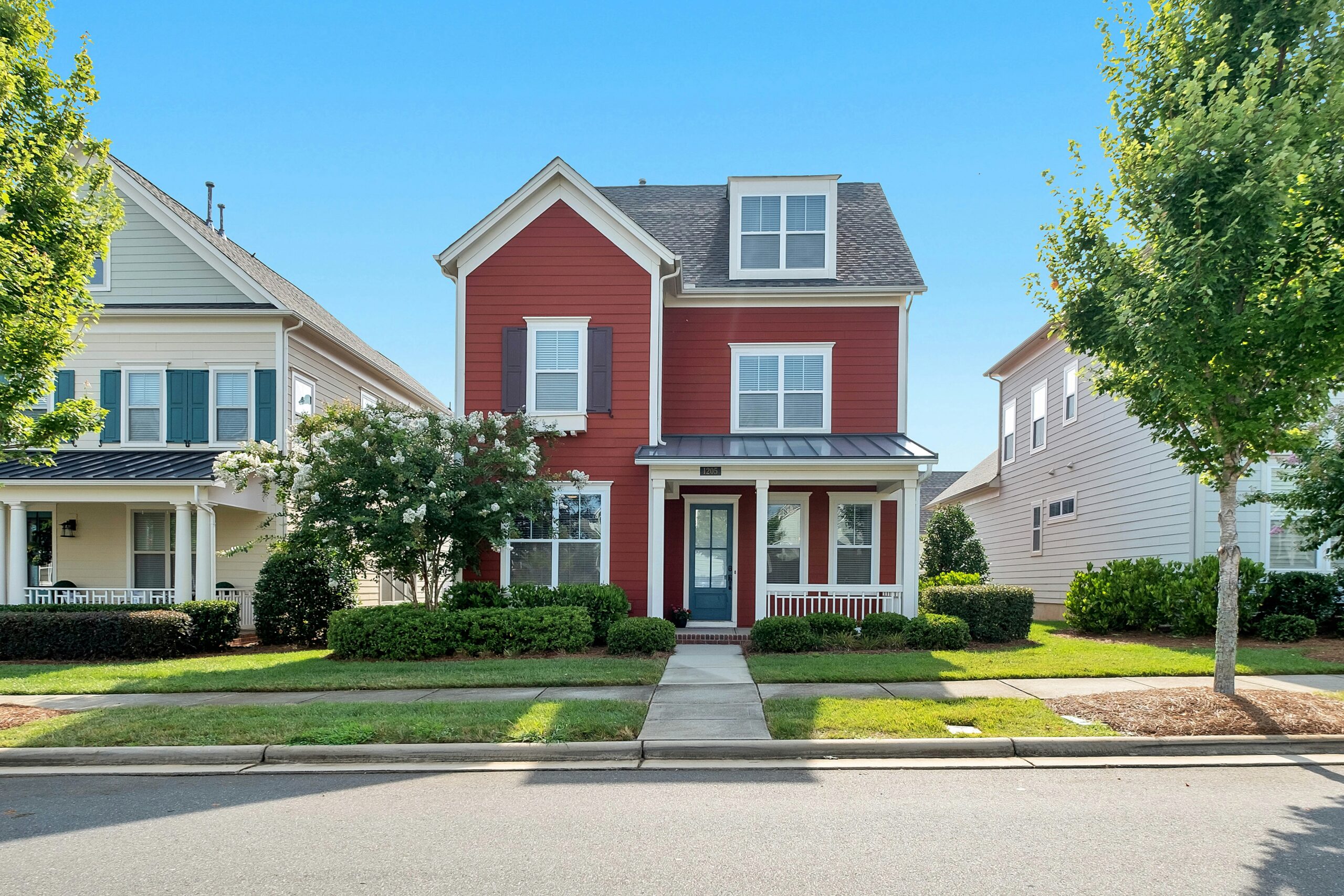
📈 Housing prices on the outskirts of Atlanta are rising so fast that exurban homes may soon cost more than properties in the city itself. Discover the economic forces, migration trends, and housing supply shortages behind this surprising shift in the U.S. real-estate market.
Atlanta’s Exurbs Are Becoming More Expensive Than the City
📊 A Historic Housing Market Reversal
For generations, the geography of American housing followed a predictable rule: the closer a home was to a major city’s economic center, the more expensive it would be. Downtown neighborhoods and urban districts commanded the highest real-estate prices, while suburbs and exurbs offered cheaper alternatives for families seeking more space.
But in the sprawling metropolitan region surrounding Atlanta, that long-standing pattern is rapidly changing.
Housing prices in the far-flung communities outside Atlanta have been rising at such a rapid pace that the cost of living in some of the region’s outer counties is approaching—and in some cases nearly matching—the price of homes in the city itself.
If the trend continues, Atlanta could soon become one of the first major metropolitan areas in the United States where exurban housing costs exceed those in the urban core.
The shift is startling for economists, urban planners, and real-estate professionals because it represents more than just a temporary market anomaly. Instead, it signals deeper transformations in how Americans work, where they live, and how they value space, mobility, and community.
Atlanta’s changing housing market offers a window into the evolving geography of modern America.
🌆 Understanding the Traditional Housing Price Hierarchy
To appreciate why Atlanta’s housing shift is so significant, it helps to understand how metropolitan housing markets have historically functioned.
For most of the 20th century and early 21st century, urban areas typically followed a clear pricing structure:
1️⃣ Urban Core – Highest Prices
City centers were expensive because they concentrated jobs, public transit, entertainment, and cultural amenities. Living downtown often meant shorter commutes and greater access to economic opportunities.
2️⃣ Inner Suburbs – Moderate Prices
Suburbs offered a balance between affordability and convenience. Families could live in quieter neighborhoods while still maintaining relatively easy access to city jobs.
3️⃣ Outer Suburbs and Exurbs – Lowest Prices
The farther one moved from the city center, the cheaper housing generally became. Exurbs—communities beyond the traditional suburbs—often attracted buyers seeking larger homes and lower property prices.
This pricing hierarchy was so consistent that it became a foundational assumption in urban economics and real-estate planning.
Atlanta’s housing market, however, is beginning to challenge that assumption.
📈 The Numbers Behind Atlanta’s Surging Exurban Housing Prices
Recent housing data illustrates just how dramatically the price gap between Atlanta and its outer communities has narrowed.
In recent years, the median home price in Atlanta’s exurban counties has climbed sharply, approaching the level of homes in the city itself.
By late 2025:
-
The median price of homes in Atlanta’s exurbs reached roughly $380,000
-
The difference between exurban homes and city homes shrank to only a few thousand dollars
Just a few years earlier, the difference had been far larger. In 2021, exurban homes in the region cost tens of thousands of dollars less than homes in the city.
The rapid price growth means that Atlanta may soon reach a milestone rarely seen in large metropolitan regions: exurban homes costing as much as or more than urban homes.
Across most of the United States, the opposite remains true. Exurban housing typically sells at a significant discount compared with urban properties.
Atlanta’s shift therefore represents an unusual—and potentially influential—housing trend.
🚀 Why Atlanta’s Exurbs Are Booming
Several powerful forces are converging to drive the surge in exurban housing prices.
These forces include demographic changes, economic growth, remote work trends, and shifting lifestyle preferences.
👨👩👧👦 Population Growth Is Fueling Housing Demand
One of the most important factors behind rising exurban housing prices is simple population growth.
Atlanta has long been one of the fastest-growing metropolitan regions in the United States. Over the past decade, the area has attracted hundreds of thousands of new residents drawn by:
-
Strong job growth
-
Lower cost of living compared with coastal cities
-
A favorable business climate
-
Mild climate and high quality of life
As the metropolitan population expands, housing demand naturally spreads outward from the urban core.
Outer counties surrounding Atlanta have experienced particularly rapid growth. In some areas, population increases over the past few years have exceeded 20 percent, far outpacing growth within the city itself.
As more families move into these communities, competition for homes intensifies—and prices rise accordingly.
🏭 Economic Expansion Beyond the City
Another major reason exurban housing prices are rising is the decentralization of economic activity.
For decades, many metropolitan regions concentrated their largest employers in downtown districts or central business hubs.
But Atlanta’s economy has evolved into a more dispersed network of job centers.
Large corporations, manufacturing facilities, logistics hubs, and technology companies are increasingly locating operations outside the city center.
Major investments in industries such as:
-
Electric vehicle manufacturing
-
Battery production
-
Logistics and supply chain infrastructure
-
Advanced manufacturing
have brought thousands of jobs to counties outside Atlanta.
These new employment hubs reduce the need for long commutes into the city and make living farther from downtown more attractive.
As jobs spread outward, so does housing demand.
💻 Remote Work Is Changing Housing Decisions
Few developments have influenced housing markets as dramatically as the rise of remote work.
During the COVID-19 pandemic, millions of employees transitioned to working from home. Even after offices reopened, many companies adopted hybrid work models that allow employees to work remotely for part of the week.
This shift fundamentally changed the calculus of where people choose to live.
Before remote work became common, proximity to downtown offices was one of the most important factors influencing housing decisions.
Now, many workers only commute to the office occasionally.
That flexibility allows households to prioritize other factors, including:
-
Larger homes
-
Dedicated home offices
-
Outdoor space
-
Quiet neighborhoods
-
Access to nature and parks
Exurban communities often offer these amenities at prices that were historically lower than city housing.
As remote work expanded, demand for homes in these areas surged.
🌳 Lifestyle Preferences Are Driving Migration
Beyond economic factors, lifestyle considerations are also playing a major role in exurban growth.
Many households—particularly families with children—are increasingly drawn to smaller communities that offer:
-
Safer neighborhoods
-
Highly rated schools
-
Less traffic congestion
-
Strong community identity
-
Access to outdoor recreation
Exurban towns surrounding Atlanta have invested heavily in improving their quality of life. New restaurants, parks, shopping districts, and cultural venues have transformed many once-sleepy communities into thriving small cities.
These improvements make exurban living more attractive even for residents who could afford to live closer to the city center.
🏗️ Housing Supply Is Struggling to Keep Up
While demand for exurban housing has surged, the supply of new homes has not grown quickly enough to match it.
Several structural constraints are limiting housing construction.
Rising Construction Costs
Building new homes has become significantly more expensive in recent years due to:
-
Higher material prices
-
Labor shortages in construction trades
-
Rising land values
-
Increased financing costs for developers
These challenges make it harder for builders to rapidly expand housing supply.
When supply lags behind demand, prices inevitably rise.
The Mortgage Rate Lock-In Effect
Another factor restricting housing supply is the so-called mortgage rate lock-in effect.
During the pandemic, many homeowners refinanced their mortgages at historically low interest rates—often below 3 percent.
Today, mortgage rates are significantly higher.
As a result, many homeowners are reluctant to sell their homes and take on a new mortgage with a higher interest rate.
This reluctance reduces the number of homes available on the market, further tightening supply.
Infrastructure and Zoning Constraints
Some exurban communities also face infrastructure challenges that limit rapid development.
Expanding housing requires investments in:
-
Roads and highways
-
Schools
-
Water and sewer systems
-
Public safety services
Local governments must carefully manage growth to avoid overwhelming infrastructure.
At the same time, zoning restrictions in certain communities limit the density of new housing construction.
These factors slow the pace at which builders can add new homes to the market.
💰 Rising Prices Are Creating Affordability Challenges
Although rising home values benefit existing homeowners, they also create affordability problems for many residents.
For decades, the outskirts of metropolitan areas served as a refuge for households seeking lower housing costs.
Now that exurban prices are climbing rapidly, many families find themselves squeezed between expensive city housing and increasingly costly suburban alternatives.
First-time homebuyers face particularly steep challenges.
Younger households often struggle to compete with buyers who already own property and can use home equity to finance new purchases.
Meanwhile, renters in rapidly growing exurban communities are also experiencing rising housing costs as demand for apartments and rental homes increases.
🌎 Atlanta Reflects a Broader National Trend
Although Atlanta’s housing shift is particularly dramatic, similar dynamics are emerging in other metropolitan areas across the United States.
Several national trends are reshaping housing markets:
Sun Belt Migration
Southern cities continue to attract new residents from more expensive regions.
Remote Work Flexibility
More workers can choose housing based on lifestyle rather than proximity to offices.
Limited Housing Supply
A decade of underbuilding following the 2008 financial crisis has created a structural housing shortage.
Rising Construction Costs
Building homes has become more expensive nationwide.
Together, these forces are reshaping the geography of American housing.
🏙️ The Future of Atlanta’s Housing Market
If current trends continue, Atlanta’s housing market may evolve in several important ways.
Continued Growth of Exurban Communities
Population growth in outer counties is likely to continue as families seek space and affordability.
New infrastructure investments could further accelerate development in these areas.
Transformation of Small Towns Into Economic Hubs
Many exurban communities are evolving from quiet bedroom towns into fully developed economic centers with their own employment opportunities.
This transformation could permanently alter commuting patterns across the metropolitan region.
Increased Pressure for Housing Development
As housing affordability becomes a growing concern, policymakers may face pressure to encourage new construction.
Possible strategies include:
-
Zoning reforms
-
Incentives for affordable housing
-
Infrastructure expansion
-
Public-private partnerships for development
These policies could help address housing shortages across the region.
📊 What This Means for Homebuyers and Investors
For buyers and investors, Atlanta’s shifting housing market presents both opportunities and risks.
Key considerations include:
✔ Long-term population growth
✔ Infrastructure investments
✔ Local economic development
✔ School quality and community amenities
✔ Transportation access
Areas experiencing rapid population growth may offer strong long-term property appreciation.
However, buyers must also consider affordability, commuting patterns, and broader economic trends.
🧭 A New Geography of Opportunity
Atlanta’s housing transformation illustrates a broader shift in the American urban landscape.
Instead of a single dominant city center surrounded by cheaper suburbs, metropolitan areas are increasingly becoming networks of interconnected communities.
Economic activity is spreading outward, and housing demand is following.
This evolving geography means opportunity is no longer concentrated exclusively in downtown districts.
Instead, it is emerging across entire regions—sometimes in places that once seemed distant or overlooked.
🏁 Conclusion
For generations, living farther from the city meant trading convenience for affordability.
In the Atlanta metropolitan region, that equation is changing rapidly.
Exurban housing prices have surged as population growth, remote work, economic expansion, and lifestyle preferences reshape where Americans choose to live.
If current trends continue, the outskirts of Atlanta could soon become more expensive than the city itself—an extraordinary reversal of traditional housing economics.
Atlanta’s experience may serve as a preview of what lies ahead for other fast-growing metropolitan regions.
As the geography of work and lifestyle continues to evolve, the definition of where people want to live—and what they are willing to pay for it—may continue to shift in unexpected ways.
❓ FAQ Section (SEO Rich Snippets)
Why are Atlanta’s exurbs becoming more expensive?
Rapid population growth, remote work trends, and new job centers outside the city are increasing demand for homes in exurban communities.
Are exurban homes really becoming more expensive than city homes?
In Atlanta, the price gap between exurban and urban homes has narrowed dramatically, and some analysts believe exurban prices could soon exceed city prices.
Is this trend happening in other U.S. cities?
While Atlanta is one of the most extreme examples, similar housing trends are emerging in several fast-growing metropolitan regions.
Will housing prices continue to rise in Atlanta’s exurbs?
Future prices will depend on population growth, housing supply, infrastructure development, and broader economic conditions.
Source
Original reporting:
https://www.wsj.com/real-estate/living-on-the-outskirts-of-atlanta-is-about-to-be-pricier-than-living-in-it-a2bd7c0d



0 Comments