
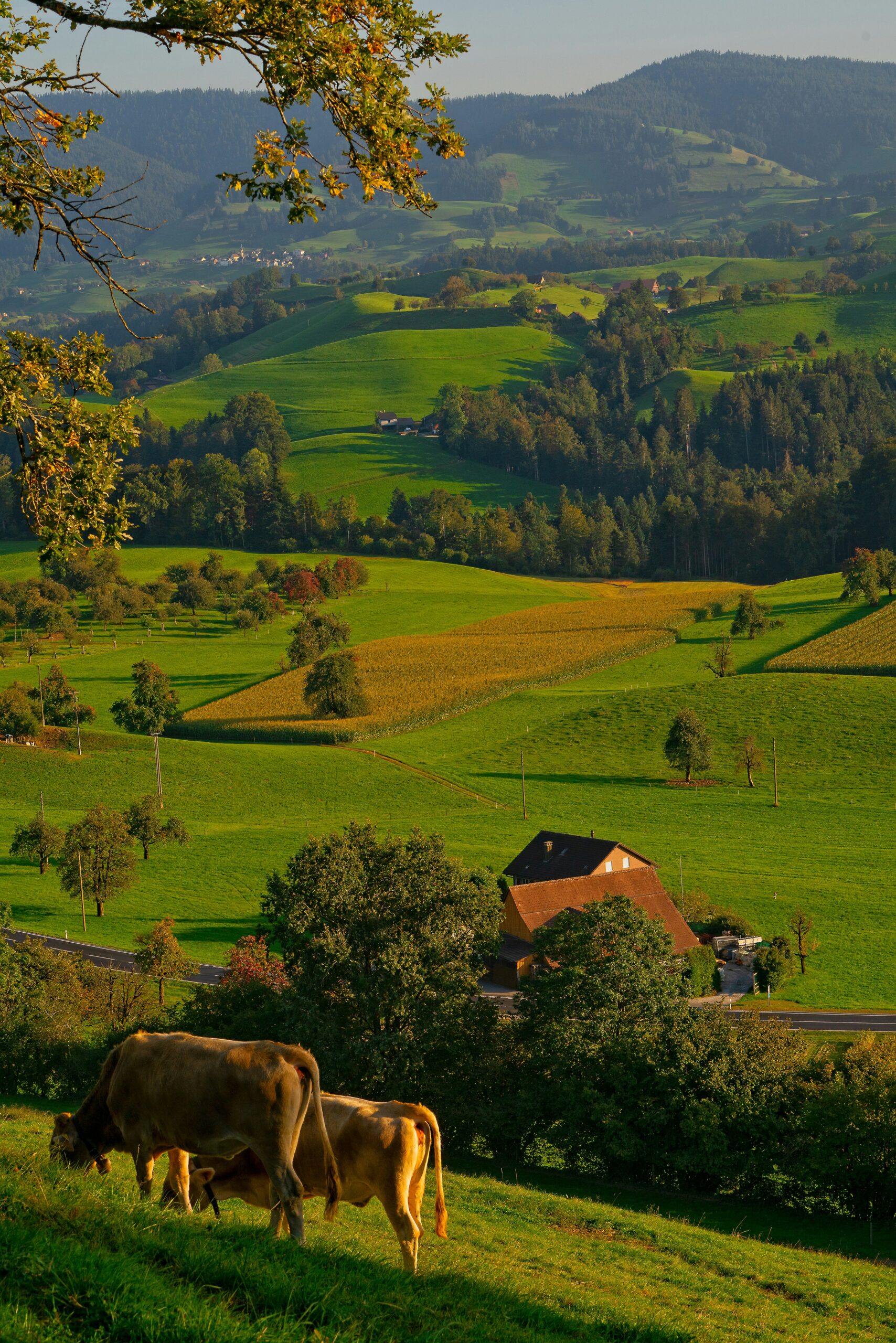
A deep dive into the growing inheritance crisis facing family farms. Discover why aging farmers, rising land values, and tax pressures are reshaping rural economies and the future of agriculture.
🌾 The Great Farm Succession Crisis
Why Family Farms Are Struggling to Pass to the Next Generation
Introduction: A Generational Turning Point 🚜
Across North America and much of the world, family farms are facing a historic turning point. For centuries, farmland passed naturally from parents to children, often without major legal or financial obstacles. Farming was more than a business—it was a family identity, a lifestyle, and a long-term commitment to land stewardship.
Today, that tradition is under strain.
A wave of aging farmers, rising land prices, complex inheritance laws, and changing career aspirations among younger generations has created a growing succession crisis. Many family farms—some operating for more than a century—now face uncertain futures.
This transformation is not simply an agricultural issue. It touches food security, rural economies, national identity, and generational wealth.
The story unfolding across rural landscapes is about more than farmland. It is about legacy, change, and the difficult decisions families must make when tradition meets modern economics.
👴 Aging Farmers and the Succession Gap
One of the most important drivers of the farm inheritance crisis is demographic change.
Farmers are getting older—and quickly.
In many developed countries, the average age of farmers has climbed steadily for decades. In Canada, the average farmer is now in their mid-50s, while in the United States the number of farmers over 75 now exceeds those under 35. The result is a looming generational handoff unlike anything agriculture has seen before.
Experts estimate that within the next decade, tens of billions of dollars worth of farmland will change hands.
But there’s a problem: fewer young people want to take over.
Why Fewer Children Want the Farm 🧑🎓
Historically, farm succession followed a predictable path. Children grew up working the land, developed farming skills early, and naturally assumed ownership as parents retired.
That pattern is breaking down.
Today’s rural children grow up in a world of vastly expanded career opportunities. College education, urban job markets, and technological industries offer stable incomes and predictable lifestyles that farming often cannot match.
Modern agriculture is:
-
Capital intensive
-
Financially volatile
-
Physically demanding
-
Increasingly complex
Younger generations are weighing the emotional value of inheritance against the practical realities of running a modern agricultural business.
For many families, the next generation’s answer is simple: they love the farm—but don’t want the job.
💰 Rising Land Values: A Hidden Barrier
Ironically, farmland’s biggest strength has become one of its greatest obstacles.
Land values have skyrocketed over the past several decades. Property that once seemed modestly valuable has become a multi-million-dollar asset.
This appreciation creates a difficult paradox.
Farms are often asset-rich but cash-poor.
While land values climb, farm incomes often fluctuate dramatically due to:
-
Commodity price volatility
-
Rising fertilizer and equipment costs
-
Climate uncertainty
-
Global market pressures
When inheritance time arrives, heirs may face a farm worth millions but generating modest annual income. That imbalance makes it difficult to buy out siblings or pay estate taxes without selling land.
The Buyout Problem 👨👩👧👦
Farm inheritance rarely involves a single heir.
Most families must divide assets among multiple children—some interested in farming, others not.
This creates a common scenario:
One child wants the farm.
The others want their share of the estate.
To keep the farm intact, the farming heir must buy out siblings at market value. But modern farmland prices often make this financially impossible.
This is one of the most common ways family farms disappear.
📉 The Economic Reality of Modern Farming
Running a farm today is vastly different from the image many people hold.
Modern agriculture requires:
-
Expensive machinery
-
High-cost seeds and fertilizer
-
Complex financial planning
-
Advanced technology and data tools
Profit margins can be thin even in good years.
For many heirs, inheriting a farm means inheriting debt, risk, and uncertainty.
This reality shapes succession decisions.
Bankruptcy and Financial Pressure 📊
Recent years have seen rising financial strain across agriculture.
Farm bankruptcies have increased, driven by:
-
Low commodity prices
-
Supply chain disruptions
-
Inflation in input costs
-
Rising interest rates
When combined with inheritance challenges, these pressures can push families toward selling farmland rather than passing it down.
⚖️ The Role of Tax and Inheritance Laws
Inheritance laws play a major role in the future of family farms.
Many tax systems were designed decades ago, when:
-
Farming families were larger
-
Land values were lower
-
Succession patterns were predictable
Today’s family structures and economic realities are very different.
Tax Rules That Don’t Fit Modern Families 🧾
In many countries, tax rules allow farms to transfer to children without immediate tax penalties—but not to nieces, nephews, or other relatives who may actually be running the farm.
This creates difficult outcomes:
-
Farms may be forced to sell to pay capital gains taxes
-
Long-time family workers may be unable to inherit
-
Corporate buyers gain an advantage
As farmland ownership changes hands, policymakers are increasingly debating how to update laws to reflect modern realities.
🏢 The Rise of Corporate Farming
When family farms cannot pass to the next generation, the land does not disappear.
Instead, ownership often shifts to:
-
Large agricultural corporations
-
Investment firms
-
Institutional land buyers
This trend is reshaping rural economies.
Corporate ownership can bring efficiency and capital, but it also changes the social fabric of rural communities.
The Changing Face of Rural Communities 🏘️
Family farms historically served as community anchors.
They supported:
-
Local schools
-
Small businesses
-
Rural employment
-
Community organizations
As ownership consolidates, rural areas face:
-
Population decline
-
Fewer local jobs
-
Reduced community cohesion
The succession crisis is therefore not just about farms—it’s about rural life itself.
🌍 A Global Trend
The farm succession crisis is not limited to one country.
Across Europe, North America, and Australia, similar patterns are emerging:
-
Aging farmers
-
Rising land prices
-
Fewer successors
-
Growing corporate ownership
This global shift reflects deeper societal changes in how people live and work.
🧠 Emotional Challenges of Farm Inheritance
Beyond economics and policy, farm succession is deeply emotional.
For many farmers, land represents:
-
Family history
-
Personal identity
-
Lifetime achievement
Letting go can be incredibly difficult.
The Emotional Weight of Letting Go 💔
Many farmers delay retirement because:
-
They fear losing purpose
-
They worry about the farm’s future
-
They feel responsible for preserving family legacy
Without early planning, succession decisions become urgent and stressful, often leading to conflict.
📝 Why Succession Planning Happens Too Late
Despite the stakes, most farms lack formal succession plans.
Common reasons include:
-
Avoiding difficult family conversations
-
Uncertainty about retirement timing
-
Complex legal and financial processes
-
Emotional attachment to the farm
Unfortunately, delaying planning often makes the transition harder.
🔧 Solutions Emerging Across the Industry
While the challenges are significant, solutions are emerging.
Experts increasingly recommend:
Early Planning
Starting succession conversations decades before retirement.
Flexible Ownership Models
Using trusts, partnerships, and long-term leasing.
Policy Reform
Updating tax laws to reflect modern farming realities.
Support for New Farmers
Improving access to financing and training.
🌱 The Future of Family Farming
Family farms are unlikely to disappear—but they will evolve.
Future models may include:
-
Shared ownership among family members
-
Leasing land instead of owning it
-
Partnerships with investors
-
Cooperative farming models
The traditional image of the family farm may change, but the core values of land stewardship and community connection can remain.
🧭 Conclusion: Preserving Legacy in a Changing World
The farm inheritance crisis represents one of the most important transitions in modern agriculture.
It is a story about:
-
Generational change
-
Economic transformation
-
Policy evolution
-
Emotional legacy
The decisions made today will shape the agricultural landscape for decades.
Family farms have always adapted to change. With thoughtful planning, supportive policies, and open conversations, they can continue to thrive in the next generation.
The challenge now is ensuring that the knowledge, values, and traditions built over centuries are not lost—but passed forward in new and sustainable ways.
Source
https://www.wsj.com/business/family-farms-inheritance-44c9aa17




0 Comments