
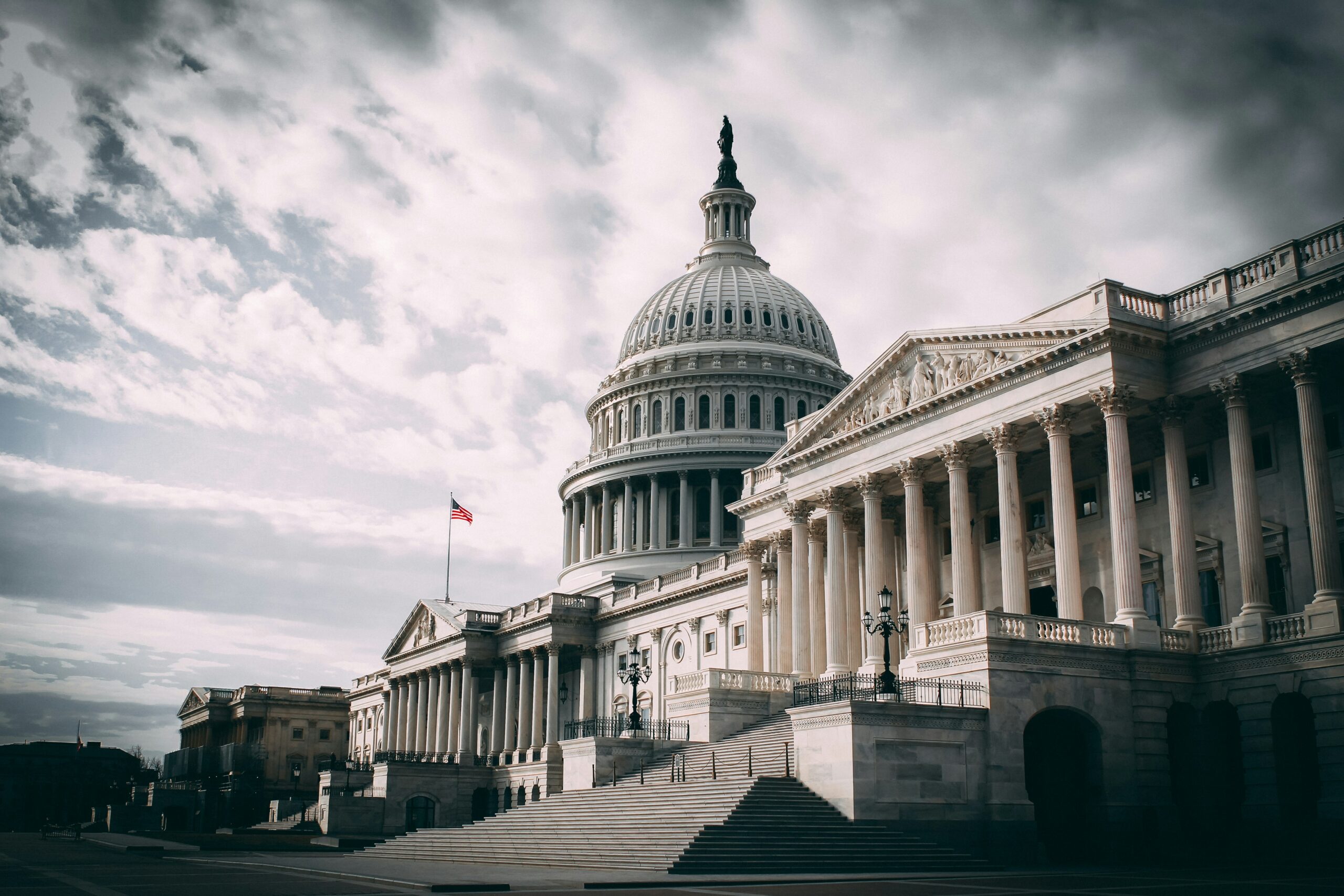
Big Tech is preparing strategies to bypass a new $100,000 H-1B visa fee, raising major questions about startups, innovation, and the future of global tech talent. Explore the economic, political, and workforce implications.
Big Tech vs the $100,000 H-1B Visa Fee: How Immigration Policy Could Reshape the Global Tech Talent War 🌎💻
The global race for technology talent has entered a new and dramatic chapter. A proposed $100,000 fee for H-1B visas is sending shockwaves across Silicon Valley, startup ecosystems, and international tech hubs. While the policy is framed as a way to protect American jobs and discourage abuse of the immigration system, its ripple effects could reshape the entire technology landscape for years to come.
Large technology companies are already preparing strategies to adapt, minimize costs, and maintain access to global talent. Meanwhile, smaller companies and startups face a far more uncertain future, raising concerns about innovation, competition, and the long-term strength of the U.S. tech sector.
This article explores what the H-1B visa fee means, why Big Tech may survive it, and why the biggest disruption may fall on startups and emerging innovators.
Understanding the H-1B Visa and Why It Matters 🧠
The H-1B visa has long been the backbone of America’s high-skilled immigration system. It allows U.S. companies to hire foreign professionals in specialized fields such as:
-
Software engineering
-
Artificial intelligence
-
Healthcare and biotech
-
Finance and analytics
-
Engineering and research
Every year, the U.S. government issues 85,000 new H-1B visas, and demand typically far exceeds supply. For decades, the visa program has been a cornerstone of Silicon Valley’s success.
Many of the leaders shaping modern technology once relied on this visa pathway. The program has helped build some of the world’s most influential companies and fueled America’s reputation as a magnet for global talent.
But the proposed $100,000 fee changes the economic equation dramatically.
The $100,000 Visa Fee: A Major Policy Shift 💰
The new fee represents one of the most significant cost increases in the history of the H-1B program. Previously, employers typically paid between $2,000 and $5,000 per application. Jumping to $100,000 transforms the visa from a routine hiring cost into a major financial decision.
The policy is designed to:
-
Discourage overuse of the H-1B system
-
Reduce alleged abuse by outsourcing firms
-
Encourage hiring of American workers
-
Increase wages for high-skilled positions
Supporters argue that the higher fee will ensure only the most valuable hires justify the cost.
Critics warn the opposite: the change may restrict talent flow and create barriers that harm innovation.
Why Big Tech Is Better Positioned to Adapt 🏢
Major tech companies are not panicking. Instead, they are strategizing.
Large firms have advantages that smaller companies simply don’t:
1. Higher Salary Offers
The H-1B lottery now gives preference to higher-paid workers. Big Tech already offers top salaries, which improves their chances of securing visas.
2. Global Office Networks
Companies like Amazon, Microsoft, and Google can place workers in offices abroad if U.S. immigration becomes too expensive.
3. Existing Visa Holders
Hiring employees already in the U.S. avoids the new fee entirely.
4. Alternative Visa Programs
Big Tech can use other visa pathways and student employment programs.
These strategies mean the biggest firms can continue recruiting globally while avoiding the full impact of the policy.
The Rise of the “Visa Workaround Strategy” 🔄
Large technology firms are reportedly exploring several approaches:
Hiring Workers Already in the U.S.
Instead of sponsoring new visa applicants abroad, companies can recruit:
-
Current H-1B holders switching jobs
-
International graduates in U.S. universities
-
Workers on temporary student employment visas
This approach significantly reduces exposure to the new fee.
Leveraging Student Work Programs
The Optional Practical Training (OPT) program allows international graduates to work temporarily after finishing U.S. degrees. STEM graduates can remain for up to three years.
This creates a pipeline:
University → OPT → H-1B later (if needed)
Companies can delay or avoid the fee by hiring graduates first.
Expanding Overseas Hiring 🌍
If talent cannot easily enter the U.S., companies can move jobs abroad.
This is not a new trend—but the visa fee could accelerate it.
Startups Face the Biggest Risk 🚨
While Big Tech can adapt, startups face a tougher reality.
For a young company, $100,000 per employee is a massive expense. Hiring just five international engineers could cost half a million dollars before salaries.
This creates a dangerous gap between large corporations and emerging innovators.
Why Startups Depend on Global Talent
Startups often require niche expertise:
-
Machine learning specialists
-
Data scientists
-
Healthcare technologists
-
Cybersecurity experts
These skills are scarce worldwide, not just in the U.S.
For many startups, international hiring isn’t optional—it’s essential.
The Innovation Gap Problem 📉
The new visa fee may create a two-tier tech economy:
| Big Tech | Startups |
|---|---|
| Can absorb costs | Cannot afford fees |
| Can hire abroad | Limited global presence |
| Can offer higher salaries | Compete on tight budgets |
This imbalance could slow innovation by limiting the growth of smaller companies.
And historically, startups have driven some of the most disruptive breakthroughs.
The Talent Tariff Debate 🧾
Many critics call the new fee a “talent tariff.”
Why?
Because it functions like a tax on hiring international expertise.
Potential consequences include:
-
Reduced startup competitiveness
-
Slower job creation
-
Reduced venture capital confidence
-
Increased offshoring
In the long term, the policy may reshape where the next generation of tech giants emerges.
Legal Challenges and Political Battles ⚖️
The visa fee is already facing legal opposition from:
-
Business organizations
-
State governments
-
Industry groups
Critics argue the policy could:
-
Harm economic growth
-
Disrupt healthcare and education sectors
-
Reduce America’s global competitiveness
The legal battle could determine whether the policy remains permanent or evolves.
Global Winners: Who Benefits If Talent Leaves the U.S.? 🌍
If the U.S. becomes harder to access, other countries are ready to compete.
Emerging tech hubs include:
-
Canada 🇨🇦
-
United Kingdom 🇬🇧
-
Germany 🇩🇪
-
France 🇫🇷
-
Singapore 🇸🇬
These countries are already offering fast-track visas and incentives to attract global talent.
A shift in immigration policy could accelerate the rise of these ecosystems.
The AI Race and Immigration Policy 🤖
The timing of the visa fee is particularly important.
The world is in an intense competition for leadership in:
-
Artificial intelligence
-
Robotics
-
Quantum computing
-
Biotechnology
Access to top talent may determine which nations dominate these industries.
Restricting skilled immigration could reshape the global AI race.
How the Policy Could Reshape Hiring Strategies 📊
Companies may respond by:
-
Increasing domestic training programs
-
Expanding remote work
-
Outsourcing more roles
-
Investing in automation
The tech workforce of the future may look very different from today’s.
The Economic Ripple Effects 💵
The visa fee could influence:
Venture Capital
Investors may prefer funding companies outside the U.S.
Salaries
Competition for domestic talent could push wages higher.
Job Location
More roles may move overseas.
Innovation Speed
Fewer startups may slow technological breakthroughs.
The Human Impact 👨💻
Beyond economics, the policy affects individuals:
-
International students hoping to stay in the U.S.
-
Skilled professionals seeking opportunities
-
Families planning long-term careers
Immigration policy shapes real lives, not just corporate strategies.
The Future of the H-1B Program 🔮
Possible outcomes include:
-
Policy revisions after legal challenges
-
Expansion of alternative visa pathways
-
Increased offshoring of tech jobs
-
Growth of global tech hubs outside the U.S.
The next few years will determine which path becomes reality.
Why This Moment Matters for the Tech Industry 🚀
The U.S. tech sector has long thrived on openness to global talent.
This policy could mark a turning point.
The biggest question:
Will America remain the world’s top destination for innovation?
Or will talent flow elsewhere?
Final Thoughts: A Turning Point in the Talent War 🏁
The $100,000 H-1B visa fee represents more than an immigration change.
It is a signal about:
-
The future of globalization
-
The direction of innovation
-
The competitiveness of the U.S. tech ecosystem
Big Tech may adapt.
Startups may struggle.
Global competition may intensify.
The world is watching closely.
Source
https://www.wsj.com/business/big-tech-companies-prepare-to-skirt-trumps-100-000-h-1b-fee-7cbf1ebe




0 Comments