
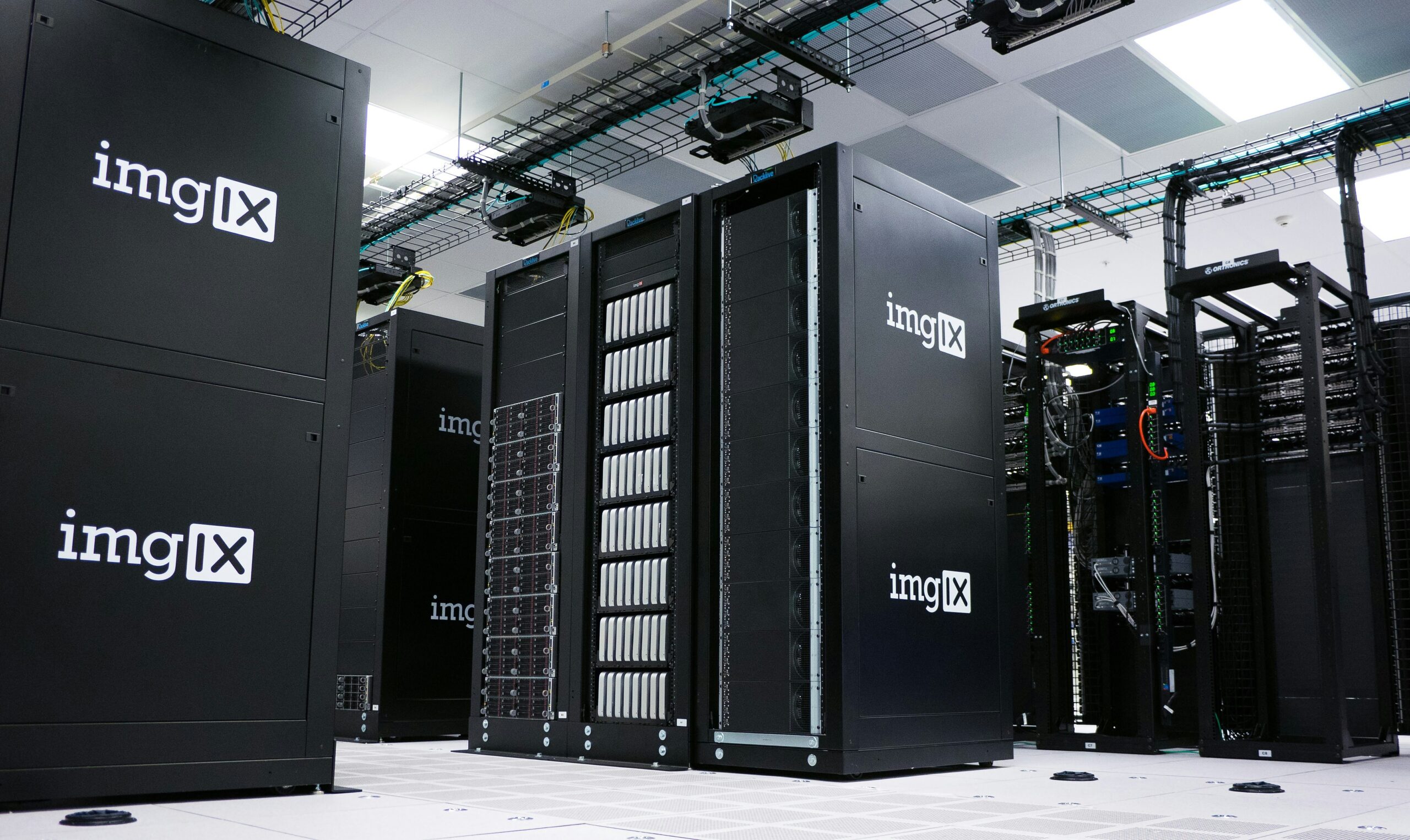
Explore how artificial intelligence is reshaping the software industry and impacting stock markets in 2026. Learn the trends, risks, and opportunities driving investor and corporate decisions.
Introduction: AI as a Game-Changer for Software and Finance
Artificial intelligence (AI) has evolved from a futuristic concept into a core driver of change across industries. In 2026, AI is not only transforming software development and enterprise applications but also influencing investor behavior and global stock markets. Enterprises are integrating AI tools to streamline operations, automate complex tasks, and improve decision-making. Meanwhile, software companies are adapting to new competitive pressures, and investors are rethinking valuations and growth potential.
The rise of AI-powered tools is creating a market shift that is both a threat and an opportunity. Companies that embrace AI integration may thrive, while those slow to adapt could face declining revenues and investor confidence. This article examines the trends, market responses, and strategic insights shaping the AI-software landscape in 2026.
🚀 The AI Revolution in Enterprise Software
AI-Powered Tools Reshaping Workflows
AI is no longer limited to chatbots or simple automation. Modern AI applications can perform tasks traditionally reserved for humans, including:
-
Contract review and legal analysis
-
Financial forecasting and investment modeling
-
Predictive maintenance and operational efficiency
-
Customer support and personalized marketing
These AI tools are integrated into enterprise software suites, enabling businesses to enhance productivity and reduce operational costs. Companies such as Microsoft, Salesforce, and smaller AI startups are competing to embed AI into everyday business workflows.
How AI Enhances, Not Replaces, Core Software
Despite headlines claiming AI will "kill software companies," the reality is more nuanced. AI augments existing software rather than replaces it entirely. Enterprise systems store proprietary data and manage mission-critical functions that cannot be fully handled by standalone AI tools.
Analysts predict that AI will reshape revenue models by introducing subscription tiers, AI-powered modules, and advanced analytics features, rather than eliminating software demand altogether.
📉 Investor Reactions: Software Stocks Under Pressure
Market Volatility and Stock Declines
The proliferation of AI tools has triggered market volatility for software companies. Key trends include:
-
Declining share prices for traditional enterprise software providers
-
Investor anxiety over revenue disruption
-
Increased capital flow toward AI infrastructure and cloud service providers
Stock market data shows that companies heavily reliant on legacy software models are under pressure, while firms integrating AI effectively are attracting investor interest.
Investor Strategies in the AI Era
Investors are adjusting strategies in response to AI-driven disruption:
-
Diversification into AI infrastructure: Companies providing AI cloud computing, GPUs, and model development tools are gaining investor attention.
-
Long-term growth focus: Firms that integrate AI into products and maintain recurring revenue models are seen as safer investments.
-
Risk assessment: Analysts evaluate which traditional software providers may struggle to monetize AI effectively.
This market rotation underscores the broader economic impact of AI, influencing both equity valuations and corporate strategy.
🌐 Global Implications of AI in Software
Industry-Wide Transformations
AI adoption is not limited to the U.S.; multinational enterprises are embedding AI into operations worldwide. Key transformations include:
-
Automating compliance and regulatory reporting in finance and healthcare
-
Enhancing cybersecurity with AI threat detection
-
Accelerating product development cycles with predictive analytics
Regional Investment Trends
Asia and Europe are also investing heavily in AI integration, creating a global AI ecosystem. Investors are watching for regional adoption rates and regulatory frameworks, which may impact competitive advantages and market share.
⚙️ AI-Driven Business Model Innovation
AI is catalyzing new business models:
-
AI as a Service (AIaaS): Subscription-based AI tools that scale with enterprise usage
-
Intelligent SaaS: Traditional software enhanced with predictive analytics and automation
-
Outcome-Based AI Pricing: Businesses pay based on value delivered rather than usage
These models enable software companies to monetize AI while maintaining customer loyalty and recurring revenue.
🛡️ Risks and Challenges for Software Companies
While AI offers growth opportunities, companies must navigate significant challenges:
-
Integration Complexity: Incorporating AI into legacy systems can be expensive and technically challenging.
-
Ethical and Regulatory Risks: AI biases, privacy concerns, and compliance issues may affect adoption.
-
Market Competition: Startups with AI-native products may disrupt incumbents.
-
Investor Expectations: Pressure to demonstrate AI-driven growth can lead to short-term volatility.
Companies that address these challenges proactively are better positioned for sustainable success.
💡 Strategic Insights for Investors and Executives
For Software Executives:
-
Prioritize AI integration that enhances user experience and operational efficiency
-
Develop scalable AI modules compatible with legacy software
-
Educate clients on AI benefits and ROI
For Investors:
-
Evaluate companies based on AI adoption, revenue diversification, and infrastructure investment
-
Focus on firms with recurring revenue and strong enterprise client relationships
-
Monitor regulatory developments affecting AI deployment
📊 Future Outlook: AI and the Software Industry
Industry experts project that AI will continue to reshape software over the next five years:
-
Increased automation across enterprise functions
-
Higher valuation volatility as investors react to AI adoption and innovation
-
New market entrants challenging traditional software leaders
-
Global AI collaboration, with cross-border integration of tools and standards
Overall, the software industry is entering a period of transformation rather than extinction, with AI acting as both a catalyst and a disruptor.
🏁 Conclusion
Artificial intelligence is fundamentally changing the software landscape and impacting global stock markets. While investor fears are understandable, the reality is more balanced: AI enhances enterprise capabilities while creating new growth opportunities. Companies that strategically integrate AI, focus on recurring revenue, and manage risk will thrive in the evolving marketplace.
For investors and executives alike, staying informed about AI adoption trends, market movements, and technological innovations is critical to making sound decisions in 2026 and beyond.
🔑 Key Takeaways
-
AI is transforming enterprise software, not eliminating it
-
Investors are adjusting strategies based on AI adoption and revenue models
-
Global adoption of AI is accelerating market and operational changes
-
Risk management and ethical deployment are critical for sustainable growth
📌 Recommended SEO Keywords
AI software 2026, AI impact on enterprise software, software stocks AI, AI market trends, enterprise AI adoption, AI disruption software, stock market AI, business AI strategies
🌐 Source
Original reporting inspired by Wall Street Journal: https://www.wsj.com/tech/ai/ai-software-business-stock-market-4b17b432?mod=hp_lead_pos3




0 Comments